Why Wine Distributors Should Visit Interwine
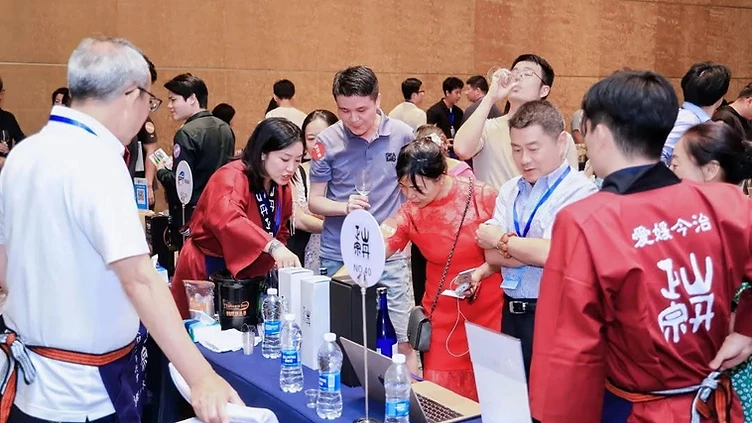
Discover why international wine distributors, importers, and procurement leads should visit Interwine in Guangzhou. Explore China's shifting import dynamics, direct winery sourcing, and regional distribution across the Greater Bay Area.
China’s imported wine landscape is experiencing a structural realignment driven by regulatory shifts, portfolio diversification, and evolving demographic tastes. For international and regional wine distributors, selecting the right trade touchpoints determines margin health and commercial longevity. Attending Interwine China in Guangzhou gives procurement leaders direct access to vetted global cellars, emerging regional appellations, and active tier-1 through tier-4 sub-distributors across the world's most dynamic beverage consumer base.
According to the USDA Foreign Agricultural Service (FAS) 2025 Wine Market Update, General Administration of Customs China (GACC) data reported that China imported approximately $1.6 billion worth of wine and related products in 2024. While established origins like France and Australia navigate renewed market dynamics following China's official lifting of anti-dumping tariffs on Australian wine in early 2024 as detailed by MS Advisory, distributors face shifting retail patterns, private-label growth from club stores, and surging demand for crisp white and sparkling profiles. Interwine serves as a dedicated transactional venue to solve these procurement challenges face-to-face.
To optimize your upcoming buying trips, trade professionals should review commercial logistics early and book your visit to secure specialized B2B credentials and meeting schedules.
1. Direct Access to Global Producers and Verified Cellars
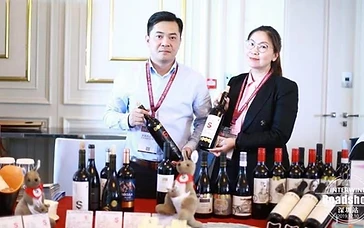
One of the most persistent operational hurdles for mid-sized and large distributors is bypassing fragmented broker networks that erode gross margins. Interwine hosts national trade delegations, boutique estates, and cooperative giants across major wine-producing regions, including Europe, Oceania, South America, and North America.
Traditional Import Sourcing Channel:
[Overseas Winery] ──> [Export Broker] ──> [Consolidator] ──> [National Importer] ──> [Distributor]

Interwine Direct B2B Sourcing Channel:
[Overseas Winery / Estate Delegation] ──Direct Negotiation──> [Qualified Distributor / Importer]
By engaging with winery principals on-site, distributors can:
- Audit Provenance and Cold-Chain Readiness: Review vintage declarations, cellar storage conditions, and maritime reefer options directly with estate exporters.
- Negotiate Exclusive Distribution Rights: Secure regional exclusivity for provincial or municipal territories before brands enter open market bidding.
- Contract OEM and Private Label Runs: Meet estates equipped to handle custom bottling, regional labeling adjustments, and compliant back-label documentation.
Buyers interested in mapping brand line-ups before walking the floor can consult the updated Exhibitor Directory to coordinate target discussions.
2. Navigating China’s Shifting Consumer Preferences
Distributor portfolios must adapt to changing consumer purchasing habits across mainland China and wider Asian markets. While heavy Bordeaux and Australian reds historically dominated dining tables, modern purchasing reflects nuanced preferences.
| Beverage Category | Current Market Trajectory | Commercial Opportunity for Distributors | | :--- | :--- | :--- | | White Wine (Sauvignon Blanc, Riesling, Chablis) | High Growth (Led by young female & urban professionals) | High-turnover placements in coastal bistros and modern retail | | Sparkling & Champagne (Prosecco, Cava, Traditional Method) | Steady Expansion (Celebratory and lower-alcohol dining) | On-premise listings and event procurement | | Mid-Tier Reds (Burgundy, Rhone, New World Single Vineyard) | Quality-over-Quantity Consolidation | Premium gift packaging and private member clubs | | Organic & Natural Wines | Emerging Niche | Direct-to-Consumer e-commerce and specialized retail bars |
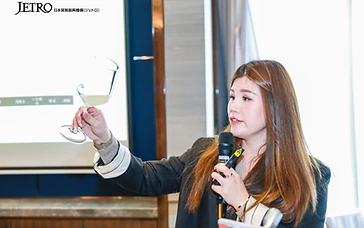
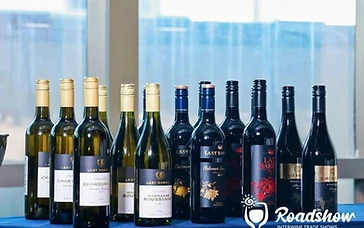
As recorded in the USDA FAS 2025 Market Update, trade surveys reveal strong growth trajectories in white and sparkling varietals. Visiting Interwine enables distributors to taste across multiple vintages simultaneously, benchmark acidities and sweetness profiles against regional palates, and attend curated masterclasses hosted through Interwine Events.
3. Unlocking the Guangdong-Hong Kong-Macao Greater Bay Area (GBA)
Guangzhou sits at the center of the Guangdong-Hong Kong-Macao Greater Bay Area (GBA), an economic powerhouse with a provincial population exceeding 110 million residents. Guangdong represents one of mainland China’s primary commercial gateways for imported alcoholic beverages, providing direct distribution connectivity across southern China and inland provincial hubs.
According to coverage by Beverage Trade Network, Guangdong's mature logistics network, bonded warehouse facilities, and cross-border e-commerce infrastructure make it an essential staging ground for wine distribution. Importers operating through Guangzhou benefit from:
- Proximity to major ports like Nansha, Yantian, and Hong Kong, lowering domestic distribution lead times.
- Deep concentration of on-premise hotel groups, high-end private clubs, and corporate gifting demand.
- Access to sub-distributor networks branching directly into Hunan, Guangxi, Jiangxi, and Fujian provinces.
Distributors expanding their southern China operations can review specific commercial trends through our Market Insights hub to calibrate their supply lines.
4. Maximizing Commercial Efficiency with Structured Matchmaking
Attending massive international trade exhibitions can lead to wasted floor time without pre-qualified scheduling. Interwine mitigates this friction by running dedicated procurement platforms designed around commercial purchasing intent.
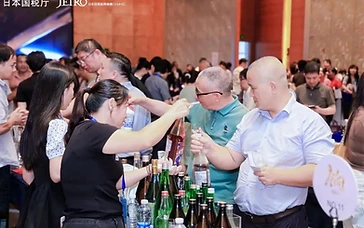
Rather than navigating 50,000 square meters of exhibition booths aimlessly, registered buyers can leverage Business Matching services. This system pairs wholesale buyers, supermarket category managers, and regional distribution chains with overseas producers matching their specific volume needs, price corridors (e.g., €2.00–€5.00 entry level vs. €15.00+ super-premium), and packaging specifications.
Distributor Sourcing Workflow at Interwine:
1. Pre-Event: Filter Producers via Exhibitor Directory & Matchmaking Tools
2. Day 1: Formal Sourcing Sessions & Technical Port Tastings
3. Day 2: Commercial Negotiations (MOQs, Payment Terms, Exclusivity Clauses)
4. Day 3: Compliance & Logistics Finalization (Customs Agents, Warehousing Partners)
5. Strategic Intelligence: Tariffs, GACC Regulations, and E-Commerce
Navigating regulatory adjustments is critical for sustainable distribution. China’s customs environment requires strict compliance with GACC Decree 248/249 overseas manufacturer registration rules, ingredient and additive declarations, and mandatory Chinese back-label requirements.
Furthermore, research published in China Briefing (October 2025) indicates that China’s alcohol e-commerce channel continues to capture significant market share, driven by live commerce and direct-to-consumer delivery. Distributors visiting Interwine have the distinct opportunity to meet directly with regulatory consultants, domestic clearance brokers, and cross-border platform representatives.
These interactions give distributor procurement teams actionable answers to complex operational questions:
- What are current effective landed costs when factoring in MFN tariffs, consumption tax, and VAT?
- How can international wineries streamline GACC single-window renewal registrations to avoid border delays?
- What channel conflict mitigation strategies protect offline wholesale margins from aggressive live-commerce discounting?
Understanding these mechanisms ensures that distributors do not simply buy good wine, but build a compliant, margin-protected logistics pathway from estate cellar to retail shelf.
Next Steps for Trade Visitors
For wine distributors, regional wholesalers, and hotel/restaurant beverage managers, Interwine provides a targeted environment to secure allocations, diversify portfolios, and build supplier alliances. As market competition consolidates around quality, provenance, and pricing transparency, on-the-ground market evaluation remains indispensable.
Plan your procurement travel early, coordinate necessary business visas, and confirm your VIP trade passes by visiting the registration portal to book your visit.
Sources
- USDA Foreign Agricultural Service (FAS) — Wine Market Update 2025: Shanghai ATO (Report CH2025-0190)
- China Briefing / Dezan Shira & Associates — China's Wine Market Outlook: Trends and Opportunities (October 2025)
- MS Advisory — Wine Market in China: Trends, Growth, and Consumer Behavior (2026)
- Beverage Trade Network — China Wine Competition Partners With Interwine China
Key Takeaways
- —Interwine allows distributors to source directly from overseas producers and official delegations, eliminating intermediary markups.
- —China imported roughly $1.6 billion in wine products in 2024 (GACC via USDA FAS), with market growth pivoting toward white, sparkling, and value-driven varietals.
- —Guangzhou's location within the Guangdong-Hong Kong-Macao Greater Bay Area (110M+ population) offers unparalleled logistics and sub-distribution channels.
- —Structured business matching platforms at Interwine streamline procurement schedules based on specific price-points and regional exclusivity demands.
- —Visiting provides direct on-site access to customs, GACC compliance specialists, and cross-border distribution experts.
Frequently Asked Questions
Why is Interwine particularly valuable for independent wine distributors?
Interwine gathers global producers, international pavilions, and certified wineries directly under one roof. Independent distributors can bypass costly middle-tier brokers, negotiate exclusive municipal or provincial distribution rights, taste unreleased vintages, and secure competitive terms for custom labels and private-label inventory.
What documentation or credentials do I need to attend Interwine as a trade buyer?
Interwine is a dedicated B2B trade fair. Attendees must register using professional business verification, such as a company business license, corporate card, or wine industry association credential, to gain badge access to the exhibition halls and business matching lounges.
How does Interwine help buyers navigate Chinese import regulations and tariffs?
Interwine convenes trade agencies, bonded warehouse operators, customs clearance agents, and regulatory advisors. Visitors can evaluate up-to-date requirements regarding GACC Decree 248/249 overseas producer registrations, Chinese back-label compliance, and current bilateral tariff frameworks directly on the exhibition floor.
Can international distributors access wines from regions outside of mainstream Europe at Interwine?
Yes. While prominent regions such as Bordeaux, Rioja, and Tuscany maintain strong presences, Interwine regularly hosts national pavilions from South America, Oceania, North America, Central Europe, and emerging Chinese boutique production regions such as Ningxia and Xinjiang.
Where does Interwine take place and what is the best way to travel there?
Interwine is held biannually in Guangzhou, China, typically at the Poly World Trade Expo Center or the China Import and Export Fair (Canton Fair) Complex in Pazhou. It is easily accessible via Guangzhou Baiyun International Airport (CAN), direct high-speed rail links from Hong Kong, and the Guangzhou Metro Line 8 (Pazhou Station).