Exclusive Wine Distribution in China: Questions to Ask Before Agreeing Terms
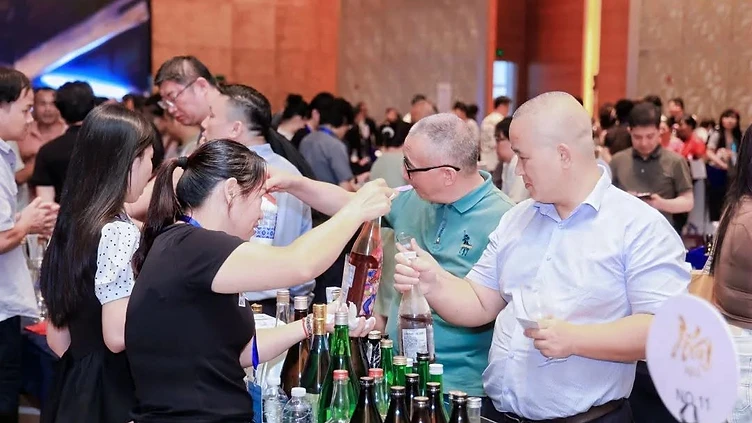
Granting exclusive wine distribution in China requires vetting geographic scope, import licenses, IP filings, and sales targets before signing any contract.
Entering the Chinese market is a strategic priority for many global wine brands, but committing to an exclusive distribution model too quickly remains one of the costliest missteps in international wine trade. As commercial legal analysis published by Legalmondo (2025) emphasizes, treating China as a monolithic market where a single distributor can cover all territories is comparable to appointing one importer to cover all 50 states of the United States.
Before signing commercial distribution agreements or binding clauses, international wineries, export directors, and spirits brand managers must evaluate specific legal, logistical, and operational questions. Navigating these complexities effectively requires an understanding of how regional sub-markets operate across mainland China, supported by foundational research across Wine Import & Distribution.
1. Corporate Due Diligence and Licensing Verification
Is the Importer Legally Authorized to Import and Sell Wine?
Never assume a prospective distributor holds the statutory qualifications required to clear imported alcoholic beverages through General Administration of Customs of China (GACC) checkpoints or distribute them domestically. Foreign producers must verify the distributor’s business scope and credentials through the databases of China's market supervision authorities, such as the State Administration for Market Regulation (SAMR, formerly SAIC) (Legalmondo, 2025).
Key verifications include:
- Food Operation License: Ensure the partner possesses a valid domestic operating permit authorizing wholesale alcoholic beverage distribution.
- Customs Registration: Confirm that the importer is officially registered as a consignee of imported food products.
- Direct Import Capabilities vs. Sub-Agency: Determine whether the entity handles customs clearance directly or relies on a third-party import agency. Wineries should note that under mandatory Chinese regulations, the local importer's company name, registered address, and direct phone contact must be printed clearly on the back label in Simplified Chinese (EU SME Centre / Agora, 2020).
2. Defining Exclusivity: Geographic and Channel Boundaries
Does the Distributor Truly Have National Reach?
China comprises 34 provincial-level administrative divisions with distinct consumer demographics, tariff trade zones, regional cuisines, and logistics infrastructures. Commercial legal practitioners note that granting nationwide exclusivity to a company based in a single province often freezes the producer's sales across remaining regions where that distributor has zero commercial infrastructure (Legalmondo, 2025).
Wineries should structure exclusivity around demonstrable operational capacity:
- Provincial or Municipal Exclusivity: Restrict exclusive rights strictly to target provinces (e.g., Guangdong, Zhejiang, Jiangsu) or first-tier metropolitan hubs (Shanghai, Beijing, Shenzhen, Guangzhou).
- Channel-Specific Exclusivity: Separate distribution channels. A distributor with proven access to five-star hotels and Michelin-tier dining (on-trade) should rarely be awarded exclusive rights over e-commerce flagship stores (JD.com, Tmall, Douyin) or enterprise gift purchasing.
3. Commercial Performance, Targets, and Remedies
Are Sales Milestones Defined by Actual Sales or Purchase Commitments?
Disagreements frequently arise when contracts confuse winery factory gate shipments with actual market depletion. In cross-border distribution, commercial targets must be strictly measured by minimum annual purchase quotas (container or carton volume) paid upfront under defined terms, supplemented by verified downstream sell-through data.
Under People's Republic of China (PRC) contract law, statutory law does not recognize "goodwill indemnity" or mandatory severance upon distribution termination (R&P China Lawyers, 2025). Therefore, establishing clear commercial milestones with immediate contractual exit clauses is vital:
- Quarterly and Annual Tranches: Split performance quotas into verifiable cycles.
- Cure Periods: Grant a standard 30- to 60-day remedy period if minimum purchase thresholds fall short.
- Automatic Exclusivity Forfeiture: Specify that failure to hit target volume converts an exclusive agreement into a non-exclusive license or gives the winery the right to terminate without penalty (R&P China Lawyers, 2025).
Evaluating Distribution Deal Structures: Comparison Table
| Contract Parameter | National Exclusive Agreement | Regional / Provincial Exclusive | Multi-Partner Non-Exclusive | | :--- | :--- | :--- | :--- | | Geographic Reach | Entire territory of mainland China | Specific province(s) or designated metropolitan clusters | No regional borders; account-specific assignment | | Commercial Risk | High; wine inventory may stall if distributor underperforms | Moderate; protects brand equity in adjacent open provinces | Low; avoids commercial bottlenecks | | Target Minimums | Full container loads (FCL) across quarterly milestones | Province-sized volume allocations | Spot order / purchase order replenishment basis | | Channel Conflict | Low internally, but high potential for unauthorized sub-distribution | Medium; requires clear rules against cross-provincial grey sales | High; requires active price-monitoring by the winery | | Termination Flexibility | Complex; dispute risks can tie up customs clearance | Straightforward; failure to reach volume revokes local exclusivity | Highly agile; underperforming accounts phase out naturally |
4. Intellectual Property and Label Protection
Who Owns the Trademark and Chinese Transliteration?
Trademark squatting remains a persistent risk across China's beverage sector. China follows a "first-to-file" intellectual property legal doctrine. As emphasized by cross-border legal advisors, foreign brand owners must register both the original Latin alphabet trademark and the official Chinese transliteration / phonetic character mark before sharing product specifications or signing trade agreements (Legalmondo, 2025).
Never allow a distributor or trade broker to register your Chinese brand name or label design. If a distributor registers the Chinese character version under their own corporate name, they hold the legal authority to block parallel imports or hold the producer hostage during contractual renewal negotiations. Brands should also maintain independent ownership over Chinese social media business handles and digital domain names.
5. Storage, Cold Chain, and Temperature Control
How Are Wines Handled in Transit and Storage?
China's summer climate presents severe quality challenges for premium wine shipments. Container ships, dock terminals, and port customs holding facilities in southern and eastern ports regularly reach ambient outdoor temperatures exceeding 35°C during the warmer months (EU SME Centre / Agora, 2020).
Contracts must clarify:
- Reefer Container (Refrigerated) Mandate: Define container specifications and insulation materials (such as thermal blankets) for all shipments arriving between May and October.
- Warehouse Auditing: Explicitly grant the brand the contractual right to audit the partner’s local warehousing facilities to confirm climate and humidity controls.
6. Financial Planning: Contribution Margin and Exclusivity Viability
Before entering an exclusive partnership, exporters must calculate their unit economics, landed charges, and sales trade-offs.
Hypothetical Financial Evaluation: Single Regional Distributor vs. Two Channel Partners
Disclaimer: The following financial model is a hypothetical illustration based on standard international trade calculations and does not represent specific supplier pricing or contract guarantees.
Scenario Parameters (Hypothetical)
- Annual Production Allocation: 3,000 cases (18,000 bottles, 750ml, FOB basis).
- FOB Production & Loading Cost: €4.00 per bottle.
- Option A (Sole Regional Exclusive Buyer): Agrees to buy all 18,000 bottles at an FOB price of €6.50 per bottle, demanding €10,000 in dedicated annual winery co-op advertising spend.
- Option B (Two Non-Exclusive Channel Partners): Importer A (On-Trade) commits to 10,000 bottles at €7.20 FOB. Importer B (Regional Retail) commits to 8,000 bottles at €7.00 FOB. Combined co-op marketing demand is €5,000.
Contribution Margin Calculation
Option A (Sole Regional Exclusive):
- Gross Revenue: 18,000 bottles × €6.50 = €117,000
- Total Cost of Goods (FOB Cost): 18,000 bottles × €4.00 = €72,000
- Direct Marketing Allowances: €10,000
- Total Operational Contribution Margin: €117,000 - (€72,000 + €10,000) = €35,000
- Contribution Margin Percentage: €35,000 / €117,000 = 29.9%
Option B (Dual Non-Exclusive Partners):
- Gross Revenue: (10,000 × €7.20) + (8,000 × €7.00) = €72,000 + €56,000 = €128,000
- Total Cost of Goods (FOB Cost): 18,000 bottles × €4.00 = €72,000
- Direct Marketing Allowances: €5,000
- Total Operational Contribution Margin: €128,000 - (€72,000 + €5,000) = €51,000
- Contribution Margin Percentage: €51,000 / €128,000 = 39.8%
In this hypothetical scenario, surrendering channel exclusivity under Option A yields €16,000 less operational margin while placing the producer's entire regional pipeline under a single counterparty credit and execution risk.
7. Dispute Resolution and Governing Law
Where and Under What Law Will Disputes Be Litigated?
A common error among foreign producers is insisting on their home country's legal system (e.g., French, Italian, or Australian civil courts). Chinese courts rarely enforce foreign civil judgments unless reciprocal enforcement treaties exist. When urgent interim measures—such as asset preservation or injunctions against trademark abuse—are required, an offshore judgment is often ineffective (Legalmondo, 2025; R&P China Lawyers, 2025).
To safeguard commercial interests:
- Dispute Jurisdiction: Specify local arbitration through recognized venues such as the China International Economic and Trade Arbitration Commission (CIETAC) or designate Shanghai/Beijing international commercial arbitration courts.
- Contract Language: Maintain a bilingual contract with a verified Chinese version that prevails in court, ensuring local enforcement authorities can interpret terms without linguistic delays (Legalmondo, 2025).
Due Diligence Checklist: 10 Questions to Ask Prospective Importers
- Licensing: What is the legal registration number of your Food Operation License and GACC customs consignee registration?
- Customs Clearance: Do you act as the direct importer of record on official customs declaration documents, or do you use a third-party customs clearance agent?
- Network Scope: In which specific provinces and cities do you maintain active sales teams and owned/leased temperature-controlled warehouse facilities?
- Portfolio Position: What competing wine brands do you currently distribute in our price tier, and how will conflicts of interest be avoided?
- Logistics Control: What temperature protocols and continuous cold-chain verifications do you enforce between port entry and inland distribution warehouses?
- Depletion Transparency: Will you provide quarterly downstream sales depletion and customer channel reports?
- Promotional Alignment: What specific, itemized promotional activities will be funded by co-op marketing allocations, and what are the quantifiable sales metrics?
- Downstream Channels: What proportion of your current sales volume is distributed across on-trade, corporate direct sales, traditional off-trade, and digital e-commerce?
- Trademark Registration: Do you acknowledge in writing that the brand owns all original Latin trademarks, Chinese transliterations, packaging designs, and digital assets?
- Default Remedies: Do you accept that failing to hit agreed minimum quarterly purchase volumes automatically terminates exclusivity without financial indemnity?
Establishing Sustainable Distribution Partnerships
Securing sustainable wine distribution in China requires careful partner selection and well-drafted legal protections. Rather than committing to sweeping, multi-provincial exclusive agreements, forward-looking wineries establish targeted partnerships that reward verifiable performance.
Face-to-face negotiations with pre-qualified regional buyers provide exporters with direct access to local importers across mainland China. Producers can connect with verified distributors, importers, and regional channel buyers at upcoming trade exhibitions and professional roadshows:
- Guangzhou 2026: 16–18 November 2026
- Hanoi 2026 Roadshow: 20 November 2026
- Spring Guangzhou 2027: 7–9 May 2027 at China Import and Export Fair Complex / Pazhou, Guangzhou
- Asia Roadshow 2027: Hanoi 11 May, Kuala Lumpur 13 May, Singapore 15 May, Bali 17 May
- Vietnam 2027: 6–8 July 2027 at SECC, Ho Chi Minh City
- Autumn Guangzhou 2027: 31 October–2 November 2027 at China Import and Export Fair Complex / Pazhou, Guangzhou
Wineries planning market entry or evaluating partnership proposals can coordinate targeted commercial meetings through Business Matching or review established participants via the Exhibitor Directory. Producers looking to expand market presence across southern China and international hubs can register to Become an Exhibitor and connect directly with vetted regional trade buyers.
Sources
- Legalmondo (2025). Contracts for Wine Distribution in China: 10 Takeaways. https://www.legalmondo.com/2025/06/contracts-for-wine-distribution-in-china-10-takeaways/
- R&P China Lawyers (2025). Terminating China Distribution Deals: Key Steps and Risks. https://www.rplawyers.com/terminating-china-distribution-deals-key-steps-and-risks/
- EU SME Centre / Agora (2020). Guideline: How to Start Exporting Wine to China. https://agora.mfa.gr/infofiles/NEW%20GUIDELINE_%20How%20to%20start%20exporting%20wine%20to%20China%20%28March%202017%29%20cn.pdf
- EU SME Centre (2023). China's Wine Market(s): Drivers, Technical Requirements and Opportunities for EU Producers. https://www.eusmecentre.org.cn/publications/chinas-wine-markets-drivers-technical-requirements-and-opportunities-for-eu-producers/
Key Takeaways
- —Verify potential distributors' Food Operation License and GACC customs registration before engaging in negotiations.
- —Avoid nationwide exclusive contracts; structure distribution around specific provinces or commercial channels.
- —Register both Latin trademarks and Chinese transliterations prior to sharing commercial specifications in China.
- —Tie exclusivity to mandatory purchase minimums with clear exit clauses that eliminate goodwill indemnity claims.
- —Specify domestic arbitration bodies such as CIETAC using bilingual agreements where the Chinese language text holds legal precedence.
Frequently Asked Questions
Why is nationwide exclusive wine distribution in China generally inadvisable?
China functions as multiple distinct regional markets rather than a single entity. Very few distributors possess operational logistics, on-trade contacts, and wholesale reach across all 34 provincial-level divisions. Granting nationwide exclusivity often ties up a brand's distribution rights in major consumer hubs where that distributor has no presence.
What happens if a Chinese distributor registers my winery's Chinese name first?
China enforces a first-to-file trademark registration system. If a distributor registers the Chinese brand transliteration under their own corporate name, they hold the legal rights to that mark, allowing them to block imports, extract licensing royalties, or hinder distribution transitions. Wineries must register both Latin and Chinese transliterations before entering distribution agreements.
Does Chinese law mandate severance or goodwill compensation when ending a distribution contract?
No. Under PRC contract law, there is no statutory concept of 'goodwill indemnity' upon the expiration or lawful termination of a commercial distribution contract, provided the agreement has a clear fixed term and specific remedy procedures.
How should dispute resolution clauses be drafted in China wine distribution contracts?
Contracts should stipulate Chinese law with dispute resolution handled via an established domestic arbitration body, such as the China International Economic and Trade Arbitration Commission (CIETAC). Enforcement of foreign court judgments in China is complex and often delayed, hindering urgent injunctions or asset preservation.