How to Find Wine Importers and Distributors in Wuhan

Discover how to find wine importers and distributors in Wuhan, Hubei. Navigate Central China's distribution tiers, customs logistics, and B2B matching strategies.
To successfully find wine importers and distributors in Wuhan, international wineries and brand owners must approach the market through a two-tiered distribution model: partnering with direct Tier-1 customs clearance importers operating out of local logistics hubs, or collaborating with regional sub-distributors that source inventory via coastal maritime gateways. Wuhan serves as the commercial, financial, and logistical epicenter of Hubei Province and Central China, making it an essential hub for wine brands seeking to scale beyond Shanghai, Guangzhou, and Beijing.
Following sweeping structural shifts across China's wine market—including the notable lifting of Chinese tariffs on Australian wine imports on March 29, 2024, as documented by China Briefing—regional Tier-2 cities like Wuhan represent dynamic growth vectors. With changing middle-class demographics and expanding on-premise dining scenes, identifying the right trade partners in this inland metropolis requires an understanding of Central China’s distribution infrastructure, regulatory protocols, and direct commercial channels.
The Commercial Landscape of Wuhan’s Wine Market
Wuhan is the largest consumer market in Central China, home to over 13 million residents. Strategically situated at the confluence of the Yangtze and Han rivers, it functions as a national transport hub integrating extensive rail networks, river ports, and direct international air cargo routes.
Unlike coastal megalopolises where international direct importers dominate local retail, Wuhan’s wine ecosystem features a distinct hybrid model:
- Direct Tier-1 Importers: A core group of specialized import companies based directly in Wuhan manage their own customs clearance, bonded warehousing, and domestic distribution networks. These operators predominantly supply provincial supermarket chains, upscale dining establishments across Wuchang and Hankou, and private corporate client networks.
- Secondary Distributors and Wholesalers: Many local distributors buy imported stock from major national clearing houses located in maritime gateways like Shenzhen, Guangzhou, Ningbo, or Shanghai. These players focus heavily on localized retail, regional corporate gifting, and local hospitality networks across Hubei and surrounding provinces like Hunan and Jiangxi.
For international producers evaluating how to find wine importers and distributors in Wuhan, understanding whether a prospect clears containers directly or acts as a regional distributor dictates your commercial terms, pricing support, minimum order quantities (MOQs), and brand control.
Step-by-Step Strategy to Identify Wuhan Wine Distributors
1. Leverage Professional B2B Wine Exhibitions and Matchmaking
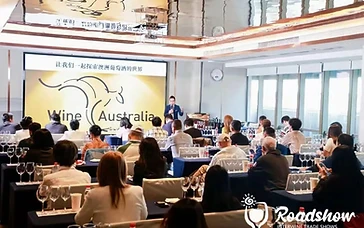
Unsolicited international cold calling rarely produces reliable distribution agreements in China's alcoholic beverage sector. The most efficient and verified route to meeting vetted Central Chinese wine buyers is participating in recognized industry exhibitions and dedicated buyer sessions.
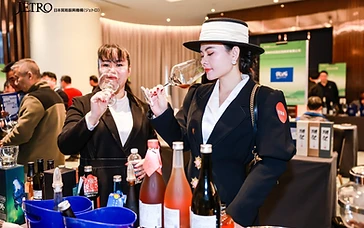
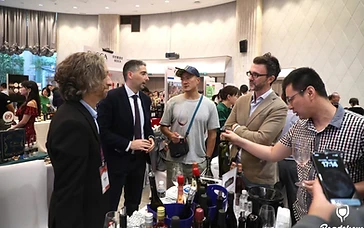
Producers can engage directly with regional distribution leaders through focused programs such as Business Matching and broad networking at professional trade fairs. Exhibiting at established mainland platforms enables brand owners to conduct face-to-face tastings, evaluate distributor portfolios, and secure commercial commitments. Forward-thinking producers actively plan their presence and Become an Exhibitor to build high-margin trade connections with commercial operators from Wuhan and the broader Yangtze River basin.
2. Verify Customs and Commercial Databases
China Customs requires all food and beverage enterprises, including overseas wine exporters, to complete registration via the General Administration of Customs of China (GACC) Single Window platform. Similarly, domestic alcohol importers must maintain valid import licences and food operation permits (Shipin Jingying Xukezheng).
When identifying prospective Wuhan partners:
- Cross-reference company profiles using reliable trade databases such as BestWineImporters or customs tracking platforms like ImportGenius to check their historical clearance volumes and trade counterparties.
- Access specialized industry dossiers, such as trade surveys published by Vino Joy News, to distinguish reputable regional players from opportunists.
- Confirm whether the buyer holds an active business licence with foreign trade and alcohol distribution scope on China's National Enterprise Credit Information Publicity System.
3. Target Local Logistics and Free Trade Zones
Importers that clear directly into Wuhan typically operate within the China (Hubei) Pilot Free Trade Zone Wuhan Area, or utilize bonded warehousing facilities at the Wuhan Yangluo Port and Wuhan East Lake Free Trade Zone.
Engaging freight forwarders and bonded warehouse operators servicing Yangluo Port can provide operational intelligence on which local logistics firms manage temperature-controlled facilities specifically equipped for bottled wine. Partnering with distributors that possess dedicated cold-chain storage is critical given the extreme seasonal temperature swings experienced in Wuhan.
4. Direct Retail Channel Mapping (Reverse Sourcing)
Conducting on-the-ground or digital audits of Wuhan's high-end retail and on-premise venues provides practical leads on active distributors. Inspect the mandatory Chinese back-labels (Zhongwen Biaoqian) on imported bottles sold at upscale retail channels in Wuhan, such as Ole' supermarkets, high-end hotel cellars, and independent bistro bars across Jianghan Road and Optics Valley.
By law, every legally imported wine bottle in China must feature a back-label displaying the Chinese name, address, and telephone number of the domestic distributor or importer. Cataloging these details allows export managers to identify distributors with verifiable placement power in the Wuhan marketplace.
Distributor Due Diligence and Partner Selection Criteria
Appointing an import partner in Wuhan requires rigorous commercial due diligence to protect your brand equity and cash flow. Prioritize buyers that meet the following operational criteria:
- Portfolio Complementarity: Examine the importer's existing catalogue. Ensure they have demonstrated success selling wines in your price band without carrying direct competitors that could cannibalize your volumes.
- Channel Strengths: Clarify where their true sales volume lies. Some Wuhan distributors specialize in local government-adjacent or corporate banquet sales, while others possess stronger distribution networks across trendy Western restaurants, craft wine bars, or regional e-commerce channels.
- Warehousing Infrastructure: Inspect whether the company maintains temperature- and humidity-controlled warehousing. Bottled wine stored in uninsulated facilities during Wuhan’s summer months faces severe quality degradation.
- Financial Terms and Customs Literacy: Reputable partners will clearly articulate their payment terms, handling of letter of credit (L/C) or telegraphic transfer (T/T) structures, and their familiarity with GACC registration verification and customs commodity coding (HS Code 2204).
Regulatory Considerations for Entering the Wuhan Market
Navigating China’s customs environment requires strict compliance from overseas wine producers before shipping any trial pallet or full-container load (FCL):
- GACC Manufacturer Registration: Under GACC Decrees 248 and 249, all overseas alcohol production facilities must secure official registration numbers before dispatching cargo. The approved registration number must appear on both inner and outer commercial packaging.
- Chinese Back-Label Compliance: Labels must comply with standard GB 7718 and GB 2758 regulations, accurately translating vintage, alcohol by volume (ABV), grape varieties, country of origin, shelf life, and allergen warnings (such as containing sulfites).
- Trademark Protection: Brand owners must register their Roman-alphabet trademark as well as an official Chinese phonetic trademark with the China National Intellectual Property Administration (CNIPA) prior to market entry. Establishing a brand without registered Chinese trademark rights exposes producers to squatter risks.
For additional operational intelligence on navigating Chinese alcohol import protocols, consult our practical Market Insights section.
Conclusion: Accelerate Your Central China Expansion
Wuhan offers international wine producers an expansive, high-consumption regional market with direct access to Central China's burgeoning consumer base. However, breaking through requires moving past transactional cold outreach toward structured networking, reliable channel partner verification, and professional in-person engagement.
To meet pre-qualified Chinese wine importers, wholesalers, and regional distributors face to face, Become an Exhibitor at INTERWINE. Present your portfolio directly to decision-makers actively sourcing international wines for Central China and beyond.
Sources
- China Briefing (2024), China's Wine Market Outlook: Trends and Opportunities – https://www.china-briefing.com/news/chinas-wine-market-outlook-trends-and-opportunities
- Vino Joy News (2024), China's Top 50 Wine Importers – https://vino-joy.com/product/chinas-top-50-wine-importers
- BestWineImporters (2025), Wine Importers, Distributors & Retailers Global Database – https://www.bestwineimporters.com/database/global-wine-importers-distributors-retailers/
Key Takeaways
- —Wuhan serves as Central China's primary commercial hub, operating through a mix of direct bonded-port importers and coastal secondary distributors.
- —Producers must verify whether a prospective partner possesses genuine GACC customs clearance capabilities or functions primarily as a regional sub-distributor.
- —Reverse-sourcing via mandatory Chinese back-labels on bottles in Wuhan's upscale retail sector provides reliable distributor contact details.
- —Cold-chain logistics and climate-controlled storage are essential partner evaluation metrics due to Wuhan's extreme summer climate.
- —Participating in professional trade expos and structured B2B business matching remains the most direct route to vetted Central Chinese wine buyers.
Frequently Asked Questions
Are there direct wine importers based in Wuhan, or do they all buy from Shanghai and Shenzhen?
Wuhan has both direct Tier-1 importers and regional sub-distributors. Several established trading firms clear containers directly through Wuhan Yangluo Port or the East Lake Bonded Zone, while many secondary distributors purchase their portfolio from primary importers headquartered in coastal logistics hubs.
What documentation is required to export wine to a distributor in Wuhan?
International wineries must have valid GACC facility registration under Decree 248/249, a Certificate of Origin, Certificate of Health/Analysis, commercial invoice, packing list, bill of lading, and compliant Chinese back-label artwork following GB 7718 standards.
Why is cold-chain storage especially critical for distributors in Wuhan?
Wuhan experiences very high summer temperatures often exceeding 38°C (100°F). Without verified climate-controlled warehousing and refrigerated domestic transit, wine quality can deteriorate rapidly before reaching retail shelves.
How can wineries protect their brand name when entering Central China?
Wineries should register both their original Latin brand name and an official Chinese trademark with the China National Intellectual Property Administration (CNIPA) before sending commercial samples or entering contract negotiations.