How Wine Brands Can Find Distributors in Japan
A commercial roadmap for international wineries entering Japan: master the multi-tier import ecosystem, meet Food Sanitation Act compliance, and identify qualified distribution partners.
To secure wine distribution in Japan, international wineries must understand that Japanese buyers prioritize contractual reliability, spotless packaging, regulatory compliance, and brand storytelling over transactional discounts. The primary commercial barrier is not tariffs, but gaining access to established distribution networks. According to the ProWein Business Report conducted with Geisenheim University in 2024, finding and securing an import partner is cited as the single greatest entry challenge by 89% of wine companies planning to export to Japan, and by 59% of producers already established there. Succeeding in this mature market requires aligning your commercial terms with Japan's tiered wholesale structure, preparing chemical compliance documentation, and using focused B2B business matching platforms to connect directly with licensed importers.
The Commercial Structure of Japan’s Wine Distribution
Japan’s alcoholic beverage route-to-market is structured, hierarchical, and legally divided. Understanding how products flow through the supply chain is essential before contacting potential buyers.
[International Winery]
          │ (Ex-Cellars / Incoterms: CIF / FOB)
          ▼
[Licensed Japanese Importer (Yunyu Gyosha)]
          │ (Clears Customs, MHLW Compliance, Affixes Japanese Back-Label)
          ▼
[Primary Wholesaler (Oroshiuri Gyosha: e.g., Kokubu, Mitsubishi Shokuhin)]
          │ (Regional Logistics, Inventory Financing)
          ▼
┌───────────────────────────┴───────────────────────────┐
▼                                                       ▼
[On-Premise (Horeca)]                                   [Off-Premise (Retail)]
- Izakaya chains & fine dining                          - Department stores (Depachika)
- Tokyo / Osaka boutique wine bars                     - Specialized wine shops / E-commerce
- Luxury hotels & international dining                  - Supermarkets & convenience stores
Importers vs. Wholesalers: Who Holds the Import License?
Foreign producers cannot sell directly to retail chains, department stores (depachika), or restaurants. All imported alcohol must pass through an entity holding a Liquors Importation License issued by the National Tax Agency under the Liquor Tax Act.
- Specialist Fine Wine Importers: Boutique operators like Hotei Wines or Orca International specialize in regional niches (such as American West Coast selections or biodynamic European wines) and maintain direct relationships with high-end on-premise venues and specialty retailers.
- Trading Conglomerates (Sogo Shosha) & Mega-Importers: Large beverage divisions (such as Suntory, Mercian/Kirin, Asahi, or specialized arms of trading giants) control high-volume, container-load commercial wine placements in nationwide convenience stores and supermarkets. They partner with national primary wholesalers (oroshiuri) such as Kokubu Group or Mitsubishi Shokuhin.
- Independent Importer-Distributors: Intermediate operators (such as Mikuni Wine or 21 Community Co. Ltd) maintain both import licenses and domestic wholesale operations, serving regional restaurant groups and independent bottle shops.
Step-by-Step Strategy to Find and Vet Japanese Importers
1. Market Positioning and Commercial Alignment
According to market analysis from Market Research Future, Japan’s wine market is projected to expand from USD 9.43 billion in 2024 to USD 15.79 billion by 2035, maintaining a 4.80% compound annual growth rate. Despite this expansion, portfolio capacity among tier-one importers remains limited.
Before pitching, verify that your portfolio meets current consumer patterns:
- Category Demand: While red wine maintains a substantial base, white wine and sparkling wine hold high market volume due to pairings with Japanese cuisine (washoku). Premium sparkling, organic/biodynamic certifications, and low-intervention natural wines are experiencing sustained momentum in urban centers like Tokyo, Osaka, and Fukuoka.
- Pricing Structure: Calculate your margins backward from Tokyo retail shelves. A bottle priced at €5.00 Ex-Works typically reaches consumers at ¥2,500 to ¥3,200 after shipping, import customs processing, alcohol consumption tax, distributor markups (20–25%), wholesaler cuts (10–15%), and retailer margins (25–35%). Ensure your brand fits a distinct price tier.
2. Identifying Target Importer Profiles
Do not mass-email generic sales decks to random directories. Build a target shortlist of 20 to 30 importers whose active portfolios feature complementary, non-competing labels. For instance, if an importer already distributes three estates from your specific sub-appellation, they rarely take on a fourth. Look for portfolios with regional strengths that match your grape varietal or pricing tier.
To discover pre-vetted Asian buyers and distributors active across regional markets, explore curated resources such as the Exhibitor Directory and review our seasonal Market Insights on Asian buying behavior.
3. Leveraging Targeted B2B Business Matching
Unsolicited cold calling rarely succeeds in Japan's business culture, where introductions and trusted platforms carry significant weight. To accelerate relationship-building:
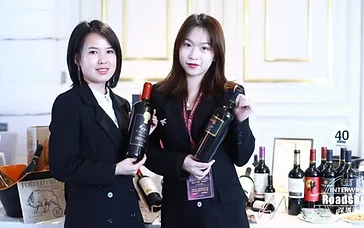
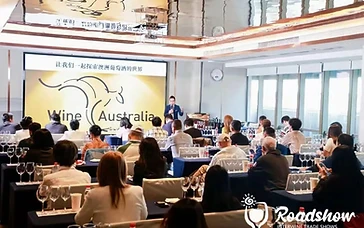
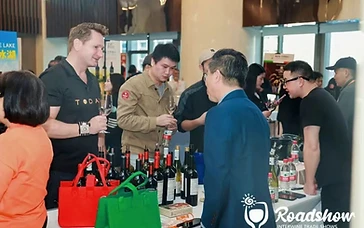
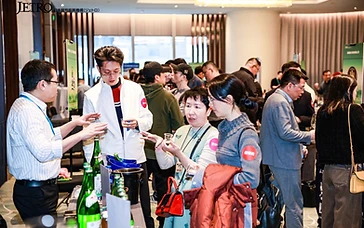
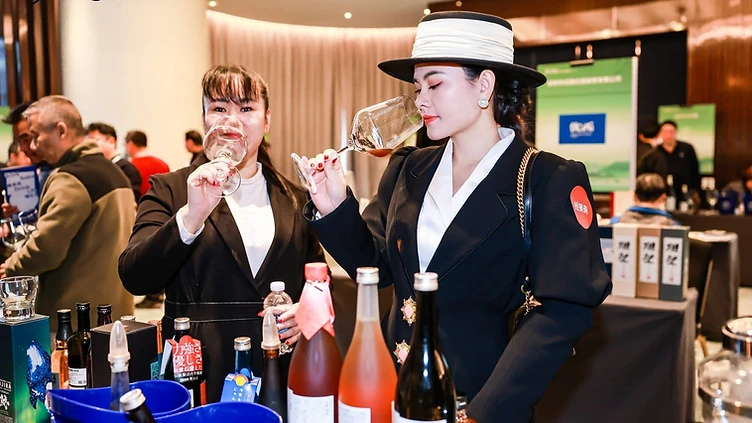
- Attend Focused Regional Trade Shows: International expos and dedicated beverage forums allow you to meet Japanese purchasing agents face-to-face. Engaging through targeted commercial matchmaking networks—such as the specialized Business Matching service—connects producers directly with verified Asian importers and off-market distributors.
- Bilateral Trade Agencies: Utilize official export promotional councils (e.g., Business France, ICEX, Italian Trade Agency, Wine Institute) which arrange closed-door B2B tastings in Tokyo.
- Global Trade Platforms: Participate in major Asian export exhibitions. Review options to Become an Exhibitor to showcase your products to buying delegations traveling across the East Asian trade corridor.
Legal Compliance, Labeling, and Packaging Requirements
Japanese importers carry civil and financial liability for any food safety non-compliance, making technical documentation a critical first step in their selection process.
Ministry of Health, Labour and Welfare (MHLW) Regulations
All imported wines must comply with the Japanese Food Sanitation Act. Before commercial clearance, the importer submits an "Import Notification for Foods and Related Products" to Quarantine Stations under the MHLW.
- Permitted Additives and Sorbates: Strict limits apply to preservatives, antioxidants, and processing aids. Specifically, sorbic acid and its potassium salts are prohibited in standard wine production in Japan, though allowed in certain fruit wines under rigid thresholds. Exceeding established sulfur dioxide ($SO_2$) limits (typically capped at 350 ppm) results in rejection or destruction at the port of entry.
- Lab Certificate of Analysis (COA): Producers must supply an exhaustive chemical analysis certificate from an accredited official laboratory in the country of origin detailing alcohol volume, total acidity, sulfur dioxide levels, sorbic acid absence, and residual sugars.
Packaging Perfection and Labeling Demands
Japanese distributors expect high packaging standards:
- Aesthetic Quality: Cartons, outer shippers, capsules, and front labels must be free of scuffs, wrinkles, glue stains, or misalignments. In Japan, minor packaging blemishes are often classified as damaged product, leading retail category managers to reject shipments.
- Back-Labeling Protocol: Japanese language back-labels are legally mandatory. They indicate product classification (果実酒 - Fruit Wine), bottle volume, alcoholic strength, importer company name and registered Tokyo/local address, country of origin, and an allergy warning regarding sulfur dioxide. Most importers apply custom stickers at bonded warehouses in ports such as Yokohama or Kobe, but providing label-ready space on your back design simplifies logistics.
Mastering Japanese Business Etiquette and Commercial Negotiations
Negotiating wine distribution contracts in Japan follows a deliberate pace focused on risk mitigation and mutual trust.
- The 'Ringisho' Consensus Model: Decisions in Japanese companies rarely come from a single buyer during a single meeting. Proposals move through an internal consensus-building mechanism (Nemawashi) and formal approval system (Ringisho). Expect the evaluation window from initial sampling to first purchase order to span 6 to 12 months.
- Consistency Over Volume: Japanese distributors value predictable product continuity, accurate documentation, and consistent vintage transitions over sudden, uncoordinated volume pushes. Committing to stable allocations and transparent pricing structures establishes credibility.
- Marketing Support and Educational Collateral: High-performing brands equip their importers with localized point-of-sale (POS) materials, technical tasting notes, and producer profile narratives. Offering virtual staff seminars for the importer’s sales team helps differentiate your portfolio in the market.
Conclusion and Next Steps
Establishing sustainable wine distribution in Japan requires technical preparation, patience, and access to verified buyers. Brand owners who align their logistics with domestic compliance standards, respect the traditional multi-tier supply chain, and connect with motivated importers through established platforms will secure long-term, loyal commercial partnerships in Asia's most sophisticated market.
Sources
- ProWein / Geisenheim University: ProWein Business Report: Opportunities & Challenges (2024)
- Market Research Future: Japan Wine Market Outlook and Forecast (2024)
- Best Wine Importers: Wine Importers in Japan: Market Trends & Key Players (2025)
- Japan National Tourism Organization (JNTO): Visitor Arrivals & Tourism Statistics (2024)
Key Takeaways
- —According to the 2024 ProWein Business Report, 89% of prospective wine exporters identify securing an import partner as their primary market obstacle in Japan.
- —Importation requires licensed liquor entities under National Tax Agency regulation, operating across distinct specialist, intermediate, and conglomerate wholesale channels.
- —Full compliance with the Japanese Food Sanitation Act requires precise chemical certification, specifically adhering to strict additives and sulfur dioxide limits.
- —Japanese retail and on-premise supply chains require near-zero defect tolerances on physical packaging, carton durability, and label placement.
- —Long-term commercial success relies on structured introductions through dedicated B2B business matching platforms rather than unsolicited outreach.
Frequently Asked Questions
Can an overseas winery sell directly to Japanese restaurants and retail shops?
No. Under the Japanese Liquor Tax Act, only companies holding a valid Liquors Importation License issued by the National Tax Agency can bring commercial alcohol into the country and distribute it to wholesalers, retailers, or Horeca operators.
What additives are strictly regulated in wine under Japan's Food Sanitation Act?
Japan enforces zero-tolerance or strict maximum limits on specific additives. Sorbic acid and its salts, commonly used as preservatives in some regions, are prohibited in standard grape wine imports. Sulfur dioxide (SO2) levels are also closely monitored, typically restricted to a maximum of 350 ppm.
How long does it typically take to secure a wine importer in Japan?
Due to consensus-based corporate decision-making (Nemawashi), the sales cycle usually takes between 6 to 12 months from initial sampling and commercial discussions to the issuance of the first formal purchase order.
Why is packaging condition so critical for Japanese wine buyers?
Japanese retail managers and consumers maintain rigorous standards for product presentation. Bottles with scuffed labels, misaligned capsules, or damaged master shipping cartons are frequently rejected at wholesale depots as unsellable.
What is the best way to introduce an international brand to Japanese buyers?
Targeted B2B business matching programs, bilateral trade tasting missions, and exhibiting at prominent Asian beverage expos represent the most effective pathways to build trust and gain introductions to licensed importers.