Why Mexican Wineries Should Exhibit at Interwine
Discover why Mexican wineries from Baja California, Coahuila, and Querétaro are securing commercial distribution in China by exhibiting at Interwine Guangzhou.
For Mexican wine producers and export associations seeking geographic diversification, Interwine Guangzhou represents the most strategic gateway into the rapidly evolving Chinese and broader East Asian wine market. Traditionally concentrated on domestic consumption and North American sales, Mexican viticulture has matured into an award-winning, premium-focused industry. By securing an exhibition presence at Interwine, Mexican wineries can directly access pre-qualified Chinese importers, sommeliers, and distributors eager to differentiate their portfolios with novel, high-character New World wines.
The Strategic Imperative: Beyond Domestic and North American Borders
Historically, producers across regions such as Valle de Guadalupe, Valle de Parras, and Querétaro have prioritized the domestic Mexican market—where local consumption continues to climb—alongside opportunistic exports to the United States. However, relying exclusively on North American demand exposes Mexican estates to foreign exchange volatility, shifting U.S. consumer trends, and intensifying competition within established domestic corridors. As highlighted in international trade analysis from Wine Economics and Policy (2025), trade friction, tariff uncertainties, and shifting consumer patterns in traditional Western markets are prompting global wine producers to build diversified, multi-regional export channels.
Simultaneously, China's imported wine landscape is undergoing a structural shift. According to market research published by MS Advisory (2024), China's wine market reached an estimated valuation of $40.4 billion in 2024, maintaining an anticipated compound annual growth rate (CAGR) exceeding 11%. Although established Old World categories retain substantial market share, younger urban Chinese consumers, boutique bistros, and progressive hospitality groups in tier-one and tier-two cities are actively seeking unique, high-tier artisan selections. Mexico’s rich viticultural heritage—predicated on old-vine Nebbiolo, structured Cabernet Sauvignon, complex Tempranillo, and terroir-driven Chenin Blanc—fits precisely into the premiumization trend dominating contemporary Asian wine retail.
To discover how your estate can access these buyers directly, visit our Become an Exhibitor portal to explore bespoke participation packages.
Why Interwine Is the Proven Bridge to China's Commercial Core
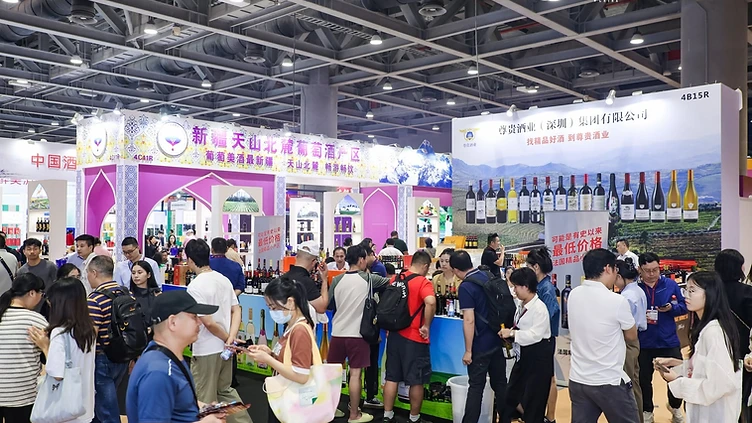
Interwine is China’s largest and longest-running specialized wine and spirits trade fair, held semi-annually in Guangzhou, the commercial epicenter of the Guangdong-Hong Kong-Macao Greater Bay Area. The Southern China corridor represents roughly 110 million residents with among the highest per-capita disposable incomes and imported wine consumption rates in the country.
Interwine’s operational scale provides immediate commercial impact:
- Extensive Trade Reach: Drawing over 50,000 professional attendees per edition, Interwine unites national distributors, regional wholesalers, private client merchants, corporate gifting procurers, and high-end on-premise sommeliers.
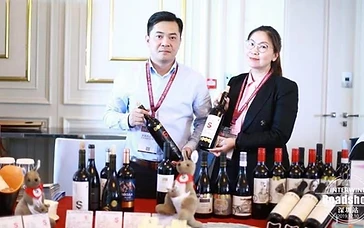
- Targeted Importer Matchmaking: Through dedicated Business Matching services, Mexican estates are not merely displaying bottles at a standard stand; they are paired with licensed Chinese importers whose procurement mandates align with specific price points, varieties, and annual volume allocations.
- Strategic Timing: Positioned biannually—with the flagship Spring edition hosted at the Canton Fair Complex and the Autumn session at the Poly World Trade Center—the fair aligns directly with China’s major purchasing and inventory-stocking cycles for the Mid-Autumn Festival and Chinese New Year.
Producers seeking to review the caliber of peer brands and regional pavilions can review the current Exhibitor Directory.
Navigating the Chinese Market: Regulatory Readiness and Route-to-Market
Exhibiting at Interwine minimizes the operational learning curve for Mexican bodegas entering Asia for the first time. Navigating General Administration of Customs of China (GACC) facility registration, bilingual back-label compliance, microbiological specifications, and logistics requires clear commercial alignment before dispatching commercial shipments.
By leveraging the fair's business network, Mexican wineries can identify experienced import partners who manage:
- GACC and Customs Clearance: Ensuring smooth documentation and compliant customs procedures.
- Bilingual Label Approvals: Designing compliant Chinese back labels that respect national standards (GB requirements) while retaining the distinctive brand identity of Mexican terroirs.
- Cold-Chain Distribution Networks: Safeguarding wine integrity across diverse inland regional markets, from Shenzhen and Shanghai to Chengdu and Beijing.
For foreign delegations preparing travel itineraries and freight requirements, our administrative resources provide direct assistance through Arrival and Transportation guidance, logistical partners, and official Invitation Letter and Visa Support.
Overcoming Market Skepticism: Positioning Mexican Terroir
One common hesitation voiced by Mexican winemakers is the perception that Chinese trade buyers are unfamiliar with Mexican wine regions. While Old World appellations like Bordeaux or Rioja have multi-decade brand equity, this lack of saturation represents an advantage: Mexican wineries enter the Chinese market unencumbered by mass-market commodity commoditization.
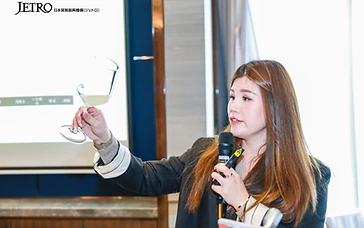
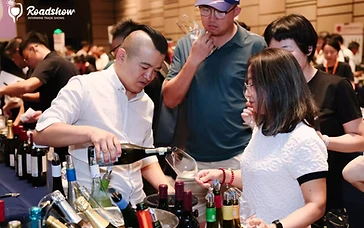
At Interwine, participating producers can host targeted masterclasses, structured sommelier tastings, and press presentations to educate buyers on unique regional characteristics—such as the coastal microclimates of Baja California, the high-altitude continental terroirs of Coahuila, and the expressive sparkling wines of Querétaro. Educational masterclasses transform general trade curiosity into tangible purchase orders, positioning Mexican labels as prestigious, artisanal discoveries for exclusive wine lists and private collector portfolios.
Trade bodies and wineries interested in organizing regional pavilions or masterclasses are encouraged to submit an early application via Become an Exhibitor to secure prime pavilion placement in Guangzhou.
Sources
- MS Advisory (2024), Wine Market in China: Trends, Growth, and Consumer Behavior, https://msadvisory.com/wine-market-in-china/
- Wine Economics and Policy / Firenze University Press (2025), State of the International Wine Markets, https://oaj.fupress.net/index.php/wep/article/view/17914
- Beverage Trade Network (2024), China Wine Competition Partners With Interwine China, https://beveragetradenetwork.com/en/events/wine-77/china-wine-competition-partners-with-interwine-china-1727.htm
- BestWineImporters (2026), Interwine China Trade Fair Profile, https://www.bestwineimporters.com/resources/wine-trade-fairs/interwine-china
Key Takeaways
- —Mexico's high-altitude and coastal terroirs match the growing demand in China for boutique, high-character New World wines.
- —China's wine market was valued at $40.4 billion in 2024 with a projected CAGR exceeding 11% (MS Advisory, 2024).
- —Exhibiting at Interwine Guangzhou positions Mexican wineries directly in the Greater Bay Area, home to over 110 million consumers and China's premier wine trade hub.
- —Interwine provides dedicated B2B business matching, connecting Mexican producers directly with licensed importers and customs-clearing partners.
- —Biannual scheduling enables Mexican export managers to capitalize on peak retail and corporate procurement cycles for major Chinese holidays.
Frequently Asked Questions
Why is the Chinese market relevant for boutique Mexican wineries?
As China's imported wine sector matures, consumers and sommeliers in tier-one and tier-two cities are shifting toward unique, high-tier New World wines. Mexico's distinct microclimates and limited-production boutique profiles fit the ongoing premiumization trend in Chinese on-premise and specialty retail channels.
What business support does Interwine provide to first-time international exhibitors?
Interwine offers pre-scheduled 1-on-1 business matching with vetted Chinese importers, assistance with sample logistics, dedicated masterclass and tasting stages, and official invitation letters for visa processing.
When should Mexican wineries begin preparing to exhibit at Interwine?
Producers should begin preparations 8 to 12 weeks prior to the event. This allows adequate time to coordinate sample shipping, complete bilingual collateral and back-label design, obtain Chinese GACC export approvals, and schedule buyer meetings.
Which Mexican varietals show the highest commercial potential in Southern China?
Structured reds with rich fruit profiles—such as Nebbiolo, Cabernet Sauvignon, and Tempranillo blends from Valle de Guadalupe and Parras—perform strongly in traditional dining and gifting segments. Simultaneously, crisp Chenin Blanc and high-altitude sparkling wines appeal to China's younger demographic in modern bistros and wine bars.