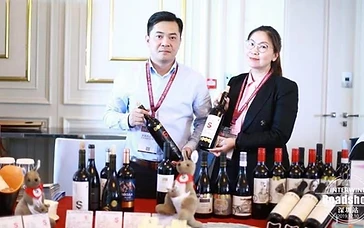
Uruguayan Wine Market Opportunities in China

Discover how Uruguayan wine producers can capitalize on China's shifting import landscape, leverage Tannat's unique profile, and secure distribution across tier-1 and tier-2 cities.
Uruguayan wine represents one of South America's most distinctive viticultural propositions, yet it remains significantly underrepresented in the world's second-largest economy. For Uruguayan wineries and regional trade bodies, the Chinese market is undergoing a structural transformation: the era of speculative mass imports has yielded to value-driven, niche-seeking consumption. Importers and sommeliers in mainland China are actively diversifying away from conventional European benchmarks and mainstream New World offerings toward high-character, narrative-rich boutique labels.
Navigating the current dynamics requires commercial precision. By aligning Uruguay’s flagship varietal, Tannat, with China’s evolving culinary landscape, leveraging high-level bilateral trade channels, and establishing direct engagements through targeted trade platforms, South American producers can turn minimal historical volume into lucrative, sustainable placement.
The Bilateral Trade Context: A Foundation for Expansion
To evaluate Uruguayan wine market opportunities in China, producers must first analyze the macroeconomic framework linking both nations. China stands as Uruguay's single largest trading partner. According to the Uruguay XXI Foreign Trade Annual Report (2024), China absorbed 24% of Uruguay's total merchandise exports in 2024. Furthermore, foreign trade reviews documented by Uruguay XXI in 2025 highlight that bilateral trade expanded by 66% between 2020 and 2024, representing an exchange of approximately US$5.5 billion.
Despite this strong trade relationship dominated by cellulose, beef, and agricultural commodities, the wine sector has only captured a fraction of its potential. Trade data reported via the United Nations COMTRADE Database / Trading Economics (2024) registered Uruguayan wine exports to China at just US$61.84 thousand in 2024.
However, Uruguay's global export profile proves its rising competitiveness. As documented by the National Institute of Viticulture (INAVI, 2025), Uruguay achieved record-breaking international sales in 2024. Bottled exports surged by 40% in volume to 4.64 million liters, total revenues rose 49% to €19 million, and the average export price increased for the third consecutive year to €4 per bottle across 57 export markets. This export milestone indicates that Uruguayan bodegas have refined their production quality and international positioning. The commercial objective now is channeling this momentum into China, where broader bilateral institutional goodwill provides a receptive environment.
Shifting Dynamics in China's Wine Sector
China's wine import landscape has evolved. Research from the University of Adelaide Wine Economics Research Centre (2023) details how total market volumes adjusted substantially from the speculative peaks of 2018–2020. The contraction of mass-market, generic commercial imports has pushed distributors to eliminate slow-moving stock and recalibrate portfolios around quality, authenticity, and clear regional identity.
Chinese consumers in affluent metropolitan hubs such as Shenzhen, Guangzhou, Shanghai, and Chengdu are departing from traditional prestige-label reliance. Younger demographics, including Gen Z and millennial professionals, prioritize boutique vineyards, low-intervention practices, distinctive grape varieties, and culinary versatility. Importers serving these consumers require products with distinct points of difference—a shift that favors Uruguay’s boutique production model over industrial-scale competitors. To track these structural movements, producers frequently review detailed Market Insights that map buyer sentiment across southern and eastern distribution corridors.
Positioning Tannat: Capitalizing on the Red Wine Preference
Red wine continues to dominate imported volume in China, anchored in traditional dining habits, sensory preferences, and cultural perceptions. Tannat, Uruguay's signature variety, possesses specific intrinsic advantages for this market:
1. Polyphenolic Concentration and Health-Conscious Positioning
Tannat contains high levels of procyanidins and polyphenolic antioxidants. China’s urban consumer base exhibits an increasing preference for wellness-aligned and functional consumption. Marketing Tannat’s distinct heart-healthy profile provides retail buyers with an educational angle for wellness-focused affluent consumers.
2. Gastronomic Pairing with Regional Chinese Cuisines
Modern Uruguayan viticulture has mastered the management of Tannat’s muscular tannins, yielding approachable wines with deep fruit extraction, balanced acidity, and well-integrated oak. This flavor profile pairs directly with China’s meat-centric culinary traditions. From northern braised meats and Xinjiang roast lamb to Cantonese roast goose and Sichuan spiced hotpot, Tannat’s structure cuts through rich proteins and savory marinades. The strong presence of Uruguayan beef in China—promoted widely by INAC—provides an intuitive cross-promotional mechanism for dining tables and upscale steakhouses.
3. Whites and Emerging Varietals: The Albariño Advantage
While Tannat serves as the primary flagship, coastal Uruguayan Albariño presents a high-growth secondary opportunity. As high-end dining across coastal hubs embraces white wine pairings for seafood, the mineral-driven, Atlantic-influenced profile of Uruguayan Albariño offers an alternative to Spanish and French whites.
Overcoming Route-to-Market Hurdles
Despite the opportunities, Uruguayan wineries face distinct operational and competitive hurdles in China that require dedicated mitigation strategies:
- Tariff Asymmetries: Unlike Chilean and Australian wines, which enter China tariff-free under bilateral Free Trade Agreements (FTAs), Uruguayan wines encounter Most-Favored-Nation (MFN) import tariffs (typically 14% customs duty, plus standard 13% VAT and 10% consumption tax). To compete profitably, Uruguayan producers must bypass the low-margin bulk category and focus on mid-tier to ultra-premium tiers where consumer price sensitivity is lower and terroir storytelling commands higher margins.
- Brand and Geographic Awareness: Recognition of Uruguay's viticultural zones—such as Canelones, Maldonado, and San José—remains limited among mainstream buyers. Producers cannot depend on passive container sales; they must invest in structured educational masterclasses and targeted trade presentations.
- Regulatory Compliance and Labeling: China Inspection and Quarantine (CIQ) standards enforce strict compliance regarding sulfur dioxide thresholds, additive declarations, and simplified Chinese back-labels. Wineries must coordinate with experienced importing partners to prevent border clearance disruptions at major maritime entry points.
Practical Market Entry Strategies for Uruguayan Bodegas
Converting trade potential into commercial purchase orders demands a direct commercial blueprint:
Partner with Regional Specialists Rather than Exclusive National Importers
Appointing a single national distributor often results in boutique portfolios being neglected in favor of faster-moving legacy brands. Uruguayan wineries achieve better outcomes by partnering with regional distributors who dominate specialized channels—such as boutique retail chains, high-end private clubs, and western/fusion on-premise dining in tier-1 and tier-2 provincial capitals.
Tap Structured B2B Buyer Matching
Cold outreach rarely closes distribution deals in China’s relationship-driven wine market. Securing face-to-face engagements with vetted buyers accelerates contract discussions. Participating in structured Business Matching meetings links boutique estates directly with pre-screened importers, restaurant group buyers, and regional distributors looking specifically for New World boutique representation.
Establish a Physical Presence at Premier Wine Exhibitions
Direct market exposure remains mandatory for closing wholesale accounts in mainland China. Presenting wines at major national platforms enables producers to conduct guided sommelier tastings, engage media gatekeepers, and demonstrate brand commitment. Wineries and commercial export consortiums looking to secure tangible distributor accounts can review options to Become an Exhibitor at upcoming trade events. Trade professionals seeking to sample and assess these emerging terroirs first-hand can also Book Your Visit to connect directly with regional representatives.
Conclusion: Capitalizing on the Boutique Premium Shift
The Chinese imported wine sector has moved past indiscriminate volume expansion, creating space for authentic, terroir-driven producers. Uruguay possesses the ideal attributes to capture this specialized market: growing export prestige, premium average bottle prices, flagship varietal distinctiveness, and robust bilateral trade frameworks. By executing targeted commercial matchmaking, navigating trade tariffs through premium positioning, and engaging local importers directly on the trade show floor, Uruguayan producers can build a resilient, high-value footprint in China.
Sources
- Uruguay XXI - Foreign Trade Annual Report 2024
- Uruguay XXI - Uruguay inaugurates its stand at CIIE 2025 and strengthens its commercial presence in China
- Freshly Bottled / National Institute of Viticulture (INAVI) - Uruguay: Wine exports reach record levels in 2024
- Trading Economics / United Nations COMTRADE - Uruguay Exports to China of Beverages, Spirits and Vinegar 2024
- University of Adelaide Wine Economics Research Centre - What's happening to China's wine market? (Wine Brief No. 38)
Key Takeaways
- —Uruguay achieved record global wine exports in 2024 (€19 million across 57 countries, according to INAVI), creating strong momentum for targeted expansion into mainland China.
- —Bilateral trade between Uruguay and China surged 66% between 2020 and 2024, providing a strong commercial and diplomatic foundation despite wine exports remaining under US$100,000 in 2024 (UN COMTRADE).
- —China's post-recalibration wine market favors boutique, story-driven, and high-polyphenol red wines, giving Uruguayan Tannat a clear value proposition over mass-volume competitors.
- —Because Uruguayan wines face MFN import tariffs unlike duty-free competitors from Chile or Australia, bodegas must avoid entry-level price wars and target mid-to-high-end on-premise and specialized retail channels.
- —Participation in structured B2B business matching and specialized trade exhibitions in Southern and Eastern China offers the most cost-effective path to securing reliable regional distributors.
Frequently Asked Questions
What is the current scale of Uruguayan wine exports to China?
According to the United Nations COMTRADE database, Uruguayan beverage and wine exports to China stood at approximately US$61.84 thousand in 2024. While overall bilateral trade exceeded US$1.39 billion in 2024, wine remains a niche category with significant room for high-value boutique expansion.
How does Uruguayan wine compare to Chilean and Australian wines in China regarding import duties?
Chile and Australia benefit from bilateral Free Trade Agreements granting zero-tariff entry into China. Uruguayan wines face Most-Favored-Nation (MFN) customs duties of around 14%, alongside standard VAT (13%) and consumption tax (10%). Consequently, Uruguayan bodegas must avoid low-cost commercial price competition and position their portfolios in the premium, boutique segment.
Why is Tannat well-suited to the preferences of Chinese wine drinkers?
Tannat matches the strong Chinese consumer preference for red wine while offering distinct advantages: exceptionally high antioxidant and polyphenol levels appealing to health-conscious consumers, and a structured, fruit-forward profile that pairs well with rich, savory, and meat-focused Chinese regional cuisines.
What regional markets in China present the best opportunities for Uruguayan bodegas?
Tier-1 and affluent tier-2 cities across Southern and Eastern China—such as Guangzhou, Shenzhen, Shanghai, Hangzhou, and Chengdu—offer the highest concentration of educated wine consumers, independent bistros, and boutique distributors seeking non-traditional wine origins.
How can Uruguayan wineries find qualified importers and distributors in China?
Wineries should avoid generic cold outreach and instead leverage targeted commercial platforms. Participating in specialized wine fairs, utilizing structured B2B business matching programs, and collaborating with national export promotion agencies like Uruguay XXI and INAVI provide verified direct access to active wine buyers.