Why Croatian Wineries Should Exhibit at Interwine
Discover why Croatian wineries should exhibit at Interwine. Leverage China's premium wine demand, indigenous varietals like Plavac Mali, and direct B2B matchmaking in South China.
Croatian wineries hold a powerful structural advantage in international trade: premiumization. According to trade data reported by Total Croatia News (2024), Croatian wine exports achieved a value of 19.3 million euros against 45.65 million euros in imports, with export prices per liter consistently exceeding import averages by more than 2.5 times. Academic research published via ResearchGate (2026) highlights that Croatian wine achieves roughly 2.8 times higher average export prices per kilogram compared to import values. For an industry defined by boutique scale, steep hillside terroirs, and indigenous grape varieties, competing on bulk volume is impossible; export profitability requires entering sophisticated markets willing to pay a premium for authenticity, distinct culinary pairing, and compelling provenance.
At the same time, mainland China represents one of the world's most lucrative premium beverage destinations, where the overall wine market was valued at approximately $9.5 billion in 2024 and is projected to expand toward $10.7 billion by 2028 (MS Advisory, 2025). For Croatian producers and regional associations seeking to establish high-margin import partnerships, exhibiting at Interwine in Guangzhou provides a direct, qualified commercial pathway. Producers ready to scale their distribution can become an exhibitor and connect with leading South China distributors.
The Strategic Alignment: Why Croatian Wine Fits China’s Maturing Market
The Chinese imported wine landscape has evolved beyond uniform consumption patterns dominated exclusively by entry-level Bordeaux labels. Industry assessments by Jane Anson (2025) note that Chinese consumers—particularly younger, urban wine drinkers and sommelier communities—are increasingly prioritizing indigenous expressions, unique terroirs, and dynamic white wines, moving away from rigid institutional tasting paradigms toward authentic, emotion-driven narratives. Furthermore, research by del Rey and Mueller Loose (2025) published in Wine Economics and Policy highlights an international market shift toward white, sparkling, and character-driven regional wines.
Croatia matches this consumer transformation precisely:
- Indigenous Signature Varietals: Plavac Mali, Graševina, Malvazija Istarska, Babić, and Pošip offer rare flavor profiles and distinct storytelling that differentiate boutique portfolios on fine-dining wine lists and specialist retail shelves.
- The Zinfandel Heritage Narrative: DNA parentage links between Plavac Mali, Crljenak Kaštelanski (Tribidrag), and Zinfandel provide immediate narrative resonance for professional buyers seeking premium historical authenticity.
- Terroir and Craft Production: From the steep slopes of Dingač and Postup to coastal Istria and Slavonian oak forests, Croatian viticulture reflects high-touch, artisanal production—a key selling point among Chinese buyers serving high-net-worth clienteles.
Why Interwine Delivers Qualified South China Wine Buyers
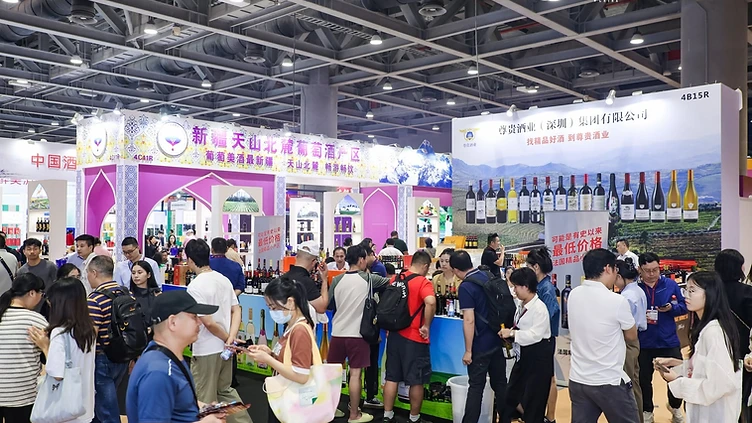
Entering mainland China requires navigating complex tier-based distribution channels. Exhibiting at Interwine, organized in Guangzhou at the China Import and Export Fair Pazhou Complex, places international producers directly at the center of the Pearl River Delta / Greater Bay Area—the economic engine of southern China. According to Interwine documentation (2025), over 60% of mainland China's imported wine trade infrastructure is concentrated in the Guangdong province.
Interwine is dedicated exclusively to alcoholic beverages, operating as a professional B2B platform that convenes licensed wine and spirits importers, provincial wholesalers, hospitality procurement directors, and regional off-premise retailers. Croatian producers can consult curated market insights to plan channel allocation, while leveraging Interwine's targeted business matching services. These programs pre-schedule commercial meetings between verified importers and exhibiting estates, eliminating the friction of cold prospecting in an unfamiliar regulatory environment.
Overcoming Boutique Production Challenges via Strategic Trade Events
Many Croatian family estates operate between 5 and 50 hectares, limiting total exportable allocations. Commercial directors often wonder whether Chinese market volume requirements make participation impractical. However, current Chinese retail trends explicitly favor smaller-scale differentiation:
- High Average Selling Prices (ASP): Importers catering to tier-one private client clubs, high-end Cantonese culinary dining, and corporate gifting do not look for industrial-scale supply; they require exclusivity, hand-harvested credentials, and protected territorial distribution.
- Collaborative Pavilion Representation: Croatian regional associations (such as Vinistra or regional chambers of commerce) can pool resources to display diverse appellations under a unified national banner, maximizing visibility while managing individual winery expenditure.
- Educational Masterclasses: Interwine organizes professional tasting forums, masterclasses, and sensory summits. Hosting a structured sommelier masterclass on indigenous Croatian grapes builds instant educational prestige among influential domestic distributors and educators.
Reviewing past participation within the exhibitor directory demonstrates how emerging European wine regions leverage specialized national pavilions to secure multi-province agency agreements without sacrificing margin.
Practical Market Entry: Tariffs, Compliance, and Next Steps
Executing a successful Chinese market launch requires careful regulatory foresight. Non-preferential EU imported wines operate under standard customs tariffs and local consumption taxes. As documented by MS Advisory (2025), China applies standard Most-Favoured-Nation (MFN) tariffs on imported bottled wines, requiring strict compliance with General Administration of Customs of China (GACC) producer registrations and localized back-labeling regulations.
To navigate these requirements effectively, Croatian wineries should:
- Secure GACC Facility Registration: Register production facilities via China’s single-window portal well in advance of shipping exhibition samples.
- Designate Clear FOB Terms and Sample Logistics: Utilize Interwine's official freight logistics partners for bonded sample clearance, temperature-controlled customs handling, and bilingual promotional display collateral.
- Prepare Multilingual Collateral: Ensure commercial fact sheets, technical wine sheets, and corporate presentations highlight specific vineyard altitudes, limestone soil profiles, international wine awards (Decanter, IWC), and precise pairing notes with modern Asian gastronomy.
Conclusion: Accelerate Your Asian Market Expansion
With domestic European consumption facing structural changes and Croatian domestic tourist consumption remaining seasonal, geographic export diversification is a necessary hedge for forward-looking wineries. China's expanding market—projected by MS Advisory (2025) to reach $10.7 billion by 2028—presents ideal conditions for Croatia's high-value, artisanal winemaking heritage.
Position your estate in front of mainland China’s most active wine purchasing network. Take decisive commercial action today to secure your booth placement, participate in curated commercial sessions, and become an exhibitor at the upcoming edition of Interwine.
Sources
- Total Croatia News (2024), Exported Croatian Wines 2.5 Times More Expensive Than Imported, https://total-croatia-news.com/news/croatian-wines-3/
- ResearchGate (2026), Croatian Wine Market, Support Policy and Specific Obstacles to Wine Exports, https://www.researchgate.net/publication/308487212_Croatian_Wine_Market_Support_Policy_and_Specific_Obstacles_to_Wine_Exports
- MS Advisory (2025), Wine Market in China: Trends, Growth, and Consumer Preferences, https://msadvisory.com/wine-market-in-china/
- Jane Anson (2025), Market Insights: Chinese Wine Industry in 2025, https://janeanson.com/market-insights-chinese-wine-industry-in-2025
- del Rey, R. & Mueller Loose, S. (2025), State of the International Wine Markets in 2024, Wine Economics and Policy, https://oaj.fupress.net/index.php/wep/article/view/17914
Key Takeaways
- —Croatian wines generate more than 2.5 to 2.8 times higher export value per unit than import values, making them an ideal match for China's premiumization trend.
- —China's wine market is projected to reach $10.7 billion by 2028, with younger urban consumers seeking unique indigenous grape varieties and artisanal provenance.
- —Guangdong province handles over 60% of China's imported wine infrastructure, positioning Interwine in Guangzhou as the prime hub for qualified South China buyer matching.
- —Boutique Croatian producers can leverage collective regional pavilions and educational masterclasses at Interwine to gain direct access to tier-one distributors without needing industrial volume.
- —Exhibiting wineries gain direct support with pre-scheduled business-matching meetings, mitigating market-entry risks and accelerating distribution agreements.
Frequently Asked Questions
Why is the Chinese market receptive to Croatian indigenous wine varieties?
Chinese wine consumers and sommeliers are actively diversifying away from mainstream international varieties, seeking authentic stories, indigenous grapes like Plavac Mali and Malvazija Istarska, and premium gastronomic versatility.
Can small-scale or boutique Croatian wineries succeed at Interwine?
Yes. Chinese buyers servicing high-end restaurants, private collectors, and specialty wine boutiques prefer small-batch exclusivity and distinctive terroir over mass-produced volume. Co-exhibiting in regional pavilions also optimizes costs.
What business matching services does Interwine offer to international wineries?
Interwine pre-screens and arranges targeted B2B meetings between exhibiting producers and verified mainland Chinese importers, distributors, and retail buyers aligned with the winery's specific price tier and product style.
What regulatory approvals are needed before shipping exhibition samples to China?
Foreign producers must secure production facility registration with the General Administration of Customs of China (GACC) and ensure sample bottles comply with Chinese customs declaration requirements and bilingual technical documentation.