What Chinese Buyers Need to Know About Canadian Wine
Discover what Chinese buyers need to know about Canadian wine: VQA standards, export volume data, British Columbia and Ontario terroirs, ice wine premium positioning, and compliance entry routes.
To successfully procure, position, and distribute Canadian wine in Mainland China, Chinese importers, distributors, and sommeliers need to understand three core pillars: strict authenticity standards via the Vintners Quality Alliance (VQA), the distinct regional terroirs of Ontario and British Columbia, and the strategic expansion of Canada's portfolio beyond luxury Icewine into cool-climate, premium table wines. According to The Observatory of Economic Complexity (OEC), Canada exported $77.2 million in wine globally in 2024, with China serving as its second-largest national export destination at $4.15 million. For Canadian wineries and regional export councils, understanding buyer expectations in China is essential to converting tastings into long-term distribution partnerships.
The Strategic Market Opportunity: Why Chinese Buyers Are Reassessing Canada
Historically, Chinese trade buyers recognized Canada almost exclusively for VQA Icewine—a high-margin dessert wine that became a fixture in luxury gift sets, corporate hospitality banquets, and high-end Cantonese dining. However, commercial dynamics across China's Tier 1 and Tier 2 cities have matured. Today’s urban Chinese consumer is shifting away from prestige gifting toward personalized consumption, light dining, and boutique cool-climate expressions.
While bilateral trade figures from The Observatory of Economic Complexity (OEC) show China taking $4.15 million of Canada's $77.2 million in 2024 wine exports, the Canadian domestic industry itself is massive. Wine Australia’s 2025 Market Bulletin citing IWSR data highlights that Canada’s internal wine market reached 44 million cases valued at US$5.6 billion in 2023—making it the second-most attractive wine market globally, sitting immediately below China in value and volume metrics. Because Canadian domestic demand has traditionally absorbed much of its boutique production, export volumes have historically been constrained.
For Chinese commercial buyers, this production profile creates an appealing commercial hook: high scarcity, authentic provenance, and low commercial saturation compared to heavily exported European or South American labels. Exploring Market Insights allows importers to recognize how cool-climate Pinot Noir, Chardonnay, Cabernet Franc, and Syrah from Canada provide valuable differentiation on premium restaurant lists and specialized e-commerce storefronts.
Quality Assurance: Decoding VQA for Chinese Importers and Regulators
One of the most critical elements what Chinese buyers need to know about Canadian wine is the Vintners Quality Alliance (VQA) regulatory framework. In China’s competitive imported wine market, anti-counterfeiting verification and clear provenance documentation are vital for both consumer trust and General Administration of Customs of China (GACC) customs clearance.
- 100% Origin Guarantee: A bottle carrying the VQA seal guarantees that 100% of the grapes used were grown in designated viticultural areas within Canada. Wineries cannot blend imported bulk wine into VQA-certified bottles.
- Brix and Ripeness Thresholds: VQA regulations mandate minimum natural sugar levels at harvest for every grape varietal, eliminating artificial chaptalization abuses in designated quality tiers.
- Strict Icewine Harvesting Standards: True Canadian Icewine must be naturally frozen on the vine and harvested at sustained temperatures of -8°C (17.6°F) or colder. Artificial freezing (cryoextraction) is legally prohibited under VQA law and cannot use the term "Icewine" (written as a single compound word).
Importers looking to list Canadian wines on domestic retail channels or digital platforms must communicate this quality seal. Highlighting VQA guarantees authenticity to Chinese corporate buyers who are sensitive to product integrity.
Terroir Focus: British Columbia vs. Ontario
Chinese procurement specialists evaluating Canadian portfolios must differentiate between the two primary producing provinces: Ontario and British Columbia. Each possesses distinct climate variables, microclimates, and stylistic strengths.
Ontario: The Bench and Niagara Peninsula
Ontario accounts for the largest share of Canadian wine production and historical exports. Located between 41° and 44° North latitude, Ontario's vineyards benefit from the moderating influences of Lake Ontario and Lake Erie, along with the protective limestone ridge of the Niagara Escarpment.
- Primary Strengths: World-class Vidal and Riesling Icewines, alongside crisp, mineral-driven dry Chardonnays, cool-climate Pinot Noirs, and savory, structured Cabernet Francs.
- Commercial Placement: Ontario dry table wines provide sommeliers in Shanghai, Beijing, and Shenzhen with an alternative to Burgundy and the Loire Valley, pairing naturally with delicate regional cuisines like Huaiyang and Shanghainese cuisine.
British Columbia: The Okanagan Valley
British Columbia’s Okanagan Valley represents a distinctive semi-arid, rain-shadow growing environment. Located further north (approaching 50°N), the region receives remarkable summer sunshine hours combined with cold nights, creating dramatic diurnal temperature swings.
- Primary Strengths: Intense, aromatic white wines (Pinot Gris, Gewürztraminer) and surprisingly bold, structured red varietals, including Syrah, Merlot, and Bordeaux-style blends.
- Commercial Placement: British Columbia reds appeal to northern Chinese palates accustomed to full-bodied reds, but with elevated natural acidity and moderate alcohol (typically 13%–14% ABV), aligning with the dining preferences of younger urban drinkers.
Navigating Regulatory Compliance and GACC Import Protocols
Before executing transactions, Chinese importers must verify compliance against Chinese regulatory standards. Wineries and exporters planning to engage buyers should prepare their operational and customs documentation well in advance:
- GACC Decree 248/249 Registration: Canadian wine production facilities must be fully registered in the Single Window system administered by China Customs. Shipments lacking valid establishment registrations face immediate customs quarantine or rejection at Chinese ports.
- GB 2758 and GB 7718 Label Compliance: Chinese-compliant back labels must accurately state the country of origin, alcoholic strength, production date, shelf-life (if applicable), net content, warnings against underage drinking, and exact additive disclosures (such as sulfur dioxide/sulfites).
- Laboratory Testing Documentation: Chinese customs authorities require official testing reports (Certificate of Analysis) validating parameters including total sulfur dioxide, volatile acidity, copper, iron, and heavy metal thresholds.
To bridge the gap between export readiness and actual trade, winemakers should leverage Business Matching meetings to connect directly with accredited customs brokers and tier-one importers who routinely handle North American alcoholic beverage clearances.
Route to Market: Overcoming Pricing and Portfolio Perceptions
Canadian wine is an artisanal, cool-climate product with relatively high production costs driven by labor, small-scale farming, and climate management. As a result, Canadian wines cannot compete in the ultra-low-cost, entry-level commercial volume tiers dominated by bulk imports.
Exporters must educate Chinese buyers on a balanced portfolio strategy:
| Product Category | Target Positioning in China | Primary Consumer Channel | | :--- | :--- | :--- | | VQA Icewine (Vidal / Riesling) | Ultra-premium gift sets; corporate hospitality banquets | Specialized boutique retailers, private enterprise gifting, 5-star hotels | | Single-Vineyard Chardonnay & Pinot Noir | Western fine dining; boutique bistros; natural wine bars | On-premise Tier 1 wine lists, boutique distributors | | Cabernet Franc & Okanagan Red Blends | Premium retail; discerning millennial collectors | E-commerce VIP clubs, mid-tier private dining clubs |
Rather than competing head-to-head with mass-market imports, Canadian producers succeed when they target niche luxury tiers where Chinese sommeliers and high-net-worth consumers actively seek authentic provenance and cool-climate elegance.
Strategic Next Steps for Canadian Exporters
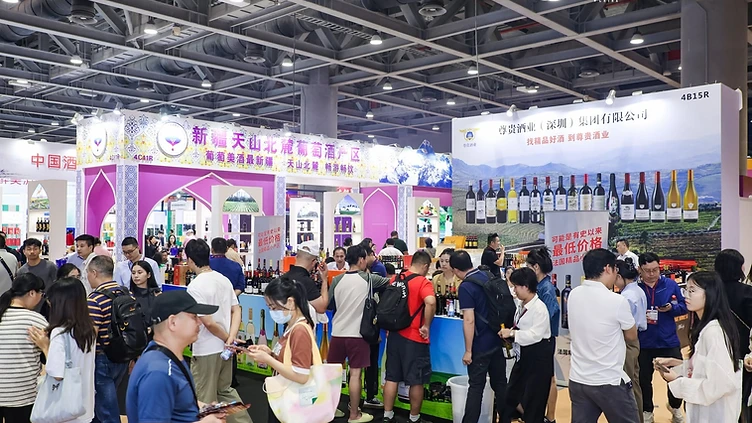
Establishing a presence in China’s imported wine landscape requires face-to-face commercial engagement, verified distributor meetings, and sustained trade education. Canadian trade associations and independent producers looking to establish or expand their Chinese distribution network should Become an Exhibitor at upcoming editions of Interwine, China's premier international wine exhibition.
By securing targeted exhibition presence, Canadian producers can bypass redundant distributor intermediaries, engage pre-qualified wine buyers, and conduct masterclasses that directly demonstrate the value, quality, and aging potential of Canadian cool-climate wines to the Chinese market.
Sources
- The Observatory of Economic Complexity (OEC) - Canada Wine Bilateral Trade Profile
- Wine Australia Market Bulletin: Four fundamental things to know about the Canadian wine market in 2025
- Wine Institute Export Factsheet: U.S. and Canadian Wine Trade Dynamics
Key Takeaways
- —Canada exported $77.2 million in wine globally in 2024, with China standing as its second-largest export market valued at $4.15 million.
- —The VQA seal guarantees 100% single-origin Canadian grapes and prohibits artificial freezing in authentic Icewine production.
- —Ontario leads in cool-climate Chardonnay, Pinot Noir, and Vidal Icewine, while British Columbia's Okanagan Valley offers distinct Syrah and Bordeaux blends.
- —Canadian table wines serve an emerging premium niche in China's Tier 1 and Tier 2 cities, moving beyond reliance on luxury gift-driven Icewine.
- —Producers entering China must ensure full compliance with GACC Decree 248/249 facility registration and GB 2758 labeling standards.
Frequently Asked Questions
What is the primary indicator of authenticity for Canadian wine in China?
The Vintners Quality Alliance (VQA) certification is the primary standard. It guarantees that 100% of the grapes were grown in designated Canadian viticultural regions and adhere to strict ripeness, production, and anti-adulteration rules.
How large was Canadian wine export trade to China in 2024?
According to trade data from The Observatory of Economic Complexity (OEC), Canada exported $77.2 million in wine globally in 2024, with China receiving $4.15 million, making it Canada's second-largest national export destination behind the United States.
Can Canadian dry table wines compete with established European brands in China?
Yes, particularly in premium dining channels. Canadian cool-climate Chardonnay, Pinot Noir, and Cabernet Franc appeal to sommeliers and younger urban consumers seeking fresh, lower-alcohol, food-friendly wines distinct from mass-market imports.
What Chinese regulatory registrations are required to import Canadian wine?
Canadian wineries must register with the General Administration of Customs of China (GACC) under Decrees 248 and 249 via China's Single Window platform, accompanied by GB 2758-compliant Chinese back labels and valid certificates of analysis.
How does Canadian Icewine differ legally from cheap dessert wines sold in China?
Under strict VQA laws, authentic Canadian Icewine must be naturally frozen on the vine at temperatures of -8°C or colder and harvested while frozen. The use of artificial freezer methods (cryoextraction) or added sugar is strictly prohibited.