Why Canadian Wineries Should Exhibit at Interwine
Discover why Canadian wineries should exhibit at Interwine China to diversify export channels, capitalize on premium icewine and cool-climate table wine demand, and secure direct commercial distribution across southern China.
Canadian wine producers navigate an increasingly concentrated export landscape. According to bilateral trade statistics compiled by the Observatory of Economic Complexity (OEC), Canada exported a total of $77.2 million in wine in 2024. Of that total, the United States accounted for $68 million, while mainland China represented the second-largest global destination at $4.15 million. While the North American corridor remains geographically accessible, relying on a single dominant foreign buyer exposes producers to volatile cross-border regulatory shifts, state-by-state listing bottlenecks, and retaliatory trade actions.
For estates in the Okanagan Valley, Niagara Peninsula, and Prince Edward County, entering or expanding into China represents the most commercially sound diversification path. At the heart of China’s alcoholic beverage trade is Guangdong province, which serves as the logistical and commercial gateway for over 60% of all bottled wine imported into the country. To access this buyer concentration directly, estates require a dedicated B2B trade platform rather than consumer-facing events. Exploring this route starts when producers decide to become an exhibitor at Interwine China in Guangzhou.
The Commercial Case for Canadian Wine in Mainland China
China's alcoholic beverage sector has shifted into a mature phase driven by selective consumption, corporate gifting, and fine-dining discovery. Market intelligence published by MSA Asia in 2024 indicates that while overall volume imports have rationalized across the country, consumer engagement in higher-tier cities remains intensely focused on premiumization, product education, and niche culinary pairings.
Canadian wineries hold an uncontested product advantage in this ecosystem: Canadian VQA Icewine. For decades, authentic Canadian Vidal and Riesling icewines have commanded premium price points in tier-1 Asian markets. However, commercial opportunities in China now extend well beyond dessert wines. Urban trade buyers, high-end sommeliers, and private club procurement managers actively seek low-intervention, cool-climate table wines. Distinctive Canadian Cabernet Franc, cool-climate Chardonnay, Pinot Noir, and Gamay provide on-premise venues with a high-margin alternative to conventional Old World and southern hemisphere offerings.
Participating as an exhibitor allows Canadian vintners to transition from ad-hoc transshipments to structured commercial contracts across multiple regions.
Why Interwine Provides Strategic Access to the Chinese Market
Founded in 2005, Interwine China (China International Wine & Spirits Exhibition) is China's longest-running and largest specialized B2B wine trade exhibition, as documented by Interwine Official Documentation. Held bi-annually in Guangzhou—at premier venues including the China Import and Export Fair (Canton Fair) Complex and Poly World Trade Expo Center—the exhibition anchors international vintners directly in the economic engine of the Greater Bay Area.
Accessing the Guangdong Logistics and Distribution Gateway
Guangdong province boasts an economic population exceeding 110 million residents and forms the direct physical link between Hong Kong, Macau, and mainland distribution hubs. Over 60% of mainland China's professional wine import and distribution businesses maintain operational headquarters within this province. Exhibiting at Interwine places Canadian estates directly in front of regional stockists who possess bonded warehousing infrastructure, customs clearance channels, and distribution routes stretching into tier-2 and tier-3 inland cities.
Qualified B2B Buyer Sourcing and Matchmaking
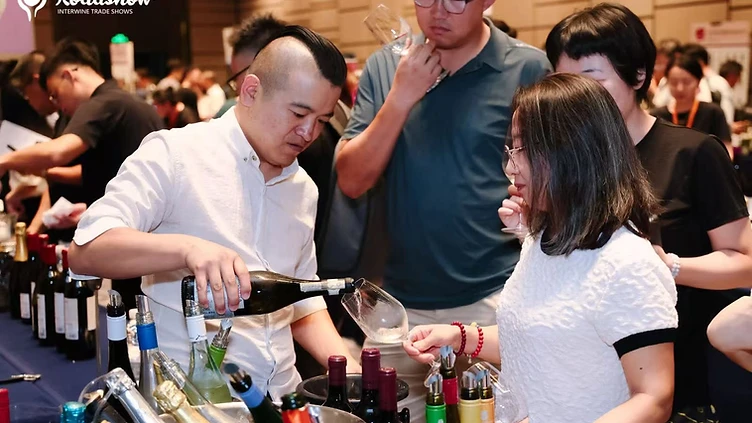
Unlike general consumer food expos, Interwine enforces a verified trade-visitor protocol. Trade editions draw more than 50,000 professional buyers, enterprise procurement officers, hotel group beverage managers, and independent regional distributors across three days. Through curated business matching services, overseas wineries conduct targeted, prescheduled meetings with vetted distributors who possess active import licenses, cold-chain transport capability, and established wholesale pipelines.
Producers seeking additional sector performance indicators can review ongoing updates via market insights before committing allocation.
Overcoming China Market Entry Barriers for Canadian Exporters
Exporting wine into mainland China requires clear-eyed navigation of non-tariff barriers, technical packaging specifications, and distributor verification. Approaching the market via Interwine mitigates these transactional risks through institutional support:
- GB Standard Labeling and Customs Clearance: Mainland China enforces strict national food safety standards (GB Standards) covering additive thresholds, sulfur dioxide limits, and Chinese back-label typography. Interwine works in close proximity with licensed customs clearing brokers and logistics coordinators who routinely handle temporary exhibition shipments and commercial container imports.
- Counterfeiting and Brand Protection: Premium Canadian icewines frequently encounter intellectual property friction from counterfeit domestic bottlings. Exhibiting under an official national pavilion allows wineries to register their brands with regional trade bodies and display the genuine VQA designation directly before verified importers.
- Distributor Due Diligence: International sales directors frequently struggle to assess buyer legitimacy via remote correspondence. Conducting physical tastings at Interwine enables principals to evaluate an importer’s sales reach, warehousing sophistication, and existing portfolio alignment face to face.
Canadian commercial teams planning their itinerary can examine the public exhibitor directory to review past pavilion formats and parallel regional groupings.
Maximizing ROI: A Practical Playbook for Canadian Exhibitors
To translate square footage into sustained depletions, Canadian commercial teams must plan with operational rigor across three distinct phases:
1. Pre-Fair Preparation (3 to 6 Months Out)
- Targeted Assortment Selection: Structure a balanced booth presentation. Feature VQA icewine as the brand prestige driver alongside 2–3 flagship cool-climate table wines (such as single-vineyard Pinot Noir or oak-aged Chardonnay) tailored to Cantonese gastronomy.
- Bilingual Collateral and Packaging: Ensure technical sheets, tasting notes, and price lists clearly reflect ex-works (EXW) and free-on-board (FOB) pricing in USD or CAD, alongside integrated WeChat QR codes and Chinese-language estate profiles.
- Regulatory Logistics: Despatch exhibition samples through certified logistics handlers early to avoid bonded customs clearance delays in Guangzhou.
2. On-Site Commercial Execution
- Structured Masterclasses: Partner with Interwine to host specialized masterclasses that educate certified sommeliers and distributors on Canada’s unique sub-appellations, such as the Bench sub-appellations of Niagara or the desert terroir of the South Okanagan.
- Active Matchmaking: Utilize on-site meeting spaces to conclude distributor vetting sessions rather than relying solely on casual walk-up foot traffic.
3. Post-Fair Follow-Through and Commercial Activation
- Immediate Pipeline Follow-Up: Chinese commercial communications move rapidly via enterprise WeChat and direct channel calls. Immediate follow-up within 72 hours of fair closure is essential to retain buyer momentum.
- Regional Roadshow Integration: Interwine conducts dedicated buyer roadshows across 40+ secondary Chinese cities throughout the calendar year, enabling wineries to extend their reach into burgeoning commercial centers like Chengdu, Wuhan, and Changsha without mounting standalone trade tours.
Conclusion: Secure Your Commercial Presence at Interwine
Expanding beyond North American domestic sales is essential for the long-term revenue stability of Canadian wineries. With mainland China maintaining steady demand for authenticated, cool-climate fine wines and premium icewine, establishing direct importer agreements in Guangzhou offers an effective growth path. Interwine China delivers the professional infrastructure, verified trade attendance, and logistics platform necessary to turn export ambitions into signed distribution agreements.
Secure your estate's presence in the world's most dynamic imported beverage gateway—apply now to become an exhibitor at the upcoming edition of Interwine.
Sources
- Observatory of Economic Complexity (OEC): Wine in Canada Bilateral Product Profile (2024 Trade Data), https://oec.world/en/profile/bilateral-product/wine/reporter/can
- Interwine Official Portal: China’s Professional B2B Wine Fair Overview and Statistics, http://www.interwine.org/en
- MSA Asia Advisory: Wine Market in China: Trends, Growth, and Consumer Preferences (2024), https://msadvisory.com/wine-market-in-china
- Beverage Trade Network: China Wine Competition Partners With Interwine China Market Report, https://beveragetradenetwork.com/en/events/wine-77/china-wine-competition-partners-with-interwine-china-1727.htm
- Wine Australia: Market Bulletin Issue 334: Canadian Wine Market Dynamics and Import Trends (2025), https://www.wineaustralia.com/news/market-bulletin/issue-334
Key Takeaways
- —Mainland China represents Canada's second-largest direct wine export market globally, absorbing over $4.15M in shipments according to 2024 OEC trade data.
- —Over 60% of mainland China's total imported wine volume is handled through importers and distributors located in Guangdong province.
- —While authentic VQA icewine retains dominant premium recognition, Chinese buyers are actively seeking cool-climate Canadian Chardonnay, Pinot Noir, and Cabernet Franc.
- —Exhibiting at Interwine Guangzhou provides direct access to 50,000+ vetted B2B professionals, enterprise buyers, and licensed importers across the Greater Bay Area.
- —Direct exhibition participation eliminates intermediary markups, resolves GB standard labeling queries, and protects intellectual property against unauthorized brand usage.
Frequently Asked Questions
Why is Guangdong province the ideal entry point for Canadian wine in China?
Guangdong province represents the commercial hub of southern China and houses over 60% of all wine importers and distributors operating on the mainland. Its proximity to Hong Kong, paired with extensive bonded warehouse infrastructure and high regional disposable income, makes it the primary distribution center for international wines.
Does Chinese market demand extend beyond Canadian icewine?
Yes. While VQA Icewine continues to hold strong gift and luxury appeal, urban sommeliers and premium independent distributors in tier-1 and tier-2 cities are increasingly purchasing cool-climate Canadian dry reds and whites, including Pinot Noir, Cabernet Franc, and Chardonnay.
What assistance does Interwine provide with customs and compliance?
Interwine works closely with licensed freight forwarders and customs brokers specialized in alcoholic beverages to assist international exhibitors with shipping sample stock, managing temporary import permits, and meeting China's national GB labeling requirements.
How do Canadian wineries connect with verified buyers at the show?
Interwine organizes formal B2B business matching sessions that preschedule private meetings between exhibitors and pre-qualified Chinese distributors, corporate buyers, and luxury hotel beverage managers based on specific regional distribution profiles.