
How Uruguayan Wineries Can Find Importers in China
A commercial roadmap for Uruguayan wineries and export associations seeking qualified wine importers in mainland China, covering market positioning, Tannat differentiation, regulatory compliance, and B2B trade show strategies.
Uruguayan wineries can find qualified wine importers in mainland China by targeting specialized boutique distributors, participating in dedicated B2B trade platforms, aligning portfolio narratives around Tannat and cool-climate Atlantic varieties, and ensuring strict General Administration of Customs of China (GACC) compliance.
While mainstream bulk wine markets face intense margin pressure, China's imported wine sector is undergoing a structural premiumization. According to trade data from BestWineImporters (2025), China imported approximately 154 million liters of wine between January and July 2025, reflecting a 33% year-on-year contraction in overall volume, yet the average import price jumped by 38%. This shift toward higher-value, niche, and story-driven wines creates an opportune entry window for Uruguay, whose national production model relies on family-owned estates, sustainable viticulture, and premium terroirs rather than high-volume price competition.
Assessing the Market: Uruguay’s Commercial Positioning in Mainland China
For Uruguayan wine producers and export bodies such as Uruguay XXI and INAVI, competing directly with high-volume producers from Chile, Australia, or Spain on standard commercial pricing is neither feasible nor profitable. According to economic complexity data compiled by the Observatory of Economic Complexity (OEC) (2025), China imported $1.42 billion worth of wine in 2025, maintaining its position among high-priority consumer goods.
Uruguay's competitive advantage lies in differentiation:
- The Flagship Varietal Advantage: Tannat serves as a memorable calling card. In a market where Chinese wine trade professionals are already familiar with Cabernet Sauvignon and Shiraz, Tannat offers an authentic, polyphenol-rich, and structured alternative that pairs well with rich Chinese culinary traditions.
- Atlantic Terroir & Diversity: Importers in Tier 1 and coastal Tier 2 cities seek fresh narratives. Beyond Tannat, Uruguayan Albariño, Pinot Noir, and Cabernet Franc appeal directly to the expanding community of WSET-certified sommeliers and boutique retail buyers.
- Sustainability & Small-Scale Authenticity: Chinese luxury and upper-middle-class consumers increasingly prioritize artisanal production and environmental provenance over generic industrial labels.
To understand the broader landscape of trade demands and regional purchasing patterns, wine estates can monitor ongoing Market Insights to calibrate their export strategy before committing commercial capital.
Identifying the Right Chinese Wine Importer Archetypes
Not every importer in China is equipped to sell Uruguayan wine. Wineries must carefully target distributors whose commercial model aligns with medium-to-premium positioning.
1. Regional Independent & Boutique Importers
These distributors typically handle smaller container loads, focus on premium on-premise (HoReCa) distribution, and sell to private collectors and independent wine bars. They represent the best match for Uruguayan estates producing between 20,000 and 200,000 bottles annually.
2. Specialized Fine Wine & E-Commerce Merchants
Operators focusing on platforms such as WeChat Mini-Programs, Douyin boutique wine channels, and vertical wine clubs need distinctive, exclusive stories that cannot be price-checked against supermarket shelves. Uruguayan wineries can offer exclusive regional distribution or single-estate allocations that preserve retailer margins.
3. State-Backed or Large National Distributors
While major national players move high volumes, they often require steep promotional support, long credit terms, and massive production capacities that can strain family-owned wineries. Partnering with these entities is generally suitable only when backing national pavilion initiatives through trade associations.
Regulatory Prerequisites: GACC and Labeling Compliance
Securing an importer requires that your winery is legally prepared to execute shipments. Bottling and regulatory compliance cannot be treated as an afterthought.
- GACC Decree 248/249 Registration: Every overseas wine production, processing, and storage facility must be officially registered with the General Administration of Customs of China (GACC) via the Single Window platform before shipping. Shipments lacking a verified 18-digit registration number will be rejected at the port of entry.
- Chinese Back-Label Regulations (GB 7718 & GB 2758): Chinese food safety standards require compliant Chinese-language back labels detailing the product type, ingredients (including sulfur dioxide declarations), alcohol content, production date, net volume, country of origin, and the mainland importer’s legal name and contact details.
- Trademark Registration with CNIPA: China operates on a "first-to-file" intellectual property regime. Wineries must register their brand names—in both original Latin script and Chinese phonetic/semantic transliteration—with the China National Intellectual Property Administration (CNIPA) before sending commercial samples or launching negotiations.
Direct Sourcing Channels: How to Reach Active Buyers
Cold email campaigns yield negligible response rates in China, where commercial relationships rely heavily on verified introductions, interpersonal credibility (guanxi), and face-to-face sensory evaluation.
[Boutique Uruguayan Estate]
           │
           ▼
[Direct Sensory Engagement]
   ├─ On-Site B2B Expos (Interwine Trade Show)
   ├─ Dedicated Masterclasses (Tannat / Atlantic Terroir)
   └─ Pre-Arranged Business Matching
           │
           ▼
[Vetted Regional Importer / Distributor]
           │
           ▼
[China HoReCa & Specialist Retail Distribution]
1. In-Person Trade Exhibitions and National Pavilions
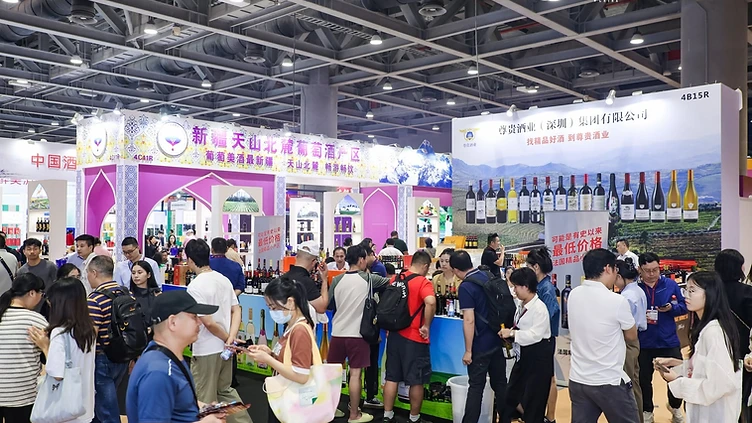
Physical wine trade fairs remain the primary venue where Chinese importers, regional wholesalers, and corporate buyers evaluate new vintages. Engaging in structured B2B exhibitions allows estates to present their wines directly to commercial gatekeepers. Producers preparing an entry campaign should review requirements to Become an Exhibitor at major professional showcases.
2. Structured B2B Business Matching
Navigating vast exhibition floors without prior appointments can dilute marketing budgets. Utilizing pre-screened Business Matching services connects producers directly with importers who have pre-qualified purchase intent for South American or boutique wines.
3. Masterclasses and Educational Tastings
Because Uruguay is an emerging origin for many inland Chinese buyers, educational masterclasses led by credible local educators or sommeliers dramatically increase commercial conversion. Conducting guided tastings at regional roadshows and industry Events establishes immediate category authority.
Practical Framework for Uruguayan Wineries
To maximize the commercial return on investment, producers should execute entry systematically:
- Audit Production Capacity: Determine how many 9-liter cases can be dedicated annually to mainland China without compromising existing markets.
- Secure China IP Assets: File CNIPA trademark applications early to protect brand equity.
- Prepare Digital Collateral: Standard Western websites are often inaccessible behind China’s firewall. Translate one-pagers, tasting notes, and winery videos into simplified Chinese, optimized for display via WeChat PDF or HTML5 presentations.
- Offer Flexible Commercial Terms: Consider mixed-pallet shipments or consolidation through regional bonded warehouses (e.g., in Shenzhen, Guangzhou, or Ningbo) to lower minimum order hurdles for cautious initial buyers.
Conclusion
China’s shifting imported wine landscape favors character, quality, and distinctive terroir over commoditized bulk production. For Uruguayan wine producers, finding the right Chinese importer requires clear positioning anchored by Tannat, complete regulatory readiness, and disciplined on-the-ground engagement through professional trade platforms.
Sources
- BestWineImporters: Wine Import Trends and Wine Importers in China (2025)
- Observatory of Economic Complexity (OEC): Wine in China Trade Profile (2025)
- Journal of Wine Economics: What's Happened to the Wine Market in China? (Kym Anderson, 2023)
Key Takeaways
- —Target boutique and regional importers rather than high-volume national distributors, aligning with Uruguay's estate-driven production scale.
- —Capitalize on China's market premiumization, where lower volume import trends are counterbalanced by higher average bottle prices.
- —Lead marketing narratives with Tannat's distinct profile, complemented by cool-climate Atlantic varieties like Albariño and Cabernet Franc.
- —Ensure strict regulatory compliance, including GACC overseas manufacturer registration, CNIPA trademark filing, and national GB label standards.
- —Prioritize in-person sensory evaluations, masterclasses, and verified B2B trade show matching over unverified digital outreach.
Frequently Asked Questions
Why is Tannat appealing to Chinese wine importers?
Tannat provides a distinct alternative to standard Cabernet Sauvignon and Merlot offerings. Its deep color, high polyphenol structure, and aging potential fit the commercial demand for premium, full-bodied reds that pair naturally with rich Chinese gastronomic styles.
What registrations are required before exporting Uruguayan wine to China?
Wineries must complete overseas manufacturer registration with the General Administration of Customs of China (GACC) under Decrees 248/249, comply with GB 7718 back-labeling standards, and obtain trademark registration with the CNIPA.
Should Uruguayan wineries target Tier 1 or Tier 2/3 cities in China?
While Tier 1 hubs like Shanghai, Guangzhou, and Shenzhen offer sophisticated wine-drinking populations and established boutique importers, emerging Tier 2 regional capitals often provide less saturated shelf space and higher distributor loyalty for exclusive South American terroirs.
How can small Uruguayan estates manage shipping logistics for Chinese buyers?
Small wineries can facilitate trials by offering consolidated pallet shipping through bonded warehouses in major Chinese logistics hubs, reducing upfront working capital barriers for regional distributors.