Rum Distribution Opportunities in the Chinese Market

Discover rum distribution opportunities in the Chinese market. Explore market sizing, GACC compliance, tier-city route-to-market strategies, and B2B trade channels.
For international rum distilleries and spirits brand owners, establishing a commercially viable footprint in China requires navigating a pronounced structural transition. The category is shifting away from generic low-cost mixing spirit volumes toward premium sipping rums, artisanal agricole profiles, and cocktail-led on-premise placements. To successfully access rum distribution opportunities in the chinese market, brand owners must align compliant import documentation, select localized distribution partners across Tier-1 and emerging Tier-2 hubs, and activate targeted B2B trade channels.
According to an analysis by IndexBox (2026), mainland China accounts for approximately 27% of global rum consumption volume, driven substantially by industrial blending, culinary applications, and baseline commercial spirit usage. However, commercial value generation is pivoting toward premiumisation. Research published by Future Market Insights (2026) projects the Chinese rum sector to grow at a Compound Annual Growth Rate (CAGR) of 4.7% through the forecast period, with offline retail and specialized trade accounting for 75% of sales distribution. For overseas distillers, the strategic imperative is clear: capture distributor attention by demonstrating commercial compliance, distinct category education, and scalable route-to-market execution.
China Rum Market Sizing and Premiumisation Dynamics
The historical landscape of rum in China was long characterized by high-volume commercial whites and industrial molasses-based spirits imported at low duty thresholds. Customs and commercial tracking from IndexBox (2026) indicated that while Chinese import prices peaked historically at $3.6 per liter in 2021 before experiencing price recalibration through 2024, the broader Asia-Pacific rum market is experiencing sustained value growth, projected by Research and Markets (2026) to expand at a 6.81% CAGR through 2031.
This dynamic reflects a maturing consumer base. Younger, urban Chinese consumers in Tier-1 cities—primarily Shanghai, Shenzhen, Guangzhou, and Beijing—are migrating away from traditional baijiu-dominated banqueting toward Western spirits. While scotch and single malts captured early market share, the modern Chinese spirits consumer is displaying palate diversification. Artisanal dark rums, single-cask releases, cask-finished rums (such as sherry or ex-bourbon maturation), and premium white rums for craft mixology represent high-margin niches. Brand owners must present distributors with portfolios segmented by commercial channel: entry-to-mid tier white and spiced rums destined for high-volume cocktail bars, paired with ultra-premium aged expressions for boutique off-premise retailers and private corporate clients.
To review broader macro trends influencing alcoholic beverage trade across the mainland, examine our Market Insights report.
Regulatory and Compliance Framework: GACC Registration and GB Standards
Commercial access to China’s spirits distribution pipeline requires strict adherence to import food safety protocols administered by the General Administration of Customs of China (GACC). Non-compliance at port of entry risks consignment rejection, customs impoundment, or forced re-export.
1. GACC Decree 248 and Decree 249 Compliance
All overseas spirits production facilities, rectifiers, and bottling plants must secure active registration under GACC Decree 248 via the official China Import Food Enterprise Registration platform. The overseas manufacturer registration code assigned by GACC must appear on both exterior shipping cartons and primary retail packaging.
2. National Food Safety Standard (GB Standards)
Imported rums must comply with China's National Food Safety Standard for Distilled Spirits (GB 2757-2012) and general labeling directives under GB 7718. Distillers must ensure:
- Absolute methanol concentrations do not breach national safety limits (strictly capped under GB 2757 at 2.0 g/L of 100% alcohol volume).
- Heavy metals (lead, arsenic) and potential chemical residues meet mandatory safety tolerances.
- Added sugar, flavorings, or coloring agents (such as caramel color E150a) are explicitly documented and permissible under Chinese additive standards (GB 2760).
3. Chinese Back-Label Legal Requirements
Labels applied before customs clearance must be rendered in simplified Chinese, specifying the exact product name, alcoholic strength (% ABV), country of origin, importer/distributor contact details, net volume, ingredient list (e.g., water, sugar cane distillate, caramel color), bottling date, and mandatory health warnings. Distillers who fail to pre-approve back-label translations with experienced customs clearing agents frequently face border delays.
Commercial Route-to-Market: Structuring Distribution Tiers
Navigating mainland China’s vast geography requires choosing between national distribution agreements and regional sub-distribution networks. Because China is not a monolithic retail market, experienced spirit producers rarely assign broad exclusive national rights to a single distributor unless that partner commands verifiable national sales execution.
| Distribution Model | Primary Channel Focus | Commercial Margin Requirements | Risk Profile | Best Suited For | | :--- | :--- | :--- | :--- | :--- | | National Master Importer | Broad wholesale, nationwide sub-distributor network | High (Distributor margin: 25%–35%) | Dependent on single entity performance | High-volume industrial or global commercial rum brands | | Regional Tier-1 Specialists | High-end on-premise (bars, clubs), boutique retail | Moderate (Margin: 20%–28%) | Low credit risk, fragmented oversight | Premium craft, aged sipping rums, single-estate rums | | Cross-Border E-Commerce (CBEC) | Direct-to-consumer (Tmall Global, JD Worldwide) | Low intermediary margin; higher digital ad spend | Highly competitive, price-sensitive | Established online brands testing SKUs without standard GACC label registration | | Hybrid Hybrid Regional/Trade | Mixed on-premise cocktail venues + specialized off-premise | Balanced (Margin: 22%–30%) | Moderate; requires direct field support | Distilleries seeking long-term, scalable brand equity |
For most emerging and premium rum labels, partnering with regional specialists focused on southern China (Guangdong, Fujian) and eastern metropolitan centers (Shanghai, Zhejiang, Jiangsu) provides the fastest route to high-margin on-premise listings. Southern provinces possess established tropical climate spirits consumption, substantial trade infrastructure, and high beverage disposable income.
Producers seeking pre-vetted buyer networks and regional trade connections can leverage direct commercial matchmaking through Business Matching.
On-Premise Mixology vs. Retail E-Commerce Dynamics
Activating rum sales in China requires a dual-track channel commercialization strategy that accounts for how Chinese spirits drinkers encounter imported brands.
The On-Premise Cocktail Engine
China’s Tier-1 and New Tier-1 cities (such as Chengdu, Hangzhou, and Wuhan) have experienced an expansion of specialty cocktail lounges, speakeasies, and hotel bars. In these venues, bartenders and beverage managers serve as key gatekeepers. White rum, dark rum, and spiced variants dominate standard classic cocktail menus (Mojitos, Daiquiris, Mai Tais). However, distributors require supplier marketing support to secure cocktail menu placement, including masterclasses, signature cocktail development, and bar staff educational allowances.
E-Commerce and Digital Retail Integration
While Future Market Insights (2026) highlights that offline channels represent 75% of rum market sales volume, online platforms drive brand discovery and consumer validation. Brands must maintain verified flagship storefronts on platforms like Tmall, JD.com, or social commerce channels like Douyin and Xiaohongshu (RED). Even if final transactions occur offline in restaurants or retail liquor boutiques, Chinese consumers inspect official digital accounts to authenticate imports, evaluate tasting profiles, and verify pricing.
Brand managers interested in identifying prospective importers and examining market entry showcases can consult the Exhibitor Directory.
Strategic Brand Positioning: Overcoming Market Obstacles
To establish defensible market share against dominant brown spirits categories like Scotch and Cognac, overseas rum distillers must resolve three primary commercial obstacles:
- Overcoming Category Misconceptions: Many regional Chinese distributors traditionally view rum merely as a low-margin cocktail modifier rather than a premium sipping spirit. Distillers must actively demonstrate the artisanal complexity of aged expressions through maturation transparency, solera system education, and comparisons against premium single malts.
- Intellectual Property (IP) Protection: China operates strictly under a "first-to-file" trademark system. Distilleries must register both their international Latin-script trademark and a phonetically appropriate, culturally vetted simplified Chinese trademark before initiating distributor discussions. Failure to do so risks trademark hijacking.
- Trade Relationship Building ("Guanxi"): Distribution contracts in China rarely succeed solely on paper pricing. Commercial longevity depends on establishing trust, personal engagement, and mutual commercial alignment with distribution executives.
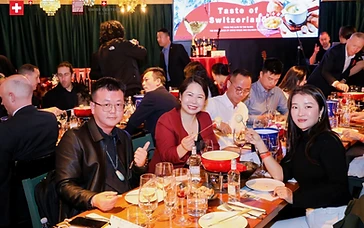
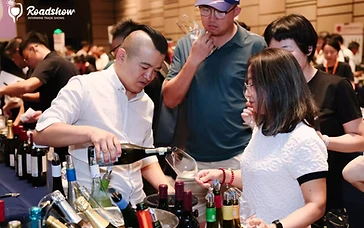
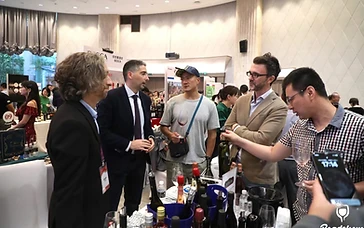
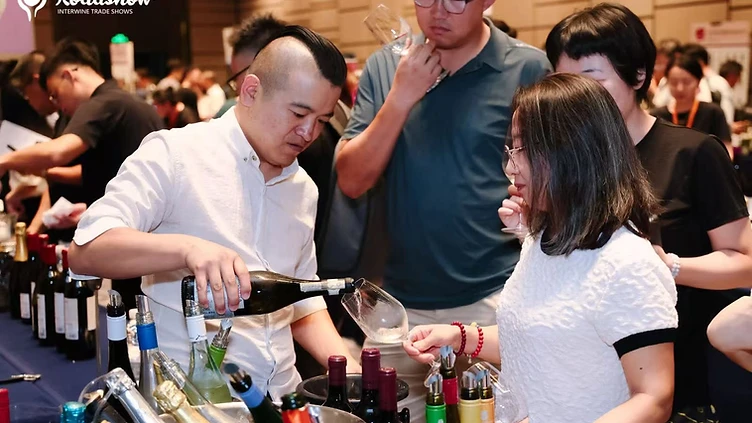
For international spirit distilleries, craft rum houses, and export consortia seeking immediate, direct contact with verified Chinese importers, regional wholesalers, and beverage directors, physical participation at dedicated trade venues remains the definitive industry standard. Connect with pre-qualified buyers and secure your commercial footprint across mainland China by applying to Become an Exhibitor at INTERWINE.
Sources
- IndexBox. (2026). China's Rum Market Report 2026 - Prices, Size, Forecast, and Companies. https://www.indexbox.io/store/china-rum-market-analysis-forecast-size-trends-and-insights/
- Future Market Insights. (2026). Rum Market: Demand Outlook for Rum Market in China. https://www.futuremarketinsights.com/reports/rum-market
- Research and Markets. (2026). Asia-Pacific Rum Market Outlook, 2031. https://www.researchandmarkets.com/report/asia-pacific-rum-market
- Grand View Research. (2026). Rum Market Size, Share And Growth Report, 2026-2033. https://www.grandviewresearch.com/industry-analysis/rum-market-report
Key Takeaways
- —China represents roughly 27% of global rum consumption volume, with demand evolving rapidly toward high-value, premium, and aged sipping rums (IndexBox, 2026).
- —Offline retail and specialized trade account for 75% of sales distribution, with market value expanding at a projected 4.7% CAGR (Future Market Insights, 2026).
- —Full regulatory compliance requires facility registration under GACC Decree 248 and strict adherence to GB 2757-2012 distilled spirit safety standards.
- —Regional distribution models targeting southern and eastern Tier-1/New Tier-1 hubs deliver superior margins compared to blanket national exclusive agreements.
- —B2B exhibition and face-to-face masterclasses are critical to educate commercial buyers and shift rum's perception from a commodity mixer to a premium spirit category.
Frequently Asked Questions
What regulatory approvals are mandatory to export rum to mainland China?
Distillers must secure manufacturing facility registration under GACC Decree 248, ensure products comply with the GB 2757-2012 safety standard for distilled spirits (including methanol and heavy metal limits), and adhere to GB 7718 pre-packaged food labeling directives with compliant simplified Chinese back labels.
Which regions in China offer the strongest demand for imported rum?
Tier-1 and coastal metropolitan centers—notably Shanghai, Guangdong province (Guangzhou and Shenzhen), and Zhejiang—demonstrate the highest demand. These regions feature mature cocktail bar ecosystems, higher disposable income, and experienced spirits importers.
Is it preferable to sign a national exclusive distributor or multiple regional distributors?
For most premium and craft rum brands, appointing regional distributors across designated territories (e.g., East China, South China) is more effective. Very few single distributors possess deep, active distribution networks across all Chinese provinces.
What role does e-commerce play in China's rum distribution?
While offline commercial channels account for roughly 75% of volume (Future Market Insights, 2026), digital platforms like Tmall, JD.com, and Xiaohongshu serve as critical brand validation and direct-to-consumer sales windows that support on-premise and retail listings.
How can rum producers position aged expressions against Cognac and whisky in China?
Distillers must focus on trade education, highlighting cask provenance, aging conditions, distillation methods, and heritage. Conducting structured B2B tastings and masterclasses at trade shows helps regional buyers understand rum's premium sipping credentials.