
How Foreign Wineries Should Build a China Pricing Model
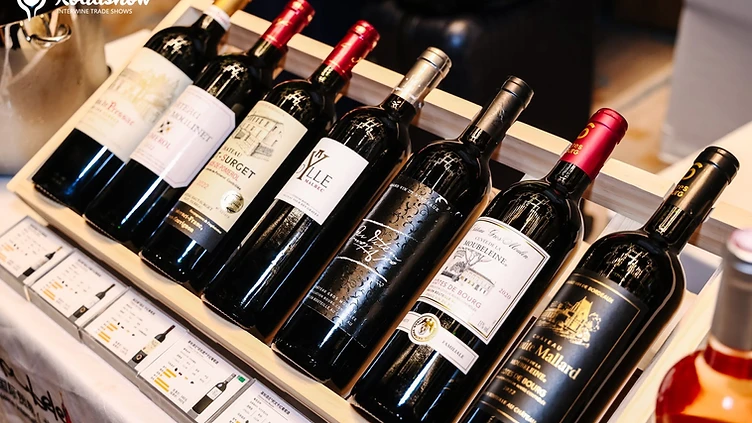
A commercial B2B guide for foreign wineries on building a resilient China pricing model, navigating customs valuation, channel margins, and anti-dumping safeguards.
To build an enduring commercial presence in mainland China, foreign wine producers must abandon the outdated practice of applying standard Western markup formulas. Success in China requires constructing a ground-up, landed-cost architecture that accounts for customs duties, multi-layered distribution margins, distributor marketing allowances, and cross-channel price governance.
According to the USDA Foreign Agricultural Service (FAS) Wine Market Update 2026, China's total wine import value in 2025 stood at approximately $1.4 billion, declining 11% year-on-year. However, the average import price increased by 22% to roughly $6.86 per liter. This dynamic underscores a fundamental shift: while overall volume has consolidated, value has concentrated in premium, specialized, and quality-driven tiers. Furthermore, trade analysis from Vino Joy News (August 2026) highlights that the era of speculative windfall margins has ended, forcing importers toward rigorous financial planning, multi-channel segmentation, and direct-to-market discipline. Understanding how foreign wineries should build a china pricing model is now the difference between sustainable brand equity and catastrophic inventory write-downs.
Anatomy of the Landed Cost: Customs, Tariffs, and Statutory Taxes
A Chinese pricing model begins with the exact calculation of import tariffs, consumption tax, and value-added tax (VAT) applied at customs clearance under HS Code 2204. Importing wine under China's General Trade regime requires calculating taxes not in isolation, but sequentially according to official General Administration of Customs China (GACC) valuation procedures.
+-------------------------------------------------------------+
|                      EX-WORKS (EXW)                         |
|         Base winery cellar-door production cost             |
+-------------------------------------------------------------+
                               │
                               ▼
+-------------------------------------------------------------+
|                   CIF PORT OF ENTRY (RMB)                   |
|        Includes international freight + marine insurance    |
+-------------------------------------------------------------+
                               │
        ┌──────────────────────┴──────────────────────┐
        ▼                                             ▼
  Tariff Treatment:                             Tariff Treatment:
  Most-Favored-Nation (MFN)                     Free Trade Agreement (FTA)
  Customs Duty = 14%                            Preferential Duty = 0%
  (e.g., EU, US non-retaliatory)                (e.g., Chile, New Zealand, Georgia)
        └──────────────────────┬──────────────────────┘
                               │
                               ▼
+-------------------------------------------------------------+
|                 CONSUMPTION TAX (EXCISE)                    |
|         Standard 10% applied on duty-inclusive base         |
|       Formula: (CIF + Duty) ÷ (1 - 0.10) × 10%              |
+-------------------------------------------------------------+
                               │
                               ▼
+-------------------------------------------------------------+
|                 VALUE-ADDED TAX (VAT)                       |
|         Standard 13% applied on total imported value        |
|       Formula: (CIF + Duty + Consumption Tax) × 13%         |
+-------------------------------------------------------------+
                               │
                               ▼
+-------------------------------------------------------------+
|                   TOTAL LANDED COST (DDP)                   |
|   Base for regional wholesaler, retail, and on-trade margin |
+-------------------------------------------------------------+
1. Customs Duty
For countries trading under Most-Favored-Nation (MFN) status (such as France, Italy, and Spain), the statutory customs tariff on bottled still wine (HS 2204.21) sits at 14%. Exporters from markets benefiting from bilateral Free Trade Agreements (FTAs)—such as Chile, New Zealand, and Georgia—enjoy a 0% preferential tariff rate, provided proper Certificates of Origin are filed. Conversely, countries facing retaliatory tariffs or trade dispute resolutions experience heightened rates; for example, US wine imports historically absorbed compounded punitive duties raising combined import tax burdens above 60%, as outlined by industry trade data from USA Wine Ratings.
2. Consumption Tax (Excise Tax)
China assesses an ad valorem consumption tax of 10% on imported grape wine. This tax is calculated using a compound formula based on customs value plus the import duty: $$\text{Consumption Tax} = \frac{\text{CIF Value} + \text{Customs Duty}}{1 - 10%} \times 10%$$
3. Value-Added Tax (VAT)
Import VAT on general goods, including alcoholic beverages, is 13%. VAT is calculated across the total compounded import base: $$\text{Import VAT} = (\text{CIF Value} + \text{Customs Duty} + \text{Consumption Tax}) \times 13%$$
For an MFN origin subject to 14% customs duty, the effective cumulative tax multiplier is roughly 43% to 48% over CIF value, excluding local clearance, handling fees, and port customs agent expenses. For FTA origins at 0% duty, the effective statutory tax multiplier is approximately 25.5% over CIF. Overseas producers must design their Free on Board (FOB) or Cost, Insurance, and Freight (CIF) baseline knowing these fixed statutory burdens precede any commercial markup.
Channel Margin Expectations: Mapping From Port to Pour
Unlike traditional European three-tier structures or fragmented open markets, China features distinct channel dynamics. Research on distribution channels published by ResearchGate (Hanf et al.) underscores that imported wine in China navigates a retail and on-premise ecosystem vastly divergent from domestic producers, with on-trade and specialized foreign-facing retail capturing elevated margins.
When foreign wineries calculate end-market Recommended Retail Pricing (RRP), they must accommodate the gross margins demanded across commercial tiers:
- National First-Tier Importers (Tier 1): Expect gross margins between 25% and 40%. Importers bear the burden of national port clearance, CIQ compliance, central bonded warehousing, nationwide logistics, credit risk, and brand building.
- Regional Sub-Distributors and City Wholesalers (Tier 2): Require margins between 20% and 30%. These operators handle localized warehousing, secondary transportation to sub-distributors, and regional retail relationship management.
- Modern On-Trade (Hotels, Fine Dining, Modern Bistros): Target margins between 60% and 75% (often pricing wine at 2.5x to 4x landed wholesale cost). On-trade margins reflect table-service overhead, glassware breakage, cellar maintenance, and staff sommelier education.
- Specialized Retail & Wine Boutiques (Off-Trade): Target margins between 35% and 50%.
- Direct-to-Consumer E-Commerce Flagships: While theoretically eliminating intermediary wholesale steps, modern e-commerce channels (such as Tmall, JD.com, Douyin, and WeChat Mini-Programs) incur customer acquisition costs (CAC), live-streaming host fees (often 20% to 30% commission), platform transaction fees, and fragile-goods fulfillment logistics that absorb 35% to 50% of the gross sale price.
Failing to construct sufficient margin room for regional sub-wholesalers is the primary reason foreign brands stall outside of Tier 1 metropolitan areas like Shanghai, Shenzhen, and Beijing.
+--------------------------------------------------------------------------+
|                       END-CONSUMER RETAIL PRICE (100%)                   |
+--------------------------------------------------------------------------+
|  Retailer / On-Trade Venue Margin (35% - 65%)                            |
+--------------------------------------------------------------------------+
|  Regional Sub-Distributor Margin (15% - 25%)                             |
+--------------------------------------------------------------------------+
|  National Importer Margin (20% - 35%)                                    |
+--------------------------------------------------------------------------+
|  China Customs Taxes (Duty, Consumption Tax, VAT: ~25.5% - 48% on CIF)   |
+--------------------------------------------------------------------------+
|  Customs Brokerage, Port Handling, Inland Drayage & Cold Chain Logistics  |
+--------------------------------------------------------------------------+
|  Base Winery Export Price (CIF China Port)                               |
+--------------------------------------------------------------------------+
The Strategic Marketing Allocation: A&P and Trade Allowances
A critical mistake made by new entrants is assuming the Chinese importer will fund nationwide promotion out of their distributor margin. Given that Chinese distributors have diversified across domestic and alternative imported origins, suppliers must explicitly build an Advertising and Promotion (A&P) budget directly into the export unit cost.
Best-practice pricing models incorporate a dedicated 5% to 10% producer marketing support fund per container, allocated through contractual Key Performance Indicators (KPIs):
- Educational & Sommelier Allowances: Masterclasses, tasting master programs, and bilingual staff education materials.
- Digital Assets and Localization: Developing localized WeChat Mini-Programs, official Chinese tasting sheets, and compliant label back-stickering.
- Trade Marketing & Exhibitions: Underwriting attendance and proprietary masterclasses at premier regional trade events. Wineries looking to audit prospective partners and benchmark pricing models directly with active Chinese distributors utilize structured trade mechanisms like the Business Matching services offered during major regional expos.
- Listing & Menu Subsidies: Targeted support for on-trade pour-by-the-glass (BTG) programs or modern retail promotional placement.
Structuring this support as an invoice rebate conditional on audited volume milestones, rather than an unmonitored baseline discount on the FOB price, protects your brand positioning and prevents speculative price erosion.
Managing E-Commerce Transparency and Price Cannibalization
Mainland China is the most digitally transparent wine retail market in the world. Consumers and regional B2B buyers systematically check wine retail prices on smartphone apps before finalizing purchasing decisions in restaurants or offline shops.
Uncontrolled digital distribution represents the greatest operational threat to a winery's China pricing model. If an importer or rogue wholesaler dumps clearance inventory onto an open marketplace platform at an aggressive discount, that discounted figure immediately becomes the reference ceiling across the entire country. Physical restaurants will de-list the wine to avoid being perceived as overcharging, and regional sub-distributors will cancel stock orders.
The Dual-SKU and Channel Partition Strategy
To defend against online-induced pricing cannibalization, international brands employ strict SKU and channel partitioning:
- Off-Trade/On-Trade Separation: Issue distinct product lines, proprietary labels, or unique packaging formats (e.g., specific single-vineyard bottlings or custom screwcap closures) dedicated exclusively to the hospitality trade.
- Brand-Sanctioned E-Commerce MSRP: Establish a binding Minimum Advertised Price (MAP) agreement in distributor contracts. Enforce regular monitoring of major e-commerce storefronts to identify unauthorized parallel imports.
- Gift Box and Bundle Exclusives: Create bundled merchandise or Chinese New Year (CNY) presentation sets for off-trade retail channels, preventing direct online single-bottle barcode comparisons.
The Shift to Value: Capitalizing on the Premiumization Trend
According to trade data published in IndexBox's 2026 China Wine Market Analysis, Chinese commercial wine buyers are increasingly polarizing their purchasing behavior: low-cost commercial bulk wine faces intense domestic substitution, while high-value boutique, organic, biodynamic, and distinctive single-terroir wines maintain resilient purchasing intent.
This trend reinforces findings from the USDA FAS 2026 report showing average import prices climbing above $6.80 per liter despite broader volume contraction. Commercial consumers are drinking less wine by volume, but choosing better quality in casual social gatherings and specialized bistros. Pricing models should not chase a downward spiral into entry-level commercial volume where domestic producers operate with zero international shipping friction. Instead, models should preserve healthy gross margins at the mid-to-high tier (RMB 180 to RMB 500 retail price tier), where consumers actively look for authentic regional character, prestigious appellations, and storytelling.
To discover how commercial buyers are currently evaluating regional pricing tiers and positioning strategies, wineries can review up-to-date industry analysis via Market Insights or explore vetted commercial profiles using the Exhibitor Directory.
Implementation Roadmap: Calculating Your Export Price
To build an export price architecture that safeguards profitability and distributor buy-in, follow this four-phase operational framework:
+--------------------------------------------------------------------------+
|                       PHASE 1: TARGET RRP BENCHMARKING                   |
|  • Audit competing category benchmarks across China off-trade & on-trade |
|  • Determine optimal retail shelf placement (e.g., RMB 280-350)          |
+--------------------------------------------------------------------------+
                               │
                               ▼
+--------------------------------------------------------------------------+
|                       PHASE 2: BACK-CALCULATION DRAFT                    |
|  • Deduct retail margin (40% - 50%)                                      |
|  • Deduct regional distributor margin (20% - 25%)                        |
|  • Deduct national importer margin (30%)                                 |
|  • Result: Maximum permissible landed DDP cost at Shanghai/Shenzhen      |
+--------------------------------------------------------------------------+
                               │
                               ▼
+--------------------------------------------------------------------------+
|                       PHASE 3: STATUTORY TAX DE-COMPOUNDING              |
|  • Apply reverse VAT formula (divide by 1.13)                            |
|  • Reverse excise consumption tax formula (multiply by 0.90)             |
|  • Reverse import duty based on origin FTA status (divide by 1.14 or 1.0)|
|  • Result: Target CIF price threshold per case                           |
+--------------------------------------------------------------------------+
                               │
                               ▼
+--------------------------------------------------------------------------+
|                       PHASE 4: CONTRACTUAL COVENANTS                     |
|  • Isolate 5% - 8% invoice credit dedicated to local brand marketing     |
|  • Establish contractual Minimum Advertised Pricing (MAP) limits         |
|  • Execute formal distributor matching and channel segregation pacts     |
+--------------------------------------------------------------------------+
Building an effective China pricing model is not an academic exercise in converting local currencies—it is a strategic blueprint that defines your channel viability, distributor loyalty, and longevity in the market. Foreign wineries that invest the time to construct transparent landed-cost models, fund local marketing mechanisms, and strictly police digital retail channels will build viable, scalable businesses across the Chinese market.
Foreign wine estates seeking to validate their landed-cost strategy against current buyer expectations are invited to evaluate participation options through Become an Exhibitor, join structured commercial sessions via Business Matching, and monitor trade trends with Interwine Events.
Sources
- USDA Foreign Agricultural Service (FAS) Shanghai ATO - Wine Market Update 2026
- ResearchGate - Wine distribution channel systems in mature and newly growing markets (Jon H. Hanf et al.)
- Vino Joy News - China's Wine Importer Exodus Accelerates (August 2026)
- IndexBox - China Wine Market Analysis and Forecast to 2035 (March 2026)
- General Trade Import Landed Cost Calculator - China HS Code 2204
Key Takeaways
- —A resilient China wine pricing model must reverse-engineer margins from targeted retail price points back through customs duties, consumption tax, and VAT.
- —Customs valuation for imported wine under MFN status incurs an effective tax multiplier of approximately 43% to 48% over CIF, while zero-tariff FTA origins incur roughly 25.5%.
- —Tier 1 importers typically require 25% to 40% gross margins, regional wholesalers demand 20% to 30%, and on-trade dining venues demand 60% to 75%.
- —Suppliers should build a dedicated 5% to 10% marketing allowance (A&P) into their commercial model rather than expecting distributors to fund brand building independently.
- —Dual-SKU packaging and strict channel segregation are vital to preventing e-commerce platforms from cannibalizing on-trade and offline distribution pricing.
Frequently Asked Questions
What taxes are levied on foreign wine entering China via general trade?
Bottled wine (HS Code 2204.21) is subject to three sequential taxes at customs clearance: Customs Import Duty (14% for Most-Favored-Nation origins, 0% for FTA partners like Chile and New Zealand), an ad valorem Consumption Tax of 10%, and a standard Value-Added Tax (VAT) of 13%. Cumulatively, this results in an effective tax burden of approximately 43% to 48% above CIF value for MFN countries, and approximately 25.5% for zero-tariff countries.
How do distributor margins typically break down across China's wine channels?
A standard multi-tier distribution network generally requires 25% to 40% margin for Tier 1 national importers, 20% to 30% for regional sub-distributors, 35% to 50% for modern wine boutiques and specialized retail, and 60% to 75% for on-trade hospitality venues (hotels, bars, fine dining). High-traffic e-commerce operations often absorb 35% to 50% in advertising, platform fees, and logistics.
Why is e-commerce price monitoring essential for physical on-trade sales in China?
China has a hyper-transparent digital ecosystem where diners and retail buyers check smartphone marketplaces (e.g., JD.com, Tmall, Taobao) before ordering. If unauthorized discounting depresses an online price, premium restaurants and offline distributors will de-list the label to preserve their profit margins and avoid appearing overpriced.
How should overseas wineries structure marketing and promotional allowances in China?
Rather than reducing base FOB prices, wineries should structure an explicit 5% to 10% marketing allowance (A&P) tied to audited performance metrics. This budget can be dispersed as invoice rebates or promotional credits to fund bilingual educational content, masterclasses, localized digital marketing, and trade fair participation.
What is the strategic advantage of a dual-SKU strategy for the Chinese market?
A dual-SKU strategy assigns distinct labels, bottle formats, or blends to different channels (such as reserving one tier exclusively for the on-trade and another for retail or e-commerce). This prevents cross-channel price comparison, shielding high-margin hospitality clients from e-commerce discounting pressure.