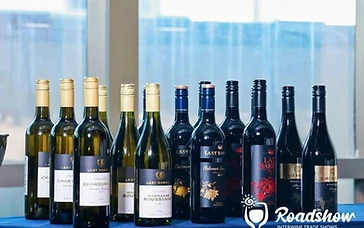
How New Zealand Wineries Can Enter China

A commercial roadmap for New Zealand wineries entering China, detailing customs compliance, the white wine boom, distribution models, and trade fair exhibition strategies.
New Zealand wineries can enter China successfully by capitalizing on the country's surging appetite for premium white wines, navigating China Customs (GACC) compliance, and securing distribution partnerships via professional B2B wine trade exhibitions. While broader Chinese wine imports contracted across recent years, New Zealand wine exports have outperformed the macro trend, driven by strong varietal recognition of Marlborough Sauvignon Blanc, zero-tariff trade preferences under the bilateral Free Trade Agreement, and high average export prices compared to Western export destinations.
To convert this market interest into sustainable commercial distribution, New Zealand producers and regional associations must navigate brand registration hurdles, adhere to the latest mandatory export documentation administered by New Zealand's Ministry for Primary Industries (MPI) and Chinese authorities, and establish direct relationships with qualified Tier-1 and regional importers.
Market Opportunity: China's Structural Shift Toward White Wine
For decades, mainland China's imported wine sector was heavily dominated by bold red wines, primarily Bordeaux blends, Australian Shiraz, and Chilean Cabernet Sauvignon. However, shifting demographics, increasing consumption among younger urban demographics, and evolving dining habits have driven unprecedented demand for fresh, aromatic, and food-friendly whites.
According to Vino Joy News (2026), white wines now account for 88% of New Zealand's total wine exports to China. While overall wine imports into China declined by roughly 27% in 2025, data shared by New Zealand Trade and Enterprise (NZTE) revealed that New Zealand wine shipments to China reached 5.36 million litres in 2025—an increase of 58.5% year-on-year—with total value expanding 31.5% to $44.48 million, securing New Zealand's spot as China's fifth-largest wine import source. Furthermore, market reporting from Vinetur (2026) highlights that between 2020 and 2025, New Zealand’s wine exports to China surged by 140%, outperforming almost all major Old World and New World competitors.
Unlike traditional export markets such as the UK, where bulk shipping and low margins dominate, China commands a higher average per-litre price point for New Zealand wine. Earlier data from Vino Joy News (2024) showed average white wine export values to China reaching NZD 12.88 per litre, more than double the average realized in the United Kingdom (NZD 6.15 per litre). This price premium makes China an indispensable destination for boutique and mid-sized New Zealand producers seeking value over sheer volume.
Primary Varietals in Demand
- Sauvignon Blanc: Led by Marlborough, this varietal represents the entry point for Chinese consumers. In 2025, Sauvignon Blanc ranked as the best-selling white grape variety on major digital platforms like Alibaba's Tmall.
- Pinot Noir: Central Otago and Martinborough Pinot Noirs appeal directly to connoisseurs moving away from heavy oak profiles toward refined, terroir-focused red expressions.
- Chardonnay and Aromatic Whites: Hawke's Bay Chardonnay, along with Pinot Gris and dry Riesling, are seeing growing adoption in coastal culinary hubs where seafood pairing drives premium on-premise ordering.
Regulatory Compliance, GACC Registration, and Labeling
Entering China requires strict adherence to food safety and customs frameworks overseen by the General Administration of Customs of the People's Republic of China (GACC).
1. Production Facility Registration (GACC Decree 248)
All overseas alcoholic beverage manufacturers exporting to China must be registered in the China Import Food Enterprise Registration system under Decree 248. Wine producers must obtain an 18-digit registration number, which must be clearly printed on either the inner or outer packaging of the wine before customs clearance.
2. Export Certification via MPI
New Zealand exporters must work through the Ministry for Primary Industries (MPI), which governs New Zealand grape wine export requirements. Exporters must maintain an approved Wine Standards Management Plan (WSMP) or operate under an export verification programme, ensuring traceability from vineyard to export consignment.
3. Chinese Back-Label Standards (GB 7718 and GB 15037)
Every bottle clearing customs must feature a compliant Chinese back label. Critical details include:
- Standardized Chinese product name and wine category
- Alcohol content (expressed in percentage by volume at 20°C)
- Ingredients (e.g., grape juice, sulfur dioxide/preservatives)
- Importer and distributor contact details in mainland China
- Production date, bottling date, and shelf life (or statement that shelf life is indefinite for wines over 10% ABV)
- Health and safety warnings regarding underage drinking and pregnancy
4. Tariff Preferences Under the NZ-China FTA
New Zealand wines benefit from preferential zero-tariff import status under the New Zealand-China Free Trade Agreement. To claim this exemption upon entry, shipments must be accompanied by an official Certificate of Origin (Form NZ-China FTA) issued by authorized chambers in New Zealand, alongside statutory Value-Added Tax (VAT) and standard consumption tax payments at the border.
Protecting Intellectual Property: Avoiding Trademark Squatting
One of the most frequent and costly mistakes made by New Zealand producers is entering commercial discussions without prior trademark protection in China. As detailed by legal insights from AJ Park, China operates under a strict "first-to-file" system rather than the "first-to-use" common-law doctrine utilized in New Zealand.
Essential IP Safeguards:
- Register the Roman-Alphabet Trademark: File your brand name, logo, and distinctive label art across International Class 33 through the China National Intellectual Property Administration (CNIPA) before shipping samples.
- Develop and Register a Chinese Character Name: Chinese trade buyers and everyday consumers rarely search for wine using English or Māori words. Selecting a transliterated or conceptual Chinese name—such as phonetic matches with positive connotations—prevents unauthorized third parties from registering the Chinese name consumers will naturally adopt.
- Avoid Unregistered Exclusive Distributor Agreements: Never permit an importer or agency to register your trademark on your behalf in mainland China, as regaining ownership requires lengthy administrative trials or expensive buyouts.
Choosing the Right Route to Market
New Zealand wine producers should assess their scale, production volume, and price positioning when selecting distribution channels in China.
Traditional Importer-Distributors
Partnering with national or regional wine importers remains the primary volume driver. Tier-1 cities (Shanghai, Beijing, Guangzhou, Shenzhen) are sophisticated but hyper-competitive. Established importers in Tier-2 and regional capitals (such as Chengdu, Wuhan, Hangzhou, and Changsha) often provide higher brand loyalty, lower listing fees, and deeper access to private corporate clients and regional banqueting networks.
E-Commerce and New Retail
China's retail landscape blends online sales, social commerce (Xiaohongshu/RED, Douyin), and instant delivery platforms. Mid-range wines (RMB 80–180) perform strongly on omnichannel retail channels such as Sam’s Club China, Freshippo (Hema), and JD.com. However, brand awareness is a prerequisite for self-operated digital storefronts; e-commerce is best utilized as an inventory clearing and visibility channel alongside on-premise dining distribution.
Niche Importers and On-Premise Specialists
Boutique organic, biodynamic, and low-intervention producers from regions such as Central Otago or Nelson find success partnering with specialized fine-wine distributors servicing bistro culture, boutique hotels, and modern Western/Asian fusion dining venues across coastal metropolises.
Accelerating Distribution Through Strategic Trade Exhibitions
Because the Chinese wine trade relies heavily on in-person trust, face-to-face tastings, and direct negotiation, trade fairs remain the fastest, most cost-effective vehicle for New Zealand wineries seeking distribution partners. Relying solely on cold outreach or remote digital channels rarely produces viable distribution contracts in China.
Exhibiting at prominent industry platforms—such as INTERWINE in Guangzhou—enables producers to meet vetted importers, regional wholesalers, and hotel/restaurant purchasing directors across South China and the Greater Bay Area (GBA). The GBA represents one of China's most affluent consumer corridors, with high per-capita consumption of premium imported dry white wine.
Producers preparing for a commercial launch can review ongoing trade trends via Market Insights and utilize formal Business Matching services during exhibitions to connect directly with pre-screened buyers looking to expand their New World white wine portfolios. Wineries looking to participate can apply directly to Become an Exhibitor to secure dedicated booth space, showcase current vintages, and establish a permanent foothold in the world's most dynamic wine import market.
Sources
- Vino Joy News: From Red to White: How New Zealand Sauvignon Blanc Won Over China’s Wine Drinkers (2026)
- Vinetur: China’s Wine Imports Plunge 21% in 2025 as Market Weakness Deepens (2026)
- Ministry for Primary Industries (MPI): OMAR Information for China Wine Exports
- AJ Park: Cracking the Chinese Wine Market: Part 1 - Intellectual Property
- New Zealand Winegrowers: China Market & Roadshows
Key Takeaways
- —New Zealand wine exports to China grew 31.5% in value to $44.48 million in 2025, outperforming a broader 27% contraction across China's wine import sector.
- —White wine accounts for roughly 88% of all New Zealand wine shipments to China, led by Marlborough Sauvignon Blanc.
- —New Zealand producers achieve significantly higher export realizations in China (over NZD 12 per litre) than in volume markets like the UK.
- —Producers must register with China's GACC under Decree 248 and secure Chinese-character trademarks under the country's first-to-file legal system.
- —In-person trade platforms like INTERWINE provide the most effective route to identify vetted distributors in Tier-1 and emerging Tier-2 markets.
Frequently Asked Questions
What import tariffs apply to New Zealand wine entering China?
Under the New Zealand-China Free Trade Agreement, New Zealand grape wines enter China tariff-free (0% customs duty), provided the shipment is accompanied by a compliant Certificate of Origin. However, standard Chinese Value-Added Tax (VAT) and wine consumption tax still apply upon customs clearance.
Why is New Zealand wine growing in China while total imports have contracted?
New Zealand's growth is driven by consumer shifts toward white wine, fresh fruit-forward profiles, and lighter dining pairings. Marlborough Sauvignon Blanc has established widespread consumer recognition, serving as the leading white wine variety across retail and e-commerce platforms like Tmall and Freshippo.
What is GACC Decree 248 and how does it affect New Zealand wineries?
GACC Decree 248 requires all overseas food and beverage manufacturers, including wineries, to register their production facilities with China Customs. Registered facilities receive an 18-digit registration code that must appear on the physical product packaging before goods arrive at a Chinese port of entry.
Should New Zealand wineries register a Chinese brand name?
Yes. China operates under a strict 'first-to-file' trademark system. Registering both your Roman-character brand and an official Chinese-character transliteration prevents opportunistic trademark squatters from seizing your brand identity, while making your wines accessible to domestic trade buyers and consumers.
What is the fastest way for a New Zealand winery to find Chinese importers?
Participating in major domestic wine trade fairs such as INTERWINE, attending organized national roadshows with New Zealand Winegrowers, and utilizing business-matching programs offer direct, face-to-face access to qualified regional distributors, importers, and on-premise buyers.