How Portuguese Wineries Can Enter China
A commercial roadmap for Portuguese wineries and regional export commissions entering the Chinese market, covering GACC compliance, Douro and Alentejo positioning, distributor selection, and B2B trade platforms.
To enter China's competitive wine import market, Portuguese wineries must move past reliance on generic national identity and implement a structured, route-to-market strategy. Breaking into this space requires securing customs compliance under General Administration of Customs of China (GACC) Decree 248, selecting regional distribution partners with cold-chain and bonded logistics capabilities, and positioning Portugal's indigenous grape varieties—such as Touriga Nacional, Alvarinho, and Baga—as premium, food-friendly alternatives to established French and Australian offerings. Establishing face-to-face commercial partnerships at premier industry trade fairs like Interwine remains the definitive operational catalyst for securing tier-one and regional Chinese buyers.
Current China Market Dynamics for Portuguese Wine
China represents an untapped growth frontier for Portuguese wine producers, but navigating it demands realistic commercial forecasting. According to data reported by Vino Joy News in 2026, China imported US$6.75 million worth of Portuguese wine (1.4 million liters) in 2025, positioning Portugal as the 13th-largest supplier with roughly 0.48% market share. While volumes experienced a post-pandemic consolidation after earlier short-term rebounds recorded by Forum Macao / ViniPortugal in 2024 (where Q1 2024 exports temporarily lifted 12% to €2 million), the broader structural shift among Chinese consumers toward "drinking less but drinking better" provides Portuguese wineries with an opening.
Historically, Chinese retail buyers and importers prioritized single-varietal international names like Cabernet Sauvignon or Shiraz. Because Portugal's primary competitive advantage lies in more than 250 indigenous grape varieties and multifaceted regional terroirs—spanning the Douro, Alentejo, Vinho Verde, and Dão—importers previously found marketing Portuguese blends complex. Today, sophisticated urban consumers across first-tier and high-growth second-tier cities are actively seeking authentic, terroir-driven wines offering higher quality-to-price ratios. Discovering actionable commercial shifts requires monitoring verified data through Market Insights.
Navigating Regulatory Compliance and GACC Registration
Before executing commercial shipments, Portuguese wine producers and cooperatives must clear strict regulatory hurdles governed by the GACC and China's State Administration for Market Regulation (SAMR). In accordance with ChemLinked Food Regulatory Intelligence, imported alcoholic beverages must strictly satisfy GB standards regarding food additives, maximum residue levels, and production establishment filing.
- GACC Manufacturer Registration (Decree 248): Every wine production facility, bottling plant, and cellar exporting to China must obtain a designated registration code via the China Import Food Enterprise Registration platform. This code must be printed on both the inner and outer packaging alongside the Chinese back-label.
- Mandatory Chinese Back-Labels (GB 7718 and GB 2758): Labels must include the registered Chinese product name, exact alcohol strength (% ABV), list of ingredients (including mandatory allergen notices for sulfur dioxide / sulfites), net volume, importer/distributor contact details, date of bottling, production region, and storage instructions.
- Sanitary and Origin Documentation: Shipments must arrive at Chinese customs accompanied by an official Certificate of Origin issued by authorized Portuguese chambers or regional bodies, an official Phytosanitary/Health Certificate, and third-party laboratory analysis reports verifying volatile acidity, total sulfur dioxide, and heavy metal compliance within statutory Chinese limits.
Shipment delays frequently occur when wineries alter bottle designs, vintage designations, or labels without synchronizing paperwork with the importer's registered declaration profile. Verifying label artwork with local specialists prior to palletizing avoids demurrage fees and container rejections at maritime ports like Guangzhou, Shenzhen, Ningbo, or Shanghai.
Strategic Portfolio Positioning: Douro, Alentejo, and Beyond
Portuguese producers must avoid positioning their products solely on low price. A race to the bottom against bulk producers from South America erodes brand equity. Instead, export managers should position portfolios across defined commercial tiers:
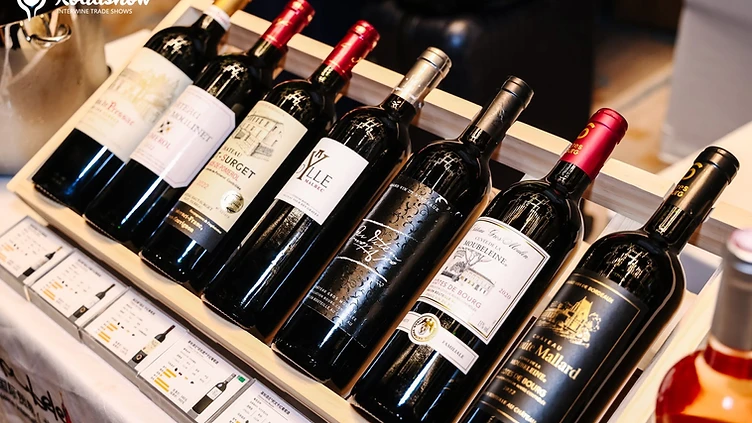
- The Full-Bodied Red Category (Douro and Alentejo): Chinese red wine drinkers favor structured, aromatic profiles. Full-bodied blends driven by Touriga Nacional, Touriga Franca, Aragonez (Tempranillo), and Trincadeira naturally match the mouthfeel preferred by domestic consumers. They can be competitively positioned against mid-to-high tier Bordeaux or Barossa wines, offering exceptional fruit concentration and oak integration at accessible B2B price points.
- Vinho Verde and Coastal Whites: As dining habits modernize and premium Cantonese and southern seafood cuisines drive white wine consumption, crisp, low-alcohol Alvarinho and Arinto expressions provide clear menu-pairing alternatives to Italian Pinot Grigio or New Zealand Sauvignon Blanc.
- Fortified Port Wine (Porto): While Port represents Portugal's most historically famous wine style, it occupies a specialized gift, banquet, and cigar-lounge niche in China. Tawny and Vintage Ports require focused distribution channels, such as high-end private member clubs, luxury gifting distributors, and fine dining venues.
Selecting the Right Route to Market
Choosing an import model impacts long-term market security. Portuguese producers generally select among three commercial avenues outlined by FDI China Trade Advisory:
| Distribution Model | Commercial Advantages | Strategic Risks | Ideal Winery Profile | | :--- | :--- | :--- | :--- | | Exclusive Master Importer | Single point of contact; handles nationwide GACC customs clearance, warehousing, and billing. | Dependency on one entity; if importer sales slow, national market access stalls. | Medium-to-large wineries seeking hands-off nationwide logistics. | | Regional Specialty Distributors | Targeted access to distinct regional dining cultures (e.g., South China, East Coast, Chengdu belt). | Requires managing multiple contracts, regional allocations, and brand pricing discipline. | Boutique estates and family cellars prioritizing controlled brand building. | | Wholly Foreign-Owned Enterprise (Trading WFOE) | Full legal ownership, direct RMB invoicing (fapiao), and internal distribution control. | High operational overhead, ongoing corporate compliance, and dedicated local payroll. | Multi-brand wine groups or consortiums with multi-million-euro long-term capital commitments. |
For most independent estates, partnering with regional distributors specializing in tier-one and tier-two cities yields higher sell-through and reduced credit exposure compared to signing unvetted national exclusivity deals.
Accelerating Market Entry Through Interwine
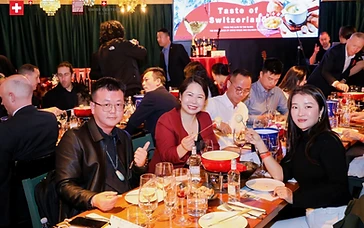
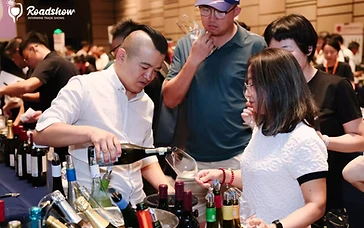
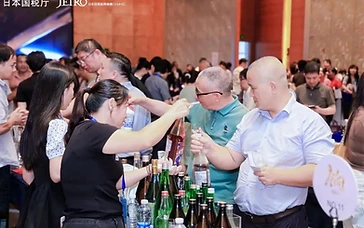
Because wine buying in China relies fundamentally on personal trust (guanxi), sensory tasting, and brand commitment, remote digital outreach yields limited results. Participating directly in focused B2B trade platforms provides international producers direct access to pre-screened importers, retail beverage buyers, sommeliers, and corporate gifting purchasers.
Securing your presence to Become an Exhibitor at Interwine positions your estate before key decision-makers across the Greater Bay Area and broader China. Wineries looking to optimize their exhibition schedule can leverage dedicated Business Matching services to secure one-on-one procurement meetings with licensed importers before touching down in China. Producers can review industry contemporaries currently trading in the market via the Exhibitor Directory, review upcoming event cycles across Interwine Events, and stay abreast of shifts in domestic trade dynamics through the News and Magazine section.
Actionable Next Steps for Export Directors
- Secure Regulatory Foundation: Audit production facilities and submit GACC registration documentation well in advance of commercial harvesting or export runs.
- Develop Clear Chinese Collateral: Translate core brand stories, tasting notes, and regional maps into localized Simplified Chinese collateral, including verified WeChat enterprise accounts or digital lookbooks.
- Protect Intellectual Property Early: Register both Latin and phonetic Chinese trademark characters with the China National Intellectual Property Administration (CNIPA) before sending evaluation samples.
- Engage the Trade Directly: Attend industry trade fairs and masterclasses in major commercial hubs to conduct distributor due diligence and lock in recurring container orders.
Sources
- Vino Joy News (2026): https://vino-joy.com/2026/03/31/a-huge-market-but-were-still-small-why-portuguese-wine-is-struggling-to-crack-china/
- Forum Macao / ViniPortugal Trade Analysis (2024): https://www.forumchinaplp.org.mo/en/economic_trade/view/8030
- ChemLinked Food Compliance – China Alcoholic Drink Regulations (2024): https://food.chemlinked.com/foodpedia/china-wine-regulations
- FDI China – Export Wine to China and Trading WFOE Setup (2025): https://fdichina.com/china-company-registration/china-wfoe-registration/trading-wfoe/export-wine-to-china
Key Takeaways
- —According to Vino Joy News (2026), Portuguese wine accounted for $6.75M in Chinese imports in 2025 (0.48% share), indicating an overlooked category with high growth potential.
- —Producers must register manufacturing facilities under GACC Decree 248 and prepare compliant GB 7718/GB 2758 Chinese back-labels prior to export.
- —Full-bodied Douro and Alentejo reds offer a direct value alternative to Bordeaux and Australian reds for Chinese banquet and consumer markets.
- —Boutique wineries should prioritize verified regional distributors over broad national exclusivity to maintain pricing stability and minimize inventory risks.
- —Physical trade engagement through Interwine and targeted business matching remains essential for establishing trusted buyer networks in China.
Frequently Asked Questions
What are the primary GACC requirements for Portuguese wineries exporting to China?
Every Portuguese winery must register its production and bottling facilities under GACC Decree 248 through the official registration portal to receive a customs enterprise code. Every shipment must feature compliant Simplified Chinese back-labels adhering to GB 7718 and GB 2758, accompanied by valid Certificates of Origin and official sanitary certificates.
Which Portuguese wine styles have the strongest commercial appeal in China?
Rich, full-bodied red wines from the Douro and Alentejo regions—primarily featuring Touriga Nacional, Aragonez, and Touriga Franca—have the strongest appeal due to their alignment with traditional banquet preferences and red wine consumption patterns. Additionally, high-end Alvarinho and fresh Vinho Verde are gaining rapid traction in coastal gastronomic hubs like Guangzhou and Shanghai.
Should a Portuguese winery choose an exclusive national importer or regional distributors?
For most boutique and family-owned Portuguese wineries, appointing vetted regional distributors across specific geographic territories (such as South China or East China) is safer and more effective than signing single national exclusivity agreements. Regional partnerships prevent stock stagnation, protect brand equity, and ensure closer alignment with local consumer dining habits.
How can Portuguese wineries connect directly with qualified Chinese wine buyers?
Producers achieve the highest conversion through industry exhibitions such as Interwine in Guangzhou and Shenzhen, participating in dedicated B2B business matching sessions, hosting masterclasses, and collaborating with trade bodies like ViniPortugal to educate sommeliers and regional distributors.