Rosé Wine Market in China

A commercial roadmap for international producers, brands, and distributors targeting the rosé wine market in China. Learn consumer drivers, distribution channels, regulatory realities, and trade exhibition strategies.
The rosé wine market in China is transitioning from a misunderstood niche into a high-margin, lifestyle-driven growth segment. Long overshadowed by heavy red wines that dominated state banquets and formal corporate gifting, rosé now benefits from structural demographic changes across tier-1 and new tier-1 cities. According to trade data synthesized by the Observatory of Economic Complexity (OEC) (2024), China imported roughly $1.42 billion of wine overall, with bottled wines steadily regaining momentum following recent tariff reorganizations and post-pandemic channel realignments. Within this landscape, rosé operates as an agile wedge product: appealing directly to younger urban professionals, female purchasing decision-makers, and relaxed social dining occasions.
For international wineries, commercial brands, and regional export consortia, understanding the mechanics of China's rosé category is crucial. Winning market share requires moving past generic overseas marketing and instead addressing Chinese regulatory compliance, regional palate preferences, digital-first retail environments, and verified B2B distributor engagement.
Market Overview: The Rosé Opportunity in China
Historically, Chinese wine consumption has skewed heavily toward red wine, primarily Cabernet Sauvignon and Bordeaux blends, driven by perceived health benefits and gifting prestige. However, data from HKTDC Research illustrates an evolving landscape: while red wine retains the highest overall volume, categories such as white wine, rosé, and sparkling wine are accelerating rapidly during casual get-togethers, banquets, and modern lifestyle occasions.
Research published in Food Chemistry / ScienceDirect on Chinese consumer preferences confirms that visual cues, fruit-forward aromatic profiles, and low astringency significantly increase trial rates among new wine consumers. Rosé fulfills this exact consumption brief. Rather than competing directly in saturated red wine price wars, rosé brands can establish defensible margins by anchoring themselves to China’s burgeoning 'she-economy' (女性经济) and light drinking culture (wei xun, 微醺).
Traditional Red Wine Entry          vs.        Modern Rosé Market Entry
---------------------------------             ---------------------------------
• Corporate / Government Banquets              • Casual Dining, Bistro Culture, Picnics
• Heavy Oak, High Tannins                     • Fresh Red Berries, Low Tannins, Chillable
• Conservative Gifting Visuals                 • High Aesthetic Bottle Design, Social Media Focus
• High Pricing Pressure in Mature Nodes        • Premium Lifestyle Positioning, Uncrowded Niche
Chinese Consumer Demographics and Consumption Occasions
To build an effective sales program, brand owners must identify who buys rosé in China and where it is consumed.
1. The Urban Female Demographic and 'She-Economy'
Female consumers in cities such as Shanghai, Beijing, Shenzhen, Chengdu, and Hangzhou represent the fastest-growing demographic for light alcohol products. Unlike traditional banquets where high-ABV baijiu or heavy reds dominate, female-led gatherings prioritize freshness, moderate alcohol content (11%–12.5% ABV), and aesthetic presentation.
2. The Wei Xun (Slightly Tipsy) Lifestyle Movement
Younger consumers (ages 22–35) consciously reject aggressive drinking culture. The concept of wei xun focuses on casual relaxation at home, weekend brunches, or glamping outings. Rosé fits naturally into this dynamic because it serves cold, pairs effortlessly with varied Chinese regional cuisines (such as Cantonese dim sum, Sichuan spice, and seafood), and projects an accessible, relaxed aura.
3. Food and Social Media Pairing
In China's digital sphere, beverage packaging is a visual commodity. On lifestyle platforms like Xiaohongshu (RED), a pale Provence pink or a vibrant New World rosé bottle serves as both a beverage and lifestyle accessory. Brands that leverage elegant labels, distinct bottle shapes, and clear tasting narratives capture outsized organic social impressions.
To discover emerging consumer behaviors and data-backed trade trends, explore our comprehensive analysis in Market Insights.
Key Supplying Regions and Competitive Landscape
According to import reporting highlighted by Statista (2026), France and Australia lead China’s bottled wine import value, with Chile, Spain, and Italy retaining critical market footholds. The competitive dynamics for rosé differ significantly by country of origin:
- France (Provence & Languedoc): Remains the undisputed benchmark for high-end dry rosé. French rosé benefits from a prestigious brand equity, particularly in tier-1 luxury on-premise venues, five-star hospitality suites, and boutique western bistros.
- Australia & New Zealand: With China officially lifting anti-dumping duties on Australian wine in March 2024, Australian producers have re-entered the trade with strong commercial distribution networks. Australian Grenache and Shiraz-based rosés, alongside aromatic New Zealand Pinot Noir rosés, offer strong competitive alternatives with modern labeling.
- Spain & Italy: Excellent value-to-quality ratios make Spanish rosados and Italian Rosato/sparkling rosés popular selections for cost-conscious retail chains, modern bistro distribution, and e-commerce flash sales.
- Domestic Chinese Production: Wineries based in Ningxia, Yunnan, and Shandong—as highlighted in trade overviews by MSA Advisory (2026)—are releasing small-batch domestic rosés. Rather than displacing imports, domestic production helps educate domestic palates and expand total shelf space for the pink category.
Distribution Channels: Navigating On-Premise, Off-Premise, and E-Commerce
Selling rosé in China requires a multi-tiered route-to-market. Relying on an exclusive national distributor rarely yields optimal coverage outside legacy channels.
| Channel Type | Primary Venues | Buyer Expectations for Rosé | Key Strategic Focus | | :--- | :--- | :--- | :--- | | Modern On-Premise | Western bistros, hotel lounges, rooftop bars, cafe-bars | Dry style, light salmon hue, recognizable appellation or story | By-the-glass (BTG) programs, staff tasting training | | Boutique Off-Premise | Ole', Citysuper, specialty wine shops, lifestyle boutiques | Premium packaging, distinct bottle geometry, gift boxes | High aesthetic shelf placement, seasonal promotions | | E-Commerce & Social | Douyin livestreaming, Tmall, JD.com, WeChat Mini Programs | Compelling narrative, bundle promotions, protective cold-chain delivery | KOL gifting, live-stream tasting, interactive promotions | | Regional B2B Wholesalers| Tier-2 and tier-3 distribution hubs | Margin stability, localized marketing collateral, reliable customs clearing | In-person trade exhibitions, structured commercial sampling |
Regulatory Requirements and Import Compliance for Exporters
Exporters shipping rosé to mainland China must navigate stringent regulatory frameworks enforced by the General Administration of Customs of China (GACC):
- GACC Registration (Decree 248): All foreign food and alcoholic beverage manufacturing, processing, and storage facilities must be registered through the official CIFER platform prior to dispatching shipments. Failure to maintain active registration leads to immediate port rejection.
- National Food Safety Standards (GB 2758 & GB 7718): Rosé imports must comply with strict limits on sulfur dioxide, chemical preservatives, heavy metals, and designated food additives.
- Mandatory Chinese Back Labels: Labels must detail the product name, ingredients (including 'contains sulfites'), net volume, alcohol content (ABV), importer/distributor contact information in mainland China, country of origin, and production/bottling date.
- Customs Value Declarations: China Customs scrutinizes declared import values closely. Producers must maintain transparent invoicing to ensure clearance without classification or valuation disputes.
Commercial Growth Roadmap: Expanding Rosé in Mainland China
To build a durable presence for a rosé brand in mainland China, brand directors should execute the following five-step commercial roadmap:
[Step 1: Profile & Packaging Adaptation]
        │
        ▼
[Step 2: GACC Compliance & Customs Pre-Clearance]
        │
        ▼
[Step 3: Direct B2B Distributor Engagement at Interwine]
        │
        ▼
[Step 4: Selective Channel Seeding (Bistros & Social Commerce)]
        │
        ▼
[Step 5: Co-Marketing, Masterclasses & Retail Pull-Through]
- Select the Right Product Profile: Prioritize clean, fresh, fruit-forward profiles with pale-pink hues. While ultra-dry styles perform well in tier-1 cosmopolitan bistros, slightly sweeter off-dry styles or aromatic sparkling rosés capture broader trial in emerging tier-2 markets.
- Invest in Structural Packaging: Glass thickness, embossed closures, and artful label illustrations materially drive consumer purchases in China. Ensure packaging stands out during photo sharing.
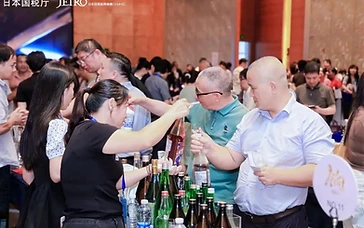
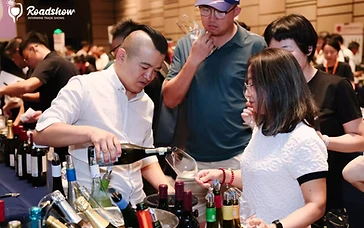
- Engage Face-to-Face with Qualified Importers: Wine is fundamentally an in-person, relationship-driven category (guanxi) in China. Importers demand direct commercial engagement, brand heritage presentations, and guaranteed pricing protection before signing distribution contracts.
- Connect via Specialized Trade Platforms: Participating in established B2B platforms like Interwine links producers directly with verified tier-1 importers, regional distributors, and hospitality purchasing directors.
Position your portfolio in front of key Chinese wine buyers, regional wholesalers, and supermarket category managers by choosing to Become an Exhibitor at our next flagship trade fair. Accelerate high-value discussions through our curated Business Matching services, and review current industry participants in our official Exhibitor Directory.
Conclusion
The rosé wine market in China represents one of the wine industry's most promising frontiers. By shedding traditional corporate banquet constraints, rosé aligns with modern, female-led, and lifestyle-oriented consumption trends across Chinese metropolises. Category producers, estate brands, and international negociants who execute compliant customs procedures, tailor their visual marketing, and engage directly with regional distribution networks will secure long-term, high-margin market share in China.
Sources
- Observatory of Economic Complexity (OEC): Wine in China Trade Profile (2024) — https://oec.world/en/profile/bilateral-product/wine/reporter/chn
- HKTDC Research: China's Wine Market Consumer Preferences and Trends — https://research.hktdc.com/en/article/NDMxNDIxODA2
- Statista: Import Value of Bottled Wine from Leading Supplying Countries to China (2026) — https://www.statista.com/statistics/1254961/china-bottled-wine-import-value-of-major-suppliers/
- ScienceDirect / Food Chemistry: Rosé Wine Volatile Composition and Chinese Consumer Preferences — https://www.sciencedirect.com/science/article/abs/pii/S0308814616302011
- MSA Advisory: Wine Market in China: Trends, Growth, and Consumer Preferences (2026) — https://msadvisory.com/wine-market-in-china
Key Takeaways
- —Rosé operates as an agile growth category in China, bypassing crowded red wine segments by serving younger, female, and lifestyle-driven urban consumers.
- —China imported $1.42 billion of wine overall according to the Observatory of Economic Complexity (2024), with market share dynamic shifts following the removal of Australian tariffs in 2024.
- —Consumer acceptance relies on visual hue (pale salmon pinks), fruit-forward aromas, low astringency, and high-aesthetic packaging suitable for social sharing on Xiaohongshu.
- —Exporters must secure GACC Decree 248 facility registration and adhere to GB national food safety and labeling standards prior to shipping.
- —Successful market penetration requires direct engagement with verified regional distributors through B2B trade platforms like Interwine.
Frequently Asked Questions
What is the primary demographic driving rosé wine sales in China?
Rosé wine sales in China are predominantly driven by urban, college-educated women aged 22–38 in tier-1 and new tier-1 cities. These consumers prioritize low-tannin, refreshing wines for casual gatherings, social brunches, and personal home consumption.
Which style of rosé wine sells best in mainland China?
Pale-colored, Provence-style dry and off-dry rosés with pronounced red berry and floral aromas are the most commercially viable. Sparkling rosés are also gaining rapid traction for celebrations and nightlife occasions.
What regulatory approvals are needed to export rosé wine to China?
Producers must obtain manufacturing registration under GACC Decree 248 via the CIFER platform, ensure analytical compliance with China's GB 2758 standards (covering additives and sulfur dioxide limits), and apply compliant Chinese-language back labels.
How does packaging affect rosé wine sales in the Chinese market?
Packaging is critical in China. Eye-catching bottle shapes, minimalist or luxury-oriented labeling, and premium glass finishes directly influence shelf pull-through and visual sharing on social platforms like Xiaohongshu.
How can international rosé producers find reliable distributors in China?
Producers should participate in established professional trade fairs such as Interwine, engage in dedicated business-matching sessions, and vet regional distributors based on their cold-chain logistics and on-premise bistro connections.