
White Wine Market in China
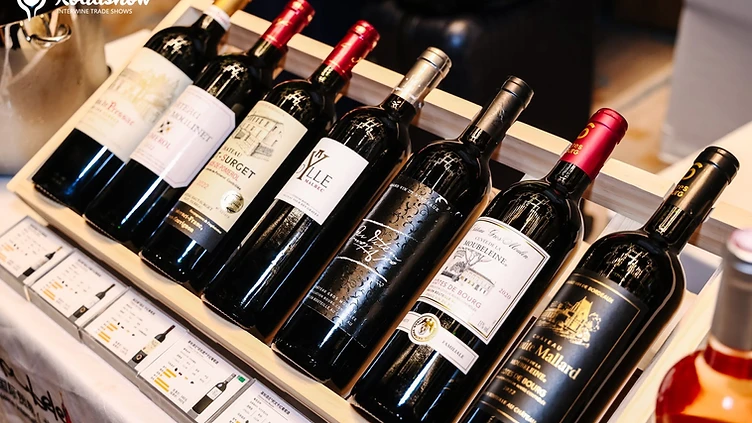
While China's aggregate wine import market contracted to €1.3 billion in 2025 according to Nomisma Wine Monitor, the white wine market in China represents an extraordinary structural bright spot. Driven by younger consumers, modern gastronomy, and digital commerce, white wine demand is expanding, offering global producers high-margin opportunities through targeted distributor access.
The white wine market in China has transitioned from an industry afterthought into one of the most commercially promising segments in Asian beverage trade. While historical consumption in China overwhelmingly prioritized full-bodied red wines for banqueting and formal gift-giving, dynamic structural adjustments among urban consumers have rewritten category fundamentals. According to trade data published by Nomisma Wine Monitor in January 2026, total wine imports into China contracted by 21% to €1.3 billion in 2025. Yet, amidst this broader consolidation, white wine origins achieved counter-cyclical surges: between 2020 and 2025, New Zealand’s exports to China increased by 140% and Germany’s by 34%, driven overwhelmingly by Sauvignon Blanc and premium Riesling. For global estates, wineries, and brand owners evaluating international expansion, navigating mainland China’s evolving distribution landscape is no longer about shipping generic bulk reds—it requires an intentional commercial playbook targeting modern white wine demand.
Structural Growth Drivers Behind White Wine Consumption
The expansion of white wine consumption across Tier-1 and emerging Tier-2 hubs reflects deep demographic and behavioural realignments. Rather than seeing wine purely as a status-driven luxury, modern Chinese drinkers consume wine in personal and relaxed social settings.
Generational Tastes and the Female Drinking Economy
Traditional red wine previously gained market prominence due to perceptions of cardiac health benefits and the cultural significance of the colour red in ceremonial banqueting. However, younger consumers aged 25 to 40 favor freshness, balanced acidity, aromatics, and lower perceived alcohol levels. According to the ProWine China 2025 Business Report published in mid-2025, 55% of surveyed trade professionals and 44% of producers expect dry still white wines to be among the strongest category performers through 2027.
Concurrently, the rapid growth of the "She Economy" (female consumer spending) plays a critical role. Chinese female professionals increasingly purchase aromatic white varietals such as Marlborough Sauvignon Blanc, Mosel Riesling, Chablis, and Italian Pinot Grigio for solo consumption, casual gatherings, and self-reward occasions, avoiding the heavy tannins and austere oak profiles common to traditional red imports.
Modern Gastronomic Pairing and Regional Palates
Mainland China encompasses complex culinary traditions where heavy, oaked red wines frequently clash with regional dishes. White wine delivers natural synergies across prominent Chinese culinary centers:
- Cantonese (Yue) Cuisine: The delicate steamed seafood, dim sum, and poultry characteristic of Guangdong and the Pearl River Delta pair exceptionally well with mineral-driven, dry whites like Chardonnay, Albariño, and Chenin Blanc.
- Jiangnan / Huaiyang Cuisine: Coastal and riverfront dining in Shanghai, Zhejiang, and Jiangsu emphasizes freshwater fish, crustaceans, and slightly sweet sauces that pair naturally with off-dry German Rieslings or aromatic Gewürztraminer.
- Sichuan & Hunan Dining: While spicy, numbing peppercorn-laden cuisines overwhelm tannic reds, slightly chilled, aromatic, and fruit-forward white varietals provide palate-cleansing freshness.
Importers and on-premise beverage managers recognise that offering white wines by the glass dramatically improves guest retention across contemporary bistros, modern Chinese dining rooms, and seafood establishments.
Shifting Country Origins and Category Share
Trade developments and changing consumer preferences have rapidly recalibrated supplier market shares across China’s customs entry points.
+-----------------------+-----------------------------+--------------------------------------+
| Producing Region      | Core White Wine Varietals   | Key Market Dynamics & Drivers        |
+-----------------------+-----------------------------+--------------------------------------+
| New Zealand           | Sauvignon Blanc, Pinot Gris | +140% growth (2020–2025); high brand |
|                       |                             | loyalty in Tier-1 on-trade channels  |
+-----------------------+-----------------------------+--------------------------------------+
| Germany               | Riesling (Kabinett, Spätlese| +34% growth (2020–2025); 54% from    |
|                       | Trocken), Weissburgunder    | Mosel & Rheinhessen DOP designations |
+-----------------------+-----------------------------+--------------------------------------+
| France                | Chablis, Sancerre, Bordeaux | Sustained prestige; high premium     |
|                       | Blanc, Burgundy Chardonnay  | valuation in fine dining & gifting   |
+-----------------------+-----------------------------+--------------------------------------+
| Italy & Spain         | Pinot Grigio, Soave,        | Rapidly expanding in casual bistros, |
|                       | Albariño, Verdejo           | natural wine bars, and e-commerce    |
+-----------------------+-----------------------------+--------------------------------------+
| Domestic China        | Chardonnay, Italian Riesling| Emerging boutique production in      |
| (Ningxia, Xinjiang)   |                             | Ningxia, gaining trade curiosity     |
+-----------------------+-----------------------------+--------------------------------------+
As reported by Vinetur in 2026, New Zealand and Germany represent exceptional outliers against broader import declines. In fact, 54% of Germany’s still wine shipments to China now consist of Protected Designation of Origin (PDO) bottlings from the Mosel and Rheinhessen regions. For prospective international brand owners, these numbers illustrate an essential lesson: while the mass-market commercial red category struggles with inventory overhang, targeted white wine categories are actively building market share.
Route-to-Market Channels: On-Trade, Retail, and Digital Commerce
Winning market share for white wine requires building distribution across diversified, channel-specific touchpoints throughout China's retail ecosystem.
Contemporary On-Trade and Concept Bars
Bistro culture, contemporary izakayas, wine lounges, and specialized natural wine bars have expanded significantly across primary commercial centers like Shanghai, Shenzhen, Guangzhou, and Chengdu. These venues bypass cumbersome formal protocol in favor of rotated by-the-glass selections, seasonal discovery flights, and summer white-wine pairings. Brand visibility within these lifestyle venues acts as an influential proof-of-concept for visiting Tier-2 regional distributors searching for proven consumer items.
Digital Channels and Livestream Commerce
China boasts the world's most digitized retail economy. As noted in the ProWine China 2025 Business Survey, 77% of surveyed industry professionals project that livestreaming and social platforms such as Douyin and Xiaohongshu (RED) will drive substantial wine discovery and retail conversion.
Social channels are uniquely suited to white wine education. Through short-form video masterclasses, tastemakers unpack practical consumption scenarios—such as chilling temperatures, screwcap convenience, picnic suitability, and pairing suggestions for hot-pot dining. Establishing digital awareness directly bolsters offline commercial velocity by generating measurable pull-through demand for regional wholesalers.
Commercial Obstacles and Practical Market Entry Decisions
International wineries expanding into China’s white wine market must resolve distinct operational and commercial challenges:
- Cold Chain Integrity and Freshness: Unlike heavy vintage reds that tolerate moderate cellar storage variations, white wines—especially aromatic, low-sulfur, or unoaked styles—are vulnerable to heat spikes during transit through tropical southern ports and long-haul domestic transit. Securing reliable refrigerated shipping (reefer containers) and temperature-monitored warehousing in bonded ports is non-negotiable.
- Education Regarding Chilled Serving: While major cosmopolitan dining venues understand appropriate serving temperatures, suburban and inland on-trade venues frequently lack cold storage space or wine-chilling protocol. Successful brands provide active field support, including branded ice buckets, staff pairing cheat sheets, and glassware education.
- Navigating Evolving Trade Compliance: Producers must stay current on national customs registrations, General Administration of Customs of China (GACC) facility filings, Chinese back-label requirements, and mandatory additive disclosures. Wineries seeking the latest compliance shifts can evaluate strategic intelligence through Market Insights.
Capitalising on the White Wine Opportunity with Interwine
Building distribution across China requires authentic, face-to-face commercial vetting. Relying on remote transactional contact rarely produces lasting partnerships in a trade environment built on trust, brand storytelling, and localized market commitments.
Participating as a category leader at premier trade expos allows producers to connect directly with pre-qualified buyers, regional sub-distributors, hotel beverage directors, and supermarket sourcing executives. Exporters planning their entry should review the established Exhibitor Directory to evaluate peer presence, reserve curated commercial meetings through Business Matching services, and solidify their presence by choosing to Become an Exhibitor at upcoming sessions.
China’s wine sector has entered a mature phase of deliberate selection, premiumization, and category diversification. Producers that enter the market with clear varietal narratives, reliable supply chains, and qualified regional distributor alliances will define the next cycle of commercial growth in the white wine market in China.
Sources
- Nomisma Wine Monitor via Vinetur (January 2026), China's Wine Imports Plunge 21% in 2025 as Market Weakness Deepens
- ProWine China & Geisenheim University (June 2025), ProWine International Business Report China 2025
- Market Research Future (August 2026), China Wine Market Size, Share Industry Analysis By 2035
- VVR International (March 2026), The Chinese Wine Market in 2026: Trends and Consumption
Key Takeaways
- —While total Chinese wine imports fell 21% to €1.3 billion in 2025 according to Nomisma Wine Monitor, white wine demand from New Zealand (+140%) and Germany (+34%) achieved substantial counter-cyclical growth between 2020 and 2025.
- —The 2025 ProWine China Business Report revealed that 55% of surveyed trade professionals expect dry white wines to show the strongest sales performance through 2027.
- —Consumer diversification is led by younger demographics and female professionals seeking lighter, aromatic, food-friendly options over traditional tannic reds.
- —White wine varieties pair seamlessly with regional Chinese cuisines, notably Cantonese seafood and slightly sweet Jiangnan regional dishes.
- —Exhibiting at Interwine enables international white wine producers to bypass fragmented trade tiers and engage verified national distributors directly.
Frequently Asked Questions
What is the current growth trend for the white wine market in China?
While the total imported wine sector faced overall contraction down to €1.3 billion in 2025, white wine has seen marked counter-cyclical expansion. Trade data shows white-focused exporting nations like New Zealand (+140%) and Germany (+34%) grew exports to China between 2020 and 2025, supported by younger consumers and modern dining trends.
Which white wine varietals are most popular among Chinese buyers?
New Zealand Sauvignon Blanc, German Riesling (especially Mosel and Rheinhessen PDO styles), Chablis, and approachable aromatic varieties like Pinot Grigio and Moscato are currently leading commercial volumes and on-trade beverage programs.
Why are Chinese consumers switching from red wine to white wine?
The transition is propelled by lifestyle changes among younger drinkers (aged 25-40) and women who prefer crisp, lighter, low-tannin beverages. Additionally, white wine provides superior culinary pairings with seafood-driven Cantonese and Jiangnan dishes compared to traditional heavy reds.
What are the most critical logistical concerns for white wine exported to China?
Maintaining continuous refrigerated cold-chain transit (reefer containers) and temperature-controlled warehousing is vital. White wine is especially sensitive to heat fluctuations during port clearance and domestic cross-province distribution.
How can foreign white wine estates find qualified distributors in mainland China?
Partnering with specialized trade fairs such as Interwine gives wineries direct access to vetted regional distributors, beverage buyers, and e-commerce merchants actively looking to diversify their portfolios with imported white wines.