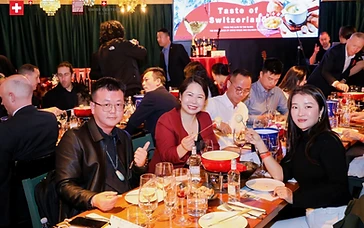
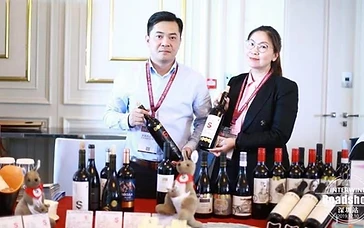
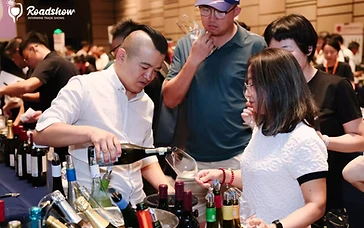
The 34th Interwine Guangzhou Concluded with a Success
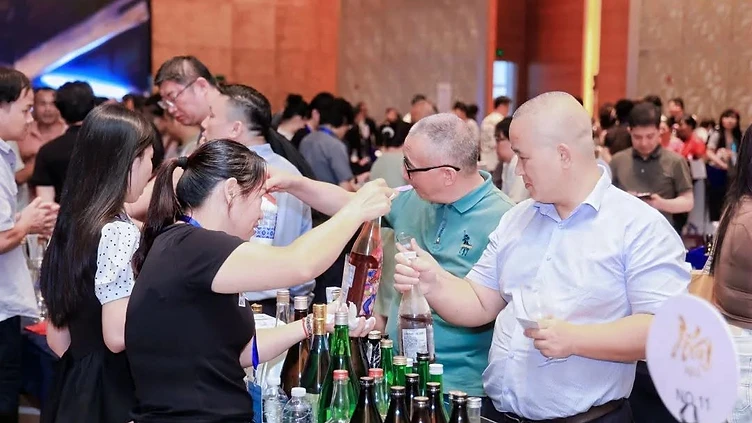
The 34th Interwine Guangzhou successfully concluded, marking a pivotal moment for international wine and spirits trade by drawing 12,942 professional buyers to the Greater Bay Area.
A Resilient Hub for International Trade. The 34th Interwine Guangzhou concluded as a testament to the enduring strategic importance of the Southern Chinese market. Held from May 20 to 22, the event served as a critical nexus for global producers and domestic distributors. With a verified attendance of 12,942 professional buyers, the exhibition reaffirmed its status as a cornerstone for those looking to solidify their footprint within the Greater Bay Area and the broader Chinese market. At a time when the industry is actively navigating complex structural shifts, the success of this edition underscores the continued appetite for international quality and the evolution of consumer preferences in the Chinese market. For international wineries, spirits distillers, and regional importers, Interwine Guangzhou acts not merely as an exhibition space but as a sophisticated business engine that facilitates market entry and channel expansion. The 34th edition emphasized the necessity of agility. As China's wine consumption patterns evolve, the shift towards diverse, premium, and sustainable options is becoming increasingly pronounced. By gathering thousands of trade professionals under one roof, the event provided the necessary scale to test market sentiment, refine brand positioning, and establish the high-level professional connections required to move beyond traditional retail models. ## Navigating Transformation in the Chinese Wine Market. The current climate in China’s wine sector is defined by transformation. We are witnessing a transition from traditional consumption patterns toward a more sophisticated, diversified model that prioritizes brand storytelling, regional authenticity, and specific price-to-quality ratios. For the 12,942 buyers in attendance, the primary objective was clear: discovering products that resonate with a younger, digital-native demographic while maintaining the classic elegance that mature drinkers expect. The Greater Bay Area remains a unique microcosm of this evolution. As a key economic zone, its influence ripples throughout the mainland, setting trends for consumption and distribution. International brands that successfully navigate this territory often find that their local successes act as a springboard for national scaling. The 34th Interwine facilitated this by hosting a diverse array of exhibitors, from well-established chateaus to emerging craft spirits producers, ensuring that the supply side matched the nuanced demand of the regional market. ## Business Opportunities and Channel Expansion. Success at Interwine is increasingly tied to the efficacy of business matching. The 34th edition highlighted that the traditional 'distributor-only' model is being supplemented by more direct-to-consumer and O2O (Online-to-Offline) channels. Brands that prioritize collaborative partnerships—leveraging the digital expertise of local partners while providing consistent support—are gaining significant ground. During the three-day event, attendees focused on strengthening existing partnerships while scouting for new portfolios. The influx of professional buyers confirms that there is significant potential for high-quality, mid-to-high-end wines that offer clear value propositions. For international exporters, the message is clear: China is not a monolithic market. A successful strategy requires localized marketing, clear educational support for sales staff, and a deep understanding of the diverse tiers within the distribution hierarchy. Interwine provides the ground-level visibility required to make these strategic decisions, offering insights into which regional markets are currently showing the highest growth potential for specific categories. ## Practical Recommendations for International Producers. To maximize the impact of future participation, exhibitors should approach the Chinese market with a long-term mindset. First, focus on education. The Chinese market thrives on storytelling. Whether it is a heritage-rich Bordeaux blend or a boutique Australian Shiraz, communicating the history and the 'terroir' is essential for high-end market penetration. Second, embrace omni-channel distribution. Do not limit your strategy to traditional retail. Explore collaborations with local e-commerce leaders and high-end HoReCa (Hotel, Restaurant, and Cafe) accounts that prioritize unique, non-commodity offerings. Third, leverage data. The buyers who attended the 34th edition are highly analytical. They expect detailed technical data, consistent supply chain reliability, and localized collateral that explains the wine in the context of Chinese gastronomy. By aligning your brand with these expectations, you bridge the gap between being a foreign product and a familiar, reliable choice for the local consumer. ## Sustaining Momentum in the Greater Bay Area. The conclusion of the 34th Interwine is just the starting point for a cycle of business development. As we look toward future iterations, the focus will remain on fostering these high-value connections. The engagement seen in May demonstrates that, despite global economic fluctuations, the appetite for premium international wines in China remains robust. Stakeholders must continue to view the Greater Bay Area not just as a location, but as an essential strategic gateway. The professional caliber of the 12,942 attendees proves that the demand for professional trade platforms is higher than ever. By participating in these events, exhibitors ensure their presence remains top-of-mind for key distributors, wholesalers, and retail chains that dictate the flow of international product into the heart of China. In conclusion, the 34th Interwine Guangzhou was a resounding success that provided a clear roadmap for the future. It reminded the international wine community that business in China is built on trust, consistency, and presence. Whether you are an established player or a newcomer, the opportunity to connect with the right partners in the right setting is what will drive the next wave of growth for your brand in the Asian market. We invite you to continue this journey by exploring our upcoming events and resources to ensure your brand remains at the forefront of the Chinese wine and spirits landscape.
Key Takeaways
- —The 34th Interwine Guangzhou hosted 12,942 professional buyers, confirming the sustained demand for international wine and spirits in Southern China.
- —The Chinese market is undergoing a structural shift toward premiumization and diverse consumption patterns, requiring brands to adopt more sophisticated marketing narratives.
- —Success in the Greater Bay Area requires a combination of high-level business matching, localized distribution strategies, and robust educational support.
- —The exhibition serves as a critical strategic gateway for brands looking to scale their presence across the Chinese mainland through both traditional and O2O channels.
- —Continuous engagement with professional trade platforms is essential for brands seeking to maintain long-term relevance and market penetration.
Frequently Asked Questions
What was the total attendance at the 34th Interwine Guangzhou?
The 34th Interwine Guangzhou, held from May 20 to 22, attracted 12,942 professional buyers to the event over the course of three days, confirming its status as a major trade hub in the region.
Why is the Greater Bay Area significant for international wine brands?
The Greater Bay Area acts as a high-growth economic zone and a primary gateway for imported goods. Its influence on national consumption trends makes it a critical region for international wineries seeking to build long-term brand awareness and establish distribution networks in China.
How is the Chinese wine market currently evolving?
The market is shifting from generic volume-based consumption toward a more nuanced, quality-focused model. Today's consumers and buyers are prioritizing brand heritage, sustainability, and authentic storytelling, moving away from traditional models to more varied, digital-first, and O2O purchasing channels.
What is the best way for international exhibitors to prepare for future Interwine events?
Exhibitors should focus on localized marketing collateral, deep market research, and establishing strong relationships with local partners. Developing a long-term educational strategy for your brand and ensuring consistent supply chain support are essential components for success in the Chinese market.
Is Interwine Guangzhou suitable for spirits brands as well as wine?
Yes. Interwine is an international wine and spirits trade organization. The event is a comprehensive platform that facilitates trade for both global wine producers and spirits brands looking to expand their footprint within the Chinese market.