Reaching Bali Hotel Wine Buyers Through Qualified Indonesian Partners
A commercial B2B guide for international wineries and export managers on reaching Bali luxury hotel and resort wine buyers by navigating Indonesian import quotas, IT-MB licensing, excise duties, and vetted distributor partnerships.
Reaching Bali luxury hotel wine buyers requires navigating Indonesia's tightly controlled, quota-driven import ecosystem through fully licensed local partners. Foreign wineries cannot sell wine directly to Indonesian resorts, private beach clubs, or luxury hospitality groups. Commercial success depends entirely on securing an alliance with an Indonesian partner holding an active Registered Importer of Alcoholic Beverages (IT-MB) permit, alongside domestic sub-distributors capable of moving stock into Bali's premier on-trade accounts.
According to research published by Ken Research (2026), the Indonesian wine market reached USD 185 million in 2025 and is projected to expand to USD 281 million by 2031. Bali represents the nation's primary hospitality and wine-experience cluster, accounting for 6.95 million direct foreign tourist arrivals in 2025—roughly 45% of Indonesia's total international visitor traffic. Together, Bali and Greater Jakarta command an estimated 80% of total national wine market value. For international wine producers evaluating commercial routes across the Asia Wine Market, Bali offers exceptional pourage volume and brand visibility, provided exporters understand the structural mechanics of Indonesian partner selection.
The Commercial Structure of Indonesia's Wine Trade
Indonesia treats alcoholic beverages under strict regulatory oversight. Navigating this framework requires an understanding of legal distinctions, agency roles, and tax structures. Please note that the following outlines commercial market mechanics and does not constitute formal customs or legal advice; exporters must verify current filing protocols with licensed counsel or customs brokers.
Legal Framework: Import Licenses and Distribution Tiers
Direct distribution by foreign entities is strictly prohibited under Indonesian trade law. Importers must hold specific government authorizations:
- IT-MB (Importer Terdaftar Minuman Beralkohol): Only a strictly limited pool of state-authorized trading entities hold IT-MB licenses to import Category B (15–20% ABV) and Category C (above 20% ABV) alcoholic beverages.
- Annual Quota System: The Indonesian Ministry of Trade allocates annual import quotas to IT-MB holders. An importer cannot clear cases beyond their approved allocation, regardless of hotel demand.
- BPOM Registration: Every Stock Keeping Unit (SKU) must receive an individual product registration number (ML number) from the Indonesian Food and Drug Authority (BPOM). The testing and approval process routinely spans 6 to 12 months per SKU.
- Tier-2 and Regional Distributors (Distributor/Sub-Distributor Minuman Beralkohol): Primary IT-MB holders typically operate bonded warehouses in Jakarta or Surabaya. They work with regional distribution partners in Bali who hold regional trading licenses to supply on-premise venues legally.
The Price Build-Up: Tariffs, Luxury Taxes, and Margins
Imported wine entering Indonesia faces substantial fiscal compounding. Customs duties, alcoholic excise duties, VAT, and withholding taxes combine to make retail and on-premise wine prices significantly higher than FOB baseline values. When an exporter calculates list pricing for Bali resort wine directors, they must account for the full commercial cascade:
[FOB Price + Freight/Insurance]
  + Customs Import Duty
  + Specific Excise Duty (per liter based on ABV tier)
  + Import Sales Tax (PPN 11%) & Withholding Tax (PPh 22)
  + Importer & BPOM Amortization Margin
  + Bali Regional Cold-Chain Logistics
  + Sub-Distributor Margin (15–25%)
  + Resort/Hotel Pouring Margin (65–75% On-Premise Target Margin)
  = Final Wine List Selling Price (IDR)
Because hotel food and beverage directors must protect their gross operating margins, a premium imported bottle retailing abroad at $15 FOB often lists on a Nusa Dua or Seminyak resort wine menu at the equivalent of $80 to $120 USD.
Bali Hotel Sourcing Dynamics: What Resort Buyers Demand
Bali's hospitality landscape comprises international five-star resort brands (such as Marriott luxury collections, Hyatt, Accor, and IHG), independent boutique retreats in Ubud, and high-volume lifestyle beach clubs across Canggu and Uluwatu. Sourcing decisions follow distinct commercial parameters.
Centralized Hotel Chains vs. Independent Luxury Resorts
International hotel chains operating in Indonesia maintain approved supplier lists negotiated between corporate procurement offices in Jakarta and property-level Beverage Directors. Entering an international chain in Bali requires your Indonesian importer to be an approved vendor with the corporate management group. Conversely, independent luxury resorts, villas, and premium beach venues give their resident sommeliers and F&B managers complete autonomy to list niche allocations, biodynamic labels, and boutique varietals.
Climate Resilience and Cold-Chain Logistics
Bali maintains average tropical temperatures exceeding 28°C (82°F) alongside elevated humidity. International resort buyers place strict technical demands on their distributors:
- Reefer Container Transport: Domestic transit from Jakarta or Surabaya to Bali via road-ferry or domestic coastal shipping must utilize temperature-controlled reefer units.
- Air-Conditioned Depots: Regional Bali distributors must store inventory in insulated, air-conditioned warehouses in Denpasar, Badung, or Gianyar.
- Immediate Delivery Windows: Resort cellars have limited footprint storage. Distributors must guarantee 24- to 48-hour replenishment cycles.
Exporters whose Indonesian partners cut shipping costs by using dry domestic containers risk rapid heat damage, which leads to immediate delisting by five-star properties.
Partner Vetting Framework: Selecting an Indonesian Distributor
Wineries seeking Indonesian representation must rigorously screen candidate distributors. The following comparison highlights structural differences across partner profiles:
| Partner Profile | Import Autonomy | On-Premise Bali Reach | Best Suited For | | :--- | :--- | :--- | :--- | | Tier-1 National IT-MB Holder | High (Owns national quotas directly) | Moderate to High (Relies on regional subsidiaries) | High-volume commercial brands requiring nationwide distribution | | Specialist Fine Wine Importer/Distributor | High (Holds dedicated allocations) | Excellent (Direct relationships with Bali sommeliers) | Premium estate wineries, organic/biodynamic producers, luxury sparkling | | Bali Regional Sub-Distributor | None (Procures from national IT-MB holders) | Dominant (Controls day-to-day resort deliveries) | Secondary brand activation and regional pourage placement |
Key Vetting Criteria for Exporters
- Quota Transparency: Does the partner have an uncommitted quota allocation for your country of origin in the upcoming Ministry of Trade review cycle?
- BPOM Management: Will the distributor finance and manage the BPOM ML registration dossier, or do they deduct registration fees from initial marketing allowances?
- Bali Account Roster: Can the distributor verify active accounts with at least 25 recognized luxury resorts or flagship beach clubs in Bali?
- Cold-Chain Infrastructure: Does the partner provide verified temperature logs for domestic warehousing and inter-island transit?
Actionable Partner-Readiness Checklist
Before executing a commercial agency agreement for the Indonesian market, complete the following preparation:
- [ ] Document Legal Brand Ownership: Prepare apostilled Certificates of Free Sale, Certificate of Origin, and brand trademark registrations required for BPOM filing.
- [ ] Establish Landed Cost Models: Build clear pricing scenarios detailing FOB base price, CIF Tanjung Priok, estimated landed excise costs, and recommended Bali hotel list prices.
- [ ] Formulate Allocation Contingencies: Ensure winery supply chains can accommodate the slow, bulk ordering patterns caused by Indonesian import permit cycles.
- [ ] Structure Joint On-Premise Support: Allocate brand budgets for sommelier education, staff incentive programs, masterclasses, and printed menu allowances in key Bali venues.
- [ ] Verify Commercial Roadshow Alignment: Confirm physical presence at regional trading hubs where qualified Southeast Asian and Indonesian buyers assemble.
Commercial Sourcing and Matchmaking Routes
Identifying qualified Indonesian distributors requires dedicated commercial engagement. Experienced brand managers connect with verified buyers through structured B2B trade platforms and targeted regional tours.
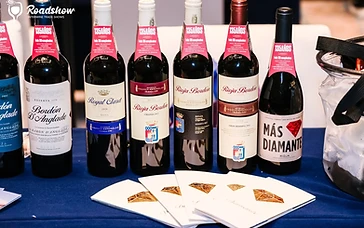
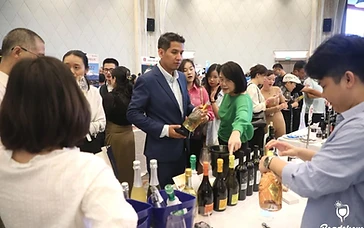
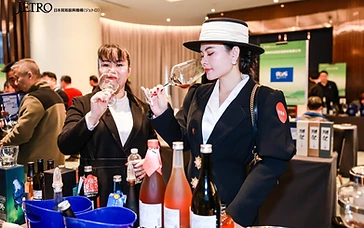
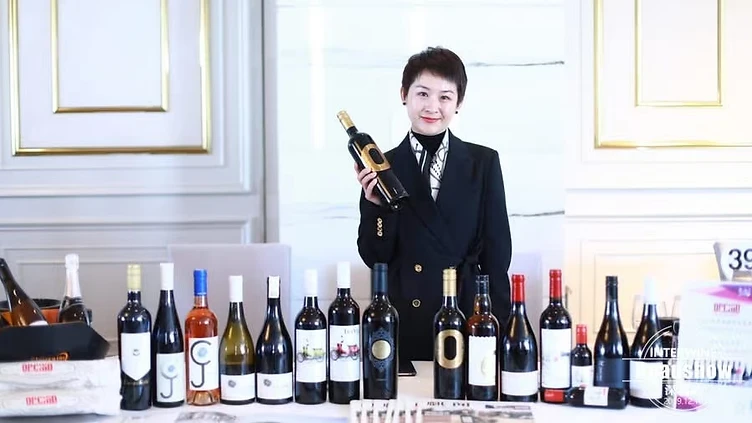
Producers seeking verified regional partners can participate in curated Business Matching sessions and regional roadshows. INTERWINE organizes dedicated B2B platforms connecting global wine producers with accredited Asian importers:
- INTERWINE Guangzhou (Autumn 2026): 16–18 November 2026 at the China Import and Export Fair Complex / Pazhou, Guangzhou.
- INTERWINE Hanoi Roadshow 2026: 20 November 2026.
- Spring Guangzhou 2027: 7–9 May 2027 at the Pazhou Complex.
- Asia Roadshow 2027: Connecting high-growth hubs across Hanoi (11 May 2027), Kuala Lumpur (13 May 2027), Singapore (15 May 2027), and Bali (17 May 2027).
- INTERWINE Vietnam 2027: 6–8 July 2027 at the Saigon Exhibition and Convention Center (SECC), Ho Chi Minh City.
- Autumn Guangzhou 2027: 31 October–2 November 2027.
For international brand directors, engaging pre-screened importers on the trade floor or reviewing certified attendees in the Exhibitor Directory eliminates unverified middlemen and accelerates contract discussions.
Hypothetical Commercial ROI Model for a Bali Resort Placement
To assess the commercial feasibility of entering the Bali hospitality market via an Indonesian distributor, consider this hypothetical scenario based on standard luxury resort pourage.
Scenario Assumptions (Hypothetical)
- Product: Premium Estate Chardonnay (750ml).
- Placement: By-the-glass (BTG) program across 4 luxury Bali resort properties (1 pool club, 3 signature dining venues).
- Annual Volume: 4 venues × 15 cases/month = 60 cases/month (720 cases / 8,640 bottles annually).
- FOB Export Price: $12.00 USD per bottle.
- Direct Winery Production & Packaging Cost: $5.50 USD per bottle.
- Gross Margin per Bottle before Indonesian Market Allocation: $6.50 USD ($12.00 - $5.50).
Total Direct Export Costs (Annual Allocation)
- BPOM Registration amortization (3 SKUs across 3-year term): $1,500/year.
- In-market resort staff training & sommelier masterclass fund: $4,000.
- Trade roadshow travel & sample shipment: $3,500.
- Total Annual Dedicated Commercial Expenses: $9,000 USD.
Return on Investment Calculation
- Gross Revenue to Winery: 8,640 bottles × $12.00 = $103,680 USD.
- Total Cost of Goods Sold (COGS): 8,640 bottles × $5.50 = $47,520 USD.
- Gross Contribution Margin: $103,680 - $47,520 = $56,160 USD.
- Net Contribution Margin (after commercial expenses): $56,160 - $9,000 = $47,160 USD.
- Hypothetical Commercial ROI: ($47,160 Net Margin / $56,520 Total Costs [COGS + Expenses]) × 100 = 83.4%.
This hypothetical model illustrates that once the initial barrier of regulatory registration and commercial setup is cleared, sustained on-premise resort pourage delivers dependable volume and high net margins.
Conclusion: Navigating Bali's Hospitality Channel
Bali's luxury hotel sector represents one of Southeast Asia's most resilient wine consumption markets. However, foreign producers cannot short-cut Indonesian regulatory realities. Successful market development requires partnering with an established, quota-holding IT-MB importer that maintains an unbroken cold-chain corridor into Bali's premier resort cellars. By structuring realistic landed pricing models, vetting local distributors thoroughly, and engaging directly with regional buyers through dedicated platforms such as Business Matching, wineries can secure sustainable placements on Bali's most prestigious wine lists.
Sources
- Ken Research: Indonesia Wine Market Share, Companies & Trends Report 2026-2031
- Wine Australia: Export Market Guide - Indonesia
- Australian Trade and Investment Commission: Market Insights for Exporting Wine to Indonesia
- Source of Asia: Southeast Asia Wine Market 2026 Overview
Key Takeaways
- —Indonesia's wine market was valued at USD 185 million in 2025 and is projected to expand to USD 281 million by 2031 (Ken Research, 2026).
- —Bali and Greater Jakarta account for an estimated 80% of total Indonesian wine market value, driven by international tourism and luxury hospitality.
- —Foreign wine producers cannot export directly to hotels; access requires a licensed IT-MB import partner subject to strict annual government import quotas.
- —Every wine SKU imported into Indonesia must obtain a dedicated ML registration number from the BPOM food and drug authority prior to customs clearance.
- —Cold-chain logistics between Jakarta/Surabaya entry ports and Bali warehouses are vital to protect wine quality from tropical heat spoilage.
- —Participating in structured B2B trade platforms and the INTERWINE Asia Roadshow 2027 enables direct commercial connections with qualified regional distributors.
Frequently Asked Questions
Can foreign wineries sell wine directly to Bali hotels and resorts?
No. Under Indonesian trade law, alcoholic beverages can only be imported by licensed IT-MB (Registered Importer of Alcoholic Beverages) holders holding an approved government import quota. Wineries must sell to a licensed importer, who then distributes through licensed sub-distributors to Bali on-premise venues.
What is the BPOM registration requirement for wine in Indonesia?
Every alcoholic beverage SKU entering Indonesia must receive an individual product registration code (ML number) from the Indonesian Food and Drug Authority (BPOM). The registration process requires extensive laboratory documentation and typically takes 6 to 12 months to complete.
Why is cold-chain storage critical for Bali wine distribution?
Indonesia's tropical climate routinely exceeds 28°C (82°F) with high humidity. Because imported wine arrives at central ports like Jakarta or Surabaya before transit to Bali, unconditioned shipping risks heat damage. Luxury resort wine buyers require partners who guarantee continuous temperature-controlled storage and reefer transport.
How can wineries meet vetted Indonesian wine importers?
Producers can connect with accredited Southeast Asian importers and distributor networks through organized trade platforms, such as the INTERWINE Asia Roadshow 2027 (visiting Hanoi, Kuala Lumpur, Singapore, and Bali) and pre-arranged Business Matching programs.