Interwine exhibitor announcement: Key categories and participants

Discover the latest Interwine exhibitor announcement, covering key beverage categories, international pavilions, boutique participants, and tactical routes to China’s on-trade and off-trade channels.
The latest Interwine exhibitor announcement: key categories and participants reveals a market undergoing structural transformation. For global producers, brand owners, regional generic bodies, and Chinese importers, trade exhibitions are no longer simply places to display bottles—they serve as operational engines for commercial discovery, localized compliance, and portfolio realignment. Interwine stands at the heart of this dynamic, anchoring the wine and spirits trade across mainland China, particularly through its southern hub in Guangdong, which accounts for over 60% of mainland China's imported wine consumption according to Interwine's historical trade data (Interwine, 2024).
Whether planning participation across signature sessions in Guangzhou, targeted events in Shenzhen, or the annual Chengdu Winery Show, professional buyers and exhibitors must navigate a roster that balances heritage Old World estates, resurgent New World labels, and emerging boutique spirits. Here is an authoritative B2B analysis of the exhibitor categories, participant profiles, and commercial strategies driving the upcoming exhibition cycles.
Core Product Categories Shaping the Show Floor
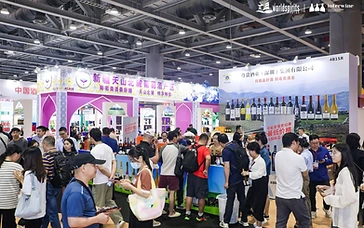
The exhibitor footprint across Interwine's major exhibitions spans up to 50,000 square meters, bringing together more than 1,000 participating exhibitors representing over 50 countries (Expolista, 2024). The product composition reflects broader shifts in Chinese consumer preferences, highlighting four primary categories.
1. Old World Classics and Regional Denominations
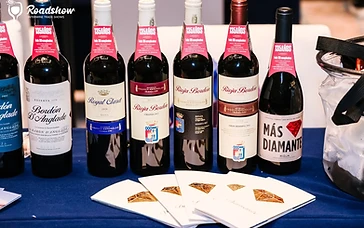
Historic estates and regional consortiums from France (Bordeaux, Burgundy, Rhône, Languedoc), Italy (Tuscany, Piedmont, Veneto), and Spain (Rioja, Ribera del Duero) maintain a vital anchor position. Educational initiatives such as the Chianti Academy China continue to cultivate brand loyalty across Tier-1 and Tier-2 metropolises (Interwine, 2025). However, the buying mandate has evolved: Chinese importers are shifting away from mass-volume, low-tier Appellation d'Origine Protégée (AOP) lines toward distinct terroir wines, single-vineyard expressions, and certified organic producers capable of sustaining margin stability.
2. New World Producers and Alternative Terroirs
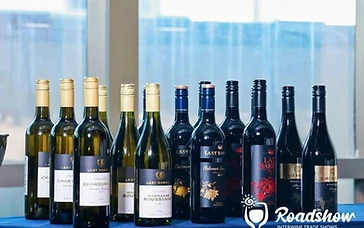
With trade agreements shifting and market dynamics evolving, New World wines are expanding their retail and dining presence. Australian producers—including historic family wineries such as Richard Buller Wines and Welland Wines from South Australia's Barossa corridor—have returned to actively secure distribution partnerships (Interwine, 2025). They are joined by premium selections from Chile, Argentina, and South Africa.
Concurrently, buyer interest has surged in unconventional terroirs. As reported by Beverage Trade Network, emerging origins such as Georgia, Moldova, and Eastern European regions are capturing distribution channels by offering distinct indigenous grapes (such as Saperavi), amphora aging methods, and exceptional price-to-quality ratios (Beverage Trade Network, 2024).
3. Craft and International Spirits
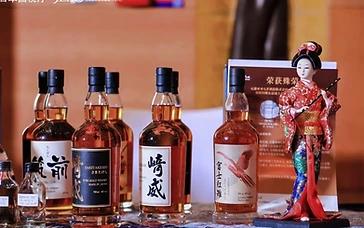
Interwine's platform increasingly highlights the craft spirits category. The modern Chinese on-trade channel requires spirits that cater to high-energy cocktail lounges, upscale hotel bars, and experiential speakeasies. Exhibitor categories span beyond traditional Cognac and Scotch to feature:
- Single malt and blended whiskies from emerging production hubs (such as Piccadilly Distillery from India);
- Unique geographic spirits, including national icons like Bolivian Singani, distilled from Muscat of Alexandria grapes (Interwine, 2025);
- Artisanal gins, agaves, and botanical brandies tailored for modern cocktail menus.
4. Low-Intervention, Natural, and Sustainable Wines
Driven by millennial and Gen-Z consumers in Shenzhen, Shanghai, and Guangzhou, the demand for natural, biodynamic, and low-sulfite wines has shifted from a fringe subculture to an established retail force. Exhibitors presenting certified sustainable credentials or vegan certifications find direct traction with boutique bistro curators, specialized wine bars, and lifestyle e-commerce channels.
Key Participants: National Pavilions, Independent Producers, and Buying Delegations
Interwine acts as a nexus connecting international capital with nationwide distribution. Understanding the structure of participants helps both buyers and exhibitors calibrate their commercial outreach.
+-----------------------------------------------------------------------------------+
|                             INTERWINE ECOSYSTEM                                   |
+-----------------------------------------------------------------------------------+
|  SUPPLY SIDE (Exhibitors)                     DEMAND SIDE (Trade Visitors)        |
|  - National / Trade Delegations               - Tier-1 Importers & National Wholesalers  |
|    (France, Spain, Italy, Australia, etc.)    - Regional Distributors (40+ Cities) |
|  - Independent Wineries & Distilleries        - HORECA & Hotel F&B Directors      |
|  - Strategic Partners                         - Specialty Retailers & E-Commerce  |
|    (Beverage Trade Network, CWC Winners)        Boutiques                         |
+-----------------------------------------------------------------------------------+
Official Trade Delegations and Generic Bodies
National export boards and regional chambers of commerce coordinate cohesive national pavilions at Interwine. In previous and upcoming sessions, national trade bodies from Spain, France, Italy, Portugal, and South Africa have mobilized collective stands (Interwine, 2019). These pavilions reduce transaction friction for domestic buyers by consolidating customs support, logistics assistance, and localized technical dossiers in one place.
Strategic Alliances: China Wine Competition (CWC) and Beverage Trade Network
In a strategic collaboration announced by Beverage Trade Network, the China Wine Competition partnered with Interwine to offer medal-winning international wines dedicated exhibition access and direct commercial routes into the Chinese on-trade channel (Beverage Trade Network, 2024). This program provides international wineries from Europe, the UK, and the US with an efficient route to validate their labels through international judging before presenting their portfolios directly to South China's distribution networks.
The Buyer Landscape
Interwine gathers verified trade visitors spanning multiple tiers of distribution:
- First-Tier Importers: High-volume distributors seeking exclusive national agency agreements for retail chains and duty-free groups.
- Regional Sub-Distributors: Wholesalers operating across China's extensive internal transport corridors, serving Tier-2 and Tier-3 urban markets.
- HORECA Procurement Leaders: F&B directors from four- and five-star international hotel groups, upscale restaurant chains, and independent wine bistros searching for off-market, high-margin labels.
Commercial Implications for Wine Trade Professionals
Attending or exhibiting at an event of this scale requires careful strategic planning. Market participants must structure their exhibition calendar around clear business benchmarks:
- Targeting South China's Commercial Engine: Because Guangdong is China's largest entry port and trade corridor for bottled wine, participating in Interwine allows international brands to tap directly into localized private-enterprise wealth and established bonded warehousing infrastructure.
- Aligning Price-to-Volume Tiers: Buyers are actively clearing out aging slow-velocity stock and prioritizing wines priced within clear retail bands (¥100–¥300 RMB per bottle for retail; ¥200–¥600 RMB for dining venues). Exhibitors must offer competitive ex-cellar pricing and flexible minimum order quantities (MOQs).
- Leveraging Roadshows and Sub-Events: Beyond the flagship bi-annual Guangzhou exhibitions, Interwine organizes specialized roadshows across more than 40 mainland cities (Interwine, 2024). Wineries can evaluate seasonal entry points, including the Chengdu Winery Show held concurrently with China's broader spring trade gatherings (Velvet Path, 2026).
To review upcoming session dates, forum schedules, and specialized masterclasses, explore Interwine Events. For trade buyers seeking specific brands, consulting the curated Exhibitor Directory provides visibility into confirmed producers ahead of time.
Tactical Readiness: Mitigating Commercial and Regulatory Risks
Entering the mainland Chinese beverage market presents distinct logistical, linguistic, and regulatory demands. Successful participants address the following areas well before arriving on the exhibition floor:
Regulatory Labeling and Customs Clearance
Exhibitors must ensure back labels strictly comply with China Customs (GACC) regulations, including clear Chinese-character declarations of ingredients, allergens (sulfur dioxide), production dates, shelf life, and importer credentials. Displaying samples intended for commercial contract signing requires early coordination with certified customs agents.
Strategic Matchmaking and Lead Management
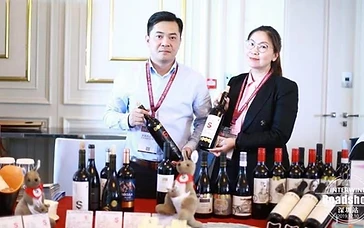
Trade fairs can become overwhelming without structured schedules. International producers should utilize Business Matching services to secure dedicated meetings with vetted importers before traveling. Relying solely on casual booth walk-ins rarely yields long-term exclusivity agreements with top-tier buyers.
Intellectual Property (IP) Protection
Under China's first-to-file trademark system, producers must register their brand names, logo marks, and transliterated Chinese names with the China National Intellectual Property Administration (CNIPA) before exhibiting. Displaying unregistered intellectual property at major international exhibitions exposes producers to trademark preemption risks.
Conclusion
The ongoing evolution of the Interwine exhibitor announcement: key categories and participants reflects an industry maturing past generic consumption into discerning, category-driven procurement. For international wine estates, spirit distillers, and domestic distributors, Interwine remains an essential commercial platform for securing long-term market access across China. Discover where international brands and leading distributors meet next by exploring Interwine Events, or begin preparing your commercial presence and Become an Exhibitor today.
Sources
- Beverage Trade Network (2024): Interwine China: Gateway to Global Wines in the Chinese Market — https://beveragetradenetwork.com/en/btn-academy/articles/interwine-china-bridging-global-wines-and-the-chinese-market-739.htm
- China Wine Competition (2024): Strategic Alliance with Interwine China for Market Access — https://chinawinecompetition.com/en/blog/news-2/china-wine-competition-partners-with-interwine-china-249.htm
- Interwine Official (2025): Interwine News & Concluded Event Reports — http://www.interwine.org/en/h-nr.html?p=2
- Interwine Wikipedia Documentation (2024): Industry Context and Guangdong Market Share Data — https://en.wikipedia.org/wiki/Interwine
Key Takeaways
- —Interwine represents over 50 producing countries across a 50,000-square-meter exhibition footprint, serving as South China's leading wine and spirits trade platform.
- —The upcoming exhibitor categories demonstrate strong shifts toward boutique estates, single-vineyard terroirs, low-intervention organic wines, and craft spirits.
- —Guangdong remains China's primary hub for wine importation and distribution, accounting for over 60% of mainland imports.
- —Strategic partnerships, including alliances with the China Wine Competition and Beverage Trade Network, provide international medal winners and producers with direct access to Chinese buyers.
- —Navigating Interwine successfully requires proactive regulatory preparation, CNIPA trademark filings, and pre-scheduled B2B matchmaking.
Frequently Asked Questions
What product categories are featured at Interwine exhibitions?
Interwine showcases Old World and New World still and sparkling wines, craft spirits (whisky, gin, craft brandy, and regional specialties like Singani), organic and low-intervention wines, and emerging terroirs from Eastern Europe and South America.
Why is Guangdong Province central to Interwine's strategic focus?
Guangdong accounts for over 60% of imported wine consumption in mainland China, offering extensive bonded warehousing infrastructure, mature distribution networks, and strong private-enterprise purchasing power.
How do international wineries participate through national pavilions?
Wineries can participate via pavilions organized by national export promotion councils or generic bodies from countries such as France, Spain, Italy, Australia, and South Africa, which coordinate subsidized booth allocations and shared trade services.
What role does the China Wine Competition partnership play at Interwine?
Through its partnership with Beverage Trade Network, the China Wine Competition brings medal-winning international wines to Interwine, providing overseas producers with organized access to China's on-trade buyers and distribution channels.
What regulatory preparation is required for international exhibitors?
Exhibitors must ensure products comply with GACC customs standards, adhere to Chinese labeling laws, and secure their brand trademarks with China's CNIPA prior to displaying products.