Interwine exhibitor announcement: How to plan meetings
A commercial B2B playbook detailing how wine producers and suppliers can plan, schedule, and execute high-converting buyer meetings following an official Interwine exhibitor announcement.
To turn an official Interwine exhibitor announcement into commercial distribution agreements, international wine and spirits producers must initiate professional outreach 6 to 10 weeks before the exhibition opens. In mainland China's dynamic alcoholic beverage sector, successful trade fair participation requires moving past passive booth presence to operate structured, pre-qualified buyer pipelines across importers, wholesalers, and on-trade channel operators.
According to BestWineImporters, exhibitors that schedule 10 to 20 pre-booked meetings with targeted buyers before arriving in Guangzhou achieve significantly higher conversion rates than those relying entirely on spontaneous foot traffic. The Guangdong region represents mainland China's commercial core for imported wine, accounting for more than 60% of total national imported wine distribution according to historical trade records curated by Interwine via Wikipedia. As buyer groups from tier-1 and emerging regional hubs gather at the China Import and Export Fair Complex (Pazhou Complex, Area B), exhibitors must synchronize brand announcements, logistics clarity, and calendar coordination.
The Commercial Mandate: Why Pre-Show Planning Dictates ROI
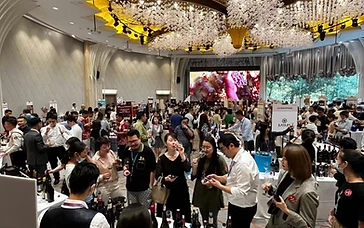
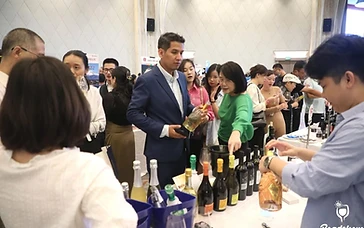
Interwine China is organized by Canton Universal Fair Group Ltd. as a strict business-to-business venue bringing together hundreds of international producers with thousands of distributors, hotel and catering purchasing directors, and regional beverage associations. Because the show takes place over three concentrated days, time management directly dictates cost-per-lead and ultimate distributor acquisition.
Waiting until the exhibition opens to approach prospective partners introduces severe commercial risks. Key buyers from major metropolitan centers such as Guangzhou, Shenzhen, Shanghai, and Chengdu frequently establish full tasting and negotiation itineraries weeks in advance. A structured exhibitor announcement combined with systematic outreach secures priority slots on these buyers' schedules, ensuring your commercial conversations focus on volume viability, pricing tiers, and customs logistics rather than introductory pleasantries. To explore complementary forums and tasting schedules running concurrently at the show, review our curated calendar of [/events](Interwine Events).
Step 1: 6-10 Weeks Out — Audit Positioning and Build Buyer Lists
Trade buyers evaluate foreign wine portfolios against clear market demands: premiumization potential, retail margin preservation, and channel suitability (Horeca versus off-premise or e-commerce). A successful outreach sprint begins by defining the commercial offer and filtering buyer targets accordingly.
Define Commercial Terms and Compliance Prerequisites
Before approaching prospective Chinese partners, wineries must formalize realistic export terms. Avoid initiating outreach until your team has confirmed:
- Incoterms and Pricing Structures: Establish transparent Ex-Works (EXW), Free on Board (FOB), and Cost, Insurance, and Freight (CIF) quotes for Chinese main ports (such as Nansha or Yantian), detailing volume discounts.
- Order Minimums: State Minimum Order Quantities (MOQs) by mixed pallet or single SKU.
- Regulatory Readiness: Ensure readiness for General Administration of Customs of China (GACC) winery registration and Chinese back-label compliance verification.
Producers seeking expanded commercial matching can coordinate with our official [/business-matching](Business Matching) service to align with verified regional distributors.
Constructing the Pre-Qualified Target Profile
Rather than executing broad, untargeted emails, focus your outreach on buyers matching your specific price tier and geographic focus. Prospective leads should be segmented into three primary categories:
- Direct Importers with Nationwide Distribution: High-volume operators looking for container-load supply stability and brand support.
- Regional Niche Distributors: Focused partners targeting regional hospitality networks, specialized wine bars, and boutique corporate gift programs throughout South China.
- Modern Retail & On-Trade Category Managers: Purchasing directors seeking private-label partnerships or premium portfolio differentiation.
Step 2: 3-5 Weeks Out — Distribute the Exhibitor Announcement
Your official exhibitor announcement should serve as a practical B2B invitation rather than a generic promotional flyer. In the Chinese market, trade communications must be direct, data-driven, and accessible across mobile business ecosystems.
Multichannel Announcement Architecture
- WeChat Integration: Incorporate official Chinese-language WeChat contact cards or dedicated enterprise QR codes. A large majority of initial trade scheduling in China occurs via WeChat rather than standard email.
- Direct B2B Email Outreach: Send localized, bilingual announcements directly to buyer shortlists, prominently displaying your exact booth number and hall location in Area B of the Canton Fair Complex.
- Digital Directory Listings: Ensure your brand profile is up to date within the official [/exhibitors](Exhibitor Directory) to capture inbound trade traffic searching by country of origin or grape varietal.
Constructing the Meeting Pitch
Avoid vague invitations such as "Come taste our wine." Instead, anchor the meeting invitation around commercial value:
- Highlight distinct achievements (e.g., internationally recognized scores, organic certification, regional accolades).
- State commercial exclusivity opportunities available in open territories.
- Outline a precise 25-minute meeting structure: 10 minutes focused tasting of 3 target SKUs, 10 minutes commercial discussion (pricing, channel margins, regional exclusivity), and 5 minutes logistics review.
Step 3: 1-2 Weeks Out — Finalize Scheduling and Operational Readiness
In the final two weeks, consolidate your daily schedule to balance pre-booked appointments with open capacity for spontaneous walk-up traffic. Aim to secure 10 to 20 structured, pre-booked appointments across the three exhibition days.
The Daily Schedule Formula
A proven schedule configuration at Interwine involves:
- Morning Slots (10:00 – 12:30): High-priority pre-booked meetings with qualified national and regional importers.
- Midday Window (12:30 – 14:00): Buffer period for booth walk-ins, on-site networking, and attending scheduled industry masterclasses.
- Afternoon Slots (14:00 – 17:00): Follow-up tastings, contract negotiations, and meetings with regional sub-distributors.
Ensure international staff have finalized all entry documentation via [/invitation-letter](Invitation Letter and Visa Support) and secured transit logistics through [/arrival-transportation](Arrival and Transportation) to avoid travel-related appointment delays.
Step 4: On-Site Execution and Negotiation Tactics
Executing meetings at Interwine demands discipline, professional presentation, and cultural nuance. When meeting Chinese trade partners, commercial clarity and respect for negotiation protocol are essential.
Structured Meeting Flow (25-30 Minutes)
- Minute 0–5 (Greeting & Context): Exchange bilingual business cards using both hands. Identify the buyer's distribution channels, annual import volume, and geographic coverage.
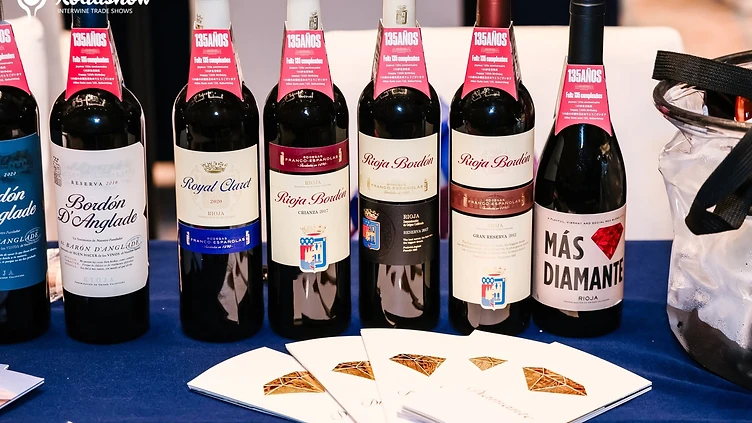
- Minute 5–15 (Focused Portfolio Tasting): Present no more than 3 to 4 targeted SKUs aligned with their price points. Prepare spitting facilities, clean glassware, and temperature-controlled samples.
- Minute 15–25 (Commercial Discussion): Present CIF/FOB pricing sheets in EUR or USD with RMB retail reference points. Clarify MOQ, shipping timelines, and marketing co-investment allowances.
- Minute 25–30 (Action Plan Agreement): Agree on explicit next steps (e.g., sample bottle shipment to their regional office, commercial quote delivery) and connect directly via WeChat.
Step 5: Post-Event Conversion Engine
Trade fair ROI is determined during the follow-up window. In dynamic import markets, unresolved inquiries cool down within 7 to 10 days post-show.
- Day 1–3 Post-Fair: Transcribe all collected contacts and business cards into your CRM. Send personal, bilingual WeChat and email messages referencing specific tasting notes and commercial terms discussed.
- Week 2: Dispatch requested sample cases to buyer headquarters, verifying recipient logistics and tracking details.
- Week 3–4: Follow up with commercial distribution drafts, addressing payment terms, labeling compliance, and shipment schedules.
Conclusion: Turning Planning into Long-Term Distribution
Participating as an exhibitor at Interwine represents a powerful avenue into China's massive, discerning wine market. However, brand presence alone does not generate purchase orders. By issuing structured exhibitor announcements 6 to 10 weeks prior to opening day, pre-qualifying importer profiles, and maintaining disciplined, scheduled meetings at the Pazhou Complex, wine producers establish enduring, profitable distribution partnerships. Take the proactive step to reserve your presence and review upcoming show sessions by exploring [/events](Interwine Events).
Sources
- BestWineImporters: Interwine China Event Overview and Meeting Planning Guide, https://www.bestwineimporters.com/resources/wine-trade-fairs/interwine-china
- Interwine China (Canton Universal Fair Group Ltd.): Official Fair Profile and B2B Guide, http://www.interwine.org/en
- Wikipedia: Interwine Background, History, and Guangdong Market Share, https://en.wikipedia.org/wiki/Interwine
- Velvet Path: Interwine China Guangzhou Logistics, Floor Breakdown, and Strategic Matchmaking, https://velvet-path.com/en/events/interwine-china-may
Key Takeaways
- —Begin trade buyer outreach 6 to 10 weeks prior to the exhibition opening.
- —Target 10 to 20 pre-booked buyer meetings across the three-day event schedule.
- —Anchor exhibitor announcements around commercial terms, pricing tiers, and territory availability rather than generic invitations.
- —Leverage WeChat alongside bilingual email outreach to accommodate Chinese trade communication preferences.
- —Guangdong serves as China's primary wine import hub, handling over 60% of mainland imported wine distribution.
- —Execute systematic post-show follow-up within 72 hours of closing day to secure commercial conversion.
Frequently Asked Questions
When should exhibitors begin reaching out to buyers for Interwine?
Exhibitors should initiate buyer outreach 6 to 10 weeks before the exhibition opens. This timeframe allows regional distributors and national importers enough lead time to evaluate brand portfolios and reserve meeting slots on their on-site itineraries.
How many pre-scheduled meetings should a wine exhibitor target at Interwine?
A realistic and effective target is 10 to 20 pre-scheduled commercial meetings across the three days. This density ensures productive supplier discussions while leaving necessary capacity for spontaneous walk-up trade buyers and concurrent networking forums.
What documentation should wine producers prepare before meeting Chinese buyers?
Producers should prepare bilingual technical product sheets, certified laboratory analysis summaries, transparent FOB/CIF pricing lists with clear volume brackets, Minimum Order Quantity (MOQ) requirements, and proof of GACC facility registration readiness.
Why is the Guangdong region critical for wine importers and exhibitors?
Guangdong represents the commercial hub of mainland China's imported wine trade, historically accounting for over 60% of national wine import and distribution activities, making Guangzhou an optimal venue for meeting serious regional and national partners.
What is the most effective communication platform for scheduling meetings with Chinese wine buyers?
While formal introductory emails remain necessary, integrating enterprise WeChat contacts and QR codes directly into your exhibitor announcement is essential, as the vast majority of daily B2B communication and scheduling in China takes place on WeChat.