Industry Interview: A HoReCa wine buyer on Trade-show sourcing strategy

Discover how a seasoned HoReCa beverage director approaches wine trade shows, audits commercial margins, vets supplier reliability, and navigates macro headwinds to curate profitable hotel and restaurant wine lists.
On-premise wine procurement has shifted from passive sampling to rigorous commercial risk management. In high-volume hotels, restaurant groups, and caterers (HoReCa), a beverage list cannot rely solely on prestige labels or romantic tasting notes. Profitability hinges on supply continuity, ex-cellar versus landed margin spread, distributor clearance, and evolving guest consumption habits. According to Clarkston Consulting's 2026 Wine, Spirits, and Beer Industry Trends report, shifting consumer behavior—where only 54% of U.S. adults consume alcohol and wellness consciousness guides purchasing—has forced on-trade operators to rationalize inventories and demand greater commercial discipline from brand owners.
To understand how modern on-premise procurement operates on the ground, INTERWINE sat down with Marcus Vance, Group Beverage Director for an upscale boutique hospitality collective managing twelve luxury properties and fine-dining restaurants across Asia-Pacific and Europe. In this structured interview, Vance breaks down his trade-show sourcing strategy, pricing math, risk audit checklists, and expectations from domestic and international wine producers.
The Buyer's Lens: Why Trade Shows Remain the Ultimate Sourcing Engine
INTERWINE: Marcus, beverage buyers receive hundreds of distributor emails and wine samples every quarter. Why do trade exhibitions still hold an indispensable place in your procurement calendar?
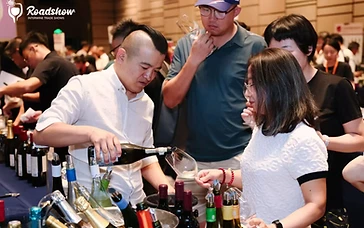
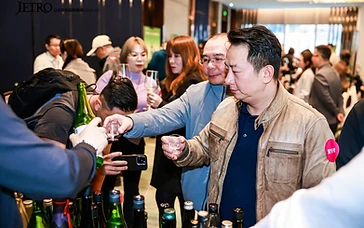
Marcus Vance: "Efficiency and reality. Digital catalogues and cold pitches give you a spec sheet, but they don't give you context. A trade show lets a multi-unit buyer evaluate hundreds of SKUs across regions, vintages, and tiers in 48 to 72 hours. More importantly, it brings three critical parties together in one room: the winery principal, the importer or clearing agent, and the on-premise buyer.
In hospitality, we aren't just buying wine in a bottle; we are buying an unbroken supply chain. When I meet a producer face-to-face at an event like INTERWINE, I can pressure-test their export infrastructure, gauge whether their pricing model fits our Pouring/By-The-Glass (BTG) matrices, and establish whether an existing licensed distributor can carry their inventory locally. Without that triangular alignment, discovering a brilliant wine is commercially useless."
Pre-Show Preparation: Filtering 1,000 Booths Down to 30 Actionable Targets
INTERWINE: How do you approach a multi-hall floor plan without burning out your palate or wasting commercial hours?
Marcus Vance: "Unprepared buyers wander down the aisles and end up tasting reserve reds at 10:00 AM without an objective. Professional on-premise procurement starts weeks prior through structured trade platforms.
- List Gap Analysis: Four weeks before the fair, I audit our current wine lists across all properties. I identify portfolio vulnerabilities: Do we lack high-acid, food-versatile whites under €6 ex-cellar? Are our banquet sparkling margins compressing? Are we short on verified sustainable or low-intervention regional entries?
- Exhibitor Screening: I review the Exhibitor Directory to isolate producers meeting those explicit parameters. I prioritize wineries that either already have regional import partners or possess clear consolidation models.
- Pre-Booked B2B Matches: I use dedicated matchmaking tools such as Business Matching to lock in 30-minute commercial slots during the first two mornings of the event. Leaving meetings to chance guarantees you spend half your day queueing behind consumer tasters.
- Structured Show Map: My floor itinerary divides mornings into focused technical and commercial appointments, while afternoons are reserved for regional pavilion discovery and secondary scouting."
Sourcing Criteria: The Commercial Anatomy of an On-Premise Wine List
INTERWINE: When evaluating potential additions to your cellar, what are the primary non-negotiable operational requirements?
Marcus Vance: "Quality is merely the baseline entry ticket. Beyond sound winemaking, our purchasing matrix evaluates four pillars:
- Gross Margin Feasibility: A banquet or BTG pouring wine must yield an on-premise gross profit (GP) margin of 72% to 78%. A high-end cellar reserve can operate at 60% to 65%. If a producer quotes an ex-works price that leaves no room for freight, customs, local distributor margin, and our operational threshold, the conversation ends right there.
- Vintage Continuity and Volume Security: For our high-turnover dining spots, running out of an advertised listing mid-season creates operational friction and reprints menus. We need commitments on volume allocation and vintage transitions.
- Brand Exclusivity and On-Trade Protection: We avoid brands heavily discounted across mass retail e-commerce. Modern restaurant guests check bottle prices on their phones at the table. If our list price is compared against a heavily discounted supermarket listing, it degrades our hospitality trust.
- Storytelling and Front-of-House Sell-Through: Bibendum's On-Trade Trends research emphasizes that provenance, regional identity, and distinctive storytelling remain paramount for consumer pull in premium venues. Our sommeliers need clear hooks—single-vineyard origins, heritage family management, or verified organic farming practices—to translate bottle value to guests."
The Conversation at the Booth: How Buyers Separate Pros from Amateurs
INTERWINE: What mistakes do wine suppliers frequently make when pitching HoReCa buyers during an exhibition?
Marcus Vance: "The biggest mistake is pitching poetry instead of logistics and margin viability. Suppliers will spend twenty minutes explaining their hand-picked oak barrels without knowing their Incoterms, container minimums, or distributor status.
As a professional buyer, within the first three minutes of meeting an exhibitor, I want answers to four standard questions:
- What is your current distribution route in our destination market? (Direct import, looking for an importer, or consolidated through an existing agent?)
- What is your free-on-board (FOB) or ex-works (EXW) case price, and what is your minimum order quantity (MOQ)?
- Can you guarantee 50 to 100 cases uninterrupted throughout the coming calendar year?
- What marketing, staff masterclasses, or point-of-sale support do you provide once the wine is listed?
Producers who bring concise specification sheets showing clear pricing tiers, pallet configurations, and certification accreditations win the meeting every single time."
Mitigating Commercial Risks: From Freight Volatility to Quality Control
INTERWINE: Cross-border wine procurement involves substantial risks—tariffs, temperature-controlled shipping variances, currency fluctuations. How does trade-show negotiation buffer these risks?
Marcus Vance: "Face-to-face negotiations permit contract clauses that email exchanges rarely capture. When we discover a compelling international winery without domestic distribution, we discuss mixed-pallet consolidations through third-party logistic providers to hedge currency and inventory exposure.
We also address thermal transit guarantees. For high-value allocations, we mandate temperature-controlled reefer containers. At the booth, we confirm whether the producer absorbs the marginal cost differential or shares freight risk up to port clearance. To plan comprehensive visits, international buyers routinely utilize logistical resources such as Arrival and Transportation guides to make regional inspection and travel seamless."
Next Steps: Post-Show Execution and Converting Tastings into Orders
INTERWINE: What happens after the exhibition concludes? How do leads turn into poured glasses?
Marcus Vance: "As veteran wine journalist Roger Morris reported for SevenFifty Daily (April 2023), experienced export directors prioritize immediate post-show follow-up on the flight home, recognizing that finalizing supply agreements and commercial distribution contracts often takes anywhere from a few months to a full year. That mirrors our internal hospitality workflow.
Within 72 hours of the show floor closing:
- Day 1–3: We assemble all collected spec sheets, eliminate non-viable pricing proposals, and index high-potential candidates.
- Week 2: We request formal landed bottle costings from designated local distributors.
- Week 3–4: We conduct blind benchmarking sessions with our property head sommeliers and head chefs, pairing prospective wines against existing inventory benchmarks.
- Week 6: Final margin sign-offs, purchase order confirmations, and scheduling on-premise service staff training.
For hospitality buyers and F&B managers seeking to refine their procurement pipeline, attending major trade assemblies is not optional—it is a mandatory annual inventory recalibration. Decision-makers ready to benchmark upcoming portfolio selections can Book Your Visit to connect directly with global producers on the exhibition floor."
Sources
- Clarkston Consulting (April 2026): 2026 Wine, Spirits, and Beer Industry Trends
- SevenFifty Daily / Provi (April 2023): A Winery Guide to Trade Show Success
- International Wineries for Climate Action (IWCA): What On-Trade Wine Buyers Really Want
- The Buyer / Bibendum On-Trade Trends: On-Trade Trends Report & Premium Procurement Insights
Key Takeaways
- —HoReCa wine sourcing balances sensory profiling with strict gross margin targets, typically requiring 72% to 78% GP on Pouring/By-The-Glass placements.
- —B2B trade shows provide unmatched operational efficiency by bringing the winery, clearing importer, and on-premise buyer into a single negotiation space.
- —Successful buyers pre-screen exhibition directories and pre-book business matching sessions weeks ahead to avoid floor burnout and off-target meetings.
- —Producers must arrive prepared with transparent EXW/FOB pricing, realistic minimum order quantities (MOQ), and stable vintage allocation guarantees.
- —Converting trade show contacts into active restaurant listings is a multi-stage process involving blind benchmarking, landed cost modeling, and distributor alignment.
Frequently Asked Questions
What gross margin percentage do hospitality buyers look for on By-The-Glass (BTG) wines?
Most hotel and restaurant operators target gross profit margins between 72% and 78% for pouring and By-The-Glass (BTG) selections. This covers breakage, service ware, chilled storage, and service overhead while generating predictable cash flow.
Why do on-premise buyers avoid retail-heavy wine brands?
Restaurants avoid brands heavily discounted in supermarkets or e-commerce marketplaces because consumers frequently price-check bottles on their smartphones. Significant markups over retail pricing erode consumer trust, making on-premise exclusivity essential.
How far in advance should an on-trade buyer prepare for a trade exhibition?
Preparation should begin three to four weeks prior to the event. Professional buyers audit list vacancies, study the online exhibitor directory, calculate target cost thresholds, and pre-book dedicated business-matching slots with suppliers.
What information should wine exhibitors provide immediately at their booth?
Exhibitors should provide clear FOB or EXW case pricing, export packaging details, minimum order quantities (MOQs), local import partner status, vintage volume capacity, and available marketing or sommelier training support.