Interwine exhibitor announcement: What trade visitors should know
Get ready for Interwine's latest exhibitor announcement. Discover tactical sourcing steps, logistics, masterclasses, and how trade visitors can capitalize on global wine and spirits showcases.
Official Interwine exhibitor announcements provide wine trade buyers, corporate procurers, and regional distributors with critical market intelligence well ahead of exhibition dates. By reviewing confirmed winery rosters, national pavilion listings, and specialized spirit categories, trade visitors can build targeted sourcing schedules, arrange bilateral commercial meetings, and evaluate landed-cost economics before arriving on the exhibition floor.
Maximizing returns from an exhibition cycle requires moving beyond casual booth walks. When an exhibitor announcement goes live, trade professionals must evaluate producer profiles against changing import regulations, consumer consumption trends in mainland China, and regional distribution bottlenecks. Whether you are seeking boutique Old World estates, bulk private-label agreements, or high-value spirits, analyzing exhibitor releases is the primary step in engineering a profitable trade visit.
Understanding the Strategic Weight of Interwine Exhibitor Announcements
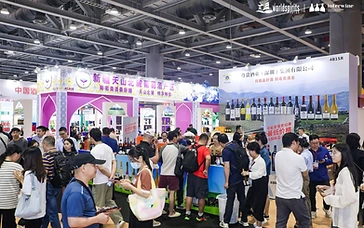
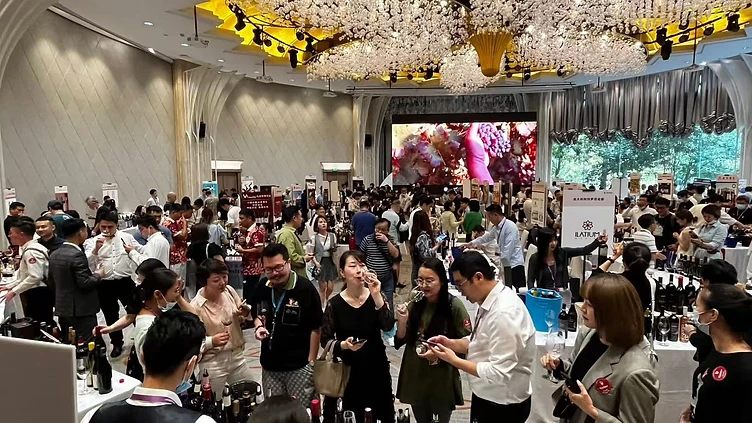
Interwine functions as mainland China's longest-standing dedicated international wine and spirits exhibition platform. Held twice annually in Guangzhou—the commercial center of Guangdong Province—the fair directly serves the Greater Bay Area, an economic zone with approximately 110 million residents according to demographic market analyses cited by Beverage Trade Network (2024). Guangdong historically accounts for over 60% of mainland China's imported wine volume, making exhibitor line-ups a direct reflection of broader import demand and regional distribution strategy.
When Interwine publishes its exhibitor lists, trade visitors gain clear operational advantages:
- Assessing Regional Diversification: The directory highlights national trade agency pavilions alongside independent family-owned domains from established wine regions (such as France, Italy, Spain, and Chile) and emerging terroirs.
- Direct Principal Engagement: Buyers can identify which booths are operated directly by export managers or winery principals versus existing third-party domestic distributors, establishing whether direct CIF/FOB purchasing is available.
- Optimizing Portfolio Positioning: By mapping announced producers, buyers ensure their upcoming seasonal catalog addresses gaps across entry-level retail segments, on-premise dining lists, and corporate gifting.
To align your schedule with key producer presentations, browse upcoming Interwine Events and plan specific tasting tracks before registration closes.
Evaluating Producer Offerings: Categories and Channel Alignment
Not every announced brand matches every commercial model. An effective purchasing manager categorizes each released exhibitor profile by target channel and margin expectation.
                    [Interwine Exhibitor Directory Published]
                                      │
                ┌─────────────────────┴─────────────────────┐
                ▼                                           ▼
     [High-Volume Distribution]                  [Boutique / Fine Wine]
         • Regional wholesalers                     • High-end on-premise
         • Private label / OEM                      • Specialty e-commerce
         • Port-of-entry CIF terms                  • Air/temperature-controlled LCL
                │                                           │
                └─────────────────────┬─────────────────────┘
                                      │
                                      ▼
                     [B2B Pre-Match & Masterclass Booking]
1. High-Volume Retail and Private-Label Producers
Large-scale producers and bottling cooperatives from regions like La Mancha, the Languedoc, or Mendoza frequently utilize Interwine to secure long-term contracts with regional wholesalers. For high-volume buyers, the exhibitor directory clarifies:
- Bulk shipping capabilities (Flexitank options) and bottling flexibilities.
- Minimum Order Quantities (MOQs) by container volume (FCL).
- Stability of landed pricing under standard import tariffs.
2. Fine Wine Estates and Boutique Terroirs
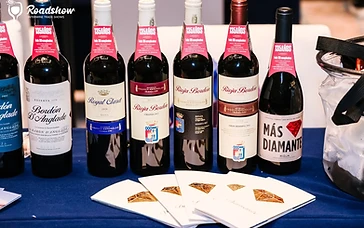
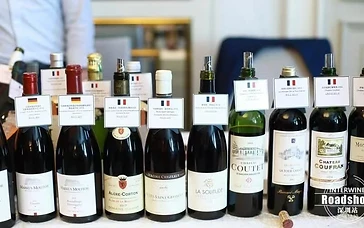
Specialized importers and premium on-premise hospitality operators require allocation clarity. For these buyers, reviewing announcements helps prioritize producers with verified appellation credentials, single-vineyard bottlings, or organic and biodynamic certifications. Checking exhibitor credentials in advance prevents misallocating floor time toward volume producers when estate-bottled allocations are required.
3. Spirits, Baijiu, and Fortified Alcohol
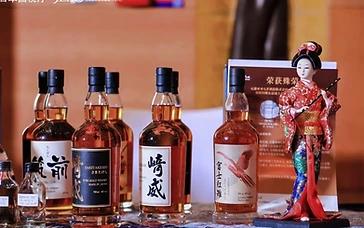
Recent Interwine sessions, including editions hosted across 30,000 to 50,000 square meters at the Canton Fair Complex and Poly World Trade Center, feature designated zones for Whisky, Cognac, Brandy, Vodka, and traditional Chinese Baijiu. Cross-category procurement teams should separate spirits appointments from table wine evaluations due to distinct distributor licensing, shelf-life factors, and consumer demographic dynamics.
To review current participant listings and organize targeted booth visits, consult the official Exhibitor Directory.
Regulatory, Tariff, and Landed Cost Considerations for Buyers
Navigating mainland China's alcohol distribution landscape requires calculating regulatory compliance into purchasing discussions on the exhibition floor. Importers and trade visitors must understand how prevailing duties and national standards govern landed costs.
+-----------------------+-------------------------+-----------------------------------------+
| Country of Origin     | Tariff Status           | Key Commercial Implications             |
+-----------------------+-------------------------+-----------------------------------------+
| Australia             | Tariffs Discontinued    | Anti-dumping duties lifted in 2024;     |
|                       |                         | active re-entry of commercial volumes.  |
+-----------------------+-------------------------+-----------------------------------------+
| Most Favored Nations  | Standard MFN Rates      | Applied across non-FTA origins; wine    |
| (e.g., General MFN)   | (14% - 30% baseline)    | duties range widely by customs tier.   |
+-----------------------+-------------------------+-----------------------------------------+
| Free Trade Partners   | Preferential Tariffs    | Bilateral agreements establish zero or  |
| (e.g., Chile, NZ)     | (0% import duty)        | low baseline duties, requiring valid CoO|
+-----------------------+-------------------------+-----------------------------------------+
Source Context: General Administration of Customs of China (GACC) import classifications and trade regulatory updates reported across industry monitoring by MS Advisory (2025).
Trade visitors evaluating exhibitor announcements must address operational compliance with overseas suppliers:
- GACC Overseas Manufacturer Registration: Under Decree 248/249 from the General Administration of Customs of China, overseas food and beverage facilities must hold a valid GACC registration number before goods arrive at Chinese customs. Confirm whether announced foreign exhibitors already hold active registration.
- Mandatory Chinese Back-Labeling: Products destined for commercial retail in China must comply with national food safety standards (such as GB 7718 and GB 2758), dictating mandatory Chinese text detailing net weight, alcohol percentage, importer of record, and allergen warnings.
- Currency and Payment Terms: Fluctuations in exchange rates (EUR, USD, AUD against RMB) mean pre-show quotation requests should clarify whether quotes are baseline Ex-Works (EXW), Free On Board (FOB), or Cost, Insurance, and Freight (CIF) into Chinese gateway ports like Guangzhou, Shenzhen, or Shanghai.
Importers looking to expand operational knowledge regarding import procedures can explore current analyses via Market Insights.
Structuring On-Site Time: Meetings, Masterclasses, and Business Matching
Three days on the show floor pass quickly amid dozens of national pavilions and thousands of labels. A disciplined time-management plan prevents physical exhaustion and uncompleted negotiations.
[Pre-Show: T-14 Days]  Review Exhibitor Directory -> Filter by Category/Region -> Send Meeting Requests
[Show Day 1: Morning]   Focus on High-Priority Bilateral Meetings & Contract Negotiations
[Show Day 1: Afternoon] Dedicated Discovery Walk (Specific Country Pavilions)
[Show Day 2: Morning]   Attend Core Masterclasses & Guided Industry Tastings
[Show Day 2: Afternoon] On-Site Pre-Scheduled B2B Business Matching Sessions
[Show Day 3: Full Day]  Follow-Up Negotiations, Sample Collection, Logistics Clarification
Utilizing B2B Matchmaking Services
Interwine organizes tailored business matching to connect verified corporate buyers directly with authorized brand export representatives. Trade visitors who utilize official Business Matching save significant floor time by conducting negotiations inside designated meeting lounges equipped with translation and commercial documentation services.
Attending Specialized Masterclasses and Forums
Trade delegations can use exhibitor releases to identify masterclasses led by Masters of Wine, Master Sommeliers, and international winemaking personalities. These educational tastings provide context on vintage variations, cellar longevity, and market pricing dynamics across specialized production regions.
Practical Checklist for Visiting Trade Professionals
To ensure an efficient and commercially valuable trade visit, complete these action steps following any major exhibitor announcement:
- Pre-Register Credentials: Register commercial visitor badges early to avoid public entrance lines and ensure access to business lounges via Book Your Visit.
- Audit Sample Availability: Contact shortlisted producers 10 to 14 days before the exhibition to confirm that the specific SKUs, vintages, or spirit proofs you require will be uncorked and available at their booth.
- Prepare Corporate Collateral: Bring bilingual Chinese-English business cards, printed company overview sheets, and your domestic business license copy if you intend to sign on-site distribution agreements.
- Organize Logistics and Samples: Clarify sample policies. If producers plan to hand over sample bottles on the final exhibition afternoon, arrange dedicated, secure transport back to your regional facility.
Conclusion
An Interwine exhibitor announcement is a practical procurement roadmap rather than a passive notification. By assessing announced producers, confirming regulatory compliance, calculating landed duties, and securing structured B2B meetings, trade buyers can protect their commercial margins and secure distinctive portfolios. Take immediate action by exploring current Interwine Events, and set up your sourcing schedule to capitalize on global producers entering mainland China's dynamic alcoholic beverage sector.
Sources
- General Administration of Customs of the People's Republic of China (GACC) — http://english.customs.gov.cn
- Beverage Trade Network — https://beveragetradenetwork.com
- China Wine Competition — https://chinawinecompetition.com
- Interwine China Official Portal — http://www.interwine.org/en
Key Takeaways
- —Interwine exhibitor announcements enable trade visitors to plan high-efficiency sourcing routes and targeted commercial meetings well ahead of show opening.
- —Guangdong Province accounts for over 60% of China's imported wine trade, making Guangzhou the key venue for regional and national distributor networking.
- —Evaluating exhibitors against Chinese import regulations, including GACC registration and GB labeling standards, mitigates supply chain risks.
- —Segmenting announced producers by commercial channel (high-volume OEM vs. boutique on-premise) ensures appropriate product-market fit.
- —Using structured tools such as official B2B matchmaking and specialized masterclasses maximizes ROI during the three-day trade exhibition.
Frequently Asked Questions
How soon before the fair is the Interwine exhibitor announcement released?
Interwine typically releases preliminary exhibitor listings and national pavilion confirmations several months prior to each session, with the finalized directory and booth map updated approximately 2 to 4 weeks before show opening.
Can trade visitors pre-schedule bilateral meetings with announced exhibitors?
Yes. Trade visitors can leverage Interwine's official B2B business-matching service to request and lock in bilateral meetings with international winery export directors and domestic brand agents before arriving at the venue.
What documentation should international and domestic trade buyers bring to the exhibition?
Visitors should carry professional business cards (preferably bilingual Chinese/English), verification of corporate or trade credentials, business registration numbers, and contact details for customs clearing brokers if direct CIF purchasing is intended.
Does Interwine feature categories other than grape wines?
Yes. While premium grape wines form the foundation of the fair, recent Interwine editions feature dedicated sections for single-malt whiskies, cognacs, craft spirits, fruit wines, and traditional Chinese Baijiu.
How can buyers verify if an announced foreign exhibitor can ship to China immediately?
Buyers should inquire whether the producer holds an active GACC overseas manufacturer registration code and whether their back labels conform to Chinese national standards (GB 7718 and GB 2758) for rapid customs clearance.