Industry Interview: A HoReCa wine buyer on Market selection priorities

In this B2B industry interview, a veteran HoReCa wine buyer outlines the core criteria hospitality groups use for market selection, portfolio onboarding, and supplier reliability.
HoReCa (Hotel, Restaurant, Catering) wine procurement has entered a data-driven, margin-conscious era. In an exclusive industry interview, a senior beverage director and procurement head representing a luxury hospitality group operating across key Asian and European dining hubs breaks down how hospitality groups assess international producers, choose supply markets, and balance list prestige with commercial cellaring velocity.
According to analysis published by The Buyer in 2025, fine wine market intelligence now tracks over 10,850 restaurants and 2,500 wine retailers across 25 countries to evaluate vintage pricing evolution, distribution heatmaps, and brand health. Meanwhile, global trade data compiled by Wine Economics and Policy in 2025 reveals that international wine export volumes in 2024 stabilized with a 0.8% volume increase while export values adjusted downwards by 0.5%, reflecting tighter hospitality cost structures worldwide. For brand owners seeking placement in on-premise venues, winning a spot on a wine list requires understanding operational realities: pour margins, vintage continuity, staff educational support, and logistics resilience.
The Strategic Pivot: How HoReCa Evaluates New Origin Markets
Interwine Editorial Team: When your group assesses entering or expanding allocations from a specific wine-producing market, what is the initial filter before tasting a single sample?
HoReCa Buyer: "Our initial filter is strictly commercial viability and supply chain reliability. Wineries often believe procurement begins with a blind tasting. In reality, sensory evaluation happens only after an origin passes our tier-one checklist: import tariffs, landed unit costs, local distributor presence, and regulatory compliance.
If a region produces benchmark boutique wines but lacks structured distribution or export representation capable of consolidating freight, the landed cost per bottle escalates beyond our target gross profit (GP) model. In on-premise fine dining and premium hospitality, our standard pour margin targets average 68% to 74% gross margin on by-the-glass (BTG) programs, and 60% to 65% on bottle listings. If shipping logistics from an exploratory region require minimum orders of full container loads (FCL) without regional bonded warehousing support, our working capital gets paralyzed. That is why buyers rely heavily on curated trade fairs and structured matchmaking—such as Business Matching—to verify whether a winery has professional export documentation and active distributor channels before we commit."
By-the-Glass vs. Cellar Selection: Portfolio Architecture
Interwine Editorial Team: How do market selection criteria differ between high-turnover By-the-Glass (BTG) listings and high-end Reserve Cellar offerings?
HoReCa Buyer: "We divide our list architecture into two distinct operational silos, each operating under opposing commercial priorities:
1. By-the-Glass (BTG) & Banquet Selection
- Consistency and Volume Security: We require absolute vintage availability for at least 9 to 12 consecutive months. Running out of a core Sauvignon Blanc, Pinot Grigio, or regional Cabernet halfway through a season damages guest trust and forces expensive reprints of cocktail and dining menus.
- Palate Universality: BTG pours must pair across diverse culinary styles while appealing immediately to business travelers, casual diners, and banqueting crowds.
- Price Ceiling: BTG wines operate under strict FOB/ex-cellar price ceilings. When currency exchange rates shift or freight surcharges rise, we cannot simply absorb cost increases. We need producers who understand fixed pricing contracts for agreed seasonal volumes.
2. Premium Reserve & Fine Wine Cellar Selections
- Authenticity and Provenance: In our reserve cellar, buyers look for appellation integrity, organic or sustainable certifications, and allocation prestige. Data tracked by Wine Services in 2025 highlights that leading on-premise venues select merchants and producers based on verified score visibility, local demand influence, and commercial transparency.
- Storytelling and Food Pairing Versatility: Sommeliers need authentic narratives. When listing indigenous varietals from emerging European, South American, or Chinese regions, the bottle must serve an educational and gastronomic purpose that justifies premium table-side presentation."
Logistics, Importer Consolidation, and Compliance Reality
Interwine Editorial Team: What are the most common commercial deal-breakers when negotiating with independent producers?
HoReCa Buyer: "The biggest barrier is fragmented supply logistics. A hotel group cannot issue purchase orders directly to twenty different individual boutique cellars scattered across five continents without consolidated logistics. We work through designated national or regional licensed importers.
Producers who want to crack the hospitality channel must either have established stock held within our target market's bonded warehouses or participate in structured platform hubs that aggregate multi-producer consignments. When analyzing potential wine partners, professional procurement teams evaluate suppliers based on structured lead qualification methodologies. As documented by B2B trade publication BestWineImporters in 2024, successful international market penetration depends on wineries targeting companies based on realistic channel fit, verified decision-maker access, and realistic volume alignment rather than blast-mailing generic portfolios.
Another common failure is regulatory and labeling unpreparedness. Every market features distinct mandatory label standards, such as specific allergen statements, ingredient disclosures, local import codes, and customs stamps. When an international estate fails to provide compliant back labels or testing analysis documentation (such as dry extract, total acidity, and sulfur limits), shipments stall at customs. This disrupts our seasonal promotions and destroys commercial goodwill."
Post-Listing Support: Education, Marketing, and Cellar Velocity
Interwine Editorial Team: Once a wine clears customs and lands on the list, what determines whether it stays for another cycle or gets de-listed?
HoReCa Buyer: "Listing a wine is merely the prologue; sell-through velocity is what secures the reorder. A wine does not sell itself from an 80-page leather-bound list. In hospitality, high turnover relies on service floor confidence.
We assess producer performance through three ongoing metrics:
- Staff Masterclasses & Training Assets: Does the producer or their regional representative conduct structured tastings for our floor sommeliers and waitstaff? Clear, concise technical sheets, producer video modules, and pronunciation guides drive immediate staff recommendations.
- Promotional Alignment: Can the brand co-sponsor winemaker dinners, pairing evenings, or glass pours for corporate events? Brand owners that support localized marketing collateral see 40% faster cellar depletion rates.
- De-listing Thresholds: We review our Point of Sale (POS) inventory velocity monthly. If a reserve bottle sits in temperature-controlled storage for over 180 days with zero stock turn, its capital carrying cost negates its original profit margin. It gets pushed via corporate banquet packages or discounted during private dining activations and is permanently removed from the next list print."
The Strategic Role of In-Person Trade Platforms
Interwine Editorial Team: In an era dominated by digital catalogs and online B2B ordering, why do major HoReCa procurement teams still prioritize physical trade fairs?
HoReCa Buyer: "Digital procurement databases streamline paperwork, but physical trade exhibitions remain irreplaceable for evaluating taste profiles, producer character, and corporate stability. Wine is an organic product; temperature variation, bottle variation, and vintage nuance cannot be negotiated purely via a spreadsheet or an email chain.
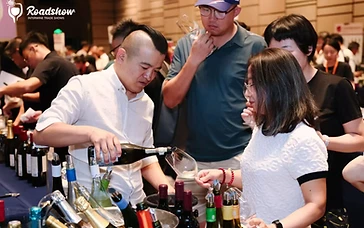
When we attend major international platforms like Interwine, our delegation conducts concentrated sensory evaluations across dozens of potential origins within 48 to 72 hours. We can benchmark a Chilean Cabernet against a Ningxia Bordeaux blend or a French cru side by side. More importantly, face-to-face negotiations reveal whether a producer's export director understands commercial hospitality contracts, pallet minimums, and co-marketing requirements. Meeting senior executives at specialized trade gatherings accelerates relationship building that would otherwise take six to nine months of remote correspondence."
Conclusion and Next Steps for Trade Decision-Makers
Successfully placing wine across competitive hospitality channels requires blending commercial discipline with gastronomic relevance. International wineries, brand exporters, and regional trade bodies must approach HoReCa buyers not merely with passionate tasting notes, but with turnkey commercial structures: clear FOB/CIF pricing schedules, verified importer connections, compliant packaging, and actionable staff training programs.
For on-premise procurement managers, hotel beverage directors, and retail category managers seeking to discover market-ready producers, attending specialized trade hubs provides direct access to qualified international cellars. Plan your seasonal sourcing, evaluate emerging wine regions, and meet verified export managers by taking time to Book Your Visit to the upcoming Interwine exhibition. To explore sector trends across on-premise and retail distribution, examine our dedicated Market Insights analysis, review our comprehensive Exhibitor Directory, and register for structured commercial sessions at Interwine Events.
Sources
- The Buyer / Wine Services: "How Wine Services’ insights helps put fine wines in the right markets" (2025) https://www.the-buyer.net/insight/how-wine-services-intelligence-helps-put-fine-wines-in-the-right-markets
- Wine Economics and Policy: "State of the International Wine Markets in 2024" (Published 2025) https://oaj.fupress.net/index.php/wep/article/view/17914
- BestWineImporters: "How to Build a Qualified List of 100 Wine Importers for Your Winery" (2024) https://www.bestwineimporters.com/blog/how-to-build-a-qualified-list-of-100-wine-importers-for-your-winery
- IWSR Drinks Market Analysis: "Key trends for the US wine market in 2024" (2024) https://www.theiwsr.com/insight/key-trends-for-the-us-wine-market-in-2024/
Key Takeaways
- —HoReCa wine procurement filters potential producers through strict commercial metrics—import tariffs, pour margins, and distribution continuity—before conducting sensory evaluations.
- —On-premise wine lists operate on a bifurcated model: high-volume BTG programs demand price stability and 9–12 months of guaranteed supply, while Reserve Cellar programs require authenticity, scores, and food-pairing versatility.
- —Standard gross margin benchmarks for on-premise beverage programs average 68% to 74% on By-the-Glass pours and 60% to 65% on bottle listings.
- —Wineries seeking hospitality placement must resolve logistics bottlenecks by working with consolidated national/regional importers rather than offering direct fragmented shipments.
- —Listing retention depends heavily on post-listing support, including frontline sommelier training, staff tasting masterclasses, and co-sponsored promotional marketing.
Frequently Asked Questions
What gross margin do HoReCa wine buyers require for By-the-Glass (BTG) programs?
Most hospitality groups and fine dining venues target a gross margin between 68% and 74% for By-the-Glass programs. This ensures beverage programs cover labor, glassware breakage, preservation technology costs, and service overhead.
Why is vintage continuity critical for restaurant wine lists?
Reprinting physical wine lists and updating digital POS cellar systems is costly and operationally disruptive. For BTG and banqueting selections, buyers need a guarantee that the agreed vintage and volume will remain consistently available for at least 9 to 12 consecutive months.
Can independent wineries sell directly to hotels and restaurants without an importer?
In most international markets, direct sales from overseas wineries to individual dining venues are impractical due to customs licensing, alcohol excise regulations, minimum freight economics, and local storage requirements. Venues require wines to be cleared and delivered through licensed national or regional distributors.
How can wineries support sell-through after securing an on-premise listing?
Producers should provide concise technical sheets, host staff masterclasses, offer tasting samples for floor sommeliers, and co-fund localized promotional initiatives such as winemaker dinners to drive list velocity.
How does attending Interwine benefit professional HoReCa wine buyers?
Interwine allows buyers to evaluate hundreds of international wines across established and emerging regions side-by-side, verify commercial pricing schedules, and negotiate directly with verified winery principals and authorized importers in one efficient trip.