What Chinese Buyers Need to Know About Uruguayan Wine
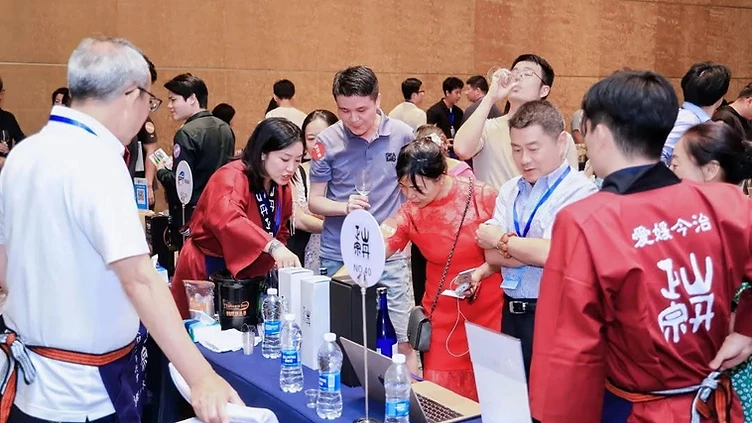
A commercial roadmap for wine producers and export bodies examining what Chinese buyers demand from Uruguayan wine, covering Tannat positioning, Atlantic terroir, import compliance, and high-conversion market entry.
Chinese wine importers and professional distributors evaluate international additions through two pragmatic commercial filters: unmistakable product differentiation and reliable margin resilience. As the Chinese market matures past broad-brush brand prestige toward discerning gastronomic curation and niche premiumization, Uruguayan wine occupies an enviable, high-potential position.
According to data from Uruguay's National Institute of Viticulture (INAVI), bottled wine exports expanded significantly in 2024, shipping 4,641,450 liters valued at USD 19,118,560 across 57 export markets. While established destinations such as Brazil (54% of export volume in 2024) and the United States (14%) dominate current flows, China represents the single most strategic high-margin opportunity for Uruguayan bodegas. Bilateral trade infrastructure is already robust; export promotion agency Uruguay XXI reported in 2025 that China has served as Uruguay's largest commercial partner for a decade, generating approximately US$5.5 billion in bilateral trade from 2020 to 2024. For wine exporters, capitalizing on this trade alignment requires translating Uruguay’s signature grape—Tannat—and its maritime terroir into actionable propositions that Chinese commercial buyers can easily understand, position, and sell.
The Strategic Commercial Positioning of Uruguayan Wine in China
To engage Chinese wholesale buyers, sommeliers, and regional regional tier-1 and tier-2 distributors, international wineries must clarify what Uruguayan viticulture brings to an import portfolio that French, Australian, or Chilean alternatives do not.
1. Moving Beyond Saturated Red Varietals
China's market has historically leaned heavily toward Cabernet Sauvignon, Merlot, and Shiraz. However, modern beverage directors in major hubs like Shanghai, Guangzhou, Shenzhen, and Chengdu are actively searching for distinctive storytelling to captivate sophisticated corporate banquet clients and millennial lifestyle drinkers. Tannat serves as an exceptional commercial wedge:
- Anthocyanin and Polyphenolic Density: Tannat possesses one of the highest concentrations of polyphenols and antioxidants (resveratrol) among Vitis vinifera varieties. In a market where Chinese buyers frequently connect red wine consumption with lifestyle vitality and wellness, Tannat's technical composition provides a concrete sales argument.
- Modernized Vinification Profiles: Traditional, astringent Tannat has evolved. Modern Uruguayan estates balance parcel selection, cold soaking, micro-oxygenation, and refined French oak aging to deliver structured, silky tannins, deep blackberry notes, and balanced acidity that appeal directly to the Chinese luxury palate.
- Culinary Synergies: Tannat's structure cuts through rich culinary textures. While it effortlessly matches premium roasted beef—leveraging Uruguay's reputation as a premium beef exporter to China—it also complements high-end Chinese regional cuisines such as Cantonese barbecue (Char Siu and roast goose), braised Shanghainese pork belly (Dongpo rou), and Beijing roasted duck.
2. Atlantic Maritime Terroir vs. Continental Profiles
Unlike the continental, arid conditions characterizing Mendoza (Argentina) or the hot Mediterranean valleys of central Chile, Uruguay is profoundly influenced by the Atlantic Ocean and the Río de la Plata estuary. Key viticultural departments—such as Canelones, Maldonado, San José, and Colonia—benefit from moderate temperatures, marine breezes, and diverse soils spanning clay-limestone to decomposed granite.
Chinese procurement specialists evaluating regional additions increasingly value freshness and moderate alcohol profiles. Uruguayan whites, notably maritime Albariño, Sauvignon Blanc, and refined Pinot Noir, offer crisp minerality and aromatic tension that align with China's booming coastal seafood dining culture.
What Chinese Buyers Specifically Require from Exporting Bodegas
B2B buyers in mainland China operate under disciplined inventory turnover parameters. When evaluating an export winery from South America, commercial buyers systematically screen four criteria:
Distinct Brand Narrative and Pedigree
Uruguay’s industry is anchored by multi-generational family estates rather than industrial-scale conglomerates. INAVI recorded 48 exporting wineries in 2024. This boutique reality is a distinct asset in China's premium and on-premise segments. Chinese importers seek authentic familial narratives, limited production transparency, and tangible estate heritage that validate a premium retail price point (RMB 280–680 per bottle).
Stable Margin Structures
With logistics, sea freight transit from Montevideo to Chinese ports (commonly Shanghai, Ningbo, Shenzhen, or Nansha), customs clearance, and domestic consumption taxes, tier-1 importers require gross commercial margins ranging between 35% and 50%. Wineries that supply clear FOB pricing models, realistic minimum order quantities (MOQs) starting from pallet-level mixed consolidation to full 20ft refrigerated container loads (reefers), and structured marketing support allowances (co-op tasting budgets, masterclass funding) secure immediate buyer priority.
Traceability and Quality Accreditations
Uruguay maintains comprehensive national geographic information systems and vineyard traceability managed by INAVI. Highlighting national traceability, food safety certifications, and international awards (such as Decanter, Gilbert & Gaillard, or Concours Mondial de Bruxelles) builds immediate trust with institutional corporate procurement desks.
Regulatory, Logistics, and Customs Realities in China
Entering mainland China demands exacting regulatory vigilance. A minor documentation discrepancy can stall a container at customs for weeks, generating costly demurrage charges.
Exporter / Producer (Uruguay)
   │
   ├── GACC Manufacturer Registration (Decree 248 / CIFER portal)
   ├── Mandatory Lab Testing (Alcohol, SO2, Heavy Metals, Additives)
   │
Ocean Freight (Montevideo -> Transit -> Chinese Port)
   │
Arrival & Clearance (Customs Inspection & Quarantine - CIQ)
   │
   ├── Consolidated Export/Origin Certificates
   ├── Chinese Compliant Back-Labeling (GB 7718 & GB 2758)
   │
Distribution to Importers / Wholesalers / Regional Channels
GACC Decree 248 and 249 Compliance
Since January 1, 2022, General Administration of Customs of China (GACC) regulations mandate that all overseas food and alcoholic beverage manufacturing, processing, and storage facilities must be formally registered on the official China Import Food Enterprise Registration (CIFER) platform. Exporters must print their approved GACC registration number or domestic competent authority registration number on both the inner packaging and external transport cartons.
Chinese National Standards (Guobiao - GB)
Imported wine must conform to Chinese mandatory food safety standards:
- GB 2758: National Food Safety Standard for Fermented Alcoholic Beverages and Their Integrated Alcoholic Beverages.
- GB 7718: General Standard for the Labeling of Prepackaged Foods. Mandatory back labels printed in simplified Chinese must declare: product name, category (dry, semi-dry, sweet), ingredients, grape varieties, country of origin, net volume, alcoholic strength (ABV), production/bottling date, storage instructions, warnings ("Excessive drinking is harmful to health"), and the local contact details of the licensed Chinese importer/distributor.
Reviewing regulatory changes and distribution shifts via verified Market Insights enables export teams to adapt shipping documentation prior to bill-of-lading finalization.
Commercial Routes to Market: On-Premise, E-Commerce, and Regional Wholesalers
Chinese market distribution cannot be approached with a single monolithic strategy. Successful commercial penetration requires segmenting channels appropriately:
- On-Premise Gastronomy and Luxury Hospitality: High-end boutique steakhouses, hotel dining rooms, and progressive wine bistros in tier-1 municipalities (Beijing, Shanghai, Guangzhou, Shenzhen) are prime testing grounds for Uruguayan Tannat and Albariño. These venues value sommelier education, wine-by-the-glass (BTG) programs, and distinct regional provenance.
- Private Client and Corporate Gifting Channels: A substantial percentage of imported wine in China flows through relationship-driven (Guanxi) private client sales networks and corporate banquet procurement desks. Tannat’s deep color, elegant heavy-weight bottles, high-end closures, and narrative as South America's hidden jewel make it a compelling gift item.
- Curated E-Commerce & Social Commerce: Platforms like Tmall, JD.com, Douyin, and Xiaohongshu (RED) demand agile visual assets and rapid KOL/sommelier endorsement. While volume commodity wines engage in margin-destroying price wars on these platforms, boutique Uruguayan brands succeed through niche educational livestreams and digital sommelier clubs.
To identify vetted buyers matching these profiles, producers frequently leverage targeted Business Matching services designed to pair overseas cellars with regional distributors seeking exclusive provincial agencies.
Actionable B2B Market Entry Checklist for Uruguayan Wineries
Before initiating commercial discussions with prospective Chinese distributors, ensure the following foundational assets are prepared:
| Operational Area | Requirement | Strategic Commercial Purpose | | :--- | :--- | :--- | | Regulatory | Active GACC CIFER Registration Number | Avoid port-of-entry quarantine rejection | | Labeling | Pre-approved Simplified Chinese back-labels | Verify typography, font sizing, and mandatory GB phrasing | | Commercial Pricing | Detailed FOB Montevideo & CIF tier sheets | Transparent tier margins (1 pallet, 5 pallets, 1 FCL) | | Marketing Collateral | Bilingual (English/Mandarin) Technical Sheets | Equip distributor sales teams with tasting notes, culinary pairings, and terroir maps | | Packaging | Robust export-grade cartons & reefer liners | Protect wine against oceanic temperature fluctuations |
Accelerating Chinese Market Penetration via INTERWINE
Attempting remote outreach to Chinese distributors yields limited results. In Chinese commercial culture, distributor commitments are forged through face-to-face interaction, tactile bottle inspection, and shared sensory evaluation.
As southern China’s preeminent international trade platform held in Guangzhou—the commercial gateway to the Greater Bay Area—INTERWINE serves as the definitive bridge connecting international bodegas directly with qualified Chinese wine buyers. By securing your stand to Become an Exhibitor, your winery joins an elite ecosystem of global estates engaging verified importers, retail category managers, and national distributors. Exporters can reinforce their commercial pipeline by inspecting previous trade dynamics within the Exhibitor Directory, exploring upcoming trade summits across Interwine Events, and accessing verified procurement data in the News and Magazine archive.
Uruguay possesses the volume discipline, terroir integrity, and varietal punch that modern Chinese importers require. By addressing customs standards, articulating Tannat’s distinct culinary profile, and meeting buyers directly at international trade exhibitions, Uruguayan producers can transform trade interest into sustainable, high-margin export orders.
Sources
- Gilbert & Gaillard International: The Global Rise of South American Wines (2024), https://www.gilbertgaillard.com/en/magazine/discovery/how-south-american-countries-are-positioning-their-wines-globally
- Freshly Bottled: Uruguay: Wine exports reach record levels in 2024 (2025), https://www.freshlybottled.com/news-2/uruguay-wine-exports-reach-record-levels-in-2024
- Uruguay XXI (Export and Investment Promotion Agency): Uruguay Strengthens Its Commercial Presence in China (2025), https://www.uruguayxxi.gub.uy/en/news/article/uruguay-inaugurates-its-stand-at-ciie-2025-and-strengthens-its-commercial-presence-in-china
- The Observatory of Economic Complexity (OEC): Wine in Uruguay Trade Statistics (2024), https://oec.world/en/profile/bilateral-product/wine/reporter/ury
Key Takeaways
- —According to INAVI, Uruguay exported over 4.64 million liters of bottled wine in 2024 worth USD 19.1 million, demonstrating steady premium growth across 57 international destinations.
- —Bilateral trade between Uruguay and China expanded 66% between 2020 and 2024 (reaching US$5.5 billion), establishing solid logistics and trade foundations for wine exporters.
- —Tannat's high polyphenol content and refined, modern cellar styles provide Chinese buyers with health-aligned, food-friendly alternatives to traditional Bordeaux varietals.
- —Exporters must secure GACC registration under Decree 248/249 and comply with national food standards (GB 7718 and GB 2758) to clear Chinese customs smoothly.
- —Uruguayan wineries succeed in China by avoiding bulk volume competition, targeting boutique on-premise restaurants, corporate banquet gifting, and curated specialty importers.
- —Direct participation in professional trade fairs like INTERWINE provides the essential face-to-face platform needed to build trust with regional Chinese distributors.
Frequently Asked Questions
Why are Chinese wine importers interested in Uruguayan Tannat?
Chinese buyers appreciate Tannat for its distinctive storytelling, intense polyphenol concentration (aligning with health and wellness perceptions), and structural compatibility with savory Chinese culinary styles like roasted pork, duck, and beef.
What regulations must Uruguayan wineries meet before exporting wine to China?
Wineries must be registered with the General Administration of Customs of China (GACC) under Decrees 248 and 249 via the CIFER platform, adhere to Chinese labeling standards (GB 7718 and GB 2758), and provide certified chemical analysis reports for entry inspection.
How large is Uruguay's global wine export footprint?
According to the National Institute of Viticulture (INAVI), Uruguay exported 4.64 million liters of bottled wine in 2024, generating USD 19.1 million across 57 countries, led by Brazil and the United States.
What price point works best for Uruguayan wines in the Chinese market?
Uruguayan bodegas operate best in the premium and super-premium segments, with retail shelf prices ranging from RMB 280 to RMB 680 per bottle, supported by boutique family-estate narratives and artisanal production scales.
How can international wine producers meet qualified Chinese wine distributors?
Producers can exhibit at dedicated trade exhibitions such as INTERWINE in Guangzhou, leveraging pre-scheduled business matching sessions, sommelier masterclasses, and regional distributor networks across mainland China.