
Distribution Strategy in China for Mexican Wine Producers
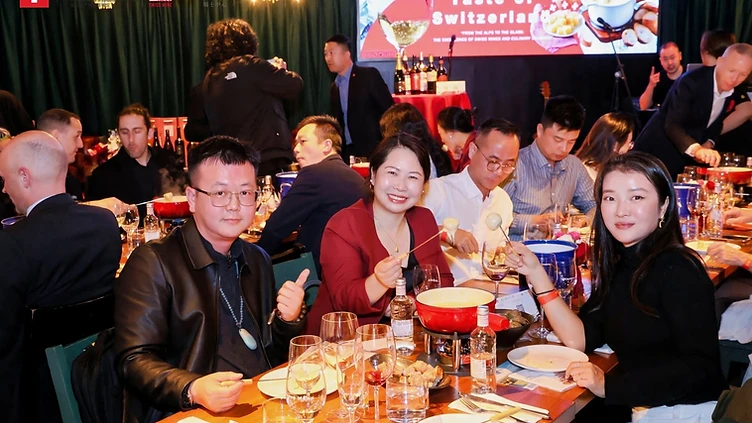
A commercial roadmap for Mexican wineries entering China, detailing regulatory GACC compliance, route-to-market channel selection, and partner acquisition strategies.
For Mexican wine producers evaluating entry into Mainland China, the baseline rule is absolute: success is determined by route-to-market architecture, regulatory compliance, and distributor alignment rather than brand prestige alone. Mexican viticulture—anchored by the high-elevation terroirs and maritime microclimates of Baja California's Valle de Guadalupe, alongside emerging regions like Querétaro, Guanajuato, and Coahuila—occupies a niche, boutique footprint on the world stage. Competing on volume against bulk exporters from Chile or heavily subsidized European appellations is unfeasible. Instead, Mexican wineries must deploy a targeted distribution strategy in china for mexican wine producers that positions their portfolios within China’s premium on-premise, specialist boutique importers, and private fine-dining segments.
According to an analysis by Research and Markets, China’s wine market generated $34.43 billion in retail sales in 2022 and is projected to expand at a compound annual growth rate of 5.8% to reach $45.67 billion by 2027. While mass-market wine consumption contracted following macroeconomic recalibrations, demand for distinctive, premium, and story-driven wines among educated Tier-1 and New Tier-1 urbanites continues to mature. For Mexican producers and export associations, securing long-term traction requires navigating China's customs framework, selecting complementary distribution models, and directly interfacing with verified regional buyers.
Customs and Regulatory Compliance: The Baseline for Market Entry
Before initiating any commercial negotiation, Mexican wine producers must address China's non-negotiable regulatory pipeline. Administrative missteps in labeling or customs declaration result in impounded containers, port storage penalties, or re-export orders.
General Administration of Customs (GACC) Decree 248/249
Under regulations enforced by the General Administration of Customs of the People's Republic of China (GACC), introduced in April 2021 and operationalized from January 2022 as documented by OT Greek Business News, every overseas manufacturing, processing, and storage facility exporting food and agricultural products to China must secure an official GACC registration code. Bottling sites, processing lines, and bonded facilities in Baja California or central Mexico must register through China's single-window portal (CIFER).
The GACC registration number must be explicitly printed on both inner packaging (the bottle label) and outer cartons prior to departure from Mexico. Retroactive physical labeling within Chinese customs zones is tightly restricted. Exporters should reference Market Insights to stay informed on evolving customs enforcement patterns across key maritime ports like Shanghai, Shenzhen, and Ningbo.
Mandatory Labeling and GB National Standards
Imported wine must conform to China's National Food Safety Standards, notably GB 7718 (General Standard for the Labeling of Prepackaged Foods) and GB 2758 (Fermented Alcoholic Beverages). Compliant Chinese back labels must specify:
- Standardized Chinese product name and wine classification (e.g., 干红葡萄酒 / Dry Red Wine)
- Full ingredient listing, specifically mandatory disclosure of sulfur dioxide/sulfites (二氧化硫)
- Exact alcohol by volume (ABV), net content in standard metric units, and country of origin (墨西哥 / Mexico)
- Chinese importer/distributor enterprise name, physical address, and contact telephone
- Production date, bottling date, and storage guidance
Tariff Structures and Landed Cost Economics
Unlike Chile, New Zealand, or Australia, Mexico does not maintain a bilateral Free Trade Agreement with China. Shipments from Mexico enter under Most Favored Nation (MFN) tariff rates. The commercial pricing formula incorporates three cumulative import levies:
- Customs Import Duty: Standard MFN tariff for bottled wine (HS Code 2204.21) is 14%.
- Consumption Tax: Levied at 10% based on the tax-inclusive value.
- Value-Added Tax (VAT): Applied at 13%.
When compounded, the composite tax burden adds roughly 43% to 48% on top of the CIF (Cost, Insurance, and Freight) value. Consequently, low-cost competitive positioning is mathematically non-viable. Mexican producers must design FOB pricing models that preserve commercial margins for domestic distributors targeting premium price tiers above RMB 300 ($42 USD) per bottle.
Selecting the Optimal Distribution Model in China
Choosing a route-to-market determines how much control an export association or estate maintains over pricing, regional positioning, and inventory velocity. In China, three primary distribution models dominate the wine sector.
| Distribution Model | Primary Target Channels | Margin Profile | Commercial Control | Suitability for Mexican Wines | | :--- | :--- | :--- | :--- | :--- | | National Master Importer | Broad wholesale, nationwide hypermarkets, retail | Low to Moderate (Exporter gives up margin) | Low; high dependency on single entity | Low; national generalists rarely focus on niche terroirs | | Regional Boutique Importer | On-premise fine dining, boutique wine bars, high-end retail | High; protects brand value | Moderate to High; direct collaboration | Optimal; matches limited production and premium storytelling | | Cross-Border E-Commerce (CBEC) | Direct-to-Consumer via Tmall Global, JD Worldwide, Douyin | High gross margin per bottle | High operational demand; marketing-intensive | Selective; best as a supplementary halo channel |
Regional Boutique Importers (The Recommended Path)
Given that Mexican wine production is relatively compact compared to European or South American rivals, partnering with regional, specialty importers represents the most commercially sound path. Importers centered in regional hubs—such as Shanghai, Shenzhen, Guangzhou, Chengdu, and Hangzhou—focus heavily on high-end hospitality, private member clubs, and specialized independent retailers. These entities possess the sommelier relationships and commercial bandwidth required to convey the unique historical narrative of Mexican viticulture: the Americas' oldest winemaking origins, Mediterranean microclimates, and unconventional grape blends (such as Nebbiolo, Tempranillo, and Chenin Blanc).
Cross-Border E-Commerce (CBEC) Dynamics
As reported by China Briefing, citing data from the International Wine and Spirits Research (IWSR), China's alcohol e-commerce channel is projected to grow at a compound annual growth rate of 6% from 2022 to 2027, eventually capturing a 40% share of global alcohol online sales. Platforms like Douyin, JD.com, and Xiaohongshu (RED) drive significant consumer discovery. However, pure digital D2C execution requires substantial localized operational budgets. For Mexican brands, digital channels serve best as educational and prestige amplifiers rather than standalone primary distribution mechanisms.
Regional Market Segmentation: Tier-1 Hubs vs. Emerging Wine Corridors
Distributing across China requires geographic prioritization. Treating the country as a single monolithic market is a classic strategic error.
                    [China Market Entry Hierarchy]
                                  │
         ┌────────────────────────┴────────────────────────┐
         ▼                                                 ▼
 [Tier-1 Coastal Gateways]                     [Emerging Inland Growth Hubs]
  • Shanghai / East China                       • Chengdu & Chongqing (Southwest)
    (Sommelier education, on-premise prestige)     (Gastronomic culture, casual premiumization)
  • Greater Bay Area (Guangzhou/Shenzhen)       • Wuhan & Changsha (Central)
    (Private corporate trade, high liquidity)      (Rapidly expanding youth lifestyle spend)
1. East China (Shanghai Hub)
Shanghai remains the undisputed wine commercial capital of mainland China, hosting the highest density of certified sommeliers, wine bistros, and international dining establishments. Consumers here exhibit high openness to unconventional wine-producing nations. Introducing Mexican Nebbiolo or Baja red blends into Shanghai’s Western and progressive fusion restaurants establishes critical domestic brand cachet.
2. The Greater Bay Area (Guangdong, Shenzhen, Hong Kong Corridor)
Southern China maintains vast private wealth and active cross-border commercial dynamics. Importers in Shenzhen and Guangzhou frequently supply private enterprise clubs, executive corporate gifting, and Cantonese gastronomy pairings. Cantonese cuisine’s focus on fresh seafood and umami richness provides an exceptional commercial match for crisp Valle de Guadalupe Chenin Blancs and crisp rosés.
3. Southwest China (Chengdu and Chongqing)
Chengdu has emerged as a premier lifestyle and food-and-beverage engine. Chengdu consumers spend heavily on experiential dining and leisurely nightlife. The bold, fruit-forward profile, structural tannins, and generous mouthfeel of Mexican red varietals—such as Baja Tempranillo and Petite Sirah—pair naturally with the spice-forward profiles of Sichuan dining.
Brand Localization and In-Market Commercial Alignment
Entering China without brand localization places an estate at a structural disadvantage. As documented by China Briefing, foreign wine associations, such as Italy’s Consorzio Franciacorta, achieved market traction by meticulously selecting and registering official Chinese brand names that resonate culturally with domestic consumers, supported by specialized Chinese-language education programs.
1. Chinese Trademark and Brand Naming Strategy
China operates strictly under a "first-to-file" intellectual property legal doctrine. Mexican wineries must register both their Latin character marks and localized Chinese character trademarks (中文商标) with the China National Intellectual Property Administration (CNIPA) prior to market exploration. The Chinese name should convey sensory elegance, status, or natural terroir characteristics without unintended dialect connotations.
2. Gastronomic Pairing and Sommelier Education
Educating the wine gatekeepers is vital. Mexican export groups should coordinate masterclasses targeting professional sommeliers, retail buyers, and beverage directors. Developing structured collateral showing how Mexican wines pair with Chinese regional cuisines (e.g., Valle de Guadalupe red blends with braised beef or Yunnan wild mushroom hotpot) bridges the cultural gap far more effectively than traditional Western tasting notes.
Validating Partners and Securing Distribution Channels
Finding reliable, financially sound Chinese importers cannot be achieved through remote outreach alone. Personal interaction, tasting, and in-person contract negotiation remain central to Chinese trade culture.
Producers seeking qualified regional distributors should leverage established commercial venues. Mexican wineries and export promotion boards can present their portfolios directly to certified importers, distributors, and hotel beverage buyers by securing space to Become an Exhibitor at organized trade exhibitions. Complementing direct booths with targeted Business Matching services allows wineries to pre-screen distribution candidates based on their distribution territories, logistics capabilities, and channel focus.
Before finalizing contractual terms with an importer, wineries should conduct comprehensive commercial due diligence:
- Customs Verification: Ensure the partner possesses direct import licenses, customs clearing licenses, and food circulation permits rather than subcontracting through third-party agents.
- Channel Concentration: Clarify whether the distributor’s revenue derives primarily from high-end on-premise, corporate clients, or mass off-premise retail.
- Territory Exclusivity Boundaries: Avoid granting sweeping nationwide exclusivity without explicit, legally binding performance milestones and minimum volume commitments per province.
Conclusion: Strategic Milestones for Mexican Wineries
China represents an attractive, high-margin destination for Mexican wine producers prepared to approach the market with professional rigor. By completing GACC registration early, establishing MFN-adapted commercial pricing, targeting regional boutique importers across Tier-1 and emerging hubs, and participating directly in on-the-ground industry platforms, Mexican estates can secure sustainable commercial placement in one of the world's most dynamic wine markets.
Sources
- Research and Markets – China Wine Market Summary, Competitive Analysis and Forecast
- China Briefing – China's Wine Market Outlook: Trends and Opportunities
- OT Greek Business News – Wine: How to Export to China and GACC Regulations
- MSA Advisory – Wine Market in China: Trends, Growth, and Consumer Preferences
Key Takeaways
- —Mexican wine producers must register their production and storage facilities with the GACC under Decree 248/249 prior to exporting.
- —Without a bilateral Free Trade Agreement, Mexican wines enter China under MFN rates, accumulating an effective 43% to 48% composite tax burden (Duty + Consumption Tax + VAT).
- —Boutique regional importers operating in Tier-1 cities (Shanghai, Shenzhen, Guangzhou) and emerging culinary hubs (Chengdu) offer the highest-margin route to market.
- —China enforces a strict first-to-file trademark system; wineries must register Latin and Chinese brand names with CNIPA before shipping samples.
- —Meeting verified distributors and sommeliers via structured B2B trade platforms and business matching is essential for validating partner capabilities.
Frequently Asked Questions
What registration is required by China's GACC for Mexican wineries?
Under GACC Decrees 248 and 249, operational since January 2022, all foreign wineries, processing units, and storage warehouses must secure an official registration code via China's CIFER single-window system. This code must be printed on the back label and shipping cartons prior to customs inspection.
What import taxes apply to Mexican wine entering China?
Because Mexico does not have a Free Trade Agreement with China, bottled wine faces Most Favored Nation (MFN) tariffs: a 14% customs duty, a 10% consumption tax, and a 13% value-added tax (VAT), resulting in an effective combined tax burden of approximately 43% to 48% on CIF value.
Which Chinese cities offer the best potential for Mexican wines?
Shanghai represents the core market for sommelier-led education and boutique on-premise venues. The Greater Bay Area (Shenzhen and Guangzhou) offers strong private client networks, while Chengdu provides an expanding gastronomic scene suited to full-bodied Mexican red varietals.
How can Mexican wineries protect their intellectual property in China?
Wineries must file both their original Latin brand name and a localized Chinese brand name with the China National Intellectual Property Administration (CNIPA) as early as possible, as China operates under a strict first-to-file system.
How should Mexican wine producers identify reliable distributors in China?
Producers should participate in dedicated international wine trade fairs, conduct scheduled business matching sessions, verify that prospective partners hold valid import and food circulation licenses, and establish provincial rather than nationwide exclusivity agreements.