
Mexican Wine Market Opportunities in China
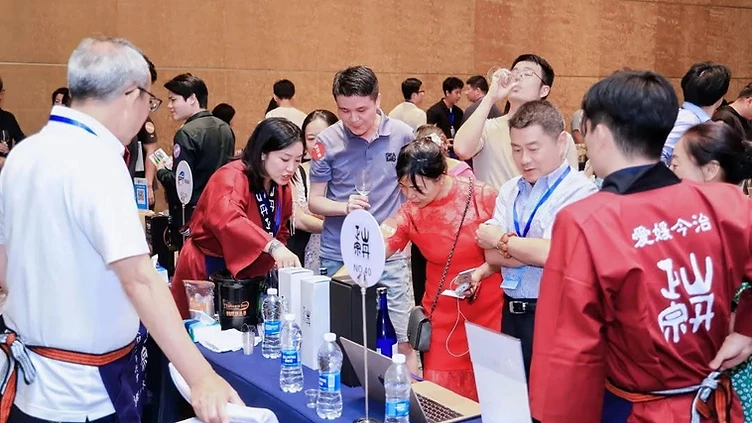
A commercial roadmap for Mexican wineries and export associations exploring China's evolving wine market, covering consumer trends, customs compliance, and distributor engagement.
Mexico's viticultural landscape has reached an unprecedented level of international maturity, yet its commercial footprint remains heavily concentrated in North America. According to trade data documented in the Vinetur Report on the Mexican Wine Market, the United States absorbed USD 6.29 million of Mexican wine exports in 2023, leaving wineries exposed to single-market vulnerability. At the same time, China’s wine ecosystem is undergoing a structural transformation. Market data compiled by Deep Market Insights (2024) indicates China's wine market reached USD 57.25 billion in 2024, with still wines representing USD 25.63 billion of that total. For Mexican producers from Baja California, Querétaro, Coahuila, and Guanajuato, China offers an untapped frontier—provided commercial leaders navigate the regulatory gatekeepers, tailor their varietal positioning, and secure qualified distribution partners.
The Shift in Chinese Wine Consumption: Why Mexican Terroir Matters
China’s wine sector has moved away from speculative ostentation toward selective, value-conscious, and novelty-driven consumption. Analysis published by VVR International (2026) highlights that China’s young urban demographic is seeking accessible sensory profiles, distinct narratives, and specialized boutique labels over generic mass-market imports.
Mexican wine possesses distinct attributes that match these shifting preferences:
- Artisanal and Boutique Appeal: Mexican production is celebrated for Mediterranean blends, high-elevation viticulture, and low-intervention methods. In 2024, the prestigious Peñín Guide awarded 189 Mexican wines ratings of "excellent" or "exceptional" with an average score of 88.65, demonstrating international quality standards, as reported by Mexico Business News (2024).
- Gastronomic Versatility: The rise of international dining, Latin American cuisine, and contemporary fusion bistros in Tier 1 and 'New Tier 1' cities (such as Shanghai, Guangzhou, Shenzhen, and Chengdu) creates an appetite for food-friendly wines. Nebbiolo from Valle de Guadalupe, Tempranillo blends, and crisp sparkling wines match bold Cantonese and Sichuan flavor profiles.
- Growth of Sparkling and Rosé Segments: According to DataMexico export statistics cited by Vinetur, Mexican sparkling wine exports reached USD 721,000 in 2023, primarily originating from Querétaro and Baja California. As Chinese female consumers and casual social drinkers pivot toward lighter styles, sparkling and fresh white varietals offer a viable market-entry point.
To capture market share, commercial teams should review Market Insights to understand how regional Chinese distributor networks evaluate emerging Old and New World terroirs.
Overcoming Key Export Hurdles: Tariffs, GACC, and Brand IP
Expanding into China requires structured preparation to mitigate regulatory and financial friction. Exporters must account for three structural hurdles:
1. Tariff Disadvantages vs. FTA Competitors
Unlike Chile, Australia, and New Zealand, which benefit from bilateral Free Trade Agreements (FTAs) delivering zero-tariff entry into China, Mexican wine enters under Most Favoured Nation (MFN) tariff schedules. Mexican bottled wine (HS Code 2204.21) faces a standard 14% Most Favoured Nation tariff, followed by a 10% Consumption Tax and a 13% Value-Added Tax (VAT). Consequently, competing on bulk price against low-cost producers is economically unviable. Mexican wineries must position their portfolios strictly within the mid-to-high premium segment (RMB 180 to RMB 600 retail per bottle), emphasizing scarcity, unique geography, and artisanal prestige.
2. Customs Registration (GACC Decree 248)
All overseas alcoholic beverage manufacturers exporting to China must register with the General Administration of Customs of China (GACC) under Decree 248. The facility registration requires strict documentation of production standards, hygiene protocols, and traceability. Bottling lines, grape sourcing, and additives must adhere to China's National Food Safety Standard for Wine (GB 15037). Failure to secure a valid GACC registration number prior to departure will lead to immediate container detention at the port of entry.
3. Proactive Trademark Registration
China adheres to a strict "first-to-file" system for intellectual property. Mexican producers must register both their Latin brand name and a phonetic/conceptual Chinese trademark with the China National Intellectual Property Administration (CNIPA) before shipping product samples. Failure to register early exposes wineries to trademark squatting, which can obstruct brand clearance at customs and freeze distribution channels.
Strategic Distribution: Tiered Cities and On-Premise Channels
Mass retail channels in China are dominated by established French, Chilean, and domestic labels. Instead of broad distribution, Mexican exporters should pursue targeted channel strategies:
+-------------------------------------------------------------+
|               Targeted B2B Route-to-Market                 |
+-------------------------------------------------------------+
                               |
        +----------------------+----------------------+
        |                                             |
        v                                             v
[On-Premise Prestige]                       [Digital & Direct B2B]
- Boutique Wine Bars                        - WeChat Mini-Program Stores
- Upscale Latin & Fusion Dining             - Specialized Club Allocations
- 5-Star Hotel Beverage Programs            - Curated Live-Commerce Niches
- On-Premise and High-End Hospitality: Mexican wines thrive in experiential settings where sommeliers can narrate the wine’s story. Targeting high-end boutique wine bars, luxury Western and fusion restaurants, and independent wine clubs across South China's Greater Bay Area yields higher margins and authentic brand advocacy.
- Curated E-Commerce & Private Domains: Traditional off-shelf retail carries high inventory carry costs. Instead, partner with distributors running WeChat Mini-Programs, corporate gifting networks, and curated cross-border specialty channels that emphasize educational storytelling over heavy discounting.
The Path Forward: Route-to-Market Execution via INTERWINE
Launching in China without an on-the-ground physical presence carries high counterparty risk. Cold inquiries rarely generate purchase orders from Chinese beverage distributors, who depend heavily on sensory evaluation, in-person negotiation, and supply continuity guarantees.
To establish reliable wholesale connections, Mexican wineries, regional viticultural clusters, and trade delegations can Become an Exhibitor at INTERWINE China. As an established international wine exhibition platform, INTERWINE enables producers to:
- Present wines directly to vetted national importers, regional distributors, and key hospitality procurement directors.
- Participate in tailored Business Matching sessions engineered to connect boutique producers with niche distributors.
- Conduct dedicated masterclasses and guided tastings during Interwine Events, educating Asian sommeliers on Baja California's Valle de Guadalupe, Querétaro’s sparkling traditions, and Mexican terroir.
Mexican wine has established its credentials across international wine competitions. By moving past domestic and US market concentration and approaching China through structured regulatory compliance and targeted distributor matchmaking, Mexican wineries can establish a lasting foothold in Asia's largest beverage market.
Sources
- Deep Market Insights (2024), China Wine Market Size, Trends & Forecast Analysis (2025–2033): https://deepmarketinsights.com/vista/insights/wine-market/china
- Vinetur (2024), Report on the Mexican Wine Market: https://www.vinetur.com/documentos/article/86728/Report%20Vinetur%20on%20the%20Mexican%20Wine%20Market.pdf
- Mexico Business News (2024), Mexican Wine Industry Growth and Trends: https://mexicobusiness.news/agribusiness/news/mexican-wine-industry-growth-and-trends
- VVR International (2026), The Chinese Wine Market in 2026: Trends and Consumption: https://www.vvrinternational.com/en/the-chinese-wine-market-in-2026-trends-and-consumption
Key Takeaways
- —Mexican wine exports have historically suffered from heavy single-market exposure, with the US absorbing USD 6.29 million in 2023, making market diversification into China a strategic priority.
- —China's wine market reached an estimated valuation of USD 57.25 billion in 2024 according to Deep Market Insights, offering strong upside for premium and boutique varietals.
- —Without a bilateral Free Trade Agreement, Mexican wine incurs standard MFN tariffs and consumption taxes, necessitating a premium or super-premium brand positioning strategy.
- —Customs entry requires mandatory GACC Decree 248 overseas manufacturer registration, adherence to GB 15037 standards, and early trademark protection under CNIPA.
- —Targeting on-premise venues, boutique wine bars, and high-end dining in Tier 1 and Southern Chinese metropolitan hubs offers the highest conversion rate for Mexican producers.
- —Direct B2B engagement and sensory tasting at INTERWINE trade shows allow Mexican exporters to secure qualified importer partnerships efficiently.
Frequently Asked Questions
What import tariffs apply to Mexican wine entering China?
Unlike Chile or Australia, Mexico does not have a bilateral free trade agreement with China. Mexican bottled wine (HS Code 2204.21) is subject to China's standard Most Favoured Nation (MFN) import tariff of 14%, a 10% Consumption Tax, and a 13% Value-Added Tax (VAT), resulting in a compound tax burden of roughly 43-48%. Consequently, Mexican producers must compete on premium quality and distinct terroir rather than entry-level pricing.
What regulatory filings are mandatory for Mexican wineries prior to export?
Producers must obtain an overseas manufacturing facility registration through the General Administration of Customs of China (GACC) under Decree 248. Wine chemistry, sulfur dioxide levels, and additives must strictly comply with China's National Food Safety Standard for Wine (GB 15037). Back labels must be adapted to include required Chinese information, and intellectual property trademarks should be registered with CNIPA prior to shipping.
Which Mexican wine varieties have the strongest commercial appeal in China?
Red Mediterranean blends, Nebbiolo from Baja California's Valle de Guadalupe, and high-altitude Tempranillo possess the depth and character sought by premium collectors. Additionally, sparkling wines from Querétaro tap into the burgeoning demand among young urban female consumers who favor approachable, celebratory, low-alcohol options.
How can Mexican wineries locate reliable Chinese importers and distributors?
Cold outreach rarely works in the Chinese beverage trade due to high relationship requirements. Direct participation in recognized industry trade fairs such as INTERWINE China, combined with curated business-matching sessions, guided masterclasses, and certified sommelier tastings, offers the most dependable route to secure distribution contracts.