What Chinese Buyers Need to Know About Mexican Wine

A commercial roadmap for Mexican wineries entering China: terroir differentiation, GACC registration, compliance protocols, and trade activation strategies.
Chinese wine importers, distributor consortiums, and luxury hospitality sommeliers are actively diversifying beyond legacy Old World appellations. As China’s wine-consuming demographic matures, premium on-premise venues and boutique wine bars in Tier-1 and New Tier-1 cities seek high-character, artisanal wines that offer distinctive storytelling. Mexican viticulture—anchored by the high-elevation Pacific terroir of Baja California—presents a compelling value-to-prestige equation. However, entering China requires more than exceptional wine; it demands rigorous compliance with the General Administration of Customs of the People's Republic of China (GACC), precise channel positioning, and direct engagement with pre-qualified buyers.
The Strategic Appeal of Mexican Wine in China’s Evolving Market
China has established itself as one of the most dynamic imported wine markets globally. While traditional import volumes have faced recalibration, demand for distinctive New World terroirs and premium boutique labels has expanded, especially among younger urban professionals and educated consumers. According to the Observatory of Economic Complexity (OEC), Mexico represented roughly 0.023% of total global wine exports in 2024, ranking as the 58th largest exporter globally. This small global export footprint means Mexican wine carries an inherent boutique exclusivity—an attribute highly prized by high-end Chinese distributors who wish to avoid margin-eroding price wars associated with saturated bulk-export origins.
Chinese wine buyers evaluate portfolio additions through three main lenses: terroir uniqueness, food-pairing versatility, and consumer curiosity. Mexican wines deliver on all three:
- Climatic and Terroir Distinction: Valle de Guadalupe, Valle de San Vicente, and Parras Valley combine intense diurnal temperature swings, coastal Pacific breezes, and mineral-rich soils, yielding wines with robust fruit concentration balanced by structural acidity.
- Eclectic and Bold Blends: Unconstrained by rigid Old World AOC rules, Mexican winemakers excel in unexpected assemblages—such as Nebbiolo blended with Cabernet Sauvignon, or Tempranillo paired with Syrah—that appeal directly to adventurous Chinese palates.
- Cultural and Gastronomic Pairing: The rise of international and progressive gastronomy across Shanghai, Shenzhen, Beijing, and Chengdu creates an ideal on-premise environment for pairing structured Mexican reds and crisp, saline whites with modern Asian fusion and regional Chinese dishes.
Core Terroirs: What Buyers Must Understand
To effectively market Mexican labels in mainland China, winemakers and regional associations must equip local trade buyers with clear regional narratives.
Baja California (Valle de Guadalupe, San Antonio de las Minas, Ojos Negros)
Accounting for the vast majority of Mexico’s premium output, Baja California benefits from a Mediterranean microclimate moderated by cold ocean currents from the Pacific. Key commercial varieties include Nebbiolo, Cabernet Sauvignon, Merlot, Tempranillo, and Chenin Blanc. Baja Nebbiolo has developed a cult following due to its deep extraction, vibrant color, and approachable tannins compared to its Piedmontese ancestor, making it immediately appealing to Chinese collectors searching for powerful reds.
Coahuila (Valle de Parras)
Home to the oldest commercial winery in the Americas (Casa Madero, established 1597), Parras sits at elevations exceeding 1,500 meters above sea level. This high altitude ensures intense solar radiation and cool night temperatures, resulting in balanced Shiraz, Cabernet Sauvignon, and Malbec with aromatic complexity and freshness.
Central Highlands (Querétaro, Guanajuato, Zacatecas)
Characterized by semi-arid, high-altitude plateaus, Querétaro has become Mexico’s sparkling wine center, utilizing traditional-method production for Macabeo, Xarel-lo, and Chardonnay. Guanajuato and Zacatecas produce elegant, cool-climate Syrah and Viognier that match consumer demand for crisp whites and celebratory sparklers.
Regulatory Framework and China Customs Compliance
Navigating China’s regulatory landscape is the most critical hurdle for Mexican producers. Since the restructuring of China's import apparatus, oversight has been concentrated under the General Administration of Customs of China (GACC), replacing older AQSIQ mechanisms. Wineries must adhere strictly to Chinese national food safety standards (Guobiao, or GB standards).
Key compliance requirements include:
- GACC Single Window Registration (Decree 248): Every overseas manufacturing and processing facility must secure an official GACC registration code before goods leave port. This number must appear on outer packaging and inner bottle labels as mandated by Chinese customs.
- National Food Safety Standards: Shipments must meet strict chemical parameters, including total sulfur dioxide limits, copper and iron residue thresholds, and preservatives as outlined in relevant GB standards (such as GB/T 15038 analytical methods and related food safety codes, documented by trade logistics specialists like SINO Shipping).
- Chinese Compliant Back Labels: Prior to customs clearance, bottles must feature an approved Chinese back label specifying the product name, ingredients, net volume, alcohol percentage (ABV), country of origin, bottling date, domestic importer details, and mandatory health warnings, matching guidelines tracked by international export authorities such as the Alcohol and Tobacco Tax and Trade Bureau (TTB).
- Trademark Protection: Chinese trademark law operates on a strict "first-to-file" basis. Mexican producers must register both their original brand name and their official Chinese phonetic and transliterated names with the China National Intellectual Property Administration (CNIPA) well before entering commercial discussions.
Commercial Route-to-Market Strategy
Because Mexican wine is a boutique segment rather than a commodity volume play, market entry requires a targeted distribution strategy. Producers should focus on specialized commercial tiers:
- Boutique Importers and Fine Wine Distributors: Target importers serving independent wine merchants, five-star hotel beverage programs, and Michelin-starred dining venues in Tier-1 cities. These buyers seek distinctive regional stories and high gross margins rather than mass distribution volume.
- Specialty E-Commerce and Private Client Lists: Work with distributors managing direct-to-consumer Mini-Programs on WeChat and specialized wine sales channels. These platforms rely heavily on live masterclasses, tasting kits, and sommelier-driven education.
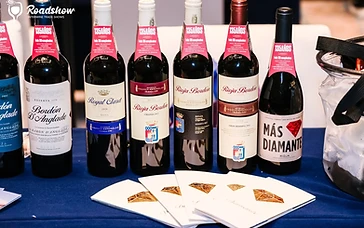
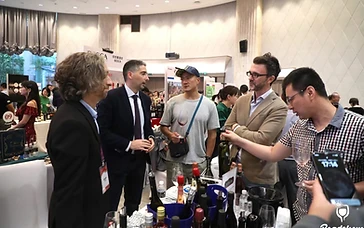
- Regional Trade Exhibitions: Building brand credibility in mainland China requires direct face-to-face engagement. Participating in established professional wine trade fairs allows producers to conduct structured tastings, engage qualified commercial buyers, and evaluate distributor portfolios in real time.
To review comprehensive trade data and demographic trends shaping this dynamic environment, explore our Market Insights. Producers ready to take a decisive operational step to secure qualified distribution can explore how to Become an Exhibitor at Interwine, connecting directly with importers from South China and across the country. Additionally, regional associations and commercial delegations can leverage professional Business Matching programs to conduct pre-screened meetings with verified category buyers.
Conclusion
Mexican wine represents an exciting, commercially viable frontier for the Chinese wine import sector. By pairing rich viticultural heritage with disciplined GACC compliance and direct commercial activation, Mexican wineries can establish a lucrative presence among China's most discerning trade buyers.
Sources
- The Observatory of Economic Complexity (OEC), Wine in Mexico Trade Data (2024), https://oec.world/en/profile/bilateral-product/wine/reporter/mex
- SINO Shipping, How to Export Wine to China: Freight & Customs Guide, https://www.sino-shipping.com/import-wine-china/
- Alcohol and Tobacco Tax and Trade Bureau (TTB), Wine Export to China: Regulatory Guidance and Certification, https://www.ttb.gov/import-export/itd/wine-export-china
- Research and Markets, Mexico Wine Import and Production Trends (2025-2034), https://www.researchandmarkets.com/reports/6075700/mexico-wine-import-research-report
Key Takeaways
- —Mexican wine holds an exclusive boutique niche, accounting for 0.023% of global wine exports in 2024 according to OEC data.
- —Baja California’s Mediterranean microclimate produces full-bodied Nebbiolo and distinctive red blends that match the palate preferences of China’s premium on-premise segment.
- —Exporters must secure mandatory GACC facility registration under Decree 248 and prepare Chinese back labels complying with national GB standards.
- —First-to-file trademark registration with the CNIPA is an essential prerequisite before shipping commercial samples or signing distribution agreements.
- —Boutique distributors, Michelin-starred hospitality venues, and specialized wine exhibitions represent the highest-margin commercial pathways.
Frequently Asked Questions
What makes Mexican wine commercially appealing to Chinese buyers?
Mexican wine offers unique high-elevation and coastal terroirs, particularly in Baja California, along with creative, unconstrained blending traditions. Because Mexican wine exports are limited—representing roughly 0.023% of the world's wine exports in 2024 according to the OEC—it provides exclusivity and healthy profit margins for high-end on-premise venues avoiding price wars.
What are the primary regulatory requirements for exporting Mexican wine to China?
Producers must obtain overseas manufacturing facility registration under GACC Decree 248, comply with Chinese food safety parameters (GB standards), pass laboratory inspections, and format Chinese-language back labels displaying all statutory product and importer information.
Which Mexican grape varieties resonate most with Chinese wine consumers?
Baja California Nebbiolo and rich blends of Cabernet Sauvignon, Tempranillo, and Syrah show the highest traction due to their deep color, expressive fruit profile, and round tannins. Additionally, crisp Chenin Blanc and Querétaro sparkling wines are gaining interest in urban dining settings.
Why is trademark registration essential prior to entering mainland China?
China enforces a strict first-to-file trademark doctrine. Registering both the original Latin brand name and a curated Chinese phonetic trademark with the CNIPA protects producers against bad-faith registrations and ensures clear distribution rights.
How can Mexican wineries directly meet verified Chinese importers?
Participating in major domestic wine trade fairs such as Interwine and utilizing structured B2B business matching programs provides direct access to pre-qualified importers, distributors, and sommeliers looking for differentiated regional portfolios.