What Chinese Buyers Need to Know About Lebanese Wine
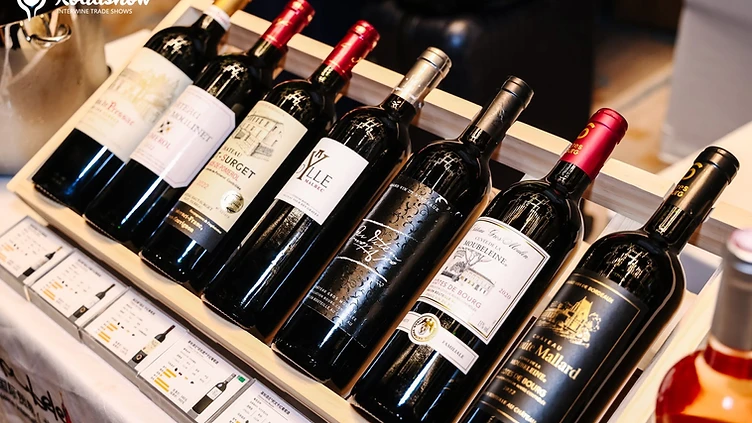
A commercial B2B guide for wine producers and export associations on what Chinese buyers need to know about Lebanese wine, covering terroir, grape varieties, pricing, and distribution.
Chinese importers, distributors, and premium on-premise buyers are actively diversifying their portfolios beyond conventional Old World and New World strongholds. Understanding what Chinese buyers need to know about Lebanese wine is critical for Lebanese vintners and regional export associations aiming to establish sustainable commercial footholds in mainland China. Lebanese wine provides an exceptional blend of deep historical prestige, modern boutique craftsmanship, high-altitude terroir, and compelling storytelling. However, breaking into China’s evolving wine ecosystem requires clear knowledge of local consumer demographics, regulatory standards, price band positioning, and strategic physical touchpoints.
According to China Briefing (2025), citing the International Wine and Spirits Research (IWSR), China's alcohol e-commerce ecosystem is expanding at a compound annual growth rate (CAGR) of 6% through 2027, eventually capturing a 40% global share of digital alcohol retail. Combined with a sophisticated offline fine-dining sector in first- and second-tier cities, Chinese commercial buyers seek wines that command strong margins, feature unique narratives, and appeal to adventurous, younger wine connoisseurs.
Terroir and Heritage: The Lebanese Commercial Value Proposition
To successfully negotiate with Chinese fine wine merchants and sommeliers, export managers must translate Lebanon’s viticultural landscape into tangible selling points.
High-Altitude Continental Terroir
Lebanon’s primary production hub, the Bekaa Valley, sits at an average altitude of 900 to 1,000 meters above sea level, flanked by Mount Lebanon and the Anti-Lebanon mountain ranges. This geography produces hot, dry summers tempered by crisp, cool nights. The resulting diurnal temperature variation—often exceeding 15°C—preserves natural acidity and aromatic freshness while enabling phenolic ripeness. For Chinese buyers, who increasingly reject overly jammy, high-alcohol reds in favor of structured, age-worthy, and food-friendly wines, the natural balance of Lebanese bottles is a primary commercial asset.
The Ancient Phoenician Lineage
In the Chinese market, heritage and storytelling drive gift-giving and banquet selections. Lebanon claims over 4,000 years of documented winemaking history tracing back to the Phoenicians, who traded wine across the Mediterranean Basin. This historical depth resonates with Chinese corporate and private collectors who prioritize provenance, rarity, and cultural significance.
Grape Varieties and Styling: Aligning with Chinese Consumer Palates
Chinese wine consumers are moving rapidly beyond traditional Bordeaux blends into indigenous and Mediterranean profiles.
French Heritage Varietals
Historically shaped by French administrative influence, Lebanese viticulture excels with Cabernet Sauvignon, Cinsault, Carignan, Syrah, Mourvèdre, and Merlot. Cinsault and Carignan, in particular, produce wines with silky tannins, bright red fruit, and subtle spice notes that pair naturally with complex Chinese cuisines, including Cantonese roasted meats, Sichuan spices, and Shanghainese braised dishes.
Native Cultivars: Obeideh and Merwah
Indigenous white varieties—predominantly Obeideh and Merwah—offer a distinctive market edge. As younger, urban Chinese professionals explore mineral-driven, textural white wines and low-intervention styles, these historic grapes deliver an authentic counterpoint to mass-market Chardonnay and Sauvignon Blanc.
Export Data, Trade Balance, and Market Dynamics
Understanding trade realities is vital for realistic commercial planning. According to official trade assessments by LebTrade, Lebanon's global wine export shipments grew at a compound annual growth rate (CAGR) of 4.84% over two decades, positioning the nation between the 34th and 48th largest wine exporter globally. Furthermore, the United Nations COMTRADE database reported that Lebanese wine exports (HS Code 2204) to the United States alone stood at US$3.65 million during 2023 (Trading Economics).
While Western markets such as the United Kingdom, France, and North America have long absorbed the bulk of Lebanon's boutique production, the domestic economic landscape makes diversification into Asian markets imperative. Independent reporting by SevenFifty Daily (2026) highlights that ongoing economic and currency challenges within Lebanon have made export cash flows indispensable for boutique wineries seeking capital stability.
+--------------------------------------------------------------------------------+
|                  Lebanese Wine Market Fit in China                             |
+------------------------------------+-------------------------------------------+
| Market Segment                     | Commercial Driver                         |
+------------------------------------+-------------------------------------------+
| High-End On-Premise (Boutique)     | Gastronomic versatility & unique heritage |
| Corporate Gifting & Collectors     | Rare provenance & cellaring longevity     |
| Digital Omnichannel & E-Commerce   | Emerging niche discovery among Gen Z/Y    |
+------------------------------------+-------------------------------------------+
What Chinese Buyers Specifically Evaluate
When evaluating Lebanese wine producers, Chinese procurement managers assess several pragmatic operational factors:
- Price-to-Quality Ratio (PQR): Production costs in Lebanon are elevated due to imported packaging materials and boutique scale. Chinese importers will not accept commodity pricing; they evaluate Lebanese bottles strictly in the premium and super-premium segments (RMB 200–800+ retail).
- Consistency of Supply Chain: Export buyers need reassurance regarding shipping reliability from ports such as Beirut. Clarifying sea-freight transit times, container temperature controls, and warehousing logistics mitigates perceived operational risks.
- Brand Narrative and Chinese Localization: Importers require marketing toolkits translated into simplified Chinese, highlighting terroir, certifications (e.g., organic or biodynamic), and culinary pairing guides tailored for local gastronomic styles.
- Regulatory and Customs Readiness: Compliance with General Administration of Customs of China (GACC) winery registration rules, accurate bilingual back-labeling, and laboratory analysis certificates for sulfur dioxide and chemical tolerances.
Producers seeking to grasp these distribution intricacies can review detailed trade reports through Market Insights to optimize their commercial pricing models.
Route-to-Market: Engaging Chinese Buyers Face-to-Face
Digital outreach and cold sampling rarely close substantial distribution contracts in the Chinese wine trade. Trust, personal relationships (guanxi), and firsthand sensory validation remain paramount. Chinese importers, regional wholesalers, and hotel purchasing directors make their annual purchasing commitments at dedicated trade fairs.
Participating as an exhibitor at premier international trade events allows Lebanese producers and export consortia to:
- Present structured masterclasses showcasing the aging capacity and historical legacy of Bekaa and Batroun terroirs.
- Conduct targeted tastings with vetted B2B importers via structured Business Matching services.
- Gain direct feedback on bottle labeling, closures (cork vs. screwcap), and price expectations from active mainland distributors.
To capture market share in mainland China's dynamic trade hubs, Lebanese wine producers and regional export associations should actively position their brands where key decision-makers source new inventory. Take the decisive step to expand your international distribution and Become an Exhibitor at upcoming INTERWINE expos.
Sources
- China Briefing. (2025). China’s Wine Market Outlook: Trends and Opportunities. https://www.china-briefing.com/news/chinas-wine-market-outlook-trends-and-opportunities/
- LebTrade - Ministry of Economy and Trade Lebanon. Wine Export Factsheet. https://lebtrade.gov.lb/product/wine/
- Trading Economics / United Nations COMTRADE. Lebanon Exports of Wine to United States. https://tradingeconomics.com/lebanon/exports/united-states/wine-fresh-grapes
- SevenFifty Daily. (2026). Exploring the World of Lebanese Wine—Beyond Chateau Musar. https://daily.sevenfifty.com/exploring-the-world-of-lebanese-wine-beyond-chateau-musar/
Key Takeaways
- —Lebanon offers distinct high-altitude continental terroir in the Bekaa Valley, producing structured, age-worthy wines that match changing Chinese consumer preferences.
- —Heritage varietals such as Cinsault and Carignan, alongside indigenous grapes like Obeideh and Merwah, provide Chinese sommeliers with unique storytelling and food-pairing angles.
- —Official trade records show Lebanese exports have maintained a long-term CAGR of 4.84%, making geographic diversification into China vital for commercial winery resilience.
- —Chinese procurement executives position Lebanese wine in premium price bands (RMB 200–800+) rather than entry-level volume categories.
- —Personal relationship-building and sensory validation via dedicated B2B trade platforms like INTERWINE remain the most effective route to secure reliable Chinese importers.
Frequently Asked Questions
Why are Chinese wine buyers increasingly interested in Lebanese wine?
Chinese buyers are diversifying their portfolios away from saturated mainstream origins to offer differentiated, premium selections. Lebanese wine offers deep historical prestige dating back to the Phoenicians, exceptional high-altitude terroir from the Bekaa Valley, and unique grape varietals that command healthy retail margins in fine-dining and boutique retail.
Which Lebanese grape varietals perform best in the Chinese market?
Old-vine French Mediterranean varietals such as Cinsault, Carignan, Syrah, and Cabernet Sauvignon perform strongly because of their food-friendly acidity, complex aromatics, and pairing compatibility with Chinese regional cuisines. Native white varieties like Obeideh and Merwah also appeal to niche urban wine bars and exploratory younger consumers.
What retail price bracket does Lebanese wine occupy in China?
Because Lebanese production is boutique and carries high logistical and raw material overheads, it cannot compete in entry-level volume segments. The sweet spot for Lebanese wine in China is in the premium to super-premium brackets, typically retailing from RMB 200 to RMB 800+ per bottle.
What regulatory steps are required to export Lebanese wine to China?
Wineries must register their production facilities with the General Administration of Customs of China (GACC) under Decree 248, ensure bilingual back-labels comply with Chinese national food safety standards (GB standards), and provide certified laboratory analysis for alcohol content, sulfur dioxide, and other chemical tolerances before shipping.
How can Lebanese wine producers effectively meet qualified Chinese importers?
Face-to-face engagement at dedicated B2B trade exhibitions such as INTERWINE is the most direct pathway. Wineries can take advantage of curated business matchmaking, present targeted masterclasses to sommeliers and distributors, and establish verified relationships with qualified Chinese buyers.