What Chinese Buyers Need to Know About Brazilian Wine
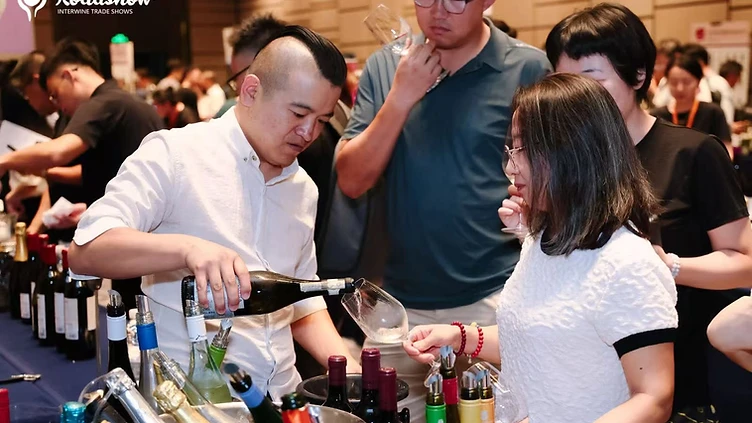
A commercial B2B guide for Chinese wine buyers, distributors, and Brazilian exporters exploring Brazilian sparkling wines, terroir diversity, customs compliance, and market activation strategies in China.
To successfully capture share in China’s evolving import market, Chinese professional wine buyers need to evaluate Brazilian wine not as a novelty, but as a high-margin, category-diversifying asset led by world-class sparkling wines and distinctive high-altitude terroirs. According to data reported by Wines of Brazil / Consevitis-RS and ApexBrasil (2024), Brazilian wine exports expanded to 79 destination markets with a 14% increase in shipments to mainland China, illustrating growing commercial engagement between South American vintners and Asian distributors. For Chinese importers seeking alternatives to saturated European portfolios, understanding Brazil's production regions, pricing dynamics, regulatory clearances, and consumer reception is essential.
The Strategic Value Proposition of Brazilian Wine in China
China's imported wine sector is undergoing structural rationalization. Importers and on-premise beverage directors increasingly prioritize products that deliver differentiated storytelling, vibrant acidity, and competitive gross margins without entering cut-throat price battles against established commodity labels.
Brazilian wine directly matches these commercial criteria through three distinct market mechanisms:
- Sparkling Wine Benchmark Quality: Brazil has earned global acclaim for both traditional method (Champenoise) and Charmat sparkling wines. Crisp, aromatic, and food-friendly profiles (notably Brut and Moscatel) resonate with younger, tier-1 and tier-2 Chinese urban drinkers seeking celebratory lifestyle beverages.
- Portfolio Uniqueness: While Chile and Argentina represent dominant South American origins in China, Brazil offers an untapped, premium niche. Buyers can command healthier retail margins because retail prices are not eroded by aggressive grey-market cross-border e-commerce.
- Climatic and Terroir Diversity: Rather than hot-climate, high-alcohol wines, Brazil’s southern and high-altitude terroirs deliver refreshing profiles with natural acidity, balanced alcohol, and vibrant fruit expression suited to regional Chinese cuisines.
Core Production Terroirs Chinese Buyers Must Understand
To negotiate and curate effectively, buyers must recognize the diverse geographic indications defining Brazil's export portfolio:
1. Serra Gaúcha (Rio Grande do Sul)
Representing the historic heart of Brazilian viticulture, Serra Gaúcha produces roughly 85% of the nation's fine wines. Characterized by basaltic soils, rolling altitudes between 400 and 800 meters, and strong Italian immigrant heritage, it excels in:
- Sparkling Wines: Chardonnay and Pinot Noir bases featuring intense freshness, fine perlage, and mineral lift.
- Aromatic Sparkling (Moscatel): Highly popular among emerging Chinese drinkers seeking sweet, floral profiles with low alcohol.
- Merlot and Cabernet Franc: Medium-bodied, elegant reds with restrained oak and balanced tannins, catering to southern Chinese banquet settings.
2. Campanha Gaúcha
Positioned along the southern border with Uruguay and Argentina, Campanha Gaúcha offers flatter topography, warmer summer temperatures, and expansive open tracts. It yields bolder reds, including Tannat, Cabernet Sauvignon, and Touriga Nacional, alongside textured Pinot Grigio and Sauvignon Blanc.
3. Serra da Mantiqueira & Winter Harvest Terroirs
Spanning the states of São Paulo and Minas Gerais, these regions employ the innovative "double pruning" (poda invertida) system. By shifting grape ripening into the dry, cool winter months (June to August), producers achieve physiological ripeness with pristine acidity, yielding boutique Syrah and Sauvignon Blanc ideal for upscale on-trade wine lists in Shanghai, Shenzhen, and Beijing.
Regulatory, Tariff, and GACC Compliance Realities
Sourcing wine from Brazil into mainland China requires strict adherence to Chinese customs standards administered by the General Administration of Customs of China (GACC).
GACC Decree 248 / 249 Facility Registration
All overseas wineries exporting to China must hold a valid foreign manufacturer registration number with GACC before dispatching cargo. Shipments lacking an approved GACC registration code are barred from customs clearance at Chinese ports of entry.
National Food Safety Standards (GB Standards)
Importers must ensure every SKU conforms to China's beverage alcohol parameters:
- GB 2758: Standards for Fermented Alcoholic Beverages.
- GB 7718: Pre-packaged food labeling requirements, mandating correct Chinese back-labels detailing country of origin, importer of record, net volume, alcohol percentage, shelf-life declarations (where applicable), and mandatory allergen statements (e.g., sulfites).
- Laboratory Certificates: Shipments must be accompanied by an official Certificate of Origin and a Certificate of Analysis detailing heavy metals, volatile acidity, sulfur dioxide levels, and synthetic additive screening.
Import Tariffs and Value-Added Tax
Unlike Chile and New Zealand, which benefit from bilateral Free Trade Agreements (FTAs) providing zero-tariff treatment into China, Brazilian wine enters under Most Favoured Nation (MFN) tariff rates:
- Tariff (MFN): 14% for bottled wine under HS code 2204.
- Consumption Tax: 10% ad valorem.
- Value-Added Tax (VAT): 13%.
Consequently, Brazilian producers must collaborate with importers to position wines in the mid-to-premium segments (RMB 150–450 retail), where the lack of zero-tariff status does not diminish shelf competitiveness compared to bulk commodity competitors.
Positioning and Consumer Trends in the Chinese Market
Understanding changing domestic drinking behaviors provides buyers and distributors with clear retail strategies:
+-----------------------+-----------------------------+-----------------------------+
| Wine Category         | Primary Consumer Segment    | Optimal Commercial Channel  |
+-----------------------+-----------------------------+-----------------------------+
| Brut Sparkling Wine   | Young professionals, women  | Bistro bars, modern dining  |
| Moscatel Espumante    | Social drinkers, beginners  | E-commerce, lifestyle cafes |
| High-Altitude Syrah   | Connoisseurs, collectors    | Specialty wine shops, hotels|
| Campanha Gaúcha Reds  | Traditional wine buyers     | Corporate gifting, banquets |
+-----------------------+-----------------------------+-----------------------------+
- The Rise of Sparkling and Lighter Styles: Data from Wine Intelligence (2026) shows shifting consumption patterns toward fresh whites and sparkling wines, a trajectory mirrored across modern Chinese urban dining scenes where heavy oak is giving way to vibrant acidity.
- Culinary Pairing Versatility: Brazilian sparkling wines possess natural acidity that cuts through fatty, umami-rich regional Chinese culinary styles, including Cantonese dim sum, Sichuan hotpot, and Huaiyang seafood.
- Lifestyle and Cultural Affinity: Brazil's cultural brand—associated with carnival, biodiversity, and vibrant hospitality—creates strong organic engagement across Chinese social media channels like Xiaohongshu (RED) and Douyin.
Overcoming Importer Challenges: Logistics, Sampling, and Partnerships
Despite product quality, commercial barriers remain. Distance and maritime transit times between Santos/Rio Grande and primary Chinese ports (such as Guangzhou, Ningbo, or Shanghai) typically average 35 to 50 days. Ocean freight management necessitates temperature-controlled reefer containers to protect sparkling wines and delicate reds against equatorial thermal shock.
Furthermore, direct producer representation is paramount. Chinese distributors avoid speculative imports without verified commitment from wineries regarding market education, tasting support, and marketing subsidies.
To bridge this gap, structured trade matchmaking and physical exhibition platforms remain the definitive mechanism for closing multi-container distribution contracts. Wineries and regional trade bodies seeking direct engagement with qualified Chinese regional distributors leverage targeted industry expos. Review our Market Insights for broader market dynamics, access specialized Business Matching services, or explore opportunities to Become an Exhibitor to secure strategic face-to-face distribution agreements across mainland China's key consumer hubs.
Sources
- Wines of Brazil & Consevitis-RS / DatamarNews (2024)
- USDA Foreign Agricultural Service - Brazilian Grape and Wine Market Overview (2024)
- U.S. Alcohol and Tobacco Tax and Trade Bureau (TTB) - International Affairs Brazil Guide (2024)
- Wine Intelligence - Brazil Wine Market & Consumption Report (2026)
Key Takeaways
- —Brazil offers Chinese buyers high-margin differentiation centered on world-class sparkling wines (Brut and Moscatel) rather than generic mass-market reds.
- —Major producing regions including Serra Gaúcha, Campanha Gaúcha, and high-altitude winter-harvest regions provide crisp acidity suited to Chinese dining.
- —Exporting to China requires strict compliance with GACC Decree 248 facility registration, GB 2758 beverage standards, and accurate GB 7718 Chinese back-labeling.
- —Unlike Chilean imports, Brazilian wines enter China under MFN tariffs (14%), requiring mid-to-premium positioning to avoid direct commodity price competition.
- —In-person commercial trade exhibitions and dedicated business matching provide the most reliable pipeline to secure qualified Chinese regional distributors.
Frequently Asked Questions
What styles of Brazilian wine have the strongest commercial potential in China?
Brazilian sparkling wines—produced via both traditional and Charmat methods—hold the greatest commercial appeal in China. Fresh Brut styles and aromatic, sweet Moscatel wines match emerging consumer tastes and pair naturally with regional Chinese food. High-altitude boutique Syrah and structured Merlot also demonstrate strong traction in premium on-trade channels.
What import duties apply to Brazilian wine entering mainland China?
Because Brazil does not have a bilateral Free Trade Agreement with China, bottled wines (HS Code 2204) enter under Most Favoured Nation (MFN) terms: a 14% import tariff, a 10% consumption tax, and a 13% value-added tax (VAT). As a result, commercial portfolios focus on mid-to-premium segments where margins support the tariff structure.
What customs requirements must Brazilian wineries satisfy before shipping to China?
Overseas wineries must be registered with the General Administration of Customs of China (GACC) under Decree 248 and display their registration number on documentation. Wines must comply with National Food Safety Standards GB 2758 and GB 7718 for compliant Chinese back-labels, accompanied by official Certificates of Origin and accredited chemical analyses.
How can Brazilian wine producers find reliable distributors in China?
Producers establish commercial ties by participating in dedicated international wine expos such as Interwine, utilizing structured business matching programs, and partnering with experienced regional distributors who manage cold-chain logistics and local brand activation across Tier-1 and Tier-2 Chinese cities.