Why Lebanese Wineries Should Exhibit at Interwine
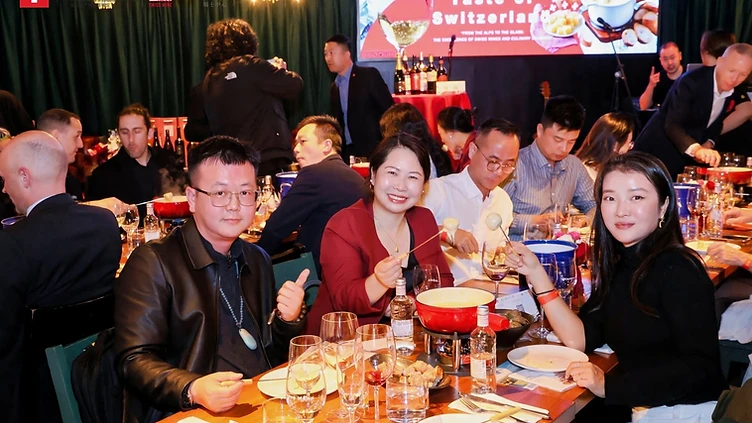
Discover why Lebanese wineries should exhibit at Interwine. Expand export margins, bypass Western market saturation, and access China's top tier importers across Guangdong.
Lebanese wineries face a defining commercial imperative: diversifying beyond saturated European destinations and an economically constrained domestic market into high-margin export territories. China's premium wine trade represents one of the world's most lucrative opportunities for distinctive, story-driven viticulture. As the gateway to southern China and the wider national distribution network, Interwine provides Lebanese wine producers with targeted B2B access to certified wine importers, regional distributors, and hospitality buyers across Guangdong and beyond.
The Strategic Urgency of Market Diversification for Lebanese Wine
Lebanon's winemaking tradition spans more than 5,000 years, anchored by legendary terroirs in the Bekaa Valley, Batroun, and Jezzine. Producers such as Château Ksara, Château Musar, and Château Kefraya established global renown for age-worthy reds and expressive indigenous varieties like Obeidi and Merwah. However, macroeconomic conditions and shifting consumption patterns require wine estates and export bodies to re-evaluate their international sales footprints.
According to trade data published by the Lebanese Ministry of Economy and Trade (LEBTRADE, 2020), Lebanese wine exports have historically concentrated heavily in select Western European territories—such as the United Kingdom, France, and Belgium—leaving producers vulnerable to European economic slowdowns and shifting duty structures. Concurrently, domestic consumption is constrained, with industrial projections from ReportLinker (2024) indicating Lebanese domestic wine volume consumption is set to contract from 6,000 metric tons in 2023 to 4,500 metric tons by 2028. To sustain healthy cash flows and premium price realization, Lebanese producers must capture share in expanding Asian luxury and specialist segments.
Why China’s Evolving Wine Landscape Demands Terroir-Driven Stories
China's imported wine sector has evolved beyond brand-driven volume into an appreciation of artisanal craftsmanship, distinctive indigenous varieties, and rich heritage. Modern Chinese collectors, corporate gifting buyers, and sommeliers actively seek high-character boutique labels that offer unique narratives. Lebanon's blend of ancient Phoenician viticultural heritage and French-influenced precision winemaking fits the exact profile demanded by upscale Chinese wine consumers.
Chinese buyers increasingly recognize the Bekaa Valley's high-altitude microclimates—intense sunshine paired with cool mountain nights—that produce concentrated, age-worthy Cabernet Sauvignon, Syrah, Cinsault, and Carignan blends. Moreover, native white varieties like Obeidi align with the growing domestic demand for gastronomic white wines suitable for pairing with diverse regional Chinese cuisines. Lebanese wineries that present their portfolio directly to trade professionals in China position themselves as high-margin, boutique alternatives to conventional Old and New World offerings.
The Strategic Advantage of Interwine: Tapping China’s Wine Commercial Capital
Exhibiting at Interwine in Guangzhou places Lebanese producers at the center of mainland China’s most powerful alcohol distribution engine. Guangzhou and the surrounding Greater Bay Area represent the primary gateway for international trade:
- Guangdong Import Dominance: According to official trade records cited by Interwine, Guangdong Province accounts for over 60% of mainland China's total imported wine volume and distribution infrastructure, making it the country's most active and liquid commercial hub for international vintages.
- Vetted B2B Buyer Ecosystem: Unlike general consumer trade fairs, Interwine operates under an exclusive business-to-business formula officially supported by the Ministry of Commerce of the P.R.C., attracting more than 10,000 verified distributor members, regional wholesalers, retail buyers, and high-end on-premise sommeliers from over 40 Chinese cities.
- Targeted Matchmaking: Lebanese producers can utilize dedicated Business Matching services designed to pair overseas wineries with licensed Chinese importers who possess established distribution networks across Tier 1 and Tier 2 cities.
To explore current booth layouts, regional pavilions, and package inclusions, estates should review requirements to Become an Exhibitor and connect directly with organizing directors.
Overcoming Market Entry Barriers: Regulatory and Logistics Logistics
Entering the Chinese market involves technical considerations, including General Administration of Customs of China (GACC) facility registration, Chinese-language back labels, customs declaration inspections, and strict intellectual property protection. For independent estates, navigating these protocols individually can appear daunting.
Participating in Interwine mitigates these challenges through organized infrastructure. Overseas exhibitors receive operational logistical guidance, customs advisory support, and access to the dedicated Invitation Letter and Visa Support service to facilitate business travel for winery principles and export managers. For wineries seeking data-driven positioning before booking, reviewing our curated Market Insights provides critical benchmarks on Chinese price segments, tariff protocols, and consumption trends.
Masterclasses and Palate Engagement: Positioning Bekaa and Batroun
Boutique wines from non-mainstream regions require structured education to unlock buyer commitment. At Interwine, foreign trade bodies and wine estates can host structured masterclasses, VIP tastings, and sommelier roundtables. Bringing Bekaa Valley blends and indigenous Obeidi to a guided tasting table allows trade buyers to evaluate aging potential, balance, and food pairing applications firsthand.
By engaging influential Chinese educators, KOLs, and purchasing directors during Interwine’s educational conferences, Lebanese producers build lasting brand equity that commands premium shelf and wine-list positioning. Wineries and regional trade consortia planning their commercial calendar can consult the upcoming schedule via Interwine Events.
Conclusion: Secure First-Mover Advantage in China
Lebanon produces some of the most distinctive and culturally resonant wines in the global marketplace. As producers confront volume pressure in mature markets and seeking resilient international sales channels, China’s high-value buyer ecosystem stands out as an indispensable frontier. Interwine provides the direct commercial bridge, institutional credibility, and distributor access necessary to turn international ambition into sustainable import contracts. Estates and export associations are encouraged to take the next step and secure their presence in the China market today.
Sources
- LEBTRADE, Lebanese Ministry of Economy and Trade (2020). Wine Export Statistics & Market Evaluation: https://lebtrade.gov.lb/product/wine/
- Interwine China / Canton Universal Fair Group (2019). 22nd Interwine Exhibition Overview and Market Representation: http://www.interwine.org/en/h-nd-33.html
- ReportLinker (2024). Lebanon Wine Industry Outlook 2024 - 2028: https://www.reportlinker.com/clp/country/319/726425
Key Takeaways
- —Lebanese wineries face domestic contraction (projected to decline to 4,500 metric tons by 2028 according to ReportLinker) and must diversify away from saturated European markets.
- —Guangdong Province accounts for over 60% of mainland China's imported wine volume, making Interwine in Guangzhou the most strategic entry point for foreign producers.
- —China's upscale wine trade actively seeks boutique, terroir-driven stories, creating prime demand for Bekaa Valley blends and indigenous grapes like Obeidi and Merwah.
- —Interwine offers structured B2B business matching, masterclasses, and pre-vetted buyer networks supported by China's Ministry of Commerce.
- —Exhibiting wineries gain streamlined support for Chinese market entry, including visa support, GACC compliance resources, and logistics facilitation.
Frequently Asked Questions
Why should Lebanese wineries look to the Chinese market today?
With domestic consumption declining and mature European destinations facing saturation, China offers a premium, high-margin export avenue. Chinese trade buyers and collectors increasingly value boutique wines with authentic terroirs and heritage, perfectly matching Lebanon's viticultural strengths.
What makes Guangdong and Guangzhou strategic for wine importers?
Guangdong Province handles over 60% of all bottled wine imports into mainland China. Guangzhou serves as the commercial epicenter of the Greater Bay Area, connecting international estates with established regional distributors across southern, eastern, and northern China.
How does Interwine verify buyer credentials?
Interwine is a strictly B2B trade show backed by the Ministry of Commerce of the P.R.C. The organization invites over 10,000 verified distributor members from Chinese wine associations, screening visitors to ensure exhibitors meet legitimate importers, wholesalers, and hospitality directors.
Can Lebanese wineries host educational masterclasses at Interwine?
Yes. Interwine facilitates dedicated tasting forums and masterclasses. Estates can present indigenous varieties such as Obeidi or showcase aged Bekaa Valley vintages directly to sommeliers, national trade media, and regional purchasing directors.
What assistance is available for international exhibitors traveling to China?
Interwine provides formal invitation letters for visa applications, on-site translation assistance, customs guidance, and targeted business-matching services to ensure international wineries maximize commercial outcomes during the exhibition.