Cognac Distribution Opportunities in the Chinese Market
A commercial roadmap for Cognac producers and distributors targeting China. Learn how minimum-price regimes, shifting tier dynamics, and regional wholesale networks shape distribution.
China remains one of the world's most lucrative and high-value destinations for French brandy, yet navigating its commercial landscape requires precision. Cognac houses, independent producers, and regional distributors face a transformed market governed by evolving customs mechanisms, shifting consumer demographics, and fragmented wholesale tiers. Developing viable cognac distribution opportunities in the chinese market means looking past top-line macroeconomic headlines and executing a structured route-to-market across mainland China's dynamic trade channels.
According to customs data analyzed by Vino Joy News in 2025, China imported 35.03 million liters of brandy in 2024 valued at US$1.23 billion, with French brandy accounting for an overwhelming 99.21% of total value. While overall imports corrected from prior historic highs due to trade disputes and economic normalization, Cognac retains unrivaled cultural prestige in Chinese banqueting, corporate gifting, and nightlife. For international brand owners evaluating their next commercial move, the market offers high-margin potential for those who understand regulatory frameworks, target regional growth engines, and secure reliable distribution partners.
The Regulatory Landscape: Navigating Tariffs and Price Mechanisms
Commercial success in mainland China begins with regulatory compliance and landed-cost calculation. The geopolitical friction surrounding European spirits—stemming from EU probes into Chinese electric vehicles—led China's Ministry of Commerce (MOFCOM) to launch anti-dumping investigations into European brandy in early 2024. Following temporary security deposit measures instituted in late 2024, China finalized anti-dumping duties of up to 34.9% across EU brandy in mid-2025 for a five-year period, as reported by Reuters (2025).
Crucially for trade strategy, the regulatory enforcement model bifurcated the market:
- Minimum Price Commitments: As reported by Cognac Expert in its 2025 market updates, leading brand houses negotiated price commitments that exempted them from full punitive cash duties as long as their products enter at or above agreed customs thresholds.
- Standard Anti-Dumping Duties: Producers outside specific negotiated exemptions face standard provisional tariffs or variable deposit rates, requiring accurate landed-cost modeling prior to container shipment.
To build a defensible distribution structure, brand owners must ensure strict adherence to GACC (General Administration of Customs of China) Decree 248/249 manufacturer registration, verified Chinese back-labeling compliance, and transparent CIF pricing structures that protect distributor margins through unpredictable trade cycles. Evaluating these regulatory shifts in advance via curated Market Insights enables brands to set sustainable baseline distributor margins before signing territory contracts.
Category Shifts: Adapting Between XO, VSOP, and VS Tiers
Historically, China was almost exclusively an XO (Extra Old) and prestige-tier destination, serving as the commercial engine for high-end French luxury spirits. However, category dynamics are realigning. According to official export data published by the Bureau National Interprofessionnel du Cognac (BNIC) in early 2025, global shipments of XO Cognac fell 26.4% in 2024, and VSOP dropped 8.6%, whereas VS shipments jumped 13.7% globally.
This structural adjustment reveals clear shifts on the ground in China:
- Rationalization of Prestige Gifting: The traditional banquet and corporate gifting sector has shifted toward value-conscious luxury. Buyers still demand authentic Appellation d'Origine Contrôlée (AOC) Cognac, but corporate procurement teams frequently substitute hyper-expensive carafes for solid VSOP or accessible XO alternatives.
- The Rise of Casual and Nightlife Mixology: In tier-1 and tier-2 metros like Shanghai, Shenzhen, Chengdu, and Guangzhou, younger urban consumers are moving away from ceremonial ganbei toasts. Western-style cocktail bars, bistros, and music lounges are driving demand for younger VS and VSOP profiles suitable for highballs and bespoke cocktails, mirroring whiskey's early growth playbook.
- Artisanal and Single Estate Appeal: While the "Big Four" houses dominate volume, sophisticated domestic spirits collectors are seeking single-cru expressions (such as Grande Champagne, Borderies, or Fins Bois) and cask-strength barrel finishes. This provides mid-sized boutique houses with distinct storytelling advantages.
Strategic Distribution Channels across Mainland China
To capture cognac distribution opportunities in the chinese market, suppliers cannot rely on a single nationwide general agent. China's distribution web requires a multi-layered or regionally diversified approach.
1. Southern China and Guangdong Wholesale Hubs
Guangdong Province has historically served as the epicenter of Chinese brandy consumption, accounting for the lion's share of national retail turnover. Cities throughout the Greater Bay Area—including Guangzhou, Dongguan, Foshan, and Shenzhen—feature deeply entrenched dealer networks where Cognac accompanies traditional Cantonese business dinners. Establishing connections with regional first-tier distributors in Guangdong ensures immediate access to specialized liquor stores, private dining clubs, and banqueting wholesalers.
2. Tier-2 and Emerging Tier-3 Inland Expansion
While competition and inventory backlogs can be intense in Beijing and Shanghai, substantial commercial upside exists in expanding provincial capitals such as Wuhan, Changsha, Hangzhou, and Chongqing. Rising disposable incomes and an expanding urban middle class make these cities receptive to new brand propositions. Distributors in these territories often seek exclusive brand partnerships rather than fighting thin margins on globally commoditized labels.
3. Modern On-Trade vs. Omnichannel E-Commerce
Traditional offline channels—banqueting hotels, KTVs, private member clubs, and specialty wine & spirits merchants—remain vital for establishing volume. Concurrently, digital channels cannot be neglected. As noted in sector studies by Future Market Insights (2026), e-commerce platforms such as Tmall, JD.com, and Douyin serve as core discovery engines where brands deploy limited-edition gift boxes and digital-first campaigns. Successful producers construct distribution agreements that allow physical distributors to service local hospitality venues while collaborating on digital brand presence.
Selecting and Qualifying Chinese Distribution Partners
Foreign producers often struggle by appointing importers lacking deep commercial reach. When vetting prospective partners, category managers should evaluate three critical operational criteria:
- Channel Clearance Capabilities: Does the distributor have an active customs broker experienced in handling GACC spirit classifications, excise duty calculations, and bonded warehousing?
- Downstream Sub-Wholesale Networks: Can the partner move stock through secondary and tertiary regional sub-distributors, or do they rely solely on passive showroom sales?
- Stock Replenishment and Working Capital: High inventory holding costs and customs deposits make cash-flow resilience essential. Brands should partner with distributors that hold proven working capital and verifiable payment histories.
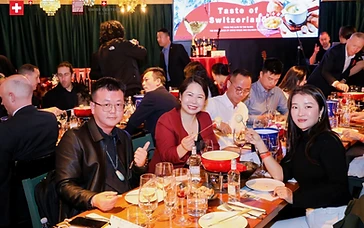
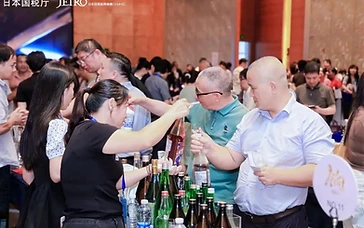
Direct commercial engagement remains the most effective method for qualifying buyers and securing distribution contracts. Participating in industry-specific Business Matching meetings and exhibiting at physical trade fairs allows overseas commercial directors to meet vetted importers face-to-face. Brand owners ready to establish local wholesale pipelines can register to Become an Exhibitor at upcoming trade events, gaining direct entry to China's professional drinks procurement community.
Commercial Action Plan for Spirits Houses
To systematically enter or reposition within the market, spirits houses should follow a phased commercial trajectory:
- Phase 1: Compliance and Cost Modeling (Months 1–3) – Audit product classifications, calculate CIF prices factoring in prevailing anti-dumping deposit regimes or minimum price guidelines, and complete all GACC production facility filings.
- Phase 2: Portfolio Localization (Months 3–6) – Design gifting packaging that resonates with corporate gifting seasons (such as Mid-Autumn Festival and Chinese New Year) while formulating accessible VS/VSOP cocktail programs for modern on-trade accounts.
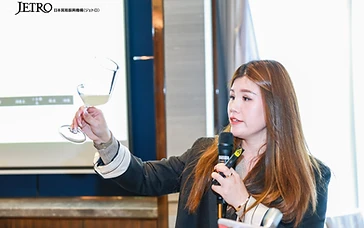
- Phase 3: Direct Trade Engagement (Months 6–9) – Travel to commercial hubs, conduct private tastings with regional distributors, and exhibit at dedicated wine and spirits trade platforms in Southern China.
- Phase 4: Channel Activation and Reorder Support (Months 9–12) – Support contracted distributors with localized brand assets, WeChat marketing integration, and masterclasses to stimulate pull-through demand.
Conclusion
Despite regulatory friction and short-term market adjustments, China continues to represent an indispensable pillar for international Cognac growth. Shifting trade policies and evolving consumer tastes have opened the door for agile producers, boutique distilleries, and innovative merchants to carve out defensible market share alongside established heritage labels. By aligning price structures with current customs requirements, targeting high-consumption regional corridors like the Greater Bay Area, and meeting pre-qualified commercial buyers in person, brand owners can turn market complexity into sustainable, long-term wholesale partnerships.
Sources
- Bureau National Interprofessionnel du Cognac (BNIC) / Cognac Expert Market Review (2025)
- Vino Joy News – China Brandy Import and Customs Analysis (2025)
- Reuters – China MOFCOM Anti-Dumping Duties on EU Brandy (2025)
- Future Market Insights – Global Brandy and Cognac Market Report (2026)
Key Takeaways
- —China imported $1.23 billion worth of brandy in 2024, with French Cognac accounting for over 99% of total import value.
- —Producers must navigate anti-dumping duties of up to 34.9% or minimum price commitment regimes established by Chinese customs.
- —Global and Chinese demand is transitioning toward accessible VS/VSOP tiers and craft single-cru profiles alongside traditional XO gifting.
- —Southern China, specifically Guangdong and the Greater Bay Area, remains the undisputed commercial hub for volume spirits consumption.
- —Direct B2B engagement and pre-qualified business matching are essential to verify importer compliance, solvency, and downstream wholesale reach.
Frequently Asked Questions
What is the current tariff and duty situation for Cognac imported into China?
As finalized in mid-2025, European brandy imports into China face anti-dumping duties of up to 34.9% for a five-year period. However, certain major houses operate under minimum price commitment regimes that exempt them from full duties if CIF thresholds are met. Independent producers must evaluate whether to establish price commitments or absorb duties into wholesale landed-cost pricing.
Which regions in China consume the highest volume of Cognac?
Guangdong Province and the wider Greater Bay Area (including Guangzhou, Shenzhen, Dongguan, and Foshan) represent China's largest brandy and Cognac consumption hub, driven by deeply rooted Cantonese banqueting traditions. Emerging secondary growth centers include inland tier-2 metropolises such as Chengdu, Wuhan, and Hangzhou.
How are consumer preferences shifting between XO and younger Cognac tiers in China?
While prestige gifting continues to demand XO and luxury carafes, cost rationalization and the expansion of modern cocktail culture have boosted shipments of younger VS and VSOP expressions. Modern bars and younger urban consumers increasingly appreciate Cognac in highballs and premium cocktails, broadening volume opportunities beyond ceremonial dining.
What regulatory registrations are required before shipping Cognac to mainland China?
Producers must obtain manufacturing facility registration under GACC Decree 248/249, ensure back labels adhere to Chinese food safety standards (GB 2758 for distilled spirits), and provide recognized certificates of origin and analysis verifying Appellation d'Origine Contrôlée (AOC) status.
How can international Cognac brands find qualified, verified importers in China?
Brand owners should avoid unvetted online directories and instead participate in targeted B2B trade platforms, direct business matching sessions, and specialized exhibitions in Southern China. Direct meetings allow brands to audit the importer's downstream sub-dealer networks, bonded warehouse access, and financial stability.