Sake Distribution Opportunities in the Chinese Market
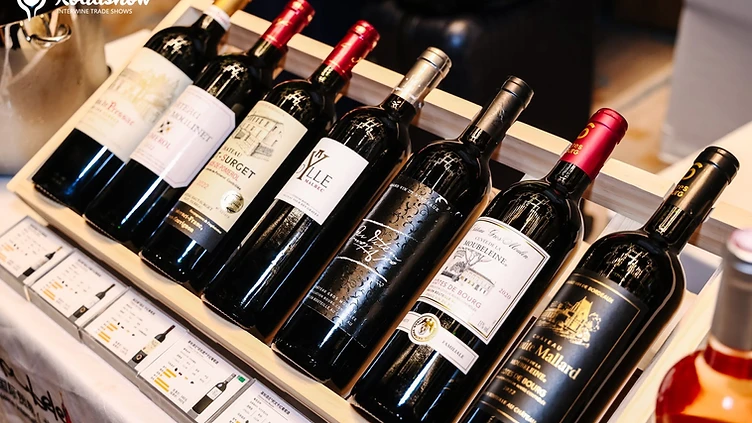
Explore the strategic landscape of sake distribution in China. Discover critical insights on customs compliance, cold-chain logistics, on-trade expansion beyond izakayas, and high-impact B2B importer matching.
For international sake breweries (sakagura) and specialized beverage distributors, China represents one of the most commercially significant yet structurally evolving import markets in the world. According to trade reporting from Vino Joy News (2025), mainland China solidified its status as Japan's largest sake export destination by value, even as total imports contracted by 8.11% in volume and 6.32% in value during 2024 amid broader economic recalibration and inventory adjustments. This market correction highlights a decisive transition: the era of indiscriminate volume absorption is over, replaced by an era that rewards precise brand positioning, disciplined cold-chain management, and omnichannel distribution.
To capture market share in this maturing environment, overseas brand owners and exporters must understand the practical mechanics of navigating mainland China's distribution channels, regulatory compliances, and evolving consumer tastes.
The Commercial Landscape: Premiumization and Maturing Palates
Historically, sake consumption in mainland China was heavily tied to authentic Japanese dining establishments (izakayas and omakase counters) in Tier-1 metropolises like Shanghai, Beijing, Guangzhou, and Shenzhen. Today, market dynamics are diversifying rapidly. According to a comprehensive industry study by Bonafide Research (2025), the Chinese sake market is witnessing steady demand driven by expanding middle-class demographics, rising disposable incomes, and increasing appreciation for artisanal, small-batch alcoholic beverages. Consumers aged 20 to 40 years old have emerged as the primary consumer demographic, demonstrating greater willingness to explore diverse brewing philosophies and regional styles.
Crucially, leading wine and spirits importers in Greater China have integrated sake directly into their fine beverage portfolios. Established distributors such as EMW Fine Wines have expanded their catalogues to represent artisan sake houses across more than 160 Chinese cities, actively repositioning the beverage beyond Japanese dining. Today, high-end sake—especially premium grades such as Junmai Daiginjo (純米大吟醸) and Junmai Ginjo (純米吟醸)—routinely appears on the pairing menus of contemporary Cantonese, Sichuan, and Western fine-dining tables, as well as specialized sake bars and boutique hospitality venues.
For international producers, this cross-channel expansion represents a substantial opportunity to diversify sales channels away from narrow ethnic dining niches into China's broader lifestyle and premium on-trade sectors. For deeper background on Chinese alcoholic beverage trade patterns, review our Market Insights.
Key Distribution Channels in Mainland China
Navigating China’s vast geography requires a clear channel strategy. Foreign producers cannot sell directly to retailers without a licensed domestic entity; they must collaborate with qualified tier-one importers and regional sub-distributors.
Sake Export Brewery (Japan / International)
   │
   ├──► Licensed Chinese Importer / Primary Distributor
   │       │
   │       ├──► On-Trade (Omakase, Izakayas, Modern Bistro, Luxury Hotels)
   │       ├──► Off-Trade (Specialty Bottle Shops, Ole', City'super)
   │       └──► Direct-to-Consumer / E-Commerce (Tmall, JD.com, Douyin, WeChat VIP)
   │
   └──► Regional Sub-Distributors (Tier-2 & Tier-3 Provincial Hubs)
1. The On-Trade Channel (Experiential Engine)
The on-trade remains the dominant volume and brand-building driver for sake in China. While high-end sushi and kappo restaurants represent high-margin baseline velocity, progressive sake distributors are securing placements in non-traditional venues:
- Modern Chinese Fine Dining: Pairing aromatic Ginjo styles with delicate Cantonese seafood, or fuller-bodied Junmai and Kimoto styles with savory Jiangnan and spicy Sichuan dishes.
- Boutique Sake & Natural Wine Bars: Rapidly proliferating in cities like Chengdu, Hangzhou, Wuhan, and Shenzhen, where young professionals seek curated tasting flights and niche craft labels.
- Luxury Hotel Chains: International hospitality groups actively curate premium sake offerings within their banquet and lounge programs.
2. Specialized Off-Trade and Modern Retail
While volume retail often commoditizes standard table sake, premium tokutei meishoshu (special designation sake) thrives in curated retail environments:
- High-End Supermarkets: Chains like Ole’ (CR Vanguard), City'super, and Costco China prioritize temperature-controlled shelves for premium sake displays.
- Independent Fine Wine & Sake Boutiques: Specialized bottle shops with walk-in chillers cater to affluent connoisseurs seeking rare single-brewery releases.
3. E-Commerce and Social Commerce
China leads the world in digital alcohol sales. Premium sake is actively retailed through traditional B2C marketplaces (Tmall, JD.com) as well as content-driven platforms:
- Douyin & Xiaohongshu (RED): Live-streamed educational tastings by certified sake sommeliers (SSI/WSET) drive impulse conversions and brand prestige.
- WeChat Mini-Programs: Used extensively by fine-wine distributors to manage VIP client clubs, flash sales, and allocations of rare genshu (undiluted) or seasonal shinshu (new sake).
Technical Barriers and Commercial Risks
While market enthusiasm is high, entering the Chinese market requires mitigating several logistical, regulatory, and commercial risks.
| Operational Stage | Primary Risk Factors | Commercial Mitigation Strategy | | :--- | :--- | :--- | | Cold-Chain Logistics | Heat exposure in maritime transit destroys delicate aromas and accelerates oxidation (hinekane). | Mandate 100% reefer containers (0°C to 5°C for nama-zake; under 10°C for daiginjo). Verify importer temperature tracking. | | Customs Compliance | GACC registration failures, non-compliant labeling, or testing delays at port. | Partner with experienced importers registered under GACC Decree 248/249; pre-approve Chinese back-labels. | | Shelf-Life Sensitivities | Unlike spirit or vintage wine, sake is best consumed within 12 months of the bottling date (seizobi). | Maintain lean batch shipments, active inventory forecasting, and synchronized promotional calendars with distributors. | | Brand Dilution | Gray-market parallel imports with damaged quality undercut domestic pricing. | Enforce strict territory rights, track batch numbers, and register trademarks early with the CNIPA. |
General Administration of Customs (GACC) Compliance
Producers must register their brewing facilities via the China Import Food Enterprise Registration system (Decree 248) before shipping. Furthermore, imported bottles must feature compliant simplified Chinese back-labels displaying the exact ingredient list (rice, koji, water, and brewer's alcohol if applicable), alcohol by volume, production/bottling date, storage instructions (highlighting cold storage where necessary), and the domestic importer’s legal credentials.
Go-to-Market Strategy: How Brands Win Distributor Buy-In
China's leading beverage distributors receive hundreds of inbound inquiries each year. To secure representation with top-tier importers, brand owners must demonstrate an actionable commercial foundation:
- Provide Clear Brand Differentiation: Importers do not need generic Junmai Daiginjo. Highlight your brewery's provenance, rare heirloom rice strains (Yamada Nishiki, Omachi, Gohyakumangoku), unique water profiles, or low-intervention brewing methods (Kimoto, Yamahai).
- Offer Marketing Co-Investment: Established distributors expect foreign breweries to support masterclasses, promotional POS collateral, sommelier education kits, and regional tasting dinners.
- Engage Professional Trade Gatekeepers Face-to-Face: Chinese distributors place immense value on personal trust (guanxi) and direct sensory evaluation. Digital correspondence rarely closes exclusivity agreements in the beverage trade.
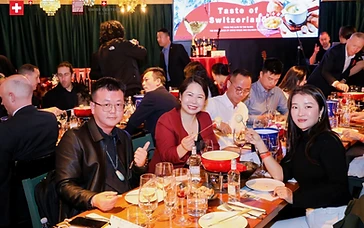
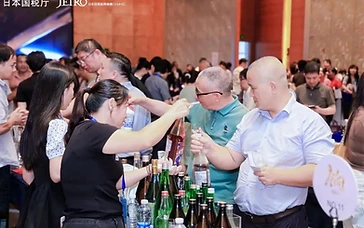
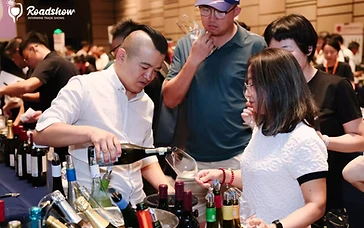
To bridge the gap between production and nationwide shelf presence, international brands frequently rely on premier exhibition platforms. By joining the industry at dedicated trade exhibitions, producers can access qualified procurement directors, regional wholesalers, and hotel F&B buyers. Explore how you can Become an Exhibitor at Interwine to showcase your portfolio directly to verified mainland buyers, and utilize tailored Business Matching services to pre-schedule qualified B2B distribution meetings. For broader market coverage, browse our ongoing News and Magazine section.
Conclusion
Mainland China remains the premier export value market for artisanal sake. While volume corrections in recent seasons demand greater commercial discipline, the opportunities across modern gastronomy, lifestyle retail, and Tier-2 regional hubs have never been more dynamic. Sakagura and craft distributors who invest in strict cold-chain logistics, build proactive distributor relationships, and maintain consistent trade marketing will capture a defensible, high-margin position in this burgeoning segment.
Sources
- Vino Joy News (2025) - China Remains Largest Sake Market by Value
- Bonafide Research (2025) - China Sake Market Overview, 2031
- EMW Fine Wines (2020) - Import and Distribution of Japanese Sake to Greater China Market
- Research and Markets (2024) - Sake Market Size, Share, Trends, Analysis, and Forecast
Key Takeaways
- —China remains the largest global sake export market by value according to trade figures reported in 2025.
- —Consumption is shifting beyond traditional Japanese izakayas into contemporary Chinese fine dining, modern bistros, and lifestyle retail.
- —Demographics aged 20 to 40 drive premium sake consumption, favoring craft Junmai Daiginjo, Ginjo, and artisanal low-intervention styles.
- —Unbroken cold-chain shipping (0°C to 10°C) is mandatory to prevent flavor deterioration and protect brand equity across mainland transit.
- —Securing nationwide distribution requires partnering with licensed importers, registering under GACC Decree 248, and engaging face-to-face with B2B buyers.
Frequently Asked Questions
What is the market size and status of sake exports to China?
Mainland China remains the world's leading export market for sake by value. While 2024 import data reported by Vino Joy News in 2025 revealed a mild contraction in volume (-8.11%) and value (-6.32%), the market is maturing rapidly toward high-value, artisanal sake categories driven by middle-class urban consumers.
Which sake classifications are most popular among Chinese buyers?
Premium tokutei meishoshu categories lead import demand, especially Junmai Daiginjo and Junmai Ginjo. Unpasteurized (nama-zake), sparkling sake, and heritage-brewed Kimoto/Yamahai styles are also gaining significant traction in metropolitan boutique bars and fine-dining restaurants.
What regulatory approvals are needed to import sake into China?
Sake breweries must obtain registration through the General Administration of Customs of China (GACC) under Decrees 248 and 249. Shipments must clear customs with fully compliant simplified Chinese back-labels detailing product grade, rice polishing ratio, ingredients, production date, and importer contact information.
How important is cold-chain logistics for sake distribution in China?
Cold-chain infrastructure is critical. Because sake lacks the high preservative tannins of red wine and contains active amino acids, exposure to ambient summer heat during ocean transit or domestic trucking will cause rapid oxidation and off-flavors (hinekane). Importers insist on 0°C to 10°C temperature-controlled containers for premium stock.
How can foreign sake producers find verified Chinese distributors?
The most effective path is attending major international wine and spirits exhibitions in China such as Interwine. Participating as an exhibitor allows direct interaction with pre-qualified beverage distributors, hotel F&B directors, and retail category managers seeking differentiated sake portfolios.