Low-Alcohol Wine Distribution Opportunities in the Chinese Market
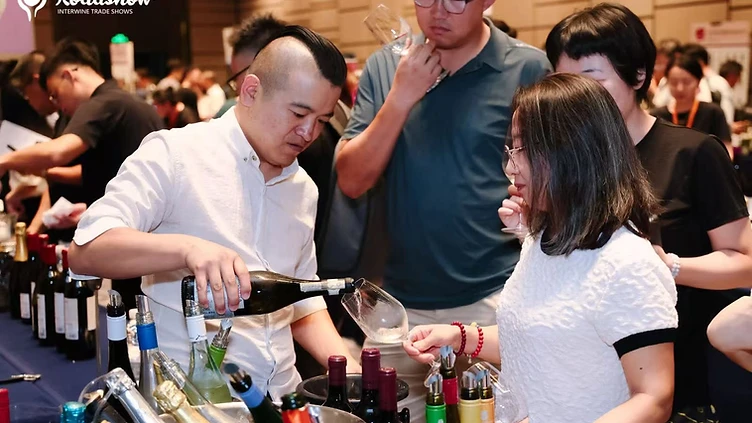
China's beverage market is pivoting toward low- and no-alcohol (LoNo) wines, propelled by corporate banquet etiquette, young female demographics, and digital retail. Discover data-backed distribution opportunities, regulatory frameworks, and market-entry strategies for international producers.
For international wine producers and commercial brand owners navigating China's changing beverage landscape, low-alcohol wine distribution opportunities in the Chinese market have emerged as one of the most commercially resilient segments. While mainland China's broader wine sector has experienced volume rationalization—with wine's share of total alcohol consumption contracting to 1.3% in 2023, according to VVR International (2026)—the demand for lower-ABV (alcohol by volume) and dealcoholized offerings is bucking the downward curve.
Rather than mirroring the Western narrative where Gen Z drinks low-alcohol wine primarily for fitness and personal wellness, consumption in China is propelled by distinct cultural pragmatism. Driven by commercial banquet etiquette, stringent national anti-drink-driving laws, and the rising purchasing power of Gen Z and female demographics, low-alcohol and alcohol-free wines offer high-margin volume opportunities. Capturing this market, however, requires international wineries and commercial exporters to understand shifting consumption occasions, local technical standards, and tier-specific channel dynamics.
Market Dynamics: Quantifying the Low-Alcohol Surge in China
China represents the foundational growth engine for low- and no-alcohol (LoNo) wine in the Asia-Pacific region. According to market research cited by Vino Joy News (2026), China accounts for roughly 31% of non-alcoholic wine consumption across Asia-Pacific, cementing its status as the regional leader for low-strength beverages. On digital retail channels, the acceleration is pronounced: reporting by Vino Joy News (2025) confirmed that on Alibaba’s Tmall platform alone, sales of non-alcoholic wine soared by 120% in 2023, with the sector forecasted to exceed RMB 2 billion.
From a macroeconomic perspective, broader low-alcohol beverage market analysis from Deep Market Insights (2026) valued China's low-alcohol beverages market at USD 138.73 million in 2025, forecasting an expansion to USD 203.43 million by 2034 with a steady CAGR of 4.32%. While low-alcohol beer currently retains the largest volume share, bottled low-alcohol and dealcoholized wines are expanding rapidly within specialized off-premise, corporate entertainment, and boutique on-premise venues.
+-------------------------------------------------------------------------+
|               DRIVERS OF CHINA'S LOW-ALCOHOL WINE DEMAND               |
+------------------------------------+------------------------------------+
| Commercial Banquet Pragmatism      | Modest Social Drinking (微醺)      |
| - Toasting etiquette substitution  | - High female demographic share   |
| - Zero-tolerance driving laws      | - Fruit-forward & sparkling styles |
| - Workplace health and safety      | - Casual dining & home consumption |
+------------------------------------+------------------------------------+
| Domestic Tech Investments          | E-Commerce & Direct-to-Consumer    |
| - Giants (Changyu, Moutai) entering| - Livestreaming product education  |
| - Dealcoholization lab facilities  | - Rapid cross-border distribution  |
+------------------------------------+------------------------------------+
This growth trajectory has activated domestic wine conglomerates and state-owned spirits producers. Domestic players such as Changyu, Great Wall, Dynasty Winery, and Citic Niya have launched alcohol-free lines, while liquor titan Kweichow Moutai introduced a 6% ABV blueberry sparkling wine that generated 1.23 million yuan ($178,835) on its first day of launch, as reported by Vino Joy News (2026). This domestic validation confirms that low-alcohol formulations have moved from niche novelties into mainstream commercial strategies.
Structural Drivers: Why China's Low-Alcohol Adoption Differs
Distributors and brand managers cannot simply export Western marketing assets into Shanghai, Shenzhen, or Chengdu. The structural catalysts behind Chinese low-alcohol wine consumption are unique.
1. The Commercial Banquet and Protocol Substitution
In Western markets, dealcoholized wine is primarily consumed in wellness, fitness, or dry-month settings. In contrast, analysis from Vinexposium (2025) underscores that China’s low-alcohol wine boom is heavily business-related. China’s corporate dining culture centers on mutual toasts (ganbei), where declining a toast risks face (mianzi) and disrupts hierarchy. However, strict national enforcement of zero-tolerance blood-alcohol driving limits has forced executives and clients to seek functional alternatives.
Dealcoholized and low-strength red wines—packaged identically to traditional Bordeaux-style glass bottles—provide symbolic substitutes. Corporate hosts maintain ceremonial face, enable guests to drive home safely, and avoid the physical toll of consecutive baijiu dinners.
2. The Cultural Rise of "Slight Drunkenness" (Weixun)
Among consumers aged 22 to 35, particularly women in Tier 1 and New Tier 1 cities, drinking behavior has shifted from aggressive social consumption toward weixun (微醺)—the state of feeling pleasantly tipsy without losing control. As highlighted by VVR International (2026), young urban consumers are deliberately pivoting toward cocktails, ready-to-drink options, and low-alcohol beverages perceived as refreshing, low-calorie, and sessionable. Low-alcohol sparkling whites, pet-nats, and aromatized wines pairing well with spicy regional cuisines (such as hotpot, barbecue, and Hunan fare) resonate directly with this consumer segment.
Regulatory Frameworks, Labeling, and Dealcoholization Standards
Navigating China’s customs clearance and import compliance for low-alcohol wine requires strict technical diligence. Low-alcohol formulations cross standard customs definitions and must be classified with absolute precision.
+-------------------------------------------------------------------------+
|               REGULATORY PATHWAYS FOR LONO WINE IN CHINA                |
+------------------------------------+------------------------------------+
| Full Dealcoholized (ABV <= 0.5%)   | Low-Alcohol Wine (0.5% < ABV < 7%) |
+------------------------------------+------------------------------------+
| Classified as Non-Alcoholic        | Subject to Standard Beverage       |
| Beverage or Dealcoholized Wine     | Alcohol Regulations & Excise Taxes |
| Strict label rules under GB 7718   | Standard Wine Labeling (GB 10344)  |
+------------------------------------+------------------------------------+
Product Classification and National Standards
Under the Standardization Administration of China (SAC) and the General Administration of Customs of China (GACC), products must comply with Chinese National Standards (Guobiao, or GB):
- GB 7718 (General Standard for the Labeling of Prepackaged Foods): Mandatory Chinese back-labels must state the net contents, ingredient list (including any added grape juice concentrate or natural aromas added post-dealcoholization), manufacturer details, production dates, and country of origin.
- Alcohol Classification Thresholds: Products with an ABV below 0.5% are generally classified as non-alcoholic or dealcoholized beverages, distinct from traditional table wines regulated under GB 15037 (which traditionally mandates alcohol levels between 7.0% and 15.0% vol). Products sitting between 0.5% and 7% ABV face specialized scrutiny and must carry explicit ethanol percentage declarations and appropriate HS code matching to avoid tariff misclassification.
Shelf-Life and Organoleptic Integrity
Removing alcohol destabilizes a wine’s structural matrix, increasing microbiological vulnerability while lowering tannin and body perception. Under Chinese port customs inspections, wines showing precipitate, refermentation, or unacceptable volatile acidity levels face rejection. Overseas producers must guarantee sterile filtration, appropriate SO2 management, or natural stabilization techniques that withstand maritime transit across equatorial corridors to coastal ports like Guangzhou, Ningbo, and Shanghai.
To dive deeper into evolving buyer habits and macroeconomic trends, explore our comprehensive Market Insights.
Formulating an Omnichannel Distribution Strategy
Foreign wine producers often stumble by relying on traditional tier-by-tier commodity distributors. Low-alcohol wine requires targeted omnichannel placement aligned with its specific usage occasions.
+-------------------------------------------------------------------------+
|               LOW-ALCOHOL OMNICHANNEL DISTRIBUTION MATRIX              |
+------------------+-----------------------+------------------------------+
| Channel          | Core Format           | Commercial Objective         |
+------------------+-----------------------+------------------------------+
| On-Premise       | High-End Corporate    | Banquet protocol             |
| Banqueting       | Dealcoholized Reds    | substitution, premium gifting|
+------------------+-----------------------+------------------------------+
| Modern On-Premise| 5-8% ABV Sparkling,   | High foot-traffic dining     |
| (Bistros/Hotpot) | White, Rosé           | pairings (Sichuan/Cantonese) |
+------------------+-----------------------+------------------------------+
| Digital Commerce | Dealcoholized/Low-ABV | Volume DTC acquisition,      |
| (Tmall/Douyin)   | Gift Boxes & Bundles  | livestream brand education   |
+------------------+-----------------------+------------------------------+
1. Corporate and On-Premise Banquet Placement
Distributors serving business catering, five-star hotel banquets, and high-end restaurant groups represent the premier channel for premium dealcoholized reds. These venues require packaging that looks identical to traditional 750ml cork-finished grand vin bottles. Pitching to these corporate distributors demands emphasizing prestige, visual parity with fine wine, and seamless integration into corporate hospitality accounts.
2. Modern Casual Dining and Regional Gastronomy
Low-alcohol wines (5% to 8.5% ABV)—especially aromatic whites (Riesling, Moscato, Gewürztraminer) and sparkling expressions—perform best in contemporary Asian dining environments. Wineries such as Auswan Creek, with its "Blue Lobster" brand, proved this by formulating lower-alcohol wines explicitly engineered to complement hotpot, crayfish, and barbecue in southeast coastal cities, selling approximately 500,000 bottles in 2025 as noted by Vino Joy News (2026). Brand owners should target boutique distributors operating in Southern China’s affluent regional restaurant chains.
3. Digital Direct-to-Consumer (DTC) and Live Commerce
E-commerce is the primary discovery engine for younger LoNo wine consumers. Platforms like Douyin (TikTok China), Xiaohongshu (RED), and Tmall enable brands to demonstrate consumption moments through video. Educational storytelling around low calories, functional hydration, and hangover-free social mornings drives immediate conversions. International brands must work with domestic Trade Partners (TPs) capable of managing integrated omnichannel livestream campaigns and automated cross-border fulfillment.
To engage directly with qualified nationwide importers and regional channel operators, register to Become an Exhibitor.
Practical Recommendations for International Producers
Commercial success in China’s low-alcohol wine trade requires disciplined execution. Brand owners should follow four tactical steps prior to shipment:
- Tailor Flavor Profiles to Local Palates: Dealcoholized wines often suffer from thin body and excessive herbaceous notes. Chinese consumers prefer vibrant fruit aromatics, smooth mouthfeel, and balanced sweetness rather than biting dry acidity. Benchmark your product against both imported peers and domestic innovators.
- Protect Aesthetic Integrity: Avoid labeling designs that look medicinal, juvenile, or convey low quality. Chinese buyers purchasing for business hospitality require labels, capsules, and heavy glass bottles that preserve prestige.
- Select Importers with Verified Tier-2 and Tier-3 Networks: While coastal metropolises (Shanghai, Shenzhen, Guangzhou) offer rapid adoption, high disposable income centers in interior hubs like Chengdu, Wuhan, and Hangzhou provide superior volume margins with lower shelf competition.
- Secure On-Site B2B Engagement: Digital outreach alone cannot replace face-to-face negotiations with certified wine distributors. Connecting directly with qualified regional trade buyers through specialized Business Matching remains the most cost-effective path to secure reliable import partnerships.
Conclusion: Capitalizing on the LoNo Shift with Interwine
The expansion of low-alcohol and dealcoholized wine in China is a structural shift driven by modern lifestyle dynamics, corporate necessity, and evolving generational preferences. As commercial alcohol consumption diversifies, early-mover international producers who establish reliable distribution channels will secure long-term brand equity in Asia’s largest beverage market.
Navigating this emerging category demands face-to-face commercial validation with verified importers, regional distributors, and hospitality buyers. As China’s premier professional wine and spirits exhibition, INTERWINE provides international wineries with immediate access to thousands of qualified buyers actively looking to diversify their portfolios into low-alcohol categories. Secure your position in this high-growth market by applying to Become an Exhibitor at the upcoming INTERWINE exposition.
Sources
- Vino Joy News (2025): China's Non-Alcoholic Wine Booms Is All Business
- Vinexposium (2025): Why China’s Non-Alcoholic Wine growth is different
- Vino Joy News (2026): LoNo Wines Gain Traction in China as Domestic Producers Seek New Opportunities
- Deep Market Insights (2026): China Low Alcohol Beverages Market Size & Outlook, 2026-2034
- VVR International (2026): The Chinese Wine Market in 2026: Trends and Consumption
Key Takeaways
- —China accounts for approximately 31% of Asia-Pacific non-alcoholic wine consumption, representing the region's largest single market (Vino Joy News, 2026).
- —On Alibaba's Tmall platform alone, non-alcoholic wine sales experienced a 120% surge in 2023, expanding toward a RMB 2 billion valuation (Vino Joy News, 2025).
- —Adoption in China is uniquely business-driven: zero-tolerance drunk driving laws and commercial banquet etiquette make dealcoholized wine an essential substitute during corporate toasts.
- —Major domestic enterprises including Changyu, Great Wall, Dynasty Winery, and baijiu giant Kweichow Moutai have launched low-alcohol and dealcoholized products.
- —Producers must navigate specific regulatory standards (GB 7718 and relevant beverage thresholds) and align packaging with corporate prestige expectations to succeed.
Frequently Asked Questions
What is the primary difference between Western and Chinese low-alcohol wine demand?
While Western consumers drink low-alcohol wine primarily for personal wellness and fitness, Chinese adoption is heavily driven by business protocol and dining logistics. Strict zero-tolerance drink-driving enforcement and corporate banquet toast etiquette (ganbei) make low-alcohol and dealcoholized wines practical substitutes that maintain face without intoxication.
How are dealcoholized and low-alcohol wines classified under Chinese import regulations?
Beverages below 0.5% ABV are typically classified as dealcoholized or non-alcoholic beverages rather than traditional grape wines (which fall under GB 15037 requiring >=7.0% ABV). They must comply with national prepackaged food labeling standard GB 7718, submit complete ingredient lists, and declare accurate ethanol volumes to ensure correct customs HS code assignment.
Which product styles are most attractive to Chinese consumers in this category?
Two primary formats lead the market: 750ml cork-finished dealcoholized red wines that mirror traditional prestigious fine wine packaging for corporate banqueting, and 5-8% ABV aromatic sparkling, white, or fruit-infused wines targeted at female consumers and casual dining pairing moments.
How can international wineries access qualified low-alcohol wine distributors in China?
Direct commercial interaction at dedicated industry expositions like INTERWINE provides immediate access to pre-screened regional distributors, corporate gifting specialists, and modern on-premise buyers looking to diversify their import portfolios.