Organic Wine Distribution Opportunities in the Chinese Market
A commercial roadmap for international producers exploring organic wine distribution opportunities in the Chinese market, covering buyer segmentation, SAMR certification, and omnichannel routes.
Capitalizing on organic wine distribution opportunities in the Chinese market requires international vintners to move beyond Western eco-marketing narratives and address China's distinct compliance, pricing, and buyer dynamics. While mainland China's per-capita wine consumption remains around 2.5 liters (Bourrassé, 2023), the high-end consumer base—drawn from an expanding urban middle class of approximately 400 million people—is demonstrating an increasing willingness to pay for premium attributes tied to wellness, product provenance, and food safety.
Navigating distribution in this shifting landscape demands clarity across four pillars: regulatory compliance under China’s national organic standard, distributor segmentation across tier-1 and emerging tier-2 cities, consumer context (self-consumption vs. gifting), and targeted commercial routes to market. Exploring strategic options like becoming an exhibitor at premier trade platforms can significantly accelerate commercial readiness and route-to-market execution.
Understanding the Market Context: Niche Volume, Premium Value
For years, imported wine in mainland China faced structural headwinds, driven by economic recalibrations, channel destocking, and shifting consumer demographics. However, the premiumization curve tells a distinct story. Market analysis highlighted by China Briefing (2025) indicates the market is stabilizing after years of inventory adjustments, supported by major trade shifts such as the lifting of Chinese anti-dumping tariffs on Australian wine in March 2024.
Within this landscape, certified organic and biodynamic wines occupy a focused yet commercially rewarding niche. Research on sustainable wine preferences published in Frontiers in Sustainable Food Systems (2025) demonstrates that organic certification significantly elevates consumer willingness to pay (WTP), though consumer motivation diverges sharply depending on consumption scenarios. Understanding these behavioral patterns is critical for any brand selecting import and wholesale partners.
Decoding Chinese Consumer Demographics for Organic Wine
Unlike European markets where organic purchasing is heavily driven by environmental advocacy, Chinese buyers evaluate organic labels through two primary lenses: personal wellness and perceived status.
1. The Wellness and Quality Focus in Self-Consumption
In personal consumption scenarios, Chinese consumers associate certified organic wine with authenticity, lower chemical intervention, and better raw ingredients. As shown in empirical consumer segmentation by Frontiers in Sustainable Food Systems (2025), even price-conscious buyers show higher receptivity to organic cues because the label acts as a trusted proxy for food safety in a market historically cautious about adulteration. Furthermore, younger consumers in tier-1 hubs (Shanghai, Beijing, Shenzhen, Guangzhou) and affluent tier-2 cities treat organic and low-intervention wines as modern lifestyle statements.
2. The Gifting Dynamic: 'Organic Supporters' vs. Traditional Presentation
Wine remains deeply embedded in Chinese social cohesion and business gifting (guanxi). The 2025 study in Frontiers in Sustainable Food Systems identified distinct latent classes among gifting consumers:
- "Organic Supporters": Buyers who actively prize organic integrity and perceive organic certification as an elite marker of distinction. Crucially, this segment often views excessive, non-recyclable gift packaging as contradictory to sustainability.
- "Packaging Lovers": Demographics who value elaborate secondary packaging to demonstrate social respect to recipients, regardless of production methods.
Producers entering China must help their distributors align packaging formats with these specific micro-segments to avoid brand disconnects.
Navigating the Regulatory Landscape: SAMR Organic Certification
A critical operational challenge for foreign wineries is the regulatory treatment of organic claims. China does not operate an automatic mutual recognition agreement for foreign organic certifications (such as the EU Organic leaf logo or USDA Organic seal).
- Prohibition of Uncertified Claims: Under regulations enforced by the State Administration for Market Regulation (SAMR) and the Certification and Accreditation Administration of China (CNCA), imported wine cannot bear the Chinese character for organic (有机, Yǒujī) or display foreign organic logos on the primary front-facing Chinese back-label unless it has undergone Chinese national standard (GB/T 19630) certification.
- The Domestic Certification Requirement: Obtaining the Chinese organic certificate requires contracting an accredited domestic certification body. This process involves document audits, soil and water chemical residue testing, and on-site vineyard inspections by Chinese auditors, creating an initial investment hurdle.
- Alternative Positioning Strategies: Wineries testing commercial demand before committing to full GB/T 19630 certification frequently rely on storytelling around sustainable viticulture, single-vineyard biodynamic practices, and regional provenance on their marketing collateral, while maintaining fully compliant standard import back-labels.
For a broader view on national customs protocols and category developments, review our continuous Market Insights and industry updates in News and Magazine.
Selecting the Right Distribution Channels
Traditional mass-market retail channels rarely yield acceptable returns for boutique organic producers. Instead, three specialized routes deliver superior margins and trade velocity:
1. Specialized On-Trade: Wine Bars and Modern Bistros
The proliferation of independent wine bars, European-style bistros, and high-end fusion restaurants in cities like Shanghai, Chengdu, and Hangzhou has transformed organic wine distribution. Sommelier-driven venues actively look for organic, biodynamic, and low-intervention references to build narrative-led wine lists that resonate with curious millennial and Gen-Z diners (Bourrassé, 2023).
2. Curated Digital Retailing and D2C E-Commerce
China is the world's most sophisticated digital drinks marketplace. According to IWSR data cited by China Briefing (2025), China's alcohol e-commerce channel is projected to maintain a 6% compound annual growth rate through 2027, eventually accounting for 40% of the world's online alcohol value. Brands leverage WeChat mini-programs, Douyin livestreaming (with specialized wine educators), and specialized platforms like Xiaohongshu (RED) to tell estate stories directly to affluent consumers.
3. Boutique Importers and Regional Tier-2 Wholesalers
While national state-owned distributors dominate commercial volume, specialized boutique importers possess the storytelling capability required for organic portfolios. Furthermore, rising demand in western and central regional capitals—such as Chengdu, Wuhan, and Xi'an—provides opportunities for regional distribution partnerships with fewer competing imported brands.
To meet pre-vetted regional distributors, engage in targeted Business Matching or consult the active Exhibitor Directory to evaluate distributor ecosystems.
Practical Steps to Secure Distribution in China
To transform organic production into sustained sales volume in China, brand owners should implement a phased market entry plan:
| Phase | Strategic Objective | Action Item | | :--- | :--- | :--- | | Phase 1: Compliance Audit | Regulatory clearance | Audit vineyard chemicals, prepare winery documentation, and assess whether to pursue full GB/T 19630 certification or rely on provenance storytelling. | | Phase 2: Brand Sinicization | Cultural alignment | Register your trademark in both Latin characters and an authentic Chinese transliteration; create digital marketing assets for WeChat and RED. | | Phase 3: Direct Trade Engagement | Distributor recruitment | Present physical samples directly to qualified mainland buyers and regional wholesalers who maintain temperature-controlled logistics. | | Phase 4: Channel Support | Staff and sommelier education | Provide bilingual technical sheets and distributor sales training focused on health, safety, and sensory uniqueness. |
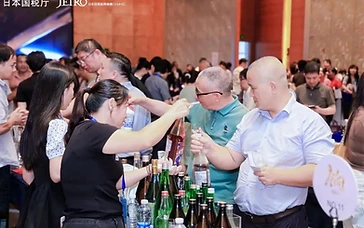
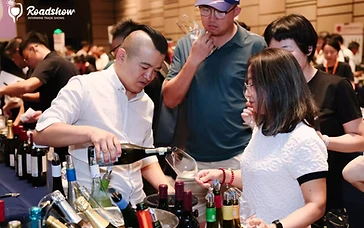
Face-to-face commercial discussions remain irreplaceable in China's alcoholic beverage sector. Importers and on-premise buyers require tasting validation and direct personal relationships before signing supply contracts. Producers ready to build scalable trade relationships across mainland China should apply to Become an Exhibitor at upcoming trade showcases.
Conclusion: Position for Sustainable Growth
The Chinese market for organic wine rewards disciplined brands that combine regulatory compliance with targeted B2B partner selection. As Chinese middle-class consumers continue to seek verified authenticity and wellness-oriented premium beverages, the opportunities for organic producers to establish profitable distribution pipelines will multiply across both established coastal hubs and vibrant interior cities.
Sources
- Bourrassé (2023). The market and consumer trends for organic wine in Asia. https://www.bourrasse.com/en/the-market-and-consumer-trends-for-organic-wine-in-asia
- China Briefing (2025). China's Wine Market Outlook: Trends and Opportunities. https://www.china-briefing.com/news/chinas-wine-market-outlook-trends-and-opportunities
- Frontiers in Sustainable Food Systems (2025). Sustainable wine preferences in China: scenario-specific analysis. https://www.frontiersin.org/journals/sustainable-food-systems/articles/10.3389/fsufs.2025.1615703/full
- MS Advisory (2024). Wine Market in China: Trends, Growth, and Consumer Dynamics. https://msadvisory.com/wine-market-in-china
Key Takeaways
- —Organic wine occupies a focused, high-margin niche in China driven by health, food safety, and premiumization rather than Western environmental advocacy.
- —China requires domestic GB/T 19630 certification to display the Chinese organic logo; foreign organic certifications are not automatically recognized for official back-label claims.
- —Consumer purchasing motives diverge sharply between self-consumption (food safety/wellness) and corporate/personal gifting (status and presentation).
- —Boutique wine bars, specialized hospitality venues, and curated e-commerce channels offer significantly higher margins and faster sell-through than traditional mass-market grocery channels.
- —Participating in focused trade exhibitions and business matching provides direct access to qualified Chinese regional distributors seeking differentiated organic portfolios.
Frequently Asked Questions
Can I sell organic wine in China using my USDA or EU Organic certification?
You can export the wine to China, but you cannot legally market it as organic on the Chinese back-label or use official Chinese organic characters (有机) without obtaining domestic certification under China's GB/T 19630 standard through an accredited Chinese certification body.
What are the primary consumer motivations for buying organic wine in China?
Chinese consumers are predominantly motivated by personal health, wellness, and perceived product purity and food safety. While environmental awareness is growing among younger demographics, wellness and authenticity remain the primary purchasing drivers.
Which distribution channels perform best for imported organic wines in China?
Specialized wine bars and modern bistros in tier-1 and leading tier-2 cities, alongside boutique direct-to-consumer (D2C) wine e-commerce platforms and WeChat mini-programs, generate the strongest margins and commercial traction for organic wines.
How important is Chinese-language branding for foreign organic wineries?
Registering an authentic Chinese trademark and developing local brand storytelling is essential. It protects your intellectual property from trademark squatting and ensures that sommeliers, distributors, and consumers can easily search for and discuss your brand.