Tequila Distribution Opportunities in the Chinese Market
Explore high-growth tequila distribution opportunities in the Chinese market. Understand import dynamics, Tier-1 and Tier-2 city cocktail trends, GACC compliance, and B2B distributor routes.
For Mexican distillers and international brand owners, tequila distribution opportunities in the Chinese market represent one of the most lucrative category expansions across the global spirits industry. According to industry valuation data published by Market Research Future (2026), China's tequila market reached approximately USD 642 million in 2024 and is projected to expand to USD 1,285 million by 2035, maintaining a steady compound annual growth rate (CAGR) of 6.51%. Furthermore, trade figures aggregated by Tridge (2026) demonstrate that Hong Kong served as the world's third-largest import destination by value for tequila (HS Code 220890) in 2024 at over USD 449.5 million, highlighting the Greater China region as a critical conduit for agave spirits. As global brands seek to balance reliance on North American consumption—where IWSR analysis cited in 2026 revealed that the United States absorbed roughly 69% of Mexican agave exports—China provides vital geographic diversification, high premiumization margins, and an expanding consumer base.
The Shift from Generic Spirits to Premium Agave
Historically, imported spirits in mainland China were dominated by Cognac, blended Scotch, and single malts, primarily poured during traditional banquet-style dining. However, commercial dynamics have pivoted sharply toward agave spirits. In top-tier consumer hubs such as Shanghai, Beijing, Shenzhen, and Chengdu, younger millennials and Gen Z urbanites are redefining on-premise drinking culture.
Rather than viewing tequila solely as an aggressive nightclub shot, Chinese beverage consumers increasingly appreciate craft cocktail culture, artisanal production methods, and aged expressions. This shift has created two distinct commercial tracks in the market:
- High-Volume Blanco/Silver Expressions: According to retail and on-premise trade insights from Bonafide Research (2026), blanco tequila commands the largest share by physical volume. Its accessible price point and versatility make it the backbone for high-volume mixology programs, including margaritas, palomas, and localized tea-infused cocktails in modern bars and bistro establishments.
- Aged Sipping Profiles (Reposado, Añejo, and Extra Añejo): Market Research Future (2026) reports that aged tequila (1 to 3 years) captures the largest overall value share in China. These spirits appeal directly to seasoned domestic spirits collectors and brown-spirits enthusiasts who value wood aging, complexity, and artisanal batch credentials.
Brand owners entering this territory must build tailored commercial portfolios that satisfy both high-turnover cocktail programs and high-margin sipping tiers.
Analyzing Regional Footprints: Tier-1 Hubs vs. Emerging Tier-2 Cities
Navigating tequila distribution opportunities in the Chinese market requires precise geographical targeting rather than treating China as a monolithic sales channel.
- Eastern China (Shanghai, Hangzhou, Nanjing): Shanghai remains the testing ground for international bar trends, boasting the highest concentration of speakeasy bars, craft cocktail lounges, and Michelin-starred Western dining concepts in Asia. Distributors in this region prioritize distinctive brand narratives, 100% blue agave certification, and unique cask finishes.
- Southern China & Greater Bay Area (Guangzhou, Shenzhen, Hong Kong, Macao): Benefiting from fluid cross-border trade and sophisticated logistics, Southern China is a rapid adopter of lifestyle spirits. Tridge (2026) recorded Macao as the fifth-largest global importer of tequila by value in 2024 (USD 262.7 million), driven by luxury integrated resorts and entertainment hospitality. Guangdong province offers direct access to large-scale beverage distribution networks and forward-looking hospitality operators.
- Southwestern China (Chengdu, Chongqing): Known for vibrant nightlife, social dining, and an open lifestyle economy, Chengdu and Chongqing have emerged as vital growth frontiers for mid-to-premium tequila brands seeking footprint expansion beyond the saturated Tier-1 markets.
- Northern China (Beijing, Tianjin): Driven by high-end private clubs, luxury hotel bars, and diplomatic retail, Northern regional hubs skew heavily toward aged, super-premium, and collector-tier tequila allocations.
To discover emerging regional buyer patterns, explore our curated Market Insights.
Regulatory Framework and Import Compliance for Agave Spirits
Successfully moving tequila from Mexican distilleries into bonded warehouses and regional retail shelves across mainland China mandates strict adherence to statutory food safety and customs guidelines enforced by the General Administration of Customs of the People's Republic of China (GACC).
- GACC Manufacturer Registration (Decree 248): Before dispatching inventory, all overseas production facilities, distilleries, and bottling operations must secure an official registration number via the China Import Food Enterprise Registration platform. Shipping documents must carry this code without discrepancy.
- Customs Labeling Guidelines (Decree 249): Chinese-language back labels must be affixed prior to customs entry or within certified customs bonded facilities. Mandatory label disclosures include the Chinese product classification, alcoholic strength by volume (ABV), ingredients (specifying blue agave sugars), country of origin, net content, storage conditions, and the complete business name and contact information of the domestic distributor.
- Protected Designation of Origin (DO) Verification: China formally recognizes Tequila as a protected Geographical Indication. Consignments must be backed by official certificates of authenticity issued under the auspices of Mexico’s Consejo Regulador del Tequila (CRT), ensuring that counterfeit or non-compliant agave spirits cannot enter standard bonded channels.
- Methanol and Heavy Metal Thresholds: Chinese National Food Safety Standards (GB standards for distilled spirits) enforce rigid laboratory ceilings for methanol, lead, and volatile congeners. Testing must be verified prior to customs release.
Producers preparing their compliance documentation can leverage structured guidance and direct peer connections by consulting the official Exhibitor Directory.
Formulating an Omnichannel Route-to-Market Strategy
Securing sustainable distribution in China demands an omnichannel architecture that bridges on-premise brand building with off-premise digital sales conversion.
1. On-Premise Cultivation (HoReCa)
China’s on-premise hospitality channel is the single most critical arena for brand equity building. Bartenders, beverage directors, and mixologists serve as key category educators for Chinese consumers. Successful brands partner with premier venues to design signature serves, host guest shifts, and introduce agave flight tastings. Gaining placement on the curated back bars of Tier-1 cocktail lounges establishes credibility that feeds consumer retail demand.
2. E-Commerce and Digital Retail Channels
China possesses the world's most sophisticated digital beverage ecosystem. Brands must coordinate with domestic distribution partners to secure presence on leading e-commerce platforms such as Tmall, JD.com, and Douyin (TikTok China). Live-streamed educational tastings and structured gift sets generate substantial sales during peak shopping festivals like Mid-Autumn Festival, Single’s Day (11.11), and Chinese New Year.
3. B2B Specialized Wholesalers and Corporate Gifting
Regional sub-distributors and specialized fine wine and spirits merchants manage allocations to private VIP buyers, corporate corporate banquet planners, and specialized retail chains. Ensuring that distributors possess temperature-controlled logistics, clear wholesale pricing ladders, and localized collateral prevents gray-market discounting and margin erosion.
For additional operational analysis and industry trends, review our News and Magazine section.
How Agave Distillers Can Connect with Qualified Chinese Buyers
Attempting to enter the Chinese market through unsolicited remote outreach rarely yields qualified commercial distribution contracts. Domestic distributors, state-owned enterprise (SOE) beverage divisions, and high-volume regional wholesalers demand personal relationships, verified sample evaluations, and face-to-face negotiations.
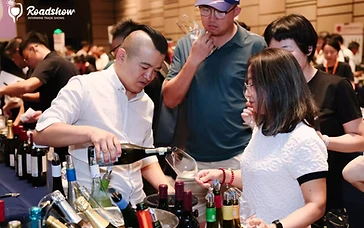
Participating as an exhibitor at premier trade platforms gives distillers direct access to thousands of pre-vetted wine and spirits buyers, national importers, and hospitality procurement directors. Brands seeking immediate traction and reliable distribution partners across China's major economic corridors are encouraged to Become an Exhibitor at INTERWINE to establish their footprint in this burgeoning agave market.
Sources
- Market Research Future: China Tequila Market Size, Growth, Trends 2035
- Tridge: Tequila Suppliers & Manufacturers, Export Data & Price Trends 2026
- IWSR via OH Beverages: Tequila Market 2026 Forecast and Trends
- Bonafide Research: China Tequila Market Overview, 2031
Key Takeaways
- —China's tequila industry was valued at USD 642 million in 2024 and is forecast to expand to USD 1,285 million by 2035 at a 6.51% CAGR according to Market Research Future (2026).
- —Blanco tequila leads import volume due to mixology demand, while aged categories (Reposado, Añejo) hold the largest market value share driven by premiumization.
- —Greater China represents a premier trade corridor, with Hong Kong importing over USD 449.5 million and Macao importing USD 262.7 million in tequila during 2024 (Tridge, 2026).
- —Compliance requires complete GACC registration under Decree 248/249, verified Mexican CRT certificates of origin, and compliance with Chinese national GB distilled spirits safety limits.
- —Face-to-face commercial matching through trade exhibitions remains the most efficient entry method to sign vetted mainland importers and hospitality distributors.
Frequently Asked Questions
What is the projected market size for tequila in China?
According to Market Research Future (2026), the tequila market in China was valued at approximately USD 642 million in 2024 and is projected to reach USD 1,285 million by 2035, growing at a compound annual growth rate (CAGR) of 6.51%.
Which tequila categories are most popular among Chinese buyers?
Blanco (Silver) tequila leads the market in physical import volume due to the growth of craft cocktail bars and mixology in Tier-1 cities. However, aged tequilas (Reposado, Añejo, and Extra Añejo) dominate in market value, appealing to affluent consumers and traditional brown spirits collectors who appreciate complex, aged sipping profiles.
What regulatory filings are required to export tequila to mainland China?
Distillers must obtain overseas manufacturer registration with the General Administration of Customs of China (GACC) under Decree 248, design compliant Chinese back labels according to Decree 249, provide official Certificates of Authenticity from the Consejo Regulador del Tequila (CRT), and ensure compliance with Chinese GB food safety standards for distilled spirits.
Why is geographic market diversification critical for tequila producers right now?
IWSR data reported in 2026 indicates that the United States accounts for roughly 69% of all Mexican agave spirit exports. This heavy reliance leaves producers exposed to potential North American trade shifts and tariffs, making high-growth Asian markets like mainland China and the Greater Bay Area indispensable for long-term supply chain balance.
How can international agave brands connect directly with vetted Chinese distributors?
The most reliable strategy is participating directly in dedicated professional trade exhibitions such as INTERWINE. On-site exhibitions enable producers to showcase their portfolio to regional beverage wholesalers, on-premise bar group procurement managers, and specialized e-commerce importers.