Premium Wine Distribution Opportunities in the Chinese Market

Discover premium wine distribution opportunities in the Chinese market. Learn how category producers, brands, and exporters navigate on-trade positioning, Tier-2 expansion, compliance, and distributor vetting.
China's imported wine sector is undergoing a profound structural evolution. While aggregate volume metrics have recalibrated in recent years, value-driven consumption continues to demonstrate notable resilience. For international estates, brand principals, and trade intermediaries, navigating premium wine distribution opportunities in the chinese market requires moving beyond speculative bulk shipments to establishing disciplined, multichannel routes to market.
According to analysis published by Deep Market Insights (2024), the total Chinese wine market stood at USD 57.25 billion in 2024, with expectations to expand toward USD 93.92 billion by 2033 at a compound annual growth rate (CAGR) of 5.63%. Furthermore, forecasts from Market Research Future (2024) anticipate a 7.38% CAGR through 2035, underpinned by structural premiumization, refined urban tastes, and digital integration. Unlocking this commercial value, however, demands an acute understanding of shifting import dynamics, evolving consumer tiering, regional logistics, and targeted distributor engagement.
Shifting Dynamics in China's Premium Wine Landscape
Historically dominated by generic gifting rituals and high-volume commercial reds, the Chinese wine market has transitioned into an era centered on genuine connoisseurship, personal indulgence, and discerning corporate hospitality.
Several macroeconomic and bilateral trade developments define the current trading landscape:
- Bilateral Trade Realignment: Following the formal termination of punitive anti-dumping tariffs on Australian wine in March 2024 (as documented by Reuters and China Briefing (2024)), competition in the premium red category has intensified. Established regions such as Bordeaux, Burgundy, Rioja, Piedmont, and the Barossa Valley are actively redefining their value propositions to capture high-net-worth consumers.
- Diversification of Palates: While full-bodied still reds retain the lion's share of commercial revenues, there is measurable momentum behind sparkling wines, dry whites (such as Burgundy Chardonnay, New Zealand Sauvignon Blanc, and German/Austrian Riesling), and regional specialty appellations. Urban professionals increasingly favor lower-alcohol, expressive varietals for social dinners and casual gatherings.
- The Maturation of Domestic Production: Expanding boutique estates across Ningxia's Helan Mountain East Foothills, Xinjiang, and Yunnan have educated local consumers on terroir and winemaking craftsmanship. Rather than displacing fine imports, this burgeoning domestic quality consciousness has elevated consumer expectations across all origins.
For international producers exploring commercial routes via Market Insights, these shifts signify that Chinese buyers now prioritize clear provenance, storytelling authenticity, and robust brand support over uncurated catalog volume.
High-Margin Distribution Channels: On-Trade, Boutique Retail, and D2C
Channel selection determines commercial viability in China. Academic analysis published in ResearchGate's comparative study on wine distribution systems (2021) highlights that, unlike European markets centered on hard-discount modern trade, the Chinese wine ecosystem relies heavily on specialized on-trade routes and relationship-driven commercial networks.
                                [Overseas Winery / Brand Principal]
                                                |
                                                v
                                   [Licensed Chinese Importer]
                                                |
            +-----------------------------------+-----------------------------------+
            |                                   |                                   |
            v                                   v                                   v
    [On-Trade Distribution]            [Specialty Retail & B2B]             [E-Commerce & Digital]
    • Michelin / Black Pearl Dining     • Private Member Clubs              • Direct-to-Consumer (D2C)
    • Five-Star Hotel Groups            • Corporate Gifting Accounts        • Cross-Border Channels
    • Independent Wine Bistros          • Boutique Wine Cellars             • Live-Commerce Specialists
1. Fine Dining and Premium On-Trade
Tier-1 metropolises (Shanghai, Beijing, Guangzhou, Shenzhen) and emerging Tier-2 consumption hubs (Chengdu, Hangzhou, Wuhan) possess vibrant dining scenes represented by Michelin-starred establishments, Black Pearl Restaurant Guide venues, and independent wine bistros. Placement on these curated wine lists delivers direct prestige and immediate consumer trial, driving off-premise pull through retail and private buying.
2. Private Client Networks and Corporate Direct Sales
Corporate procurement remains a cornerstone of premium wine revenue. Regional distributors often maintain closed-loop private client networks comprising local entrepreneurs, financial executives, and institutional accounts. Gifting and private banquet consumption command high margins but necessitate importers who offer temperature-controlled last-mile logistics and customized presentation packaging.
3. Digital Channels and Omnichannel Integration
As highlighted in research by IWSR and China Briefing (2024), China represents the world’s most dynamic alcohol e-commerce ecosystem, with online sales projected to account for a substantial share of global alcohol digital trade. While mass-market products compete aggressively on open marketplaces, premium brands deploy D2C mini-programs on WeChat, verified flagship stores on Tmall/JD.com, and curated live broadcasts on Douyin to communicate brand pedigree directly to tech-savvy connoisseurs.
Regional Growth Frontiers: Beyond the First-Tier Metropolises
While Shanghai remains the traditional trade gateway and epicentre of fine wine imports, relying exclusively on Tier-1 cities introduces severe margin compression due to elevated listing fees, aggressive sommelier competition, and fragmented supplier representation.
Significant expansion opportunities reside in dynamic regional clusters:
- The Greater Bay Area (GBA): Benefiting from seamless logistics integration between Hong Kong, Macau, and Guangdong Province, the GBA boasts China's highest per-capita beverage spend and a deep-rooted dining culture suited to fine wine consumption.
- The Yangtze River Delta Interior: Cities such as Hangzhou, Ningbo, Suzhou, and Nanjing exhibit high disposable incomes, thriving private enterprise sectors, and an expanding lifestyle hospitality infrastructure.
- Southwestern Consumer Hubs: Chengdu and Chongqing represent dynamic lifestyle markets where leisure spending, modern hospitality venues, and younger demographic engagement drive strong demand for sparkling, natural, and niche artisanal labels.
Accessing these localized tiers requires partnering with regional distributors who possess deep relationships with local culinary groups, regional business chambers, and specialized retail outlets.
Regulatory Compliance and Logistics Management
Establishing an efficient import pipeline requires adherence to stringent regulatory frameworks managed by the General Administration of Customs of China (GACC):
- Facility Registration (GACC Decree 248): Foreign wineries and processing facilities must secure valid overseas food manufacturer registration before dispatching cargo. Shipments from non-registered producers face immediate customs rejection at Chinese entry ports.
- Standardized Chinese Labeling (GB 7718 & GB 2758): Every imported unit must feature an approved Chinese back-label detailing legal origin, product category, alcoholic strength, volume, importer contact details, and mandatory health warnings. Pre-validating label designs prevents costly demurrage and relabeling fees at bonded warehouses.
- Cold-Chain Logistics Integrity: Extreme summer temperatures across southern and central shipping corridors pose serious spoilage risks to unfiltered and fine wines. Working with specialized freight forwarders providing reefers (refrigerated containers) and temperature-monitored bonded storage is non-negotiable for preserving brand reputation.
Structuring Commercial Relationships with Chinese Importers
Securing sustainable distribution hinges on vetting partners correctly and aligning commercial incentives. Overseas brands frequently encounter distributor inertia when signing broad, non-performing national exclusivity agreements.
+----------------------------+-------------------------------------+-------------------------------------+
| Evaluation Criteria        | Traditional Trader Model            | Specialized Brand Builder           |
+----------------------------+-------------------------------------+-------------------------------------+
| Primary Channel Focus      | Spot-market wholesale & clearance   | Direct on-trade, boutique cellars   |
| Marketing Investment       | Low (expects producer subsidy)      | Shared marketing & local tastings   |
| Geographic Reach           | Fragmented secondary networks       | Focused regional dominance          |
| Portfolio Strategy         | High turnover, opportunism          | Category focus, long-term equity    |
+----------------------------+-------------------------------------+-------------------------------------+
When negotiating commercial contracts, category producers should incorporate defined performance clauses tied to minimum annual depletions, joint masterclass commitments, and protected intellectual property rights. Protecting your localized brand trademark under China's "first-to-file" registration system with the China National Intellectual Property Administration (CNIPA) must precede any commercial shipment.
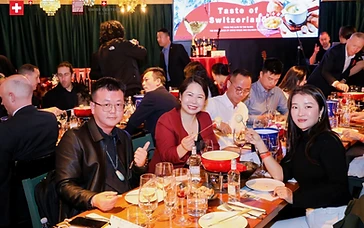
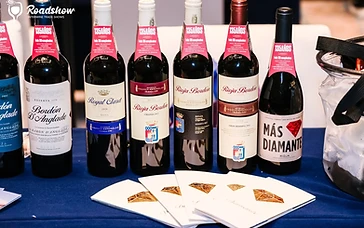
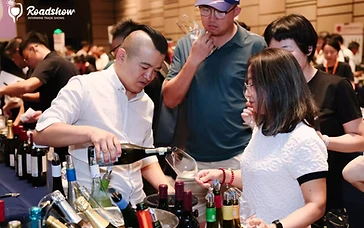
To identify and negotiate with fully vetted regional buyers, brands leverage direct commercial forums. Producers seeking targeted partner recruitment can Become an Exhibitor at INTERWINE to engage directly with qualified purchasing managers, regional distributors, and hospitality sommeliers. Exhibiting brands streamline buyer engagement through specialized Business Matching services, while staying abreast of market fluctuations through dedicated Interwine Events.
Conclusion: Strategic Steps for Market Entry
China's premium wine sector rewards strategic patience, structured distributor partnerships, and focused localized storytelling. Rather than approaching the territory as a uniform mass market, international wineries must treat China as a collection of diverse regional economies, each requiring distinct portfolio positioning and channel activation.
Category producers prepared to align their compliance pipelines, invest in dedicated brand education, and interface face-to-face with established commercial buyers will find sustainable, high-margin opportunities across China's evolving wine landscape.
Sources
- Deep Market Insights: China Wine Market Analysis (2024)
- Market Research Future: China Wine Market Outlook (2024)
- China Briefing / Dezan Shira & Associates: China's Wine Market Outlook and Trends (2024)
- ResearchGate: Wine Distribution Channel Systems in Mature and Newly Growing Markets (2021)
Key Takeaways
- —China's imported wine sector is driven by premiumization, where value and brand provenance take precedence over mass volume.
- —On-trade positioning in Michelin and Black Pearl venues provides critical social proof that drives secondary corporate and private direct sales.
- —Emerging Tier-2 economic centers such as Chengdu, Hangzhou, and the Greater Bay Area provide faster growth and lower listing friction than saturated Tier-1 markets.
- —Compliance with GACC Decree 248 overseas facility registration and GB 7718 labeling standards is mandatory before shipping commercial inventory.
- —Securing intellectual property and avoiding unvetted national exclusivity agreements are essential safeguards for international brand equity.
Frequently Asked Questions
What price point defines the premium wine segment in China?
In China's imported wine trade, the premium segment generally starts at retail prices above 300 RMB (approximately USD 40-45) per standard 750ml bottle, with super-premium and luxury tiers reaching 600 RMB to well over 1,500 RMB. Products in these brackets rely primarily on specialized on-trade lists, corporate banqueting, and private client allocations rather than mass retail.
How did the 2024 tariff removal impact the competitive landscape for imported wine in China?
The lifting of anti-dumping tariffs on Australian wine in March 2024 reintroduced major premium brands to Chinese distribution pipelines. This intensified competition for shelf space and list placements across Tier-1 and Tier-2 cities, prompting European and South American producers to sharpen their regional storytelling, varietal distinction, and B2B distributor support programs.
What is required for overseas wineries under GACC Decree 248?
GACC Decree 248 mandates that all overseas food and beverage manufacturing, processing, and storage facilities exporting to China must register with the General Administration of Customs of China. Wineries must obtain a registration number before goods arrive at Chinese ports, and this registration must be maintained and renewed in accordance with customs verification guidelines.
Why is national exclusivity often risky when partnering with a Chinese wine distributor?
China is a continent-sized market with highly fragmented regional commercial networks. Granting blanket national exclusivity to a single importer can restrict your brand to one geographic pocket if that partner lacks distribution reach in other regions. Many successful brands appoint regional distributors across key geographic economic belts or tie exclusivity strictly to performance milestones.
How does INTERWINE assist international wine brands in finding qualified distributors?
INTERWINE organizes dedicated international wine and spirits exhibitions connecting foreign producers directly with pre-screened importers, regional wholesalers, hospitality F&B directors, and retail buyers. Through structured on-site business matching, masterclasses, and regional roadshows, brand owners can evaluate multiple prospective partners and establish vetted commercial agreements.