How to Find Gin Importers in China
Discover how international gin distillers and brand owners can identify, vet, and partner with qualified gin importers and distributors in mainland China. Learn on-trade cocktail dynamics, GACC regulatory compliance, and high-conversion trade show matchmaking.
Finding the right gin importer in China requires navigating a fast-evolving premium spirits landscape driven by contemporary bar culture, Western-style hospitality, and young urban drinkers. While traditional Chinese banqueting remains anchored in baijiu, western white spirits—especially craft and London Dry styles—have established strong footholds across first-tier and emerging second-tier cocktail scenes. For international distillers, entering mainland China demands moving beyond passive directories to active on-trade engagement, rigorous compliance audits, and targeted B2B networking.
The Shift in China’s Gin and White Spirits Landscape
China’s beverage alcohol sector has undergone structural shifts toward individual lifestyle consumption and modern mixology. According to analysis published by Spherical Insights, the on-trade distribution channel dominated China’s gin market in 2024, functioning as the primary touchpoint through which urban consumers discover foreign craft spirits. Cocktail bars, luxury hotel lounges, and bistro dining in cities like Shanghai, Shenzhen, Guangzhou, and Chengdu drive trial, while standard London Dry gin remains the volume backbone due to its classic juniper flavor and mixability.
Concurrently, market forecasts from Market Research Future (2024) project the mainland gin market to expand at a compound annual growth rate (CAGR) of 5.67% through 2035, climbing toward a valuation of USD 1.1 billion. Driving this momentum is a younger consumer cohort migrating across from wine and beer toward lower-sugar highballs and botanical-forward cocktails, as noted in trade reporting by FoodNavigator (2026). For foreign distillers, these dynamics mean that partnering with a wine importer who does not have an active spirits sales team will stall sales velocity. Successful brand placement relies on distributors with direct, day-to-day access to bartenders, bar directors, and independent beverage managers.
Key Channels to Locate Qualified Gin Importers
Importers in China are rarely generalists; they typically specialize by price tier, channel focus, or geographic territory. Identifying suitable partners requires deploying multi-channel sourcing:
-
Specialized Alcohol Exhibitions and Trade Fairs
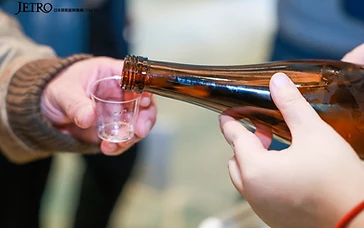
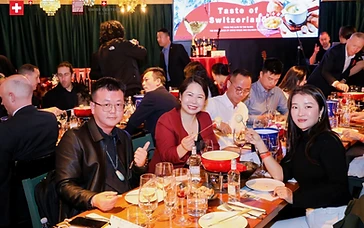
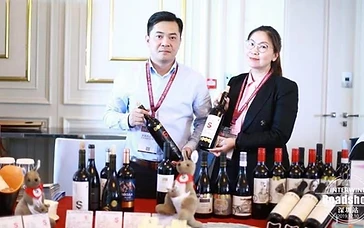
Face-to-face evaluation remains the bedrock of commercial trust in China. Exhibiting at professional trade events allows producers to showcase botanical profiles, cocktail formulations, and packaging aesthetics directly to regional beverage buyers. Brands preparing their market entry strategy can become an exhibitor at Interwine to secure dedicated exposure to thousands of verified regional distributors and Horeca buyers. -
Curated On-Trade Supplier Networks and Regional Wholesalers
Unlike mass consumer packaged goods, premium gin moves primarily through on-premise accounts. Scrutinize the supplier lists of tier-one cocktail establishments across Shanghai’s Jing’an district or Shenzhen’s Futian district. Importers operating these supply chains often hold specialized spirits portfolios alongside niche natural wines or craft vermouths, offering integrated cocktail solutions to on-premise venues. -
Bilingual B2B Sourcing and Structured Matchmaking
Generic B2B directories often blur the line between industrial ethanol traders and licensed beverage alcohol importers. Instead, lean on dedicated trade platforms and customized commercial sessions. Leveraging targeted business matching services enables foreign producers to pre-screen distribution candidates based on logistics footprint, current portfolio exclusions, and licensed bonded warehouse coverage. -
Diplomatic Trade Desks and Regional Wine & Spirit Associations
Commercial sections of foreign embassies, as well as export promotion bodies (such as the UK Department for Business and Trade, Business France, or Bord Bia), maintain vetted rosters of active wine and spirit importers. These organizations frequently host national pavilions and structured tasting sessions across mainland trade hubs.
How to Vet Potential Chinese Importers
Securing contact information is only the preliminary step; qualifying an importer’s operational viability safeguards against inventory abandonment and brand erosion. When evaluating prospective partners, assess the following criteria:
- Horeca Penetration vs. E-Commerce Reliance: While Tmall and JD.com capture off-premise retail volume, establishing brand equity for an unfamiliar gin label requires bar staff advocacy. Inquire about the distributor's team structure: Do they employ dedicated brand ambassadors and mixology trainers who actively conduct masterclasses for bartenders?
- Territorial Scope and Sub-Distributor Architecture: Few private distributors effectively cover all 34 provincial-level administrative divisions. Clarify whether the partner controls direct delivery to tier-one on-premise venues or relies entirely on secondary wholesalers in tier-two and tier-three hubs. Multi-layered markups can quickly price craft spirits out of competitive cocktail menus.
- Portfolio Composition and Conflicts of Interest: Review the importer’s existing catalog. An importer already distributing major multinational brands may take on a craft gin merely to protect territory without allocating marketing support. Conversely, a boutique spirits specialist carrying compatible vermouths, tonics, and amaros provides natural cross-selling synergy.
- Customs Handling and Cold-Chain Logistics: While spirits are less sensitive to thermal degradation than fine wine, China's southern summer transit routes can degrade aromatics and alter delicate botanical oils. Ensure your partner operates temperature-controlled storage and maintains clean customs clearing protocols.
Essential Regulatory and Compliance Steps
Navigating China’s customs environment requires strict adherence to administrative frameworks enforced by the General Administration of Customs of China (GACC):
- GACC Decree 248/249 Registration: All overseas manufacturing and processing facilities producing beverage alcohol must register under China's Single Window (CIFER) system before dispatching commercial cargo. The facility's GACC registration code must appear on transport documents and customs documentation.
- Mandatory Chinese Back-Label Standards (GB 7718 & GB 2758): Export bottles must feature compliant Chinese text labels indicating the product name, ingredients (including specific agricultural botanical sources), alcohol by volume (ABV), net content, production date, storage conditions, and the domestic importer’s registered contact details.
- Import Documentation and Laboratory Testing: Clearances require original Certificates of Origin, Certificate of Health/Free Sale, commercial invoices, and packing lists. Upon arrival at Chinese ports, local customs inspectors conduct random sampling for heavy metals, phthalates, and methanol limits.
Producers seeking deeper regulatory breakdowns and macroeconomic shifting trends can monitor updates within Interwine's market insights hub to ensure import protocols align with local requirements.
Maximizing Commercial Returns at Trade Shows
For export executives visiting trade expos, success depends on operational preparation. Rather than offering static neat pours, bring proper bar tools and neutral tonics to present your spirits in standard highballs or Gimlet formulations. This allows Chinese bar operators and beverage directors to immediately evaluate how the botanicals behave in cocktail applications.
Prior to entering discussions, establish clear pricing architecture including Ex-Works (EXW), Free On Board (FOB), and Cost, Insurance, and Freight (CIF) to major Chinese ports like Shanghai or Guangzhou. Clarify sample logistics well in advance, and maintain a business WeChat account linked to your company profile to facilitate instant, real-time follow-ups with visiting buyers.
Distillers ready to secure qualified distribution partners across mainland China's dynamic on-trade and retail spirits market should take decisive action by planning their presence through Interwine's commercial platforms today.
Sources
- Spherical Insights: China Gin Market Size, Share & Trends Analysis Report (2024–2035) https://www.sphericalinsights.com/reports/china-gin-market
- Market Research Future: China Gin Market Research Report (Published 2024/2026 forecast update) https://www.marketresearchfuture.com/reports/china-gin-market-44505
- FoodNavigator: China Beverage Alcohol Market Driven by Younger Consumers (2026) https://www.foodnavigator.com/Article/2026/06/29/china-beverage-alcohol-market-driven-by-younger-consumers-and-on-demand-drinking-trends/
- U.S. Alcohol and Tobacco Tax and Trade Bureau (TTB): Exporting Alcohol to China Regulations & Documentation https://www.ttb.gov/import-export/itd/wine-export-china
Key Takeaways
- —China's gin market is projected to reach USD 1.1 billion by 2035 at a 5.67% CAGR (Market Research Future, 2024).
- —The on-trade sector (cocktail bars, hotels, and bistros) serves as the primary gateway for gin adoption across China (Spherical Insights, 2024).
- —Finding the right importer requires screening for dedicated Horeca mixology teams rather than relying strictly on wine or mass-retail distributors.
- —Producers must secure GACC manufacturing registration under Decrees 248/249 and comply with GB standard back-labeling prior to shipping.
- —Exhibiting at structured industry trade fairs provides direct access to qualified regional buyers and on-premise distributors.
Frequently Asked Questions
Which channels drive gin consumption in China?
According to Spherical Insights (2024), the on-trade channel (cocktail lounges, premium hotel bars, and western restaurants) accounted for the dominant market share in 2024. Consumers typically encounter gin in cocktails and highballs before transitioning to home consumption or off-trade retail.
What regulatory registrations are required before exporting gin to China?
Foreign distilleries must register their facility with the General Administration of Customs of China (GACC) under Decrees 248/249 via China's Single Window system. In addition, bottles must carry compliant Chinese back-labels adhering to national standards GB 7718 and GB 2758.
Can wine importers also distribute gin in mainland China?
Yes, many wine importers maintain spirits distribution licenses; however, brand owners must confirm that the distributor operates an active on-trade spirits team with direct connections to cocktail bars and mixologists rather than purely off-trade retail channels.
What gin styles are most popular among Chinese buyers?
London Dry gin remains the volume leader across China due to its mixability and recognized status, though demand for botanical-rich craft gins and localized flavor profiles is rapidly growing among millennial and Gen Z cocktail consumers.