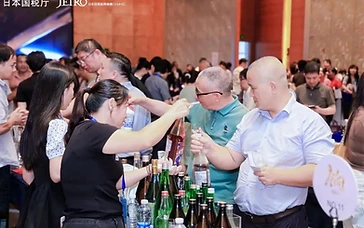
Natural Wine Distribution Opportunities in the Chinese Market

Discover lucrative natural wine distribution opportunities in the Chinese market. Learn how boutique importers, bistro culture, female demographics, and strategic B2B trade fairs are redefining organic and low-intervention wine sales in Tier 1 and Tier 2 cities.
Natural wine distribution opportunities in the Chinese market are expanding rapidly as urban consumers shift away from rigid formal banqueting toward casual, discovery-led social drinking. While traditional heavy red imports have faced headwinds, low-intervention, organic, biodynamic, and orange wines are capturing high-margin market share in Tier 1 and Tier 2 metropolitan hubs. For international producers and regional distributors, succeeding in mainland China requires moving past conventional distribution models to partner with specialized importers, target contemporary on-trade bistros, and master localized cold-chain logistics.
The Shift Toward Low-Intervention Viticulture in China
China’s broader wine sector is undergoing a structural realignment. According to MSA Advisory's 2024 Market Analysis, China's wine market stood at approximately $40.4 billion in 2024. Within this immense valuation, the fastest-evolving micro-segment is low-intervention viticulture. Historically, imported wine in mainland China was defined by classic Bordeaux and high-tannin reds, purchased predominantly by older male demographics for formal gifting, corporate entertainment, and government banquets.
Over the past five years, that dynamic has fundamentally transformed. An urban consumer base dominated by Millennials and Gen Z has decoupled wine consumption from formal hierarchy. As documented by industry trade analyses in Boisboire's Natural Wine China Market Report (2023), natural wine—defined through minimal cellar intervention, native yeast fermentation, and low or zero added sulfites—first took root via internationally educated returning professionals and specialized boutique importers in Shanghai and Beijing. Today, this trend is expanding dynamically across regional economic centers such as Guangzhou, Shenzhen, Chengdu, and Hangzhou.
Instead of seeking prestigious classification tiers or oak-heavy aging notes, younger urban consumers view natural wine as an authentic, approachable lifestyle product. Visual packaging, artistic label design, and transparent storytelling carry substantial weight, giving innovative independent vintners an unprecedented advantage over legacy industrial estates.
Consumer Demographics: The "She-Economy" and Flavor Preferences
A pivotal commercial driver behind natural wine distribution opportunities in the Chinese market is the prominent emergence of female consumers. In classic Chinese wine distribution, off-trade gifting and business hospitality catered heavily to male buyers. However, industry research highlights that the majority of natural wine patrons in major Chinese urban centers are young women with strong discretionary spending power—a market force often termed the "She-economy."
This demographic shift directly shapes style preferences and purchasing habits:
- White and Orange Wines Lead Velocity: Unlike traditional Chinese import patterns where red wine held over 80% volume, natural wine sales are led by skin-contact orange wines, pet-nats (pétillant naturel), and aromatic whites. Varieties like Riesling, Gewürztraminer, Muscat, and Malvasia generate high turnover.
- Easy-Drinking, Fresh Profiles: Consumers in high-density metropolitan areas overwhelmingly favor crisp, juicy, and chillable styles over astringent reds requiring decanting. When red wines do move, lighter-bodied varietals like Gamay, Pinot Noir, and low-extraction field blends outpace heavy oak-aged alternatives.
- Visual Storytelling: Eye-catching, contemporary label designs perform exceptionally well on visual platforms such as Xiaohongshu (RED) and WeChat, where bottles double as social lifestyle currency.
Producers seeking detailed data on shifting SKU consumption should review our updated Market Insights report.
Mapping the Distribution Landscape: Modern On-Trade vs. E-Commerce
Reaching buyers in China requires selecting distribution channels tailored specifically to low-intervention wines. Conventional state-run hypermarkets and mass-market liquor chains are rarely appropriate for niche natural labels. Instead, distribution flows through two dominant channels:
1. The Natural Wine Bistro & Specialty HoReCa Network
Specialized wine bistros, contemporary neo-Cantonese eateries, izakayas, and boutique cocktail lounges serve as the primary point of discovery. Cities like Shanghai, Shenzhen, and Chengdu host dense clusters of natural wine bars (such as Vinism and AISLE in Shanghai) where sommeliers actively hand-sell bottles by the glass. In these venues, consumers are eager to explore lesser-known appellations—from Alsace, Jura, and Loire in France, to Umbria in Italy, Pfalz in Germany, and emerging natural origins in Central Europe.
2. D2C Social Commerce and Specialized Weixin Mini-Programs
China’s digital ecosystem is the world's most advanced for alcoholic beverage sales. According to the International Wine and Spirits Research (IWSR) data cited by China Briefing (2024), China's online alcohol market is projected to expand at a compound annual growth rate (CAGR) of 6% from 2022 to 2027, holding a commanding 40% share of global alcohol e-commerce. Boutique importers successfully leverage private-domain traffic via WeChat Mini-Programs (such as Bruto) and curated Xiaohongshu stores, offering temperature-controlled door-to-door delivery.
Producers can engage directly with the trade leaders operating these modern portfolios through our curated Business Matching service.
Regulatory, Import, and Logistics Challenges
While commercial interest is strong, capitalizing on natural wine distribution opportunities in the Chinese market requires strict adherence to customs frameworks and quality preservation.
[International Cellar]
        ↓ (Reefer Sea / Air Freight)
[China Customs Inspection (CIQ / GACC Compliance)]
        ↓ (Temperature-Controlled Warehousing: 12°C–16°C)
[Boutique Importer / National Distributor]
        ↓ (Cold-Chain Domestic Logistics)
[Specialized On-Trade Bistros / D2C WeChat Mini-Programs]
GACC Decree 248 & Customs Compliance
Every overseas winery exporting to mainland China must maintain active facility registration with the General Administration of Customs of China (GACC) under Decrees 248 and 249. Missing or mismatched registration numbers on shipping documents, back-labels, or commercial invoices result in immediate port delays or mandatory re-export.
Zero-Sulfur and Organic Certification Nuances
In China, the word "Organic" (有机) is strictly regulated. Foreign certifications—such as Ecocert, Demeter, or USDA Organic—are not automatically recognized by Chinese authorities. To legally print "Organic" in Chinese characters on a back label, the producer must undergo comprehensive, costly inspection by a certification body accredited by the Certification and Accreditation Administration of the PRC (CNCA). Consequently, natural wine importers usually omit the word "organic" from official Chinese labels and instead communicate the wine’s artisanal, natural credentials via on-trade staff education, digital tasting notes, and social media channels.
Rigorous Cold-Chain Integrity
Natural wines made without sterile filtration or with minimal sulfur dioxide ($SO_2$) are highly vulnerable to temperature fluctuations during transit. Shipping via standard dry shipping containers through tropical transit corridors risks heat damage, refermentation, volatile acidity spikes, and spoiled stock. Importers insist on 100% temperature-controlled reefer containers and domestic cold-chain distribution (typically 12°C–16°C). Exporters must budget for cold-chain shipping solutions to protect brand integrity.
Strategic Roadmap: Entering the Market via Trade Fairs
For international winemakers, trying to cold-call Chinese beverage distributors from abroad rarely delivers results. Natural wine is inherently sensory and relationship-driven: importers, sommeliers, and bottle-shop proprietors demand face-to-face tastings, clarity on vintage variations, and personal trust before committing to container or pallet allocations.
Participating in recognized Chinese trade platforms remains the most cost-effective market entry vehicle. Exhibiting allows producers to:
- Meet Specialized Natural Wine Importers: Connect with national and regional buyers who already possess cold-chain infrastructure and established on-trade accounts across southern and eastern China.
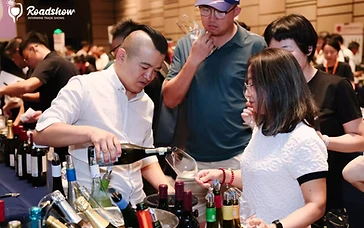
- Conduct Masterclasses and Targeted Tastings: Educate trade buyers directly on low-intervention winemaking techniques, reducing misunderstandings regarding sediment or cloudiness.
- Evaluate Market Demand Across Tiers: Gauge immediate buyer reaction to price points, label aesthetics, and grape varieties before finalizing your regional rollout.
To position your portfolio directly before qualified Chinese importers and regional on-trade buyers, apply to Become an Exhibitor at INTERWINE.
Sources
- MSA Advisory: Wine Market in China Trends and Growth
- Boisboire: The Rise of Natural Wine in China
- China Briefing: China’s Wine Market Outlook, Trends and Opportunities
- ChemLinked: Latest Developments in China's Wine Market
Key Takeaways
- —Natural wine distribution in China is driven by urban Millennials and Gen Z, who value casual social drinking, transparent winemaking, and modern visual branding over formal status.
- —Female consumers represent the primary purchasing demographic for natural wines in China, accelerating sales in orange wines, pet-nats, and crisp, aromatic whites.
- —Boutique on-trade venues—such as wine bistros, neo-Cantonese eateries, and izakayas—alongside WeChat Mini-Program e-commerce channels serve as the core sales conduits.
- —Foreign organic certifications are not automatically recognized in China; official organic labeling requires separate accreditation through CNCA-authorized bodies.
- —Strict cold-chain logistics (12°C–16°C) and compliant GACC Decree 248 facility registrations are mandatory operational safeguards for natural wine imports.
- —Direct B2B engagement at dedicated trade events like INTERWINE provides international producers with the fastest access to specialized natural wine importers and distributors.
Frequently Asked Questions
What styles of natural wine perform best in the Chinese market?
Unlike traditional imported wine segments that favor heavy red wines, natural wine sales in China are led by skin-contact orange wines, pétillant naturels (pet-nats), and crisp, aromatic whites (such as Riesling, Gewürztraminer, and Muscat). Fresh, juicy, lighter-bodied reds like Gamay and Pinot Noir also perform well among metropolitan consumers.
Can foreign wineries use their European or American organic certification on Chinese labels?
No. China does not have mutual recognition agreements for organic certifications with the EU or the US. To print the official Chinese organic seal and Chinese character for organic (有机) on a commercial back label, producers must undergo an audit by a certification agency accredited by China's CNCA. Many natural wine importers bypass this expense by focusing marketing on artisanal, low-intervention attributes rather than formal organic claims.
How are natural wines shipped and stored to prevent spoiling in China?
Because natural wines typically contain minimal or zero added sulfur dioxide and are unpasteurized, they require uninterrupted cold-chain logistics. Exporters must utilize temperature-controlled reefer containers for sea freight (or air freight for high-value allocations) and work with domestic logistics providers capable of maintaining temperatures between 12°C and 16°C.
What regulatory documentation is required to export natural wine to China?
Winemakers must be registered with the General Administration of Customs of China (GACC) under Decree 248 prior to shipment. Essential import documentation includes a Certificate of Origin, Certificate of Analysis/Health Certificate issued by the competent authority in the origin country, commercial invoices, packing lists, and compliant Chinese back labels adhering to national food safety standards (GB 2758).
How does INTERWINE help natural wine producers connect with Chinese distributors?
INTERWINE brings together specialized importers, regional distributors, sommeliers, and HoReCa buyers across mainland China. Through targeted business matching, curated tasting pavilions, and masterclass showcases, international producers can directly present their low-intervention wines to vetted commercial buyers looking to expand their artisanal portfolios.