Wine Consumer and Channel Trends in Japan
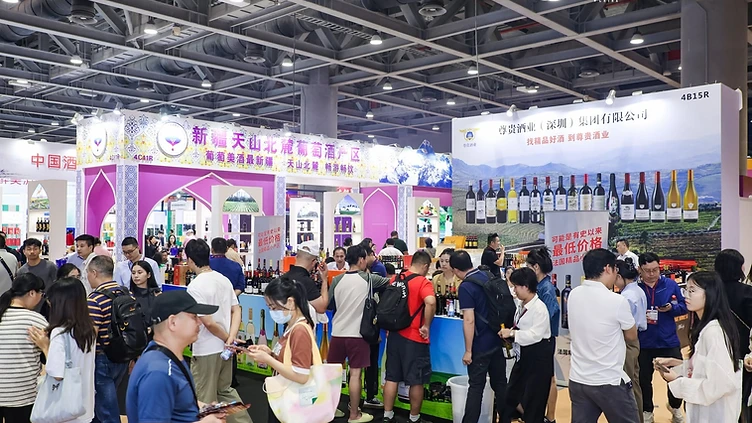
A commercial roadmap for international wineries evaluating Japan: consumer demographic shifts, on-trade recovery, retail and e-commerce channel dynamics, and entry strategies.
Japan represents one of the most mature, discerning, and high-value wine markets in the Asia-Pacific region. According to the ProWein Business Report released in partnership with Geisenheim University in 2024, Japan ranks as the fifth-largest wine importer globally by value, distinguished by premium price points and exceptional consumer focus on product provenance, authenticity, and food pairing. Industry research from Market Research Future (2024) estimated Japan's wine market value at USD 9.43 billion in 2024, forecasting steady value-driven growth to USD 10.73 billion by 2035. For international wine estates and export managers, achieving commercial success in Japan requires an operational grasp of demographic evolution, multi-tiered channel architectures, and strict trade compliance.
Shifting Demographics and Contemporary Consumer Preferences
Historically driven by senior corporate professionals with traditional preferences for Classic Old World appellations (notably Bordeaux and Burgundy), Japan's wine consumer base is currently undergoing structural changes. Generational transition, lifestyle adaptations, and shifting dining habits are reshaping demand patterns across several key fronts:
Generational Diversification and Flavor Preferences
While older demographics continue to anchor high-value fine wine sales, Japanese Millennials and legal-drinking-age Gen Z consumers show pronounced curiosity toward fresher, food-friendly profiles. Research indicates growing openness to lighter reds, crisp aromatic whites, and sustainable offerings. As highlighted by Market Research Future (2024), younger demographics prioritize approachable styles over rigid traditional pedigree, facilitating the adoption of screwcap-finished bottles and alternative packaging.
The Rise of Natural, Organic, and Low-Intervention Wines
Environmental considerations and wellness trends have spurred notable interest in natural, organic, and biodynamic viticulture. An industry outlook published by New Zealand Trade and Enterprise (NZTE, 2023) highlighted that upmarket supermarkets, department store depachika, and specialized Tokyo bottle shops are dedicating prominent shelf space to certified organic wines and 'no added sulphites' cuvées. However, brand owners must communicate clearly: consumer understanding of natural versus certified organic labelling can blur, making verified credentials and clean storytelling crucial for brand trust.
Portion Control and Alternative Formats
Urban household dynamics—predominated by single-person households and compact living spaces—have stimulated strong growth in single-serve formats and half-bottles (375ml). Commercial data published by Future Market Insights (2024) tracks rising demand for single-serve and canned formats across urban convenience retail and casual dining, meeting demand for portion control without sacrificing liquid quality.
Navigating Japan’s Wine Distribution Channels
Commercial success in Japan hinges on selecting the appropriate route-to-market. The market generally operates on a traditional split: off-premise retail accounts for approximately 70% of total volume, while on-premise food service represents roughly 30%, based on market analysis from GourmetPro (2024).
   +-------------------------------------------------------------+
   |                  Licensed Japanese Importer                 |
   +-------------------------------------------------------------+
                                  |
           +----------------------+----------------------+
           |                                             |
           v                                             v
   +---------------+                             +---------------+
   |  Wholesaler   |                             |   Direct to   |
   |  (Kokubu etc) |                             | Key Accounts  |
   +---------------+                             +---------------+
           |                                             |
     +-----+-----+                                 +-----+-----+
     |           |                                 |           |
     v           v                                 v           v
+---------+ +-----------+                    +-----------+ +-----------+
| On-Trade| |Off-Premise|                    | E-Commerce| |Department |
| (Dining)| |(Grocers)  |                    |(Rakuten/  | |  Stores   |
+---------+ +-----------+                    |  Amazon)  | (Depachika) |
                                             +-----------+ +-----------+
The On-Premise Landscape: Gastronomy and Sommelier Gatekeepers
Japan's food service sector represents the primary brand-building engine for foreign wineries. From Michelin-starred French and Italian establishments to contemporary izakayas and wine bars (vinothèques), restaurant wine programs are steered by certified sommeliers affiliated with the Japan Sommelier Association (JSA). These wine buyers prioritize:
- Balance, lower tannins, and high acidity suited to washoku (traditional Japanese cuisine) and fusion fare.
- Backstories of artisanal craftsmanship, low intervention, and family-owned provenance.
- Reliable temperature-controlled distribution.
Traditional Retail and the Role of Wholesalers
The off-trade retail market is dominated by multi-tiered distribution networks involving major national wholesalers like Kokubu, Mitsubishi Shokuhin, and Nihon Shurui Hanbai. These entities service national supermarket chains (such as Aeon and Life), liquor specialists (Yamaya, Kakuyasu), and convenience chains (7-Eleven, Lawson, FamilyMart). Securing volume in standard grocery requires competitive FOB pricing, reliable fulfillment schedules, and localized point-of-sale marketing collateral.
At the premium retail tier, Tokyo’s prestigious department store food halls (depachika), including Isetan, Mitsukoshi, and Takashimaya, cater to gift-giving occasions (chugen and seibo), demanding luxury packaging, gift boxes, and verified prestige.
Direct-to-Consumer (D2C) and E-Commerce Acceleration
E-commerce has established itself as an essential pillar of Japanese wine distribution. GourmetPro (2024) observed that e-commerce expanded from approximately 10% of total retail sales pre-2020 to roughly 15% in recent years. Major general marketplaces (Rakuten Ichiba, Amazon Japan, Yahoo! Shopping) and specialized online retailers (such as Kyobashi Wine and ENOTECA Online) drive steady sales, particularly through curated mixed cases, subscription clubs, and online exclusive allocations.
Regulatory, Logistical, and Compliance Frameworks
Navigating Japan’s statutory framework requires precision. Importers and overseas producers must conform strictly to standards enforced by Japan's National Tax Agency (NTA) and the Ministry of Health, Labour and Welfare (MHLW):
| Regulatory Dimension | Primary Requirement | Commercial Impact on Producers | | :--- | :--- | :--- | | Food Sanitation Act | Strict limits on sulfur dioxide (SO₂), sorbic acid, and unauthorized additives. | Pre-export laboratory testing certificates must verify compliance to avoid port rejections. | | Liquor Tax Law | Governed by the National Tax Agency; tiered excise taxation by category. | Changes in beer/wine tax differentials require careful shelf-price optimization. | | Japanese Labeling Laws | Mandated Japanese-language back-labels detailing importer, volume, ABV, and additive warnings. | Labels must be applied before customs clearance or in bonded warehouses. | | Cold-Chain Logistics | Rigorous temperature control during ocean transit (reefer containers) and warehousing. | Preserves wine freshness in humid summer months; essential for brand reputation. |
Commercial Expansion Strategy: Mitigating Risks and Connecting with Buyers
Breaking into Japan's competitive landscape demands long-term commercial commitment. Unlike rapid-turnover transactional environments, Japanese importers conduct rigorous due diligence before taking on a new agency. Crucial risk mitigation steps include:
- Patience in Partnership Building: Commercial negotiations frequently take 6 to 18 months. Japanese buyers emphasize supplier financial stability, logistical consistency, and long-term brand vision over aggressive short-term discount pitches.
- Targeted Format and Packaging Localization: Adapting label designs to reflect clear varietal and regional indicators helps bridge the gap for general consumers, while lighter bottle formats appeal to eco-conscious and shipping-cost-sensitive importers.
- Leveraging Pan-Asian Trade Gateways: For many producers, initiating dialogues directly in Tokyo can present high barriers to entry. Leading regional platforms like Interwine provide dedicated Business Matching services, connecting international estates with qualified Asian import groups, including Japanese distributors looking for innovative, high-margin agencies.
Producers seeking broader regional traction can explore Interwine's Market Insights to cross-reference market entry protocols across East and Southeast Asia, or apply to Become an Exhibitor to showcase new vintages directly to active purchasing directors.
Strategic Conclusion
Japan remains a benchmark premium market where wine brands can build durable, high-margin, and highly visible businesses. While import compliance, distributor consolidation, and nuanced consumer habits present real hurdles, estates that align with evolving generational tastes—such as sustainable practices, clean gastronomy pairings, and hybrid retail channels—will secure a sustained commercial footing across the country.
Sources
- ProWein Trade Fair / Geisenheim University. (2024). Wine exports to Japan: Chances and Challenges (ProWein Business Report). https://www.prowein.com/en/Media_News/Press/Press_Releases/Wine_exports_to_Japan_Chances_and_Challenges
- Market Research Future. (2024). Japan Wine Market Size, Share, Industry Trend & Analysis Research Report: Forecast to 2035. https://www.marketresearchfuture.com/reports/japan-wine-market-44522
- GourmetPro. (2024). The Wine Market In Japan: Emerging Trends. https://www.gourmetpro.co/blog/trends-shaping-wine-market-japan
- New Zealand Trade and Enterprise (NZTE). (2023). Wine in Japan Industry Outlook. https://assets.ctfassets.net/pn8wbiqtnzw9/1NCmOgvW629SGY8ExJ3hBA/7436079d33c38ee983f36fb127b092aa/Wine_in_Japan.pdf
- Future Market Insights. (2024). Explore the Demand for Single Serve Wine in Japan: 10-Year Forecast. https://www.futuremarketinsights.com/reports/japan-single-serve-wine-market
Key Takeaways
- —Japan represents the world's fifth-largest wine importer by value, defined by high average price realizations and strong sommelier influence.
- —Off-premise retail constitutes approximately 70% of volume, with e-commerce now accounting for roughly 15% of retail wine transactions.
- —Younger Japanese demographics favor accessible, food-friendly profiles, lighter styles, and sustainable or organic production methods.
- —Market entry requires compliance with strict National Tax Agency and Ministry of Health, Labour and Welfare additive and labeling standards.
- —Long-term distribution success depends on partnering with established Japanese importers through dedicated business matching and trade showcase platforms.
Frequently Asked Questions
What is the current market size of the wine industry in Japan?
According to Market Research Future (2024), the Japan wine market was valued at approximately USD 9.43 billion in 2024 and is projected to reach USD 10.73 billion by 2035, supported by premiumization and resilient on-premise demand.
What are the primary wine distribution channels in Japan?
Japan's wine market is broadly divided into 70% off-premise retail (supermarkets, convenience stores, department stores, and e-commerce) and 30% on-premise food service (restaurants, izakayas, and wine bars), according to GourmetPro (2024).
Which wine styles are growing fastest among Japanese consumers?
While premium Old World reds retain prestige, high-growth categories include certified organic and natural wines, aromatic white wines suited for food pairing, and single-serve packaging (375ml and canned wine) catering to single-person households.
What are the key regulatory requirements for exporting wine to Japan?
Exporters must comply with the Food Sanitation Act overseen by the Ministry of Health, Labour and Welfare, which enforces strict limits on sulfur dioxide and additives, as well as National Tax Agency labeling and Liquor Tax Law regulations.
How can international wineries find reliable Japanese wine importers?
Wineries typically establish connections via structured B2B trade platforms, sommelier masterclasses, and regional trade expos offering dedicated matchmaking programs such as Interwine's Business Matching services.