How to Find Wine Importers and Distributors in Qingdao
A commercial roadmap for wineries and export managers on how to find wine importers and distributors in Qingdao, Shandong. Learn market dynamics, licensing rules, customs compliance, and B2B sourcing strategies.
To find wine importers and distributors in Qingdao, international wine producers must bypass generic wholesale directories and combine targeted maritime-trade databases, local bonded zone operator networks, regional industry exhibitions, and dedicated B2B matchmaking programs. Because Qingdao functions as Shandong Province's economic engine and maritime gateway, successful market entry requires identifying buyers that possess both independent import licenses and active distribution routes into provincial Tier-2 and Tier-3 cities.
Expanding into China requires a tailored regional strategy. While Shanghai and Guangzhou represent mature, highly competitive commercial centers, northern coastal hubs like Qingdao offer expanding consumer markets with strong purchasing power. Navigating Qingdao's import landscape requires understanding regional logistical advantages, distinct distribution tiers, strict customs protocols, and actionable routes to direct commercial negotiations.
Why Qingdao Matters in China's Wine Ecosystem
Qingdao is not merely a major industrial municipality in Shandong; it is one of China's most active logistics nodes. According to research from MSA Advisory (2024), China's wine market was valued at $40.4 billion in 2024, supported by an expanding middle class and long-term demand for premium beverage imports. Within this national landscape, Shandong province stands out as both a historic heartland of domestic wine production and a massive consumer base with high per-capita alcoholic beverage consumption.
The Port of Qingdao is one of the world's busiest container ports, providing international wineries with direct sea-freight routes from Europe, South America, South Africa, and Australasia. In addition, the Qingdao Qianwan Free Trade Port Area and the broader China (Shandong) Pilot Free Trade Zone offer bonded warehousing, deferred tax structures, and streamlined customs clearance. These logistics assets make Qingdao an attractive import hub for regional distributors serving northern and eastern China.
Profiling the Qingdao Wine Distribution Landscape
Identifying commercial partners requires distinguishing between the different types of buyers operating throughout Shandong. Wine importers and distributors in Qingdao typically fall into three distinct operational profiles:
1. Direct First-Tier Importers with Bonded Logistics
These entities maintain their own import and export licenses (Customs Declaration Registration Certificates), hold bonded warehouse space in Qianwan or the West Coast New Area (Huangdao), and clear containers directly under their legal entity. They frequently supply mid-tier retail chains, local corporate gifting clients, and secondary sub-distributors across Shandong cities such as Jinan, Yantai, and Weifang.
2. Cross-Category Beverage and Seafood Wholesalers
Qingdao possesses an extensive trading community specializing in cold-chain logistics, premium imported seafood, and beer. Many of these established trading houses have diversified into imported wine to supply their existing on-trade (HORECA) clients, luxury hotels, banqueting facilities, and private dining clubs. While highly capable financially, they often seek wineries that provide turnkey marketing assets, staff educational support, and price-protected portfolios.
3. Specialized Boutique Merchants and High-End Retailers
Concentrated primarily in districts like Shinan and Laoshan, these boutique distributors focus on organic, biodynamic, estate-bottled, or classified growths. They sell directly to wine bars, upscale bistros, private collectors, and regional e-commerce channels. Although their shipment volumes are smaller than broad-market distributors, their margins are healthier, and they offer brand-building potential without severe price erosion.
To discover current buyer profiles and market movements, explore our Market Insights analysis.
Practical Methods to Find Qualified Qingdao Importers
Cold outreach via generic email directories yields low conversion rates in China's relationship-centric beverage market. To build a qualified pipeline of Qingdao wine buyers, wineries should deploy four specific commercial sourcing methods:
Method 1: Target Bonded Warehouses and Customs Brokerage Networks
Many active wine importers in Qingdao do not maintain large public-facing English websites. Instead, their physical presence is located within the Qingdao Free Trade Zone. Partnering with professional customs brokers (Bao Guan Hang) and cold-storage logistics operators operating at Qingdao Qianwan Port allows wineries to cross-reference trading firms that regularly clear HS Code 2204 (grape wine) shipments. Trade data platforms and shipping databases often identify active consignees receiving reefer containers in Qingdao.
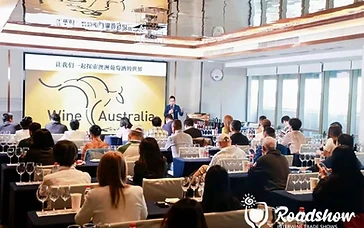
Method 2: Participate in Professional Trade Exhibitions and Roadshows
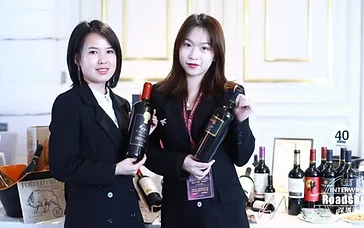
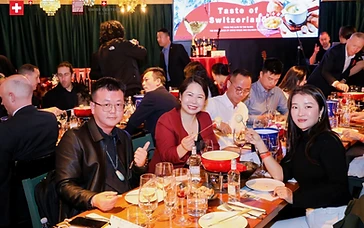
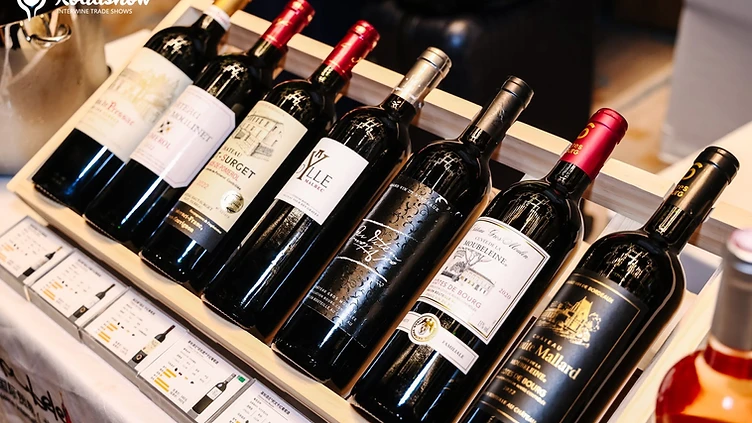
Face-to-face commercial evaluation remains essential for concluding distribution contracts in China. Rather than waiting for buyers to travel overseas, global producers gain immediate visibility by exhibiting at established international fairs. Producers looking to establish serious regional distribution networks can Become an Exhibitor at national platforms like Interwine, which draws thousands of qualified regional distributors, importers, and regional buyers from Shandong and beyond.
To prepare your export leadership team for in-person commercial meetings, consult our logistics guide for Arrival and Transportation and explore vetted Hotel Accommodation options.
Method 3: Utilize Curated B2B Matchmaking Platforms
Cold outreach on professional social networks frequently hits communication and language barriers. Wineries can accelerate buyer identification through curated commercial services. Utilizing structured Business Matching connects your export manager directly with purchasing directors whose portfolio parameters, margin targets, and channel focus match your winery’s production volume.
Method 4: Engage Regional Trade Associations and Sub-Distributor Networks
Engage with local beverage trade associations, such as municipal alcoholic beverage distribution associations in Shandong. These groups represent wholesalers seeking direct-from-winery relationships to eliminate middleman margins taken by first-tier importers in southern ports. Working with local trade associations helps overseas producers build relationships directly with regional distributors.
Regulatory Requirements for Clearing Wine in Qingdao
Before an importer in Qingdao can legally take custody of a wine consignment, international producers must comply with General Administration of Customs of China (GACC) regulations. Failure to prepare these documents will lead to port delays, container demurrage, or shipment rejection:
[Overseas Winery Registration (GACC Decree 248)]
                         │
                         ▼
[Shipment to Port of Qingdao / Qianwan Bonded Zone]
                         │
                         ▼
[Customs Entry Filing & Chinese Back-Label Approval (GB 7718)]
                         │
                         ▼
[Port Inspection, CIQ Sampling & Laboratory Testing]
                         │
                         ▼
[Issuance of Customs Inspection & Quarantine Certificate]
                         │
                         ▼
[Domestic Distribution to Shandong On/Off-Trade Channels]
Essential Compliance Checklist:
- GACC Manufacturer Registration: Under Decree 248, all overseas alcoholic beverage manufacturing, processing, and storage facilities must be formally registered with China Customs prior to shipment.
- Chinese Back-Label Verification: Labels must strictly comply with mandatory standard GB 7718 and GB 2758. Information must include the product name, ingredients, net content, alcohol percentage, importer/distributor contact details, production date, and health warnings.
- Sanitary and Certificate of Origin Documentation: Original documentation issued by the recognized competent authority of the exporting country must accompany the bill of lading.
- Customs Inspection and Quarantine Certificate: Wine cannot be sold into the domestic Qingdao market until local customs complete sensory, microbiological, and additive testing, followed by the issuance of the official release certificate.
Evaluating and Vetting Potential Qingdao Partners
When entering preliminary discussions with prospective partners, conduct structured commercial due diligence to protect your brand equity and pricing structure:
- Verify Business Scope (Yingye Zhizhao): Request a copy of the prospective distributor’s unified social credit code. Confirm their registered capital, establishment date, and ensure their corporate scope includes the wholesale or import of food and alcoholic beverages.
- Exclusivity Demands: Distributors commonly request multi-year exclusivity across Shandong Province or the entire northern China market during initial talks. Guard against granting blanket territorial exclusivity without performance milestones tied to container volumes and marketing investment.
- Warehouse Climate Control: Qingdao experiences hot, humid summers and freezing winters. Ensure your prospective distributor owns or contracts temperature-controlled, reefer storage facilities rather than ambient, non-insulated port sheds.
- Bilingual Capability and Marketing Competence: Review the distributor’s existing portfolio. Evaluate whether they represent complementary, non-competing estates and have in-house wine educators or sales representatives capable of communicating your terroir to regional sommeliers.
Action Plan: From Outreach to Signed Contract
- Establish Export Pricing Architecture: Formulate strict FOB and CIF pricing tiers with realistic distributor margins (typically 35%–50% for importers/distributors in regional Chinese markets).
- Curate Localized Marketing Collateral: Prepare simplified Chinese tasting notes, brand narrative decks, winery video introductions, and WeChat-friendly digital formats.
- Audit Active Buyer Portfolios: Review the Exhibitor Directory from prior trade sessions to identify which brands are already established in Shandong and where white spaces exist in the market.
- Conduct On-Site Meetings: Travel to meet candidates in person. Evaluate their offices, inspect their regional warehousing, and observe their retail distribution footprints first-hand.
Sources
- MSA Advisory: Wine Market in China: Trends, Growth, and Consumer Preferences (2024) - https://msadvisory.com/wine-market-in-china
- Market Research Future: China Wine Market Research Report (2024) - https://www.marketresearchfuture.com/reports/china-wine-market-44526
- General Administration of Customs of the People's Republic of China (GACC): Decree 248/249 Registration Rules - http://english.customs.gov.cn/
Key Takeaways
- —Qingdao serves as northern China's premier maritime and bonded logistics gateway, providing direct access to Shandong's large, affluent consumer base.
- —B2B wine buyers in Qingdao fall into three categories: first-tier licensed bonded importers, cross-category seafood/beverage trading houses, and boutique retail/on-trade specialists.
- —Producers must verify GACC Decree 248 overseas manufacturing registration and GB 7718/GB 2758 back-label compliance prior to shipping containers to Qingdao Port.
- —Direct in-person engagement via professional trade exhibitions and structured business matching yields significantly higher conversion rates than unverified cold outreach lists.
- —Wineries should avoid granting unilateral provincial territorial exclusivity without contractual performance milestones and temperature-controlled storage verification.
Frequently Asked Questions
Why should international wineries target Qingdao instead of focusing solely on Shanghai?
While Shanghai is China's largest wine import hub, it is also heavily saturated with international brands and commands high marketing costs. Qingdao is the commercial and maritime logistics capital of Shandong Province, which has a massive consumer base and strong per-capita alcohol consumption. Target buyers in Qingdao offer lower market entry costs and direct access to Tier-2 and Tier-3 cities across northern and eastern China.
What import licenses must a Qingdao partner hold to import bottled wine?
A qualified Chinese wine importer must possess a valid Enterprise Legal Person Business License with alcoholic beverage wholesale in its business scope, a Customs Declaration Registration Certificate, a Foreign Trade Operator Registration, and an active Food Operation License. Overseas wineries must also ensure their own manufacturing facility is registered under GACC Decree 248.
How long does customs clearance take for wine shipments entering the Port of Qingdao?
Standard customs clearance for bottled wine at Qingdao Qianwan Port generally takes between 10 to 20 working days once all documentation is submitted. This includes physical container inspection, sampling by China Customs (CIQ) for laboratory testing, Chinese back-label verification, and final issuance of the official Customs Inspection and Quarantine Certificate.
How should overseas wineries handle exclusivity requests from Shandong distributors?
Exclusivity should never be granted universally on initial sample orders. If a prospective Qingdao distributor requests exclusivity, limit it geographically (e.g., Qingdao municipality rather than all of Shandong) and temporally (e.g., 12 months), conditioned upon strict purchase minimums and container delivery schedules specified in the bilingual commercial contract.