Wine Market and Trade Opportunities in Qingdao

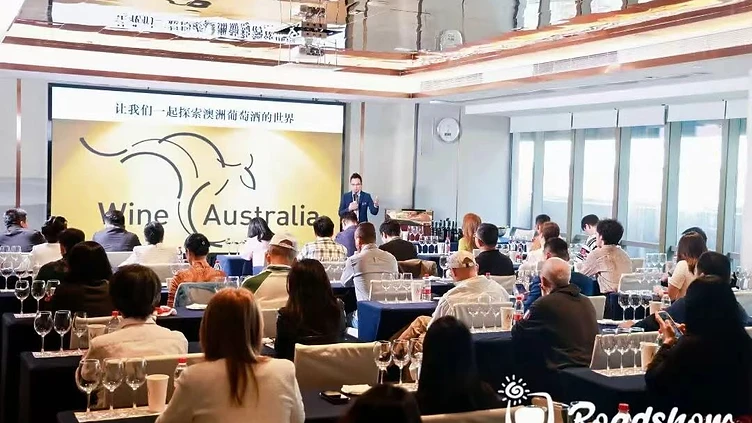
A commercial analysis of wine market and trade opportunities in Qingdao, examining Shandong maritime logistics, seafood dining culture, and regional distribution routes.
The Commercial Gateway to Shandong's Wine Market
Wineries and international distribution directors evaluating mainland China often focus excessively on Tier-1 southern hubs like Shanghai, Guangzhou, and Shenzhen. However, the coastal trade powerhouse of Qingdao in Shandong Province represents one of the most commercially strategic, culturally receptive, and logistically advantageous entry points for imported wine in northern China.
Shandong Province consistently ranks among the top provincial economies in China by gross regional product, with Qingdao acting as its primary economic locomotive and maritime gateway. While general national imports have navigated structural realignments—with China's total bottled wine import value contracting to approximately €1.20 billion according to Vinetur (2026)—average unit import values have climbed to €8.49 per liter. This underscores an accelerated trend toward premiumization, value-led buying, and disciplined inventory turnover. For wine producers seeking sustainable margin structures rather than commoditized bulk trading, Qingdao's affluent consumer demographic, sophisticated hospitality sector, and port infrastructure offer an exceptional commercial landscape.
To capture market share in this region, producers must look beyond generic marketing narratives and align directly with Qingdao's culinary identity, customs clearance logistics, and localized distributor dynamics. Reviewing curated Market Insights allows brand principals to understand broader provincial purchasing trends across eastern China before committing capital to inventory positioning.
Maritime Logistics and Customs Clearance: The Port of Qingdao Advantage
For international wineries, landed unit cost and supply chain efficiency dictate commercial viability. The Port of Qingdao is the world's fourth-largest port by total cargo volume and serves as northern China's leading refrigerated container (reefer) handling facility. For imported wine, maintaining temperature control during transit across equatorial shipping lanes is critical to avoiding heat damage and preserving bottle integrity.
[International Vineyard / Cellar Door]
                   │
       (Temperature-Controlled Reefer)
                   ▼
      [Port of Qingdao Maritime Entry]
                   │
  ┌────────────────┴────────────────┐
  ▼                                 ▼
[Qingdao Bonded Logistics Park]    [Qingdao Customs / GACC CIFER]
  │  - Deferred Tariff Cashflow       │  - GB 7718 Chinese Labeling
  │  - Regional Buffer Hub            │  - Food Safety Compliance
  └────────────────┬────────────────┘
                   ▼
   [Multimodal Rail / Cold-Chain Freight]
                   │
  ┌────────────────┼────────────────┐
  ▼                ▼                ▼
[Jinan Central]  [Weihai / Yantai]  [Bohai Rim Metro]
Importing wine directly through Qingdao eliminates the domestic inter-provincial shipping costs, warehouse handling surcharges, and transit delays associated with landing inventory in southern ports before trucking it north. Key logistical considerations include:
- Bonded Warehousing Infrastructure: The Qingdao Qianwan Free Trade Port Zone and affiliated Bonded Logistics Parks permit brand owners and local importers to hold bonded stock with deferred tariffs and VAT until consignments are officially cleared for distribution. This reduces upfront working capital requirements for distributors.
- Customs Clearance Efficiency: Qingdao Customs maintains streamlined procedures for containerized food and beverage shipments. Importers must adhere rigorously to the General Administration of Customs of China (GACC) Decree 248 and 249 framework, which requires production facilities to be verified on the CIFER platform as outlined in the EU SME Centre Wine Market Report (2023).
- Multimodal Hinterland Connectivity: Qingdao's rail and express freight networks provide immediate, same-day and next-day distribution to Jinan, Zibo, Weifang, and the broader Bohai Economic Rim, encompassing more than 100 million consumers in Shandong Province alone.
Consumer Dynamics: Pairing Imported Wine with Coastal Gastronomy
Qingdao occupies a distinctive cultural and gastronomic position in China. Globally renowned for its beer brewing legacy, the city possesses an open, social drinking culture that translates into higher per-capita alcoholic beverage consumption than inland agricultural provinces. Furthermore, Shandong is the cradle of Lu Cuisine (Lu Cai), one of China's classic culinary traditions, celebrated for fresh seafood, shellfish, braised sea cucumber, and umami-rich broths.
While red wine (predominantly Cabernet Sauvignon, Merlot, and Shiraz) maintains its historical dominance in executive gifting and traditional corporate banqueting, Qingdao’s dining culture has catalyzed explosive niche growth in specific imported categories:
- Aromatic and High-Acid White Wines: Varietals such as crisp Sauvignon Blanc, dry Riesling, un-oaked Chardonnay, and Pinot Grigio match seamlessly with cold seafood platters, steamed prawns, and fresh oysters along the Shinan and Laoshan coastlines.
- Light-to-Medium Red Varietals: Pinot Noir, Gamay, and cool-climate Grenache are increasingly favored in contemporary bistros over overly tannic, heavy red wines, which can clash with delicate coastal seasonings.
- Sparkling and Ready-to-Drink Formats: Prosecco, Cava, and Méthode Traditionnelle sparkling wines are capturing market share among young urban professionals in commercial lifestyle hubs like MIXC and the Olympic Sailing Center district.
Data from the China-Briefing Wine Sector Review (2024) indicates that off-premise, casual, and home consumption are becoming primary growth engines alongside traditional out-of-home hospitality. In Qingdao, this transformation is evident in the proliferation of independent wine bars (Jiu Guan), boutique cellars, and modern retail venues catering to a well-traveled, quality-conscious demographic.
Regional Distribution Ecosystem: Navigating Shandong's Buyer Channels
Commercial success in Qingdao requires identifying the appropriate category of trade partner rather than signing exclusive national agreements with underperforming generalists. Shandong’s distribution structure can be segmented into three distinct commercial tiers:
┌─────────────────────────────────────────────────────────────┐
│           SHANDONG WINE DISTRIBUTION ECOSYSTEM             │
└─────────────────────────────────────────────────────────────┘
                                │
       ┌────────────────────────┼────────────────────────┐
       ▼                        ▼                        ▼
[State-Owned & Large Tier-1] [Independent Fine Wine]   [Cross-Border E-Commerce]
 - Broad commercial base     - On-premise sommeliers   - Direct-to-consumer
 - Corporate banqueting      - Boutique retail cellars - Social commerce (Douyin)
 - High volume commitments   - Focus on terroir/story  - Fast SKU turnover
1. Large-Scale Beverage Wholesalers and Regional Aggregators
These distributors possess deep networks across provincial hospitality chains, private corporate banquet channels, and regional state-owned enterprise (SOE) procurement desks. They demand commercial-grade pricing, consistent container supply, and aggressive trade promotion budgets. Brand principals presenting robust entry-level lines (AOC/DO/DOC tier or structured varietal labels) can capture significant volume here, particularly during mid-autumn and Chinese New Year gifting cycles.
2. Specialist Fine Wine Merchants and On-Premise Importers
Focused on Michelin-selected venues, luxury five-star hotel properties (concentrated in Qingdao's East Coast commercial zone), and boutique dining rooms, these buyers prioritize authenticity, organic or biodynamic certification, and international critical acclaim. Wineries working this channel must supply educational assets, sommelier training, and masterclass support.
3. Cross-Border E-Commerce and Omnichannel Retail Operators
Leveraging Qingdao's status as a comprehensive cross-border e-commerce pilot zone, several innovative retail groups combine bonded digital fulfillment with physical experiential tasting salons. These operators excel at short-video marketing via Douyin and WeChat Mini-Programs, demanding visually appealing packaging and differentiated brand narratives.
Producers seeking to engage directly with qualified commercial importers should review the Exhibitor Directory to evaluate competitive peer positioning and schedule targeted encounters via structured Business Matching sessions.
Strategic Challenges, Tariff Realignments, and Risk Mitigation
Navigating China's commercial wine landscape requires balancing market opportunity with regulatory vigilance. Following the Ministry of Commerce's decision in March 2024 to lift punitive anti-dumping tariffs on Australian wine, the competitive dynamics within Qingdao's wholesale channels shifted instantly, as documented by Kym Anderson's Wine Economics Briefing (2024). Australian labels rapidly re-entered port distribution networks, intensifying competition against established European (French, Spanish, Italian, Chilean) portfolios that had gained market share between 2021 and 2023.
To operate profitably in Qingdao, wineries must manage several critical risks:
| Operational Risk Area | Commercial Consequence | Actionable Mitigation Protocol | | :--- | :--- | :--- | | CIFER / GACC Non-Compliance | Rejection of shipment at port; mandatory customs re-export. | Verify GACC producer registration before bottling; audit label formats against GB 7718 standards. | | Trademark Squatting | Inability to clear customs using authentic brand identity. | File sub-class 33 trademark registrations for both Roman and Chinese character marks prior to market entry. | | Exclusive Agency Traps | Lockout from regional distribution via inactive partners. | Utilize regional agency contracts tied strictly to minimum depletion metrics and geographic boundaries. | | Currency & Margin Fluctuation | Margin erosion due to RMB/EUR/USD exchange volatility. | Quote base shipments in stable reserve currencies or structure split-currency risk-sharing mechanisms. |
Market Entry Roadmap: Securing Distribution in Northern China
Wineries planning commercial entry into Qingdao and the Shandong hinterland must execute a systematic, milestone-driven business development plan:
- Step 1: Portfolio Rationalization and Compliance Audit (Months 1–2)
Select 3–5 representative SKUs aligned with Shandong culinary profiles. Audit all labels for compliance with mandatory Chinese back-label mandates, ensuring correct declarations of allergens, sulfur dioxide thresholds, and alcohol volume. - Step 2: Partner Scouting via Tier-1 Trade Platforms (Months 3–4)
Attempting cold outreach to regional distributors in Shandong yields low conversion rates due to the paramount importance of face-to-face relationship building (guanxi). Wineries should anchor their regional commercial launch through established B2B trade platforms. To capture immediate attention from verified importers, apply to Become an Exhibitor at an upcoming Interwine trade exhibition, where qualified distributors from Qingdao, Jinan, and across China conduct face-to-face sourcing. International brand representatives can simplify travel logistics through comprehensive Invitation Letter and Visa Support. - Step 3: In-Market Activation and Masterclass Roadshows (Months 5–6)
Following initial distributor contracts, coordinate targeted sommelier tastings, coastal seafood pairing events, and dealer roundtables in Qingdao to accelerate inventory pull-through. Detailed market updates can be accessed continuously through the News and Magazine section.
Conclusion
The wine market and trade opportunities in Qingdao present international producers with a resilient, premiumizing entry corridor into China's northern retail and hospitality landscape. With unmatched maritime logistics, an affluent consumer base with an ingrained social dining culture, and proximity to major industrial centers, Qingdao bypasses saturated southern entry points. International wineries that establish robust compliance, design focused seafood-friendly portfolios, and partner with regional distribution professionals will secure a profitable foothold in Shandong's evolving beverage economy.
Sources
- EU SME Centre: China's Wine Market(s): Drivers, Technical Requirements and Opportunities (2023)
- China Briefing: China's Wine Market Outlook: Trends and Opportunities (2024)
- Vinetur: China's Wine Market Continues Long Decline Despite Higher Import Prices (2026)
- University of Adelaide Wine Economics Research Centre: China's Wine Market: What Next? (2024)
Key Takeaways
- —Qingdao operates as northern China's premier maritime and temperature-controlled logistics hub, offering bonded warehousing that optimizes distributor working capital.
- —While overall national import volumes have rationalized, average unit prices climbed to €8.49 per liter according to Vinetur (2026), indicating sustained premiumization.
- —Shandong's world-renowned Lu Cuisine and coastal seafood culture drive rapid consumption growth for crisp white wines, sparkling varietals, and light reds.
- —The lifting of Chinese tariffs on Australian wine in March 2024 has reshuffled the competitive landscape, requiring European and New World producers to sharpen brand positioning.
- —Direct regional partnership models avoid the pitfalls of over-extended national master agents, accelerating market penetration across Tier-2 and Tier-3 Shandong cities.
Frequently Asked Questions
Why should wineries consider Qingdao rather than launching exclusively in Shanghai or Guangzhou?
Qingdao offers direct access to Shandong Province's massive economy and over 100 million consumers without the fierce retail congestion of southern Tier-1 cities. By leveraging the Port of Qingdao's specialized cold-chain infrastructure and bonded zones, exporters reduce domestic transit costs and secure higher distributor engagement across northern China.
What styles of wine demonstrate the strongest demand growth in Qingdao?
While premium red wines maintain strong positioning for business banquets and gifting, dry whites (Riesling, Sauvignon Blanc, un-oaked Chardonnay) and sparkling wines are seeing rapid growth due to their compatibility with local coastal seafood and modern casual dining bistros.
What regulatory registrations are required before shipping wine into Qingdao?
Wineries must be registered under China's GACC Decree 248 via the CIFER online platform, comply with food safety inspection Decree 249, ensure Chinese back labels follow GB 7718 standards, and safeguard their intellectual property by registering Chinese and Roman-character trademarks.
How did the 2024 removal of tariffs on Australian wine impact Qingdao's market?
The official lifting of anti-dumping tariffs in March 2024 reintroduced major Australian commercial brands into northern China's distribution networks, heightening competition for European and South American producers and reinforcing the need for distinct regional branding and strong on-premise partnerships.
How can international wineries connect with verified regional wine distributors in Shandong?
Exhibiting at professional trade fairs such as Interwine provides direct access to qualified regional buyers, retail aggregators, and hospitality sommeliers. Participating wineries can utilize structured business matching sessions to vet potential distributors face to face.