How Wine Brands Can Build Local Demand in Shanghai
Discover how wine brands can build local demand in Shanghai through targeted on-premise positioning, niche retail partnerships, localized digital storytelling, and face-to-face B2B trade engagement.
To build sustainable local demand in Shanghai, wine brands must pivot away from mass generic distribution and execute a hyper-targeted strategy focused on Shanghai's sophisticated on-premise dining culture, specialized wine retail networks, and localized social commerce platforms like Xiaohongshu (RED). Shanghai is mainland China’s most competitive and commercially mature wine market; standing out requires regional producers to pair authentic storytelling and food-pairing education with qualified, in-person commercial partnerships.
According to the USDA Foreign Agricultural Service (FAS) Wine Market Update (2025), China imported approximately $1.6 billion of wine and related products in 2024, with Australia and France dominating market share. While national consumption trends have recalibrated toward value and rational spending, Shanghai remains an exception: a tier-one trendsetter where consumer appetite for white wines, sparkling categories, organic production, and boutique regional appellations continues to expand.
For international wineries and regional exporters aiming to establish commercial traction in this market, navigating Shanghai requires an operational roadmap that aligns distributor partnerships, digital seeding, on-trade activations, and professional trade exhibitions.
Understanding Shanghai’s Wine Consumer Landscape
Shanghai represents China’s foremost commercial gateway, characterized by high disposable incomes, extensive international exposure, and an evolving demographic of young, professional drinkers. Generic claims of "prestige" or opaque classification tiers no longer sway local urban buyers. Instead, commercial success hinges on understanding specific consumer habits and consumption occasions.
The Shift Toward Everyday Dining and Aperitif Culture
Historically, imported wine in mainland China was driven by government banqueting and formal corporate gifting. Over the last decade, and especially leading into 2025, consumption has transitioned to personal pleasure, social gatherings, and casual bistro dining. The USDA FAS (2025) report notes a distinct rise in domestic interest in white and sparkling wines, which align closely with Shanghai's contemporary dining habits, modern brunch culture, and lighter regional cuisines such as Huaiyang and modern Cantonese.
The Rise of the Female and Millennial/Gen-Z Buyer
Young urban professionals, particularly women aged 25 to 40, are the driving force behind Shanghai’s casual wine culture. These buyers prioritize approachable flavor profiles, natural or sustainable viticulture certifications, distinctive label aesthetics, and lower-alcohol alternatives. Price sensitivity exists, but value-driven premiumization remains strong: consumers are willing to spend RMB 150–350 ($20–$50 USD) per bottle for social drinking when the brand offers transparent provenance and compelling digital storytelling.
Channel Strategy: Cracking Shanghai’s Multi-Tier Ecosystem
Wineries cannot rely on a single nationwide master distributor to build consumer pull in East China. Gaining a footprint in Shanghai requires a coordinated multi-channel approach covering high-end HoReCa, experiential retail, and live social-commerce touchpoints.
1. High-End HoReCa and the Shanghai Bistro Scene
Shanghai boasts China’s highest concentration of Western bistros, independent wine bars (particularly in Jing'an, Xuhui, and the French Concession), and Michelin-starred culinary venues. Winning placements in these locations requires active sommelier engagement:
- By-the-Glass (BTG) Placements: Entering via the BTG program lowers the friction of initial consumer trial and generates steady on-premise rotation.
- Staff and Sommelier Education: Local sommeliers are the premier brand advocates. Wineries that provide direct technical masterclasses, cellar sheets, and precise food-pairing guides will maintain shelf life against competing imports.
- Wine Pairing Menus: Collaborate with local culinary groups to craft pairing experiences that link specific varietals to seasonal Chinese or pan-Asian menus.
2. High-End Retail and Membership Clubs
Retail distribution in Shanghai is split between massive volume players and boutique experiential cellars. As highlighted by the USDA FAS (2025), major warehouse clubs like Sam’s Club and Costco China are actively leading direct-sourcing models for branded everyday wines. Concurrently, premium supermarkets (such as Ole’ and Hema Fresh) and independent wine boutiques provide visibility for mid-to-high tier boutique labels. Securing shelf space in these accounts requires distributors with strong local cold-chain logistics and dedicated in-store tasting programs.
3. Digital Seeding and Social Commerce (RED / Douyin)
Consumer trial in Shanghai is heavily influenced by domestic social media. Traditional e-commerce giants handle baseline transaction volume, but organic brand discovery occurs on content-driven platforms:
- Xiaohongshu (RED): The lifestyle search engine of choice for tier-one urbanites. Brands must seed micro-influencer (KOC) tastings, pairing notes, and aesthetic "unboxing" or restaurant-setting content.
- Douyin and WeChat Mini-Programs: Douyin functions as an effective vehicle for seasonal flash sales and educational livestreams, while private-domain WeChat mini-programs empower wine clubs and regional importers to manage direct repeat purchases from loyal drinkers.
Strategic Steps to Penetrate the Shanghai Wine Trade
Transitioning from consumer awareness to commercial cash flow requires building sustainable distributor relationships. Overseas wineries must treat their Shanghai market entry as a collaborative B2B journey.
| Phase | Strategic Focus | Primary Channel / Tactic | Expected Commercial Milestone | | :--- | :--- | :--- | :--- | | Phase 1: Validation | Compliance, lab testing, back-label registration | Customs clearance agent & bonded warehousing | Verified GACC registration and compliant Chinese label | | Phase 2: Seeding | HoReCa visibility, sommelier tastings | Target top 30 wine bars in Jing'an/Xuhui | First 500-case distributor re-order via BTG placements | | Phase 3: Amplification | Digital KOC campaigns, retail expansion | Xiaohongshu (RED) notes, Ole' / specialized retail | Sustainable consumer pull and regional distributor expansion |
Step 1: Secure Rigorous Regulatory and Customs Compliance
Before launching trade marketing, brands must confirm full compliance with the General Administration of Customs of China (GACC). Ensure all international production facilities are registered under GACC Decree 248/249, back labels accurately translate ingredients and mandatory warnings, and local importers are certified to handle alcoholic beverage clearances. For comprehensive guidance on current import regulations, consult our latest Market Insights.
Step 2: Identify and Select Specialized Regional Importers
Avoid assigning exclusive, nationwide distribution rights to a single broadline distributor who may lack dedicated teams in East China. Instead, consider appointing a regional specialist focused squarely on Shanghai and the Yangtze River Delta (Jiangsu and Zhejiang provinces). A focused regional partner understands local wine lists, maintains cold-storage transport, and actively services independent accounts.
Step 3: Face-to-Face Engagement and In-Person Trade Shows
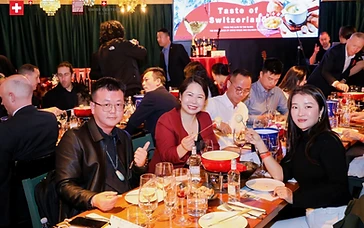
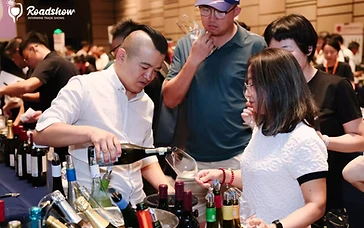
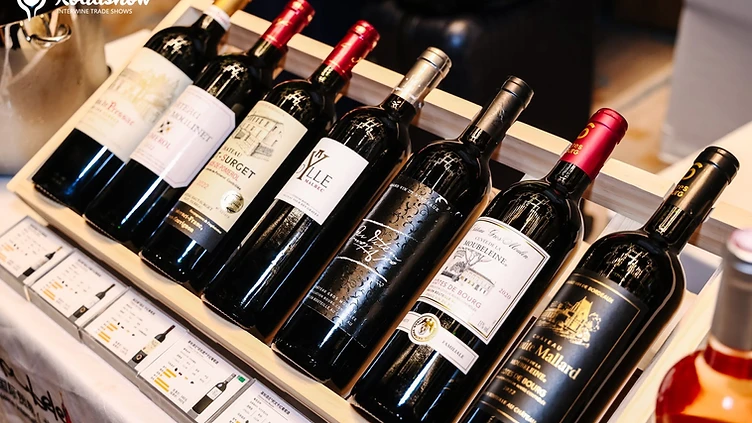
While digital media builds brand buzz, actual wholesale orders in China close on personal trust and physical tastings. Trade buyers, F&B managers, and purchasing directors demand face-to-face interaction with brand principals. Wineries looking to access active East and South China buyers can exhibit directly at major industry gatherings. Securing a stand to Become an Exhibitor at an established platform such as INTERWINE connects your export team with vetted mainland buyers, commercial distributors, and institutional importers looking for fresh inventory.
To maximize face-to-face networking, brands should take advantage of organized Business Matching services and schedule structured masterclasses across dedicated Interwine Events. These trade forums provide an efficient environment to test your portfolio with industry professionals, gain real-time pricing feedback, and sign long-term distribution agreements.
Overcoming Core Market Challenges in Shanghai
Entering China’s most developed consumer market comes with significant commercial hazards that require proactive risk mitigation.
- Fierce Global and Domestic Competition: Importers from France, Australia, Chile, and Italy are competing heavily for wine list space. Furthermore, China's domestic wine regions (such as Ningxia and Xinjiang) are rapidly elevating their quality and capturing market share among patriotic Gen-Z consumers. Brands must clearly articulate what makes their terroir, varietal, or value proposition distinct.
- Channel Margin Pressures: Shanghai's high commercial rents and competitive retail environments drive distributor margin demands up to 30–50%. Price architectures must be planned carefully so that retail pricing remains competitive while still leaving adequate margin for distributors, sub-dealers, and HoReCa venues.
- Inventory Stagnation Risks: Never push speculative container loads onto distributors without marketing support. Successful wineries co-invest with their regional partners in staff training, POS materials, and local promotional events to stimulate sell-through.
Conclusion: Executing Your Shanghai Commercial Strategy
Building local demand in Shanghai is not an exercise in mass advertising; it is a structured discipline of targeted channel placement, cultural resonance, and active distributor support. By prioritizing high-engagement bistro accounts, executing localized social storytelling on platforms like RED, and investing in dedicated on-the-ground B2B engagements, international wine brands can establish an enduring, profitable commercial presence in China’s commercial capital.
Sources
- USDA Foreign Agricultural Service (2025). Wine Market Update 2025: Shanghai ATO, China - People's Republic of. CH2025-0190. https://apps.fas.usda.gov/newgainapi/api/Report/DownloadReportByFileName?fileName=Wine+Market+Update+2025_Shanghai+ATO_China+-+People%27s+Republic+of_CH2025-0190.pdf
- General Administration of Customs of the People's Republic of China (GACC) (2024). China Wine Import Customs Statistics 2024. http://english.customs.gov.cn/
- ProWine Shanghai (2024). Navigating Trends and Breaking Through: Post-Show Trade Report. https://www.prowein-world.com/en/Press_Releases/ProWine_Shanghai_2024_Navigating_Trends_and_Breaking_Through
- Cambridge University Press / Journal of Wine Economics (2025). China’s wine market: Recent shocks, long-term prospects. https://www.cambridge.org/core/journals/journal-of-wine-economics/article/chinas-wine-market-recent-shocks-longterm-prospects/E6B6F8B046CEA34C52282747311389C2
Key Takeaways
- —Shanghai wine consumption has shifted toward casual bistro dining, personal indulgence, and growing demand for white and sparkling wines.
- —China imported $1.6 billion in wine products in 2024, with Australia and France commanding the largest market share (USDA FAS, 2025).
- —Independent bistros and wine bars in Jing'an and Xuhui are critical testing grounds; by-the-glass (BTG) placements are ideal entry mechanisms.
- —Digital brand seeding requires lifestyle-centric storytelling on Xiaohongshu (RED) rather than purely transaction-driven e-commerce banner ads.
- —B2B trade fairs and structured business matching are vital to identifying trustworthy regional importers and verifying commercial pricing architectures.
Frequently Asked Questions
What wine styles are seeing the fastest growth in Shanghai?
According to the USDA FAS (2025) report, consumer interest in white wines and sparkling wines is expanding rapidly in tier-one cities like Shanghai. This trend is driven by casual dining, modern brunch occasions, and younger consumers seeking fresher, lower-tannin profiles that pair naturally with local and international cuisines.
Why should wine brands focus on regional distributors rather than single national partners in China?
China is a continent-sized market with varied regional cuisines and consumer preferences. Appointing a regional distributor focused on Shanghai and the Yangtze River Delta ensures dedicated sales coverage in top-tier bistros and specialty retailers, avoiding inventory stagnation often seen with broadline nationwide distributors.
What role does Xiaohongshu (RED) play in building Shanghai wine demand?
Xiaohongshu is China's foremost lifestyle review and search engine for urban consumers. Wine brands utilize RED for consumer seeding through Key Opinion Consumers (KOCs), sharing authentic food pairings, aesthetic bottle photography, and bistro recommendations that drive organic consumer pull.
What are the essential regulatory requirements for importing wine into Shanghai?
Wineries must be registered with the General Administration of Customs of China (GACC) under Decrees 248 and 249. Shipments require compliant Chinese back labels detailing ingredients, alcohol content, and mandatory warnings, accompanied by official certificates of origin and sanitary documentation.
How can wineries meet qualified Shanghai and East China wine importers?
Direct participation in specialized trade exhibitions and structured B2B matching events provides direct access to pre-screened importers, distributors, and HoReCa buyers. Exhibiting at events like INTERWINE allows producers to present their portfolios directly to active purchasing managers.