How to Combine an Interwine Visit With China Market Research
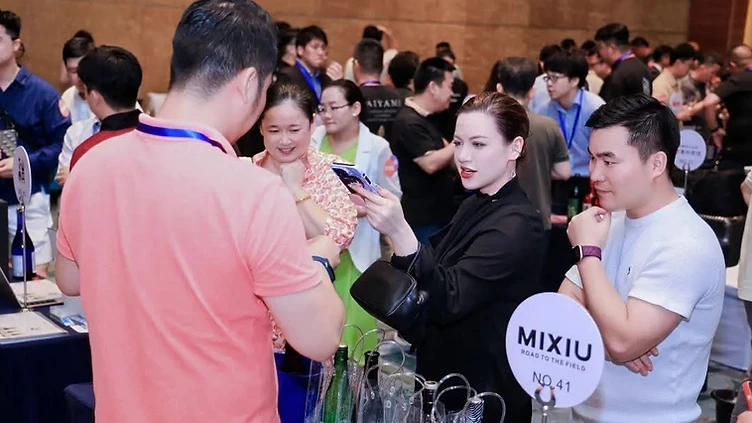
Discover how international wine importers, distributors, and buyers can turn an Interwine visit into high-impact, on-the-ground China market research. Learn proven methodologies for primary trade interviews, on-premise retail audits across Tier-1 and New Tier-1 cities, and partner qualification.
Combining a trade fair visit with targeted field research represents the most cost-effective intelligence-gathering mechanism available to international wine professionals entering mainland China. Rather than treating attendance merely as a series of casual hall walks, structured operators leverage Interwine as an operational launchpad. Through systematic planning, trade buyers and brand representatives can gather primary distributor sentiment, audit live consumer retail pricing, and evaluate competitive shelf dynamics across southern China's booming consumer hubs.
According to an export market assessment by the EU SME Centre (2024), navigating China's wine trade requires foreign operators to balance complex customs standards, evolving cold-chain logistics, and multi-tier distribution channels. Meanwhile, trade analyses by MS Advisory (2024) valued the mainland Chinese wine market at $40.4 billion in 2024, driven by an expanding base of digitally active, younger urban demographics seeking premiumization. To capture this demand, overseas brands and prospective distributors cannot rely solely on desk research; they require primary observational data gathered during physical trade visits.
The Dual-Objective Framework: Fair Floor vs. Street-Level Intelligence
A commercial trip to Guangzhou or Shenzhen must balance high-density supplier networking inside the venue with empirical verification outside the convention center. On the exhibition floor, decision-makers test portfolio positioning, gather feedback on price bands, and gauge competitor movement. Beyond the venue perimeter, off-trade bottle shops, regional distributors, e-commerce fulfillment hubs, and upscale hospitality venues provide ground truth regarding inventory rotation, shelf pricing, and genuine consumer behavior.
To maximize return on investment, international buyers should prepare early, coordinate logistics, and secure their trade credentials. Planning ahead via Book Your Visit ensures access to specialized industry forums, private tasting salons, and dedicated business sessions.
+-----------------------------------------------------------------------------------+
|                DUAL-OBJECTIVE FIELD RESEARCH METHODOLOGY                          |
+-----------------------------------------+-----------------------------------------+
|      EXHIBITION FLOOR INTELLIGENCE      |       STREET & FIELD OBSERVATION        |
+-----------------------------------------+-----------------------------------------+
| - Primary distributor pricing audits    | - Tier-1 vs. New Tier-1 retail surveys  |
| - Competitive packaging evaluation      | - Supermarket shelf-share analysis      |
| - Regional distributor interviews       | - On-premise dining lists & margins     |
| - Direct dialogue via Business Matching | - Digital omni-channel retail checks    |
+-----------------------------------------+-----------------------------------------+
Phase 1: Structuring On-Site Trade Show Fieldwork
Executing Structured Primary Interviews
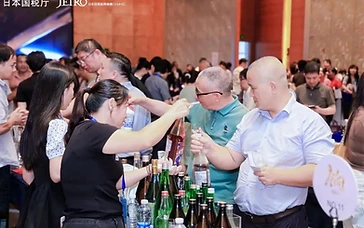
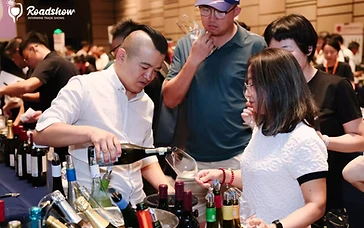
Trade fairs concentrate hundreds of regional agents, tier-two sub-distributors, and national retail buyers under one roof. When walking the aisles, your primary research objective is gathering candid feedback on distribution viability. Engage domestic wine merchants, pavilion managers, and logistics agents using standardized question frameworks:
- What are current mainland inventory turn-rates for mid-tier European and New World allocations?
- How are local importers adapting to customs clearance times, bonded warehouse overheads, and cross-border e-commerce regulations?
- Which regional market pockets—such as the Greater Bay Area or central inland cities—are generating consistent reorders?
To conduct structured corporate sourcing discussions, buyers should consult the Exhibitor Directory in advance and schedule targeted interactions through formal Business Matching services.
Competitive Benchmarking & SKU Evaluation
Inside the hall, evaluate how rival global regions position their offerings for Chinese palates. In an industry interview with Beverage Trade Network (2024), Interwine leadership noted a strategic pivot across Chinese channels toward diverse, boutique, organic, and alternative-origin wines—including growing interest in Georgian, South African, and Eastern European regions alongside established French and Australian categories. Observe front-facing labels, Chinese back-label adherence, bottle weight perceptions, closure types, and gift-box configurations tailored to corporate gifting and weddings.
Phase 2: Street-Level Field Audits in the Greater Bay Area
Guangzhou and Shenzhen serve as commercial epicenters for China's imported wine pipeline. Incorporating 48 hours of field reconnaissance across these cities provides essential context for the claims heard on trade show floors.
1. Off-Trade and Modern Retail Audits
Conduct physical walk-throughs across three distinct retail formats:
- High-End Supermarkets (e.g., Ole’, BLT): Document retail shelf space allocated to major origins versus domestic labels (such as Ningxia and Xinjiang wines). Record frontline pricing, promotional bundling, cold-shelf versus ambient placement, and educational point-of-sale displays.
- Membership Wholesalers (e.g., Sam's Club, Costco): These chains represent a substantial volume driver for imported wines among middle-class urban families. Study volume-pack configurations, private-label penetration, and prevailing price points for everyday-drinking table wines.
- Specialized Independent Bottle Shops: Visit independent neighborhood wine bars and boutiques in districts like Guangzhou's Tianhe or Shenzhen's Nanshan. Observe which natural, biodynamic, or estate-bottled SKUs rotate quickly, and ask floor managers what styles capture local consumers under age 35.
2. On-Premise Dining and HoReCa Surveillance
China's dining landscape dictates wine consumption patterns. Audit wine lists across traditional Cantonese banquet dining rooms, Western luxury hotel bistros, and trendy izakayas. Note glass-pour programs, consumer willingness to pay markups, and whether dining tables rely on digital mini-programs (via WeChat QR codes) to explain tasting notes and food pairings.
3. E-Commerce and Digital Retail Synthesis
In-market digital channels reflect street pricing dynamics. During field audits, cross-reference in-store bottle prices against live listings on Douyin (TikTok), JD.com, and Tmall. If a product displayed in a boutique retail shop for 300 RMB sells online via cross-border live streaming for 99 RMB, you have discovered channel price erosion that will undermine traditional physical distribution.
Regional Nuances: Tier-1 Hubs vs. New Tier-1 Potential
As research from B2B International (2024) emphasizes, professional B2B research in China must recognize deep regional variations rather than treating the country as a single monolithic market. Commercial dynamics in coastal cities differ markedly from secondary interior markets.
| Market Tier | Key Representative Cities | Consumption Drivers & Channels | Price Elasticity & Portfolio Focus | | :--- | :--- | :--- | :--- | | Tier-1 | Guangzhou, Shenzhen, Shanghai, Beijing | International gastronomy, boutique retail, casual social drinking, strong sommelier influence. | High tolerance for premium price points ($30+ CIF); growing appetite for organic, biodynamic, and unique terroirs. | | New Tier-1 / Tier-2 | Chengdu, Wuhan, Changsha, Hangzhou | Banqueting culture, local business entertainment, high-growth modern convenience retail. | Volume-driven entry-to-mid tiers ($5–$15 CIF); packaging aesthetics, gift cases, and classic fruit-forward profiles dominate. | | Inland Emerging | Zhengzhou, Xi'an, Chongqing | Traditional dealer distribution networks, provincial wholesale markets. | Cost-sensitive commercial wines; heavily dependent on established importer credit terms and distributor incentives. |
Attending Interwine masterclasses and regional buyer forums allows visitors to engage with visiting buying delegations arriving from Tier-2 and Tier-3 urban centers across central and southwestern China. To gain deeper industry perspective, explore curated analyses via Market Insights.
Practical Logistics: Planning an Efficient Field Research Itinerary
A productive commercial visit requires precise calendar staging. The following 4-day research blueprint ensures comprehensive coverage:
- Day 1: Exhibition Immersion & Discovery. Arrive at the trade grounds. Complete visitor badge collection, survey designated national pavilions, and benchmark major importer booths. Attend introductory industry masterclasses to observe local trade attendance and palate reactions.
- Day 2: Supplier Scrutiny & Strategic Matching. Execute pre-scheduled one-on-one appointments through the matchmaking program. Collect distributor rate sheets, examine logistics contracts, and interview regional distributors from Guangdong, Fujian, and Zhejiang provinces.
- Day 3: City Off-Trade & Wholesaler Field Visits. Transition away from the exhibition complex. Spend the morning auditing premier grocery outlets and membership clubs. Spend the afternoon auditing independent wine shops and meeting local logistics brokers at wholesale trading centers.
- Day 4: HoReCa Sampling & Market Synthesis. Tour key nightlife and culinary districts. Interview on-premise beverage managers, evaluate by-the-glass assortments, and compare field findings against trade show supplier offers to finalize your sourcing plan.
To coordinate seamless travel throughout the Pearl River Delta, review regional transfer tips under Arrival and Transportation, and ensure cross-border business paperwork is in order via Invitation Letter and Visa Support.
Mitigating Critical Commercial Risks
- Grey-Market and Parallel Imports: Verify whether a brand already enters China via secondary parallel trading channels, which can destabilize target retail margins and confuse provincial distributors.
- Regulatory & Customs Labeling Pitfalls: General Administration of Customs of China (GACC) compliance requires exact adherence to bilingual ingredient listings, allergen declarations, and production date standards. Non-compliant shipments risk impoundment.
- Trademark Squatting: Ensure your English brand name and Chinese transliteration (Pinyin/Hanzi characters) are registered with the China National Intellectual Property Administration (CNIPA) before introducing commercial samples widely.
Conclusion: Moving From Market Research to Commercial Action
Visiting a premier trade fair must deliver tangible, actionable market intelligence. By utilizing Interwine as your analytical base camp and pairing structured booth interviews with rigorous street-level retail audits, you transform a brief international visit into a competitive strategic advantage.
Take the first step in organizing your China research program by registering to attend, booking targeted buyer matchmaking slots, and establishing your presence at the epicenter of southern China’s imported wine trade. Secure your credentials today at Book Your Visit.
Sources
- EU SME Centre. (2024). China's Wine Market: A Guide for Exporters. https://www.eusmecentre.org.cn/events/chinas-wine-market-guide-for-exporters/
- MS Advisory. (2024). Wine Market in China: Trends, Growth, and Consumer Analysis. https://msadvisory.com/wine-market-in-china/
- B2B International. (2024). A Comprehensive Guide to B2B Market Research in China. https://www.b2binternational.com/publications/market-research-china/
- Beverage Trade Network. (2024). Interwine China: Bridging Global Wines and the Chinese Market. https://beveragetradenetwork.com/en/btn-academy/articles/interwine-china-bridging-global-wines-and-the-chinese-market-739.htm
Key Takeaways
- —Pair hall-floor distributor interviews with real-world retail audits across modern grocery chains and specialty wine bars in Guangzhou and Shenzhen.
- —Verify pricing integrity by cross-referencing on-site distributor quotes against live pricing on Douyin, JD.com, and local e-commerce channels.
- —Evaluate distinct regional demand drivers between Tier-1 coastal metros (premiumization, organic, boutique) and New Tier-1 cities (volume, gifting, banquet formats).
- —Schedule structured B2B meetings 6 to 10 weeks prior to Interwine using formal business matching channels to maximize time efficiency.
- —Mitigate cross-border trade risks early by checking GACC regulatory labeling requirements and securing CNIPA trademark registrations.
Frequently Asked Questions
Why should I combine attending Interwine with physical retail audits?
Exhibition halls provide high concentrations of suppliers and agents, but street-level audits in supermarkets, fine-dining restaurants, and specialty wine boutiques reveal live consumer shelf pricing, inventory rotation, and true retail markups that validate trade claims.
How far in advance should I arrange business meetings for Interwine?
International trade professionals should begin pre-qualifying distributors and booking one-on-one appointments approximately 6 to 10 weeks before the exhibition to lock in meeting times with qualified buyers and regional trading partners.
What retail channels in Guangzhou and Shenzhen should I audit during my trip?
Target three specific formats: upscale modern retail supermarkets (such as Ole’ or BLT), bulk-volume membership wholesalers (like Sam's Club), and independent specialty wine bars or bottle shops in affluent commercial districts.
What regulatory checks should I investigate while conducting research in China?
Ensure you assess General Administration of Customs of China (GACC) import labeling requirements, back-label translation rules, cold-chain transport procedures, and trademark status with the China National Intellectual Property Administration (CNIPA).
How do consumer wine preferences differ between Tier-1 and New Tier-1 Chinese cities?
Tier-1 cities (Guangzhou, Shenzhen, Shanghai) demonstrate stronger demand for boutique terroirs, natural wines, and everyday personal consumption. New Tier-1 cities (such as Chengdu or Wuhan) often emphasize commercial brand recognition, banqueting traditions, corporate gifting, and structured packaging.