Wine Market and Trade Opportunities in Wuhan
Discover how Wuhan serves as Central China's leading distribution hub for imported wine. Explore commercial routes, on-trade dynamics, and B2B expansion strategies.
For international wineries, estate exporters, and brand directors targeting mainland China, the central interior represents the next critical frontier for sustainable volume and margin growth. As coastal Tier-1 markets face retail saturation and intense price competition, Wuhan—the capital of Hubei province—has emerged as the undisputed logistics and commercial gateway for Central China. Capturing market share in this dynamic metropolis requires international producers to understand local commercial channels, regional consumption shifts, and how to position portfolios for mid-market and premium buyers looking beyond primary tier import hubs.
The Strategic Role of Wuhan in Central China’s Wine Trade
Wuhan sits at the intersection of China’s major east-west and north-south transit corridors along the middle reaches of the Yangtze River. Operating as a Tier-2 megacity with an urban population exceeding 13 million residents, Wuhan functions as Central China's financial, logistical, and wholesale hub, directly feeding secondary distribution networks across Hubei, Hunan, Jiangxi, and Henan provinces.
According to data from the General Administration of Customs China (GACC) as reported by the USDA Foreign Agricultural Service (2025), China imported approximately $1.6 billion worth of wine and related products in 2024. While primary ports such as Shanghai, Shenzhen, and Ningbo clear the vast majority of bottled imports, a decisive portion of those volumes is immediately transshipped inland. Historically, regional sub-distributors in Central China relied on coastal wholesalers for allocations. Today, Wuhan’s established trading groups and bonded logistics parks increasingly bypass secondary coastal middlemen, seeking direct import partnerships and territorial distribution contracts to protect their commercial margins.
Wuhan’s strategic importance is further reinforced by the city’s deep educational and corporate demographic. Home to one of the largest university student and white-collar research populations in China, the local consumer base is rapidly adopting casual, experiential dining habits that integrate imported wine, departing from the purely formal banquet traditions that previously dictated provincial alcohol sales.
Consumer Dynamics and Emerging Wine Categories in Wuhan
While robust dry red wines—predominantly Cabernet Sauvignon, Merlot, and Shiraz blends—continue to dominate banqueting, business dining, and corporate gifting, Wuhan is witnessing a marked diversification in consumer taste profiles. Exporters evaluating the local market should align their commercial offers with distinct consumption tiers:
- High-Volume Commercial Dining: Dominated by approachable, fruit-forward red wines priced within retail bands accessible to younger urban professionals. Value-driven European Appellation d’Origine Protégée (AOP/DO) wines and competitive New World entries find consistent turnover here.
- The White and Sparkling Wine Shift: Aligning with broader national shifts documented in the USDA Foreign Agricultural Service Wine Market Update (2025), regional cities are experiencing elevated interest in white and sparkling wines. In Wuhan, the vibrant local food culture—famed for freshwater fish, river delicacies, and spicy regional street cuisine—presents an expanding opening for dry Riesling, Sauvignon Blanc, aromatic whites, and sparkling profiles that offer natural culinary pairing contrast.
- Premium Fine Wine Allocations: While grand cru classifications and prestige cuvées command respect in high-end private dining clubs (sifangcai) and private wealth enterprise banquets, buyers are increasingly educated. Independent merchants and private corporate buyers prioritize verifiable provenance, boutique narratives, and internationally recognized quality scores over mass-market branding.
Navigating On-Trade, Off-Trade, and Digital Routes to Market
To establish scalable distribution in Wuhan, wineries must align their commercial packaging, pricing ladders, and logistics models to match local channel structures:
1. Regional Distributors and Wholesalers
The backbone of Wuhan’s imported wine market consists of established provincial FMCG distributors and specialized wine wholesalers centered around logistics districts like Dongxihu. These operators possess deep distribution rights into tier-3 and tier-4 prefectural cities throughout Hubei (such as Xiangyang, Yichang, and Jingzhou). Overseas brands must provide structured marketing budgets, promotional point-of-sale assets, and protected regional territorial rights to win distributor commitment.
2. The On-Trade: Modern Bistro Culture and Hotels
Wuhan's modern hospitality landscape has expanded rapidly across commercial centers such as Hankou's historic concessions, Wuchang’s university districts, and modern development zones like Optics Valley (Guanggu). Independent wine bars, Western-style casual bistros, and hotel food and beverage departments rarely hold direct import licenses. Instead, they purchase consolidated assortments from local importers offering flexible payment terms and fast, temperature-controlled delivery. To build initial pull-through, producers should explore targeted Market Insights to understand regional menu trends and on-premise pricing models.
3. New Retail and Social Commerce
Physical retail distribution in Wuhan is increasingly polarized between warehouse club formats (such as Sam’s Club and local supermarket chains) that procure via centralized bidding, and specialty wine boutiques. Simultaneously, digital commerce plays an outsized role in regional trial. As noted by China Briefing (2024), citing IWSR projections, China’s alcohol e-commerce market is forecast to grow at a compound annual growth rate of 6 percent from 2022 to 2027, driven by direct-to-consumer and on-demand delivery services. Wuhan’s tech-savvy consumer demographic relies heavily on social commerce platforms like Douyin and Xiaohongshu (RED) for discovery, making localized digital storytelling an indispensable tool for distributor sell-through.
Key Commercial Risks and Market Realities
While Wuhan offers significant expansion opportunities, overseas suppliers must approach the market with rigorous operational planning and realistic risk management:
- Intense Domestic and Regional Price Competition: China’s overall wine market has undergone significant consolidation. While the bilateral market re-opened following the removal of tariffs on Australian wine in early 2024, competitive pressures remain intense across all tiers. Importers in secondary hubs are sensitive to cash flow and reluctant to tie up capital in untested labels without co-investment.
- Regulatory and Labeling Compliance: Foreign exporters must strictly adhere to the General Administration of Customs China (GACC) registration framework under Decrees 248 and 249. Non-compliant Chinese back-labels, unregistered overseas manufacturing facilities, or documentation errors can lead to customs detention at coastal entry points long before cargo reaches inland Hubei warehouses.
- Brand Protection and Trademark Defense: Registering your original foreign brand mark and an authentic, culturally resonance Chinese trademark name is essential prior to entering regional trade circuits. Neglecting local brand registration leaves wineries vulnerable to trademark squatting, a risk highlighted in cross-border trade analyses by China Briefing (2024).
Connecting with Qualified Central China Buyers via Interwine
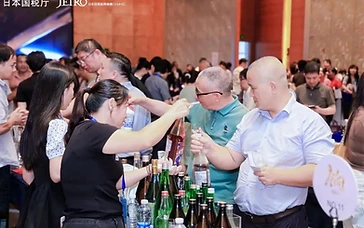
Building an effective distribution network in Central China requires direct, face-to-face commercial negotiation with qualified buyers who hold verified regional distribution networks. Relying solely on remote communication or coastal agency representation often leaves inland secondary cities undertapped.
Participating in professional trade exhibitions provides international wine producers with the most direct route to meeting licensed importers, Hubei regional wholesalers, and national retail buyers. Through curated business matching programs, wineries can present their portfolios directly to purchasing decision-makers seeking long-term supply relationships. To secure direct access to Central China’s emerging import networks, reserve your space and Become an Exhibitor with Interwine, and utilize dedicated Business Matching services to connect with pre-screened regional distributors.
Sources
- General Administration of Customs China / USDA Foreign Agricultural Service: Wine Market Update (2025) - https://apps.fas.usda.gov/newgainapi/api/Report/DownloadReportByFileName?fileName=Wine+Market+Update+2025_Shanghai+ATO_China+-+People%27s+Republic+of_CH2025-0190.pdf
- Dezan Shira & Associates / China Briefing: China's Wine Market Outlook: Trends and Opportunities (2024) - https://www.china-briefing.com/news/chinas-wine-market-outlook-trends-and-opportunities/
- Journal of Wine Economics / Kym Anderson: What's Happened to the Wine Market in China? (2023) - https://wine-economics.org/wp-content/uploads/2023/10/5-Vol-18-Issue-No-2-Whats-happened-to-the-wine-market-in-China-by-Kym-Anderson.pdf
Key Takeaways
- —Wuhan serves as the central logistics and wholesale clearinghouse for Hubei, Hunan, Jiangxi, and Henan provinces.
- —While commercial red wines maintain volume leadership, demand for white, sparkling, and lower-alcohol wines is growing among Wuhan's large urban professional demographic.
- —Central Chinese buyers are increasingly bypassing coastal secondary middlemen to seek direct import and regional territorial contracts.
- —GACC facility registration and proactive Chinese trademark registration are non-negotiable operational requirements before shipping inventory.
- —Direct B2B engagement at dedicated trade events like Interwine provides the fastest route to verified regional distributors in Central China.
Frequently Asked Questions
Why should international wineries target Wuhan instead of focusing only on Tier-1 cities?
Tier-1 cities like Shanghai and Shenzhen are heavily saturated with competing labels and high listing fees. Wuhan acts as the commercial capital and transport crossroads of Central China, granting access to an urban market of over 13 million people and serving as the primary wholesale gateway to secondary cities across Hubei, Hunan, and Jiangxi.
What wine styles show the most commercial promise in Wuhan today?
While full-bodied red wines remain standard for corporate banquets and gifting, white and sparkling wines are seeing fast growth in modern on-trade bistros and casual dining venues, driven by pairings with local freshwater and spiced cuisine.
How are wines typically distributed throughout the Wuhan region?
Distribution relies on regional FMCG and beverage wholesalers who hold warehouse space in districts like Dongxihu, supplying local independent restaurants, hotel chains, and retail shops. Many established regional distributors now seek direct import partnerships to secure better margins.
What regulatory approvals are needed before selling wine to importers in Wuhan?
Producers must obtain overseas manufacturing facility registration under GACC Decrees 248/249, ensure back labels comply with Chinese food safety standards (GB standards), and provide necessary export documentation including certificates of origin and analysis.
How can foreign wineries connect with qualified wine distributors in Central China?
The most effective approach is exhibiting at established professional wine trade fairs like Interwine, which host structured B2B business matching programs connecting producers directly with licensed importers and provincial regional buyers.