Wine Market and Trade Opportunities in Tianjin
Explore the wine market and trade opportunities in Tianjin. Discover how its deep-water logistics port, Jing-Jin-Ji connectivity, and retail transformation create a gateway for global wineries.
For international wineries, brand principals, and export directors, evaluating northern China’s distribution grid requires looking beyond the prestige of Beijing. The wine market and trade opportunities in Tianjin present a commercially strategic entry point for suppliers seeking efficient customs clearance, lower inland distribution friction, and direct access to the wider Bohai Economic Rim. As one of China’s four direct-administered municipalities, Tianjin is not merely a regional consumer market of roughly 14 million people; it functions as northern China's maritime logistics engine and maritime trade crossroads.
According to analysis published by the Spanish Wine Interprofessional Organization (OIVE) in 2026, China imported €1.258 billion worth of wine in 2025 across 207.2 million liters. While national import volumes declined by 26.7%, the average import value rose by 16.5% to €6.07 per liter. This structural pivot toward premiumization and distributor consolidation makes regional logistics efficiency and trade compliance more critical than ever. Tianjin provides an operational balance of maritime port infrastructure, duty-bonded warehousing, and commercial trade corridors across the Jing-Jin-Ji (Beijing-Tianjin-Hebei) economic zone. Exporters evaluating northern entry can review the latest macro shifts on our Market Insights hub to calibrate their regional pricing.
Strategic Position: Port of Tianjin as Northern China’s Maritime Gateway
The Port of Tianjin (Tianjin Xingang) serves as the primary maritime trade hub for northern and northwestern China, linking deep-sea container lines directly to the regional distributor network. For wine exporters, shipping directly into Tianjin instead of routing via southern coastal ports like Shenzhen or Shanghai provides tangible commercial advantages:
- Reduced Inland Transit Costs: Moving wine overland across central China incurs high refrigerated trucking (reefer) expenses. Landing consignments directly in Tianjin minimizes cold-chain risks and domestic transport costs for distribution across Beijing, Hebei, Shanxi, and Inner Mongolia.
- Binhai New Area Bonded Logistics: The Tianjin Binhai New Area houses advanced bonded warehouse complexes equipped with climate-controlled zones. Importers can hold inventory in bonded status until orders are finalized, mitigating cash flow exposure associated with import value-added tax (VAT) and consumption taxes.
- Multimodal Sea-Rail Connectivity: Tianjin functions as an official junction point for cross-Eurasian rail lines and domestic arterial freight corridors, providing seamless cargo transit for national distribution.
Tariff Developments and the Shifting Supplier Landscape
Foreign producers navigating Tianjin customs must align their strategies with recent regulatory shifts. Following the Ministry of Commerce (MOFCOM) decision on March 29, 2024, to eliminate punitive anti-dumping duties on Australian wine, Australia rapidly reclaimed its status as China's leading supplier. In 2025, Australia shipped €515.6 million of wine to China (accounting for 41% of national import value), while France registered €370.1 million, according to Chinese Customs data reported by OIVE in 2026.
For most non-preferential suppliers, Most-Favored-Nation (MFN) tariff rates range between 14% and 30%, in addition to a 10% consumption tax and 13% statutory import VAT. Navigating customs compliance in Tianjin requires meticulous attention to CIQ (Customs Inspection and Quarantine) documentation, precise Chinese back-label adherence (including mandatory additive disclosures and net volume statements), and strict compliance with the General Administration of Customs (GACC) Decree 248 foreign manufacturer registration requirements.
Historical Wine Roots and Local Consumer Characteristics
Tianjin holds a notable position in China’s modern viticultural history. In 1980, the city hosted China’s first modern foreign wine joint venture, the Sino-French Tianjin Dynasty Wine Company, created in collaboration with Rémy Martin. Dynasty became a pillar of domestic winemaking, driving local familiarity with dry red and white table wines.
From a regional agricultural perspective, the eastern districts around the Jiyan River basin cultivate Muscat Hamburg, Cabernet Sauvignon, and Chardonnay, although local production remains small compared to Ningxia or Shandong. Because local consumers grew up alongside domestic production, the consumer palate in Tianjin is mature, with an enduring affinity for rich, fruit-forward red wines, alongside an increasing openness to crisp aromatic whites and sparkling wines.
Regional Market Channels: Jing-Jin-Ji Integration and Commercial Dynamics
Tianjin operates within the broader Jing-Jin-Ji macro-region, which encompasses more than 110 million consumers. While Beijing captures corporate headquarters, central embassies, and Michelin-starred on-premise venues, Tianjin provides lower warehousing overhead and an independent network of commercial wholesalers, gift-market distributors, and regional hospitality chains.
1. The Corporate and Institutional B2B Channel
Tianjin houses dense manufacturing, petrochemical, financial, and shipping conglomerates. Business entertainment and corporate gifting remain primary purchasing channels for imported wines priced between 150 RMB and 450 RMB ($20 to $65). Well-packaged Bordeaux blends, Chilean Cabernet, and premium Australian Shiraz remain the preferred choices for corporate banquet dining.
2. High-End Retail and Emerging Dining Concepts
In urban districts such as Heping, Nankai, and the revitalized Italian Style Tourist Area (Yidali Fengqing Qu), specialized wine bistros, modern Italian restaurants, and premium retail boutiques are expanding. These venues cater to younger, educated consumers seeking spontaneous social drinking, single-vineyard wines, organic certifications, and alternative varietals.
3. Digital and E-Commerce Integration
According to research from China Briefing in 2025, online sales continue to serve as a high-growth distribution pillar for China’s alcoholic beverage industry. Northern distributors based in Tianjin leverage nearby courier fulfillment hubs to supply D2C and live-commerce operations across northern China, blending physical wholesale with rapid warehouse dispatch.
Strategic Challenges and Risk Mitigation in Tianjin
Wineries entering Tianjin must manage several practical market risks:
- Beijing Centricity: Many distributors in northern China operate offices in Beijing while keeping bonded stock in Tianjin. Foreign wineries should verify whether their prospective Tianjin partner possesses localized retail reach or acts solely as a freight handler for national brokers.
- Channel Brand Protection: As Vino Joy News reported in coverage of historical editions of the China Food & Drinks Fair held in Tianjin, the region has occasionally contended with copycat labels and unauthorized parallel imports. Producers must complete trademark registration in China—for both their Latin alphabet name and their registered Chinese transliteration—before sending trial pallets into Tianjin customs.
- Inventory Carrying Costs: In a market characterized by selective consumer spending, maintaining flexible order quantities (MOQs) and leveraging bonded warehousing allows brands to protect price integrity without overburdening distributors.
Action Plan: Building Direct B2B Distribution
To convert market opportunities in Tianjin into sustainable container orders, wineries should execute a focused three-step strategy:
- Establish Brand Registration and Compliance Early: Secure the Chinese trademark, complete the GACC manufacturer filing, and prepare approved back labels prior to landing stock.
- Target Specialized Northern Wholesalers: Seek mid-sized distributors who actively cover Tianjin, Tangshan, Shijiazhuang, and Beijing rather than relying on giant national importers whose focus may be divided.
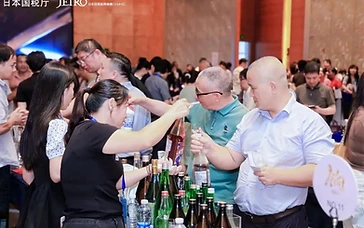
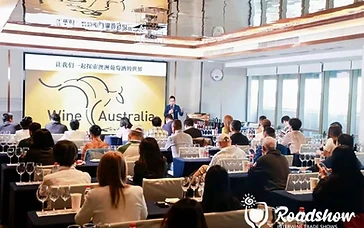
- Engage Directly with Qualified Buyers: International wineries looking to secure commercial placement in China’s northern gateways should participate in structured B2B trade platforms. Explore how to Become an Exhibitor at Interwine to meet pre-vetted wine importers, regional distributors, and trade buying teams. Importers and procurement directors can also Book Your Visit or explore personalized matchmaking through our Business Matching service.
Sources
- Vinetur / OIVE (2026): China’s Wine Market Continues Long Decline Despite Higher Import Prices (https://www.vinetur.com/en/2026030697196/chinas-wine-market-continues-long-decline-despite-higher-import-prices.html)
- China Briefing (2025): China's Wine Market Outlook: Trends and Opportunities (https://www.china-briefing.com/news/chinas-wine-market-outlook-trends-and-opportunities/)
- China Wine Competition (2024): Wine Regions of China - Tianjin (https://chinawinecompetition.com/en/resources/wine-regions-of-china-3346/tianjin-16.htm)
- Journal of Wine Economics (2023): What's Happened to the Wine Market in China? (https://www.cambridge.org/core/journals/journal-of-wine-economics/article/whats-happened-to-the-wine-market-in-china/EDFEB10E9C05DFC0F7F09114C7D71128)
Key Takeaways
- —Tianjin functions as the primary maritime logistics gateway and bonded storage hub for northern China and the wider Jing-Jin-Ji region.
- —Despite declining national import volumes in 2025, Chinese customs data analyzed by OIVE in 2026 confirms average import unit values rose 16.5% to €6.07/L, highlighting market premiumization.
- —Shipping directly into the Port of Tianjin eliminates expensive cross-country refrigerated freight from southern ports to northern buyer networks.
- —Tianjin's domestic wine legacy—dating to the founding of Dynasty Wines in 1980—fosters high baseline familiarity with wine among regional corporate banquets and consumers.
- —Securing Chinese trademark registrations and direct distributor relationships through dedicated trade exhibitions like Interwine is vital to avoiding trademark disputes and gray market risks.
Frequently Asked Questions
Why should wineries consider shipping through the Port of Tianjin?
The Port of Tianjin (Xingang) is the premier maritime gateway to northern China. Landing cargo directly in Tianjin substantially lowers inland refrigerated freight costs to Beijing, Hebei, Shanxi, and Inner Mongolia compared to transshipping from southern hubs like Shenzhen or Shanghai.
What is the current tariff structure for wine imports entering Tianjin?
Following the removal of anti-dumping tariffs on Australian wine in March 2024, Australian wines enter at 0% tariff. Most-Favored-Nation (MFN) suppliers pay import tariffs of 14% to 30%, alongside an alcohol consumption tax of 10% and standard statutory VAT of 13%.
How does the Jing-Jin-Ji integration affect wine distribution in Tianjin?
The Jing-Jin-Ji initiative integrates Beijing, Tianjin, and Hebei into an unified economic cluster of over 110 million people. Tianjin provides cost-efficient bonded warehousing and cold-chain logistics, allowing distributors to supply Beijing's premium on-premise venues and regional corporate wholesale networks with minimal friction.
What wine varietals and styles perform best in the Tianjin market?
Full-bodied dry red wines (Cabernet Sauvignon, Merlot, and Shiraz) dominate corporate banquet and gifting channels. However, specialized urban wine bars in central Tianjin are seeing growing demand for crisp white wines, sparkling labels, and organic certified wines.
How can international wineries connect with qualified Tianjin wine buyers?
Exporters can connect directly with vetted regional distributors and buyers by exhibiting at professional trade fairs such as Interwine, taking advantage of focused B2B matchmaking programs to establish stable regional distribution contracts.