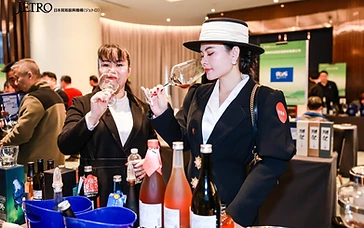
Interwine as a Gateway to China and Asian Wine Buyers
Discover how Interwine functions as a commercial gateway to China and Asian wine buyers, connecting international producers directly with verified importers and distributors.
Entering the Asian wine trade requires direct access to high-volume commercial nodes, localized compliance clarity, and pre-screened distributor networks. Global wine producers targeting Asia often encounter fragmented distribution channels, distinct regional consumption habits, and complex regulatory barriers. Leveraging Interwine as a gateway to China and Asian wine buyers provides international brands with an established commercial infrastructure designed to convert market potential into contracted distribution across Mainland China and key regional export corridors.
The Strategic Role of Interwine in Asian Wine Expansion
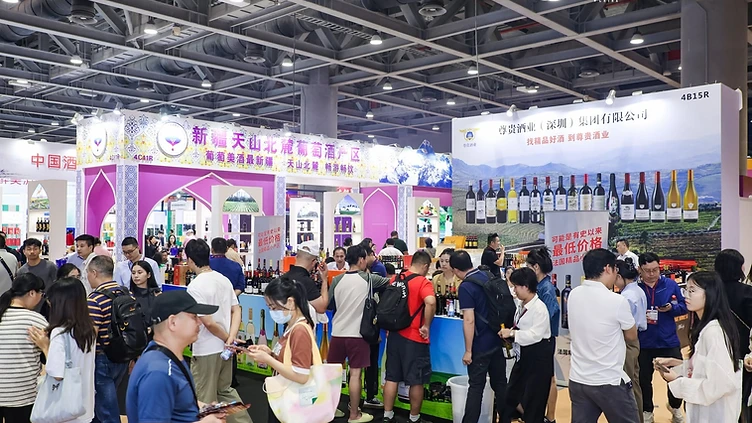
For international wine brands, expanding across Asia begins with identifying regional logistics and consumption epicenters. Interwine operates China's largest alcoholic beverage exhibition with the longest history, staging flagship trade events twice annually in spring and autumn. The exhibition spans up to 50,000 square meters across major venues including Guangzhou's Poly World Trade Expo Center and the Canton Fair Complex, consistently attracting exhibitors from more than 50 countries alongside over 50,000 professional visitors and group trade buyers.
Rather than serving as an isolated seasonal event, the platform functions continuously throughout the calendar year to bridge global wineries with mainland importers, provincial distributors, hotel and restaurant chains, and retail trade associations. By anchoring its primary operations in Guangzhou and Shenzhen, Interwine places international exporters at the core of the Greater Bay Area—a commercial territory encompassing approximately 110 million consumers across Guangdong province, Hong Kong, and Macau.
Market Fundamentals: China’s Scale and Regional Demand
The economic case for accessing China and neighboring Asian markets rests on solid demographic and consumption data. According to market analysis published by MS Advisory in 2026, China's wine market was valued at $40.4 billion in 2024 and was projected to expand at a compound annual growth rate (CAGR) exceeding 11%. Independent research published by Deep Market Insights in 2026 calculated the total market size at $57.25 billion in 2024, forecasting an increase to $93.92 billion by 2033, led by still wines as the largest and fastest-expanding segment.
Demographically, demographic assessments reported by the China Wine Competition in 2024 highlight that approximately 82% of China's population is aged 15 to 64, establishing an expansive base of potential alcoholic beverage consumers. Concurrently, regional consumption patterns are evolving rapidly. In executive insights documented by Beverage Trade Network in 2024, Interwine leadership observed that buyer interest is diversifying beyond heritage appellations toward boutique wineries, sustainable viticulture, and dynamic price-to-quality propositions demanded by younger urban consumers. To monitor real-time shifts in category performance, producers frequently examine sector data through dedicated Market Insights.
Overcoming Import Barriers, Taxes, and Compliance
Exporting wine to China requires disciplined management of pricing structures, customs documentation, and mandatory labeling regulations. Commercial intelligence from BestWineImporters in 2026 emphasizes that Chinese wine import duties and taxes cumulatively add roughly 50% on top of a shipment's CIF (Cost, Insurance, and Freight) value. This cumulative fiscal burden typically consists of:
- Import Tariff: Approximately 14% for bottled still wine (subject to bilateral free-trade arrangements).
- Consumption Tax: 10% applied to alcoholic beverages.
- Value-Added Tax (VAT): 13% statutory rate.
Compliance mandates enforced by the General Administration of Customs of China (GACC) require precise Chinese back labels affixed prior to customs clearance. These labels must specify product category, grape varieties, exact alcohol percentage, bottle volume, domestic importer/distributor contact details, batch/lot identifiers, and standard mandatory health warnings in simplified Chinese. Meeting verified buyers directly on the exhibition floor reduces commercial risk by allowing wineries to partner with established distributors who possess existing customs registrations, bonded warehouse arrangements, and national logistics pathways.
Structured B2B Buyer Matching and Deal Execution
Navigating Asian trade fairs without targeted preparation risks misaligned commercial expectations. Success requires direct engagement with pre-qualified purchasers whose sales channels match the brand's price tier and volume capacity. Trade analysis published by BestWineImporters in 2026 advises wine exporters to begin targeted importer outreach 6 to 10 weeks prior to the event, setting an objective of securing 10 to 20 qualified, pre-booked commercial meetings.
Interwine accelerates this pipeline via formal Business Matching services. Instead of relying solely on unsolicited walk-up visits, international brands submit their technical spec sheets, pricing tiers, and regional distribution targets to be matched against qualified importer databases. These structured sessions connect producers with verified Tier-1 national importers, regional wholesale distributors, duty-free groups, and high-end on-premise hospitality purchasers from across mainland provinces and Asian trade hubs. Exporters can evaluate concurrent programming, category masterclasses, and specialized pavilion schedules through Interwine Events.
Preparing for Asian Market Expansion: A Practical Roadmap
To translate trade show presence into sustainable purchase orders, wine producers should execute a sequential roadmap:
- Define Commercial Tiers (T-minus 12 Weeks): Establish ex-cellar, FOB, and modeled landed CIF pricing that accounts for China's ~50% cumulative import tax profile. Prepare minimum order quantities (MOQs) tailored to trial shipping containers or mixed pallets.
- Curate Portfolio Specs (T-minus 8 Weeks): Select SKU lines that align with Asian channel preferences. While full-bodied reds maintain market share, lighter reds, crisp whites, and sparkling varieties are capturing market share among younger demographics in coastal first-tier cities.
- Initiate Buyer Outreach (T-minus 6 Weeks): Use the event's matchmaking tools to pre-screen distribution candidates. Review their geographic coverage across Tier-1, Tier-2, and Tier-3 cities.
- On-Site Execution: Staff exhibition booths with bilingual commercial representatives equipped with simplified Chinese technical sheets, digital QR codes for WeChat communication, and structured tasting flights.
- Post-Event Contracting: Follow up with qualified leads within 5 business days, delivering sample verification tracking, formal commercial invoices, and distributor agreement templates.
Brands ready to enter the market and contract regional distribution can initiate their commercial registration to Become an Exhibitor.
Conclusion
Establishing an enduring footprint across China and the wider Asian wine market requires more than sporadic export shipments; it demands physical presence, regulatory diligence, and direct partnerships with verified distribution networks. By leveraging Interwine's established trade architecture, specialized matchmaking mechanisms, and deep integration into the Greater Bay Area, international producers transform market entry challenges into predictable, long-term commercial growth.
Sources
- MS Advisory: Wine Market in China: Trends, Growth, and Consumer Behavior (2026)
- Deep Market Insights: China Wine Market Size, Trends & Forecast Analysis 2025-2033 (2026)
- BestWineImporters: A Wine Exporter’s Guide to Finding Buyers in China and Working with Chinese Wine Importers (2026)
- Beverage Trade Network: Interwine China: Gateway to Global Wines in the Chinese Market (2024)
- China Wine Competition: China Wine Competition Partners With Interwine China (2024)
Key Takeaways
- —Interwine operates the largest and longest-running alcoholic exhibition in China, hosting bi-annual events across 50,000 square meters for 50,000+ professional trade buyers.
- —China's wine market was valued between $40.4B and $57.25B in 2024, presenting expansive commercial headroom driven by an adult population base exceeding 80%.
- —Import duties, consumption tax, and VAT cumulatively add roughly 50% to CIF landed costs for bottled wine entering China, necessitating structured pricing strategies.
- —Proactive B2B preparation, initiating buyer outreach 6 to 10 weeks in advance, and pre-booking 10 to 20 qualified meetings optimizes trade show ROI.
- —Guangzhou and Shenzhen position exporters directly within the Greater Bay Area, granting immediate commercial reach to over 110 million regional consumers.
Frequently Asked Questions
What is the typical lead time required to prepare for exhibiting at Interwine?
Exporters should begin preparation at least 8 to 12 weeks prior to the event. This allows sufficient time for international sample shipping, simplified Chinese label translation, GACC compliance clearance, and initiating targeted buyer outreach 6 to 10 weeks before the exhibition to lock in pre-scheduled meetings.
How are import duties and taxes calculated for bottled wine entering Mainland China?
Importing bottled still wine into China involves three primary taxes: a standard import duty of roughly 14%, a consumption tax of 10%, and a value-added tax (VAT) of 13%. Cumulatively, these fiscal charges add approximately 50% to the CIF (Cost, Insurance, and Freight) value of the shipment.
Why is Interwine's location in Guangzhou and Shenzhen strategic for Asian market entry?
Guangzhou and Shenzhen sit at the center of the Guangdong-Hong Kong-Macau Greater Bay Area, home to roughly 110 million consumers with high disposable income and established wine consumption habits. This geographic hub provides immediate commercial access to both Mainland China and key regional distribution hubs.
How does Interwine's Business Matching service facilitate trade contracts?
Interwine's Business Matching platform pre-screens and pairs international producers with verified Tier-1 importers, regional distributors, and on-premise buyers based on grape varieties, price bands, and production capacities, replacing cold outreach with targeted one-on-one commercial sessions.