How to Identify Online marketplace wine buyers in China
Discover how to identify, screen, and contract legitimate online marketplace wine buyers in China across Tmall, JD.com, and Douyin without sacrificing brand equity or distributor margins.
To successfully partner with online marketplace wine buyers in China, foreign wineries and export directors must navigate a landscape distinct from conventional B2B distribution. Digital sales channels across mainland China require strict compliance, dedicated channel architecture, and disciplined brand protection. Securing verified e-commerce buyers involves identifying the appropriate digital operating models, screening potential partners against General Administration of Customs of China (GACC) import mandates, and aligning pricing strategies across traditional and virtual retail shelves.
According to China Briefing's 2025 Market Outlook, data from the International Wine and Spirits Research (IWSR) indicates that China’s alcohol e-commerce channel is expanding at a compound annual growth rate (CAGR) of 6 percent from 2022 to 2027, on track to represent roughly 40 percent of global online alcohol sales. Identifying genuine B2B e-commerce procurement heads—rather than unauthorized parallel importers or retail speculators—is one of the most critical operational tasks for export managers entering the world’s most digitized wine ecosystem.
Understanding the Archetypes of Online Marketplace Wine Buyers in China
Export directors often treat "online buyers" as a monolithic group. In China, procurement managers operating on digital channels fulfill fundamentally different operational roles, operate on disparate margins, and carry varied regulatory responsibilities.
1. First-Party (1P) Platform Category Buyers
These are direct procurement managers employed by mega-platforms, principally JD Worldwide, JD Super, and Tmall Supermarket (Tmall Chaoshi). In a 1P relationship, the platform acts as the direct importer or purchases domestic clearance stock from an onshore entity on a wholesale purchase-order basis.
- Procurement Focus: High-volume SKUs, internationally recognized appellations, or proven commercial volume drivers.
- Commercial Model: Direct bulk purchase orders with 60- to 120-day credit terms, strict inventory return or mark-down agreements, and mandatory co-op marketing fund allocations.
- Risk Profile: Minimal credit default risk, but aggressive price renegotiations and demands for steep promotional subsidies during shopping festivals such as 618 and Singles' Day (11.11).
2. Third-Party (3P) Flagship Operators and TP Agencies
Many foreign wineries do not sell wholesale to the platform itself; instead, they license brand rights to an authorized Trade Partner (TP) or accredited operating distributor that runs a Brand Flagship Store (Qijiandian) on platforms such as Tmall Global, JD.com, or Douyin.
- Procurement Focus: Exclusive distribution rights, localized marketing collateral, continuous vintage availability, and promotional marketing allowances.
- Commercial Model: The TP purchases inventory on standard FOB/CIF or ex-warehouse bonded terms and generates revenue from product margins alongside store-management retainers.
- Risk Profile: Inadequate working capital, unauthorized parallel stock dumping, and brand neglect if marketing budgets are insufficient.
3. Cross-Border E-Commerce (CBEC) Bonded Warehouse Specialists
Operating out of designated Free Trade Zones (such as Ningbo, Shenzhen, or Shanghai), these buyers utilize China’s preferential CBEC tax frameworks. CBEC allows overseas bottled wine to clear through simplified digital documentation pathways without domestic back-label Chinese registration hurdles before shipping to individual retail end-users.
- Procurement Focus: Boutique labels, niche varietals, premium Cru Classé estates, or dynamic natural wines seeking market testing without full General Trade pre-market testing costs.
- Commercial Model: Batch shipments stored in cross-border bonded facilities, triggered through digital customs interfaces upon individual consumer orders.
- Risk Profile: Fast regulatory pivots and sensitivity to logistics fees, customs platform audit shifts, and annual per-consumer quota thresholds.
4. Social Commerce and Livestreaming Multichannel Networks (MCNs)
Livestream commerce on Douyin, Kuaishou, and Xiaohongshu (RED) represents a significant slice of domestic direct wine engagement. MCN sourcing teams evaluate wines solely based on visual appeal, distinctive packaging, storytelling hooks, and steep promotional discount elasticity.
- Procurement Focus: Rapid-turnover stock, highly differentiated bottle architecture, approachable flavor profiles (including sweet, sparkling, and aromatic whites), and high initial gross margins capable of supporting 20% to 40% creator commission fees.
- Commercial Model: Consignment or short-term bulk warehousing tied to specific live broadcast campaigns.
- Risk Profile: Severe return rates (frequently 20% to 35% on social livestreams), aggressive downward price pressure, and potential erosion of off-trade brick-and-mortar pricing stability.
Where and How to Source Qualified E-Commerce Buyers
Finding genuine commercial buyers requires looking beyond standard Western B2B directories. Sourcing buyers for China's digital marketplaces involves a structured, multi-channel discovery process.
   +-------------------------------------------------------------+
   |             Digital Discovery & Market Auditing             |
   |  * Audit Tmall / JD stores for category leaders & TP names  |
   |  * Review Douyin / WeChat Mini-Program flagship operators   |
   +-------------------------------------------------------------+
                                  │
                                  ▼
   +-------------------------------------------------------------+
   |             Regulatory & Corporate Due Diligence            |
   |  * Validate GACC / CIFER overseas registration status       |
   |  * Verify Business Licenses via National Enterprise System  |
   |  * Check Customs / CIQ Food Distribution Licenses           |
   +-------------------------------------------------------------+
                                  │
                                  ▼
   +-------------------------------------------------------------+
   |            Physical Vetting & Commercial Closing            |
   |  * In-person verification at major trade exhibitions        |
   |  * Execute strict territorial & multi-channel pricing rules |
   |  * On-site tasting notes and allocation planning            |
   +-------------------------------------------------------------+
Digital Auditing and Platform Footprint Scans
Wineries can run competitive intelligence on active digital flagship stores within their target category. By checking the legal entity listed in the footer of successful competitive brand flagship stores on Tmall or JD, export directors can identify which domestic operating companies handle customs clearance and commercial store management. You can track broader channel shifts in our Market Insights analyses.
Industry Ecosystem Trade Exhibitions
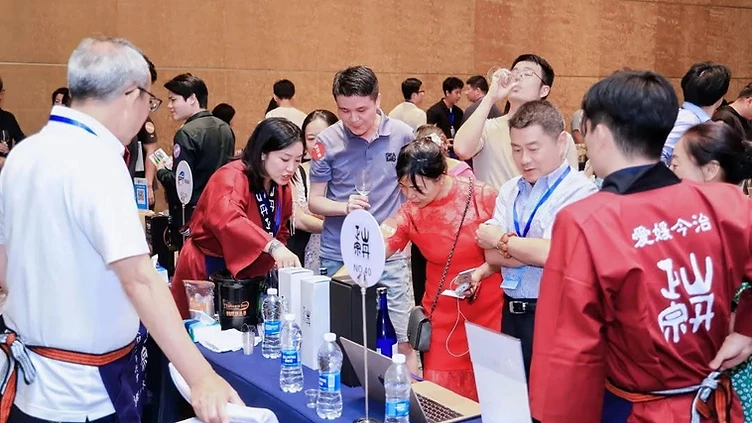
While the transaction happens online, wine distribution contracts in China are secured in person. Digital procurement teams from JD, Tmall, Douyin agency houses, and leading bonded-zone merchants travel to premier national expos to evaluate estate wines, taste new vintages, and negotiate volume contracts. Exporting wineries that become an exhibitor at established industry platforms like Interwine gain immediate access to pre-screened importers and enterprise buyers looking to expand their portfolios.
Structured B2B Matchmaking and Commercial Roundtables
Cold inquiries via platform portals frequently go unanswered. Utilizing specialized business matching services allows wineries to present commercial sell-sheets directly to procurement directors with dedicated digital sales allocations, bypassing unauthorized middlemen.
Critical Vetting and Due Diligence Checklist
Before entering formal contract negotiations with an e-commerce wine partner, conduct comprehensive compliance and operational checks.
| Verification Metric | Required Document / Platform | Operational Risk Addressed | | :--- | :--- | :--- | | Corporate Entity Legality | National Enterprise Credit Information Publicity System (GSXT) | Unlicensed "shell" trading brokers and uncapitalized intermediaries | | Import & Alcohol Licensing | Domestic Food Operation License (Shipin Jingying Xukezheng) | Goods impounded or rejected during port customs clearance | | Customs Traceability | GACC Single Window Registration / China Inspection and Quarantine (CIQ) filings | Regulatory non-compliance under national food safety standards | | Digital Platform Rights | Formal Platform Authorization Letters (Shouquanshu) | Unauthorized parallel imports and black-market pricing erosion | | Cold-Chain Infrastructure | Temperature-controlled cross-dock and logistics audit reports | Wine spoilage during summer transit through southern ports |
Regulatory Pre-Requisites: GACC and Labeling Compliance
As documented in the EU SME Centre’s 2023 China Wine Market Report, foreign wine producers must complete their overseas manufacturing facility registration under China Customs (GACC Decree 248) via the CIFER platform before shipping. Furthermore, imported wines entering general trade must adhere to national standards GB 15037-2006 (Wine) and GB 7718-2011 (Pre-packaged Food Labeling). A legitimate online buyer will demand your GACC facility registration number and provide precise simplified Chinese label templates specifying the importer’s onshore entity name, phone number, and physical office location.
Protecting Brand Equity: Managing Pricing and Channel Conflicts
One of the greatest dangers facing overseas producers in China’s digital market is uncontrolled price discounting. Online marketplace buyers operate under algorithmic pricing pressure. If left unregulated, a digital partner will discount clearance stock during retail sales campaigns, cannibalizing traditional on-trade and brick-and-mortar off-trade distributor pricing.
Dual-SKU and Channel Differentiation Strategies
To prevent channel friction between traditional brick-and-mortar importers and online marketplace buyers, world-class wineries deploy strict packaging or brand divergence:
- Dedicated Online Secondary Brands: Create distinct labels or secondary brand registrations specifically assigned to e-commerce marketplace sellers, protecting the core estate label for fine dining, hotels, and specialist retail accounts.
- Format Differentiation: Provide unique formats—such as bespoke 375ml half-bottles, twin gift packs, or alternate capsule/closure configurations—exclusive to digital marketplace distributors.
- Contractual Minimum Advertised Price (MAP) Clauses: Enforce strict retail floor pricing contracts accompanied by security performance bonds. If an online operator breaches baseline pricing during major sales events, they forfeit designated commercial allocations and marketing co-funding support.
Next Steps for Winery Export Directors
Transitioning from market interest to signed purchase orders requires physical presence, legal due diligence, and direct B2B buyer engagement:
- Secure Your Intellectual Property First: Register your primary trademark and your official Chinese brand transliteration (Zhongwen Pinpai Ming) with the China National Intellectual Property Administration (CNIPA) before sending samples.
- Verify Overseas Facility Status: Ensure your production cellar and bottling plants maintain active GACC CIFER compliance registration codes.
- Engage with Screened Importers Directly: Schedule an on-the-ground commercial trip to interface with corporate buyers. You can visit Interwine to meet leading national importers or reserve physical presence through our become an exhibitor portal to guarantee direct business meetings with top domestic e-commerce wine trading groups.
Sources
- China Briefing: China's Wine Market Outlook: Trends and Opportunities (2025)
- EU SME Centre: China's Wine Market(s) Overview and Regulatory Framework (2023)
- Wine Institute: China Wine Market Update and Export Statistics (2025)
- Statista: Wine Market in China Forecast & Distribution Insights (2024)
Key Takeaways
- —China's alcohol e-commerce channel accounts for approximately 40% of global online alcohol transactions by 2027 according to IWSR data.
- —Online marketplace wine buyers diverge into four main business archetypes: 1P direct platform buyers, 3P Trade Partners (TPs), Cross-Border E-Commerce (CBEC) specialists, and live-commerce MCNs.
- —Prior to commercial delivery, overseas producers must maintain active registration under GACC Decree 248 on the official CIFER customs portal.
- —Digital price erosion can be mitigated by instituting Minimum Advertised Price (MAP) contractual penalties and creating dedicated online-only secondary SKUs.
- —Face-to-face commercial verification at major trade expos remains mandatory to separate vetted licensed importers from uncapitalized intermediaries.
Frequently Asked Questions
What is the difference between 1P and 3P wine buyers in China?
A 1P (first-party) buyer works directly for the platform (such as JD.com or Tmall Supermarket) and purchases your inventory via wholesale purchase orders. A 3P (third-party) buyer is an independent distributor or Trade Partner (TP) that licenses your brand to operate an official standalone flagship store, purchasing inventory on typical trade terms and managing consumer retail fulfillment.
Can overseas wineries sell online in China without a domestic business license?
Yes, through Cross-Border E-Commerce (CBEC) frameworks utilizing bonded warehouses in designated Free Trade Zones. However, to access standard General Trade domestic channels (which make up the majority of e-commerce volume), an overseas winery must sell through an onshore registered corporate partner holding an official Chinese Food Operation License.
How can wineries prevent online buyers from discounting wines and hurting offline distributors?
Producers should adopt a dual-channel portfolio strategy. This includes developing exclusive online-only labels, varying bottle formats or multipacks, and enforcing legally binding Minimum Advertised Price (MAP) clauses linked to cash performance deposits and future stock allocation limits.
Which regulatory filings are mandatory before selling wine online in China?
Wineries must complete facility registration under GACC Decree 248 via the CIFER platform to obtain an export registration number. Additionally, all wines imported via General Trade must satisfy Chinese national food safety standards (GB 15037-2006) and feature compliant simplified Chinese back labels.
Why is in-person business matching still necessary for online marketplace deals?
China's business culture relies heavily on personal relationship building (guanxi) and physical product validation. Attending reputable national trade shows allows export directors to verify an online buyer's financial scale, cold-chain capabilities, and portfolio alignment, significantly reducing the risk of working with unvetted shell companies.