How to Identify Restaurant wine buyers in China
A commercial B2B guide for winery export directors on how to identify restaurant wine buyers in China, map on-trade procurement hierarchies, navigate import regulations, and secure by-the-glass listings.
To identify restaurant wine buyers in China, foreign wineries must understand that Chinese on-trade venues rarely import wine directly; instead, purchasing decisions are distributed between hotel food and beverage (F&B) directors, head sommeliers, restaurant group procurement teams, and regional licensed on-trade distributors. Winemakers succeed by identifying specific venue archetypes across Tier-1 and emerging Tier-2 dining hubs, pitching through licensed distribution intermediaries who manage Chinese customs and customs-cleared local delivery, and validating buyer credentials via face-to-face trade platforms.
According to China Briefing (2024), out-of-home wine consumption represented a critical segment of China's total domestic volume alongside 913.9 million liters consumed at home. For overseas wine producers aiming to build sustainable brand visibility, China's on-trade channel—encompassing Michelin-starred venues, Western bistros, boutique wine bars, luxury international hotel chains, and high-end modern Chinese banquet halls—remains the premier vehicle for building brand credibility and generating recurring, high-margin sales.
The Anatomy of the Chinese On-Trade Procurement Structure
International export managers accustomed to Western hospitality models frequently assume that approaching a restaurant's lead sommelier is sufficient to secure a wine list placement. In China's dynamic hospitality sector, on-trade procurement is structured across multiple organizational tiers:
1. Luxury International Hotel Groups
Properties under groups such as Marriott International, Hyatt, Shangri-La, and Accor operate under formal corporate structures. While the property Head Sommelier or Beverage Manager evaluates wine quality and conceptual alignment with dining concepts, the ultimate listing authorization rests with the Food & Beverage Director and the corporate Procurement/Purchasing Office. All selections must pass through their designated list of pre-approved local tier-1 and tier-2 vendor companies possessing valid import licenses, food circulation permits, and traceable value-added tax (VAT) ticketing capability.
2. Independent Restaurant Groups and Concept Wine Bars
Independent fine-dining restaurants, contemporary French or Italian venues, and high-end bistro-bars in hubs like Shanghai, Shenzhen, and Guangzhou provide significant velocity for boutique, low-intervention, and niche regional wines. In these venues, head sommeliers or owner-operators exert high autonomy over wine selections. However, they rely almost exclusively on local "on-trade specialized distributors" who can provide prompt 24- to 48-hour bottle deliveries, low minimum order quantities (MOQs), and flexible credit terms (typically 30 to 60 days).
3. High-End Chinese Banquet and Private Dining Clubs
Traditional and modern Cantonese, Huaiyang, and Sichuan fine dining private kitchens cater heavily to corporate entertaining. Procurement here is directed by the General Manager or venue owner, focusing on pedigree, recognizable international brand equity, prestigious appellations (such as Bordeaux Crus Classés or prestige Champagne), and packaging aesthetics that convey respect and social standing ("face" or mianzi).
Regional Differences in On-Trade Buyer Preferences
Approaching Chinese restaurant wine buyers requires localized geographic targeting rather than treating China as a monolithic market, a strategy emphasized by trade consultancies such as Asia Pro Distribution (2026):
- Shanghai: The epicenter of China's wine consumption and sommelier talent. Buyers prioritize cutting-edge wine trends, diverse grape varieties, biodynamic certifications, elegant whites, and compelling estate stories for eclectic by-the-glass (BTG) programs.
- Beijing and Northern Hubs: Purchasing remains anchored to corporate hospitality, state-owned enterprise entertaining, and formal business dining. Procurement gatekeepers favor established global labels, structured reds, and prestige gift packaging.
- Guangzhou, Shenzhen, and the Greater Bay Area: Characterized by sophisticated private business consumption and deep gastronomic culture. Buyers look for refined, food-friendly European and New World wines that complement Cantonese seafood dishes without overpowering subtle flavors.
- Chengdu, Chongqing, and Western Consulates: Fast-growing interior lifestyle centers where fiery regional cuisine drives buyer demand toward aromatic whites (such as Riesling and Gewürztraminer), high-acid rosé, and lower-tannin reds.
To discover regional consumption trends and market research, visit our curated Market Insights.
Regulatory and Pricing Realities Behind Restaurant Wine Purchasing
Wineries pitching restaurant buyers must understand the fiscal mechanics governing imported bottled wine in China. According to practical trade guidance from the EU SME Centre (2023) and BestWineImporters (2026), imported bottled wine faces a compound taxation structure of approximately 50% on top of Cost, Insurance, and Freight (CIF) value, comprising standard import tariffs (~14%), consumption tax (~10%), and value-added tax (~13%).
When a restaurant wine buyer evaluates an overseas producer's product, they must factor in:
- The importer's customs clearance, storage, and gross profit margin (typically 20% to 35%).
- The regional on-trade sub-distributor delivery margin (typically 15% to 25%).
- The hospitality venue's required pouring margin, which frequently targets a 65% to 75% gross margin on wine lists, or 3.5x to 4.5x markups over the landed wholesale price.
If an export manager pitches an unrealistic Free on Board (FOB) price that fails to leave room for these intermediary layers, Chinese restaurant buyers will immediately dismiss the proposal, regardless of wine quality or international critical acclaim.
Step-by-Step Methodology to Identify and Engage Restaurant Wine Buyers
Step 1: Map the Specialized On-Trade Distributors
Because high-end restaurants seldom clear customs or manage import compliance independently, wineries must identify the distributors who hold exclusive pouring contracts with target venues. These specialized intermediaries maintain dedicated on-trade sales representatives who visit restaurant F&B directors weekly.
Export directors can review historical buyer registries and distributor lists via the Exhibitor Directory to benchmark which distributors actively represent international portfolios in Chinese hotel and restaurant networks.
Step 2: Leverage Dedicated Industry Exhibitions and Business Matching
Unsolicited emails, cold calls, and generic digital solicitations yield virtually zero return with Chinese restaurant wine buyers. Trust, professional credibility, and sensory evaluation dictate purchasing in Chinese hospitality.
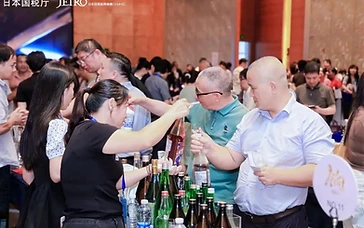
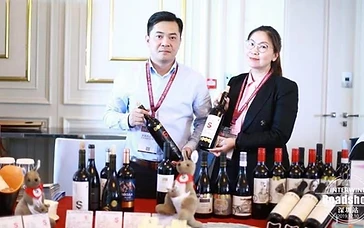
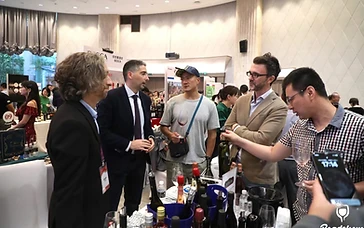
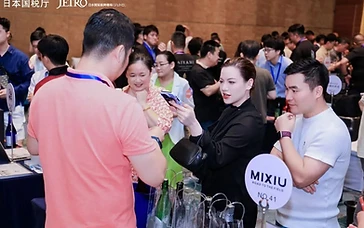
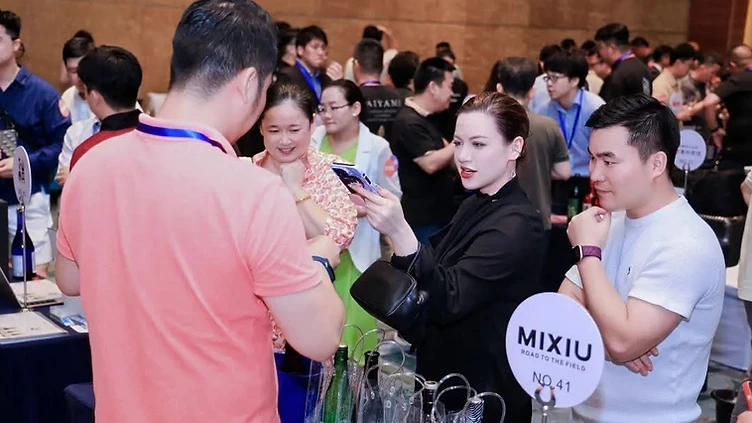
Participating directly in professional wine exhibitions allows export managers to meet restaurant group purchasing managers, certified sommeliers, and hospitality wholesalers in a structured environment. Wineries can take advantage of curated B2B programs such as Business Matching to pre-arrange direct table tastings with certified corporate buyers who are actively refreshing their seasonal wine lists.
Wineries seeking structured access to verified Chinese on-trade purchasers, sommeliers, and licensed import distributors should plan their presence and Become an Exhibitor at upcoming trade editions.
Step 3: Implement Dedicated Sommelier Masterclasses and Tasting Dinners
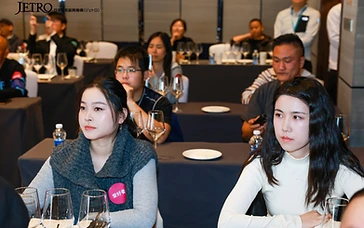
On-trade buyers require education and sales collateral that their floor staff can communicate effortlessly to patrons. Successful international wine brands collaborate with localized brand ambassadors or industry educators to conduct targeted trade masterclasses, sommelier luncheons, and paired dinners. These activations provide beverage teams with practical tasting notes in simplified Chinese and culturally resonant pairing narratives.
Step 4: Build Professional WeChat B2B Portfolios
In China's business ecosystem, professional communication occurs within WeChat rather than via corporate email. Export directors should prepare digital technical sheets, video cellar tours, Chinese-language brand decks, and verifiable awards accessible via WeChat Mini-Programs or shareable PDF files, facilitating immediate follow-up following trade fair meetings.
Critical Mistakes Overseas Wineries Must Avoid
- Ignoring Chinese Back-Label Compliance: Chinese customs strictly enforces General Administration of Customs (GACC) facility registration and mandatory simplified Chinese label parameters. If an importer cannot clear the consignment legally, restaurant placements are impossible.
- Focusing Solely on the Head Sommelier: High staff turnover in the hospitality sector means a listing negotiated solely through personal affinity with an individual sommelier may vanish the moment that professional moves to another venue. Ensure listings are embedded in formal distributor-hotel supply agreements.
- Inflexible Vintage Allocations: Restaurant menus change seasonally, but printed wine lists are costly to modify. Importers and restaurant buyers require continuity of supply and stable vintage transitions.
Conclusion: Accelerating On-Trade Placements in China
Identifying and converting restaurant wine buyers in China requires foreign wineries to look beyond conventional distributor prospecting. Successful entry relies on aligning landed pricing with multi-tier on-trade margins, understanding regional gastronomy, collaborating with licensed on-premise distributors, and building personal rapport through face-to-face sensory tastings.
Wineries ready to introduce their portfolios to qualified Chinese restaurant buyers, hotel procurement teams, and nationwide distributors can accelerate market entry by securing space through Interwine's platform: Become an Exhibitor.
Sources
- China Briefing (2024), China's Wine Market Outlook: Trends and Opportunities: https://www.china-briefing.com/news/chinas-wine-market-outlook-trends-and-opportunities/
- EU SME Centre (2023), China's Wine Market(s): Drivers, Technical Requirements and Opportunities for EU Producers: https://www.eusmecentre.org.cn/publications/chinas-wine-markets-drivers-technical-requirements-and-opportunities-for-eu-producers
- BestWineImporters (2026), A Wine Exporter's Guide to Finding Buyers in China and Working with Chinese Wine Importers: https://www.bestwineimporters.com/fr/blog/resources/a-wine-exporters-guide-to-finding-buyers-in-china-and-working-with-chinese-wine-importers/
- Asia Pro Distribution (2026), Tips for Wineries to Find Chinese Importers: https://asiapro-distribution.com/tips-for-wineries-to-find-chinese-importers/
Key Takeaways
- —Chinese restaurants and hotels rarely import wine directly; foreign wineries must reach restaurant buyers by partnering with specialized on-trade distributors with local customs-clearance and delivery logistics.
- —Procurement power is bifurcated: while sommeliers evaluate sensory fit and wine-by-the-glass viability, F&B directors and corporate purchasing offices authorize contracts and approve vendor licensing.
- —Landed cost structures must absorb ~50% in cumulative taxes (import duty, VAT, consumption tax) alongside distributor and hospitality markups (3.5x to 4.5x FOB).
- —Regional dining profiles dictate buyer demand, ranging from eclectic whites and natural wines in Shanghai to traditional prestige reds for banquet dining in Beijing.
- —Face-to-face sensory interaction at dedicated trade exhibitions remains the most efficient channel to identify and build trust with vetted hospitality procurement decision-makers.
Frequently Asked Questions
Can overseas wineries sell wine directly to restaurants in China?
Generally, no. Chinese restaurants, luxury hotels, and wine bars do not possess direct import licenses and require goods that are already customs-cleared with simplified Chinese back-labels and standard domestic VAT invoices (fapiao). Wineries must route inventory through licensed Chinese importers and regional on-trade distributors.
Who holds the final purchasing decision for wine in Chinese luxury hotels?
In international hotel chains, while the Head Sommelier or Beverage Manager selects wines for list fit and quality, final procurement authorization is held by the Food & Beverage Director and the hotel Purchasing Department, which vets distributor supplier licenses.
What import taxes impact wine pricing for Chinese restaurant lists?
Imported bottled still wine into China incurs an effective combined tax burden of roughly 50% on top of CIF value, which includes approximately 14% customs tariff, 10% consumption tax, and 13% value-added tax (VAT), before distributor and restaurant markups are applied.
How can wine export managers verify the legitimacy of a Chinese restaurant buyer?
Export managers should request the buyer's official business card, WeChat corporate account, company unified social credit code, and details regarding their authorized licensed supply distributor before shipping tasting samples.
Why is Shanghai considered distinct from Beijing for restaurant wine sales?
Shanghai represents China's most progressive on-trade scene with high demand for by-the-glass programs, natural wines, crisp whites, and emerging appellations, whereas Beijing on-trade purchasing remains heavily weighted toward established prestige classifications and corporate banquet dining.