What Chinese hotel beverage directors Expect From Imported Wine Brands
Discover what Chinese hotel beverage directors require from imported wine brands, including margin structures, GACC compliance, localized training, and by-the-glass program support.
Chinese hotel beverage directors and corporate food and beverage (F&B) managers assess imported wine brands on criteria that extend far beyond international critical acclaim. In China's luxury hotel, resort, and fine-dining ecosystem—dominated by groups such as Marriott International, Hyatt, Shangri-La, and localized boutique brands—the purchasing process is governed by strict financial, operational, and regulatory parameters.
For international wine producers and export directors, securing placements in top-tier hotels requires moving beyond generic brand storytelling. Buyers in Tier 1 cities like Shanghai, Beijing, Guangzhou, and Shenzhen, as well as high-growth Tier 2 hospitality hubs such as Chengdu and Hangzhou, look for clear margin viability, rock-solid import documentation, reliable localized distribution, and comprehensive front-of-house education.
According to data from the General Administration of Customs China (GACC) cited by the USDA Foreign Agricultural Service (2026), while total wine import volumes contracted in recent years, the average import price climbed to $6.86 per liter in 2025 (up 22% year-on-year). This highlights clear hospitality-driven premiumization: on-premise venues are buying fewer entry-level bulk labels and curating higher-margin, authentic, quality-focused selections. Navigating this refined market means aligning your export strategy with the precise operational demands of hotel beverage executives.
1. Commercial Profitability, Tiered Margins, and Banqueting Feasibility
A Chinese hotel beverage director operates as a business unit manager accountable for food and beverage gross operating profit (GOP). Every prospective wine must fit neatly into a property’s beverage pricing matrix across distinct outlets, including fine-dining specialty venues, all-day dining rooms, lobby lounges, executive club floors, and banquet operations.
Pouring and By-The-Glass (BTG) Economics
For house pours and by-the-glass listings, beverage directors demand tight pouring costs. A standard BTG listing typically requires an on-premise cost structure that supports beverage markups of 300% to 400%, maintaining a wine cost percentage of 20% to 25%. Brands competing for BTG listings must demonstrate:
- Consistent case pricing protected against gray-market discounting.
- Support programs such as "buy-10-get-2" introductory deals or promotional allowances.
- High perceived guest value that encourages re-orders without requiring heavy sommelier hand-selling.
Banquet and MICE (Meetings, Incentives, Conferences, and Exhibitions)
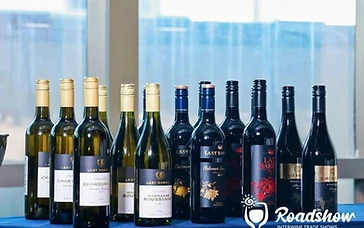
Banquet wines function under entirely different parameters. Hotel banquet menus require high visual prestige combined with volume pricing. While red wine historically dominated over 90% of banquet consumption due to cultural tradition, directors increasingly maintain balanced banquet cellars that include sparkling and expressive whites. Banqueting wine must satisfy competitive wholesale volume pricing, have immediate label recognition, and guarantee sufficient national safety stock to service corporate events of 500 to 1,500 guests without running out.
2. Uncompromising Regulatory and Customs Compliance
One of the fastest ways to lose a luxury hotel placement is a supply disruption caused by regulatory paperwork failure. Five-star and international-chain hotels undergo rigid internal audits and mandatory municipal food-safety inspections. Consequently, beverage directors demand complete traceability from the licensed Chinese importer before a wine can be entered into the hotel enterprise resource planning (ERP) system.
As outlined by the EU SME Centre (2023), imported wines must strictly adhere to customs procedures under GACC Decree 248 and 249. Beverage directors look for three non-negotiable compliance elements:
- GACC Manufacturer Registration: Overseas production facilities must maintain valid registration on the China Import Food Enterprise Registration (CIFER) platform.
- Customs Clearance Certificates (CIQ Certificates): Every imported batch must possess valid Inspection and Quarantine Certificates issued by China Customs confirming food-safety compliance.
- Compliant Chinese Back-Labels: Labels must strictly reflect the official national standard (GB 7718 and GB 2758), indicating net content, exact alcohol percentage, producer details, local importer information, and required allergen warnings (e.g., sulfur dioxide).
If a winery cannot guarantee that its Chinese distribution partner provides instant access to these documents, hotel purchasing departments will reject the brand in favor of a compliant competitor.
3. Domestic Stock Availability and Last-Mile Cold-Chain Logistics
Luxury hotel cellars operate on lean inventory systems designed to minimize locked capital. Hotel beverage directors rarely order more than 1 to 3 cases of fine wine or 5 to 10 cases of high-volume pouring wine at a time. They expect next-day or 48-hour delivery from domestic bonded or duty-paid warehouses situated in logistics hubs like Shanghai, Shenzhen, Guangzhou, or Tianjin.
Wineries attempting to sell FOB (Free on Board) directly to hotels without an established domestic warehousing and distribution network face immediate rejection. In an interview published by Beverage Trade Network, industry specialists emphasized that volume reliability, consistent stock continuity, and clear pricing structure remain foundational selection criteria for China’s wine gatekeepers. Beverage directors cannot risk 8-week shipping delays when a listed vintage runs dry; they will simply delist the SKU and replace it with a competitor that maintains buffer stock in mainland China.
Furthermore, temperature-controlled transit during China's hot summer months is non-negotiable. Wine showing heat damage, pushed corks, or oxidized profiles creates an unacceptable liability on five-star dining tables.
4. Front-of-House Education and Chinese Language Collateral
High staff turnover among service staff and commis sommeliers is a persistent challenge across the Chinese hospitality sector. A beverage director cannot spend hours every week training junior servers on the nuanced terroir distinctions of single vineyards. They favor imported wine brands that arrive with fully turnkey training tools.
As analyzed by Dezan Shira & Associates in China Briefing (2025), successful market penetration requires registered Chinese brand names, localized narratives, and structured educational collateral delivered directly in Mandarin. Beverage directors expect suppliers to provide:
- Standardized Mandarin Tech Sheets: Clear, one-page technical sheets outlining grape varieties, alcohol by volume, food-pairing notes for regional Chinese cuisines (such as Cantonese dim sum, Huaiyang dishes, or Sichuan flavors), and pronunciation guides.
- Staff Incentive Programs: Transparent, legally compliant service-staff tasting allowances or educational reward schemes that encourage floor teams to recommend the wine.
- Digital Accessibility: Mobile-friendly technical information via WeChat Mini-Programs, QR codes, or WeChat channels that waitstaff can pull up on demand during pre-shift briefings.
5. Evolving Portfolio Preferences: Sparkling, Whites, and Niche Prestige
While classic full-bodied red wines from Bordeaux, Barossa, and Napa Valley retain prestige across institutional banquet lists, beverage directors report changing consumer dynamics on hotel wine lists.
Data reported by USDA Shanghai (2026) shows that while overall wine imports experienced contraction, sparkling wine imports rose 15.3% year-on-year from January to May 2026, outperforming the wider market. Modern Chinese hotel guests—particularly affluent millennials, female consumers, and casual diners—are migrating toward refreshing, food-friendly styles.
Beverage directors are seeking imported partners that can fill portfolio gaps in:
- Champagne Alternatives & Premium Sparkling: High-quality traditional-method sparkling wines (Franciacorta, Cava Reserva, English Sparkling) for hotel weekend brunches and terrace bars.
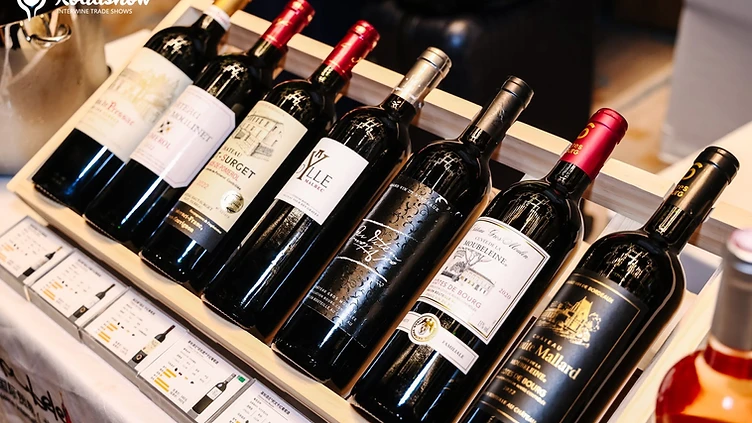
- Expressive Whites: Crisp Sauvignon Blanc, dry Riesling, Chablis, and cool-climate Chardonnay that match seamlessly with delicate Cantonese seafood.
- Lighter, Chilled Reds & Organic Labels: Natural, biodynamic, or lower-intervention wines that appeal to international business travelers and trend-conscious urban professionals.
6. How Exporters Can Win Hotel On-Premise Accounts
Export directors seeking to penetrate China's hospitality channel must treat hotel beverage directors as commercial partners rather than passive catalog buyers. To win and maintain these listings:
- Appoint Capable On-Premise Importers: Partner with established wine merchants who already supply top international hotel management chains and understand corporate procurement procurement portals.
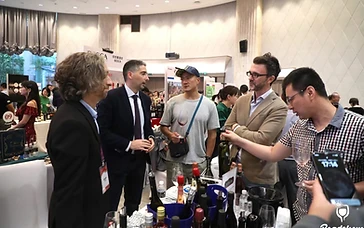
- Commit to Direct On-Site Engagement: Masterclasses, winemaker dinners, and sommelier roundtables are vital. Chinese beverage directors value personal relationships with brand owners and winemakers who demonstrate genuine commitment to the Chinese market.
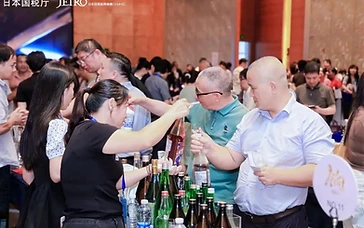
- Target Industry Platforms for Direct Matching: Meeting vetted corporate beverage directors, hotel purchasing committees, and specialized on-premise distributors requires concentrated face-to-face networking.
Wineries looking to connect directly with hospitality trade decision-makers can become an exhibitor at upcoming editions of Interwine, leverage dedicated business matching services, and explore broader market perspectives through our curated market insights reports.
Sources
- USDA Foreign Agricultural Service: Wine Market Update 2026 (China - People's Republic of, GAIN Report CH2026-0097)
- EU SME Centre: China's Wine Market(s): Drivers, Technical Requirements and Opportunities for EU Producers (2023)
- Dezan Shira & Associates: China's Wine Market Outlook: Trends and Opportunities, China Briefing (2025)
- Beverage Trade Network: Interview With Stevie Kim: Expectations Of China Wine Importers
Key Takeaways
- —Chinese hotel beverage directors prioritize margin structure and pouring-cost economics (20-25% wine cost percentage for BTG) over critical scores alone.
- —Customs and regulatory compliance (CIFER registration, CIQ certificates, and GB standard back-labels) is mandatory before luxury hotel groups enter wines into their ERP systems.
- —Wineries must maintain buffer stock in mainland duty-paid warehouses; direct FOB supply models are impractical for hotel procurement.
- —Bespoke Mandarin tech sheets, staff training support, and food-pairing versatility for regional Chinese cuisines are required to drive front-of-house rotation.
- —While banquet red wines remain standard, demand is expanding rapidly for premium sparkling wines and food-friendly, high-acid white wines.
Frequently Asked Questions
What pouring cost margins do Chinese hotel beverage directors expect?
For by-the-glass (BTG) programs, hotel beverage directors generally require a wine cost percentage of 20% to 25%, translating to a 300% to 400% on-premise markup. Banquet and event wines operate on lower per-bottle margins but demand bulk-purchase volume pricing.
Can an overseas winery sell directly to Chinese hotels on FOB terms?
No. Luxury and chain hotels in China operate lean cellars and require duty-paid, locally inventoried stock with 24- to 48-hour delivery times. Exporters must work through licensed domestic importers or distributors who hold local inventory.
Which regulatory documents do hotel purchasing managers require before listing a wine?
Hotels require the official China Customs Inspection and Quarantine (CIQ) certificate, proof of GACC/CIFER overseas manufacturer registration, and compliant Chinese back-labels that adhere to national food-safety standards GB 7718 and GB 2758.
What training materials do Chinese sommeliers and service staff need?
Hotels need concise Mandarin technical sheets, clear food-pairing recommendations tailored to regional Chinese cuisines, and accessible digital assets (such as WeChat Mini-Programs) that staff can reference during daily shift briefings.
What wine categories are currently growing in Chinese hotel beverage programs?
While premium red wines retain strong demand for banqueting and private dining, sparkling wines and dry, aromatic white wines (such as Riesling, Sauvignon Blanc, and Chablis) are experiencing growth for brunch programs, terrace lounges, and modern dining venues.