What Chinese boutique retailers Expect From Imported Wine Brands
Discover what Chinese boutique retailers expect from imported wine brands, including margin defense, SKU curation, GACC compliance, and practical distributor activation.
Chinese boutique retailers expect imported wine brands to offer disciplined pricing control, authentic product storytelling, agile small-order fulfillment, and active co-marketing support rather than transactional volume push.
The commercial dynamic governing China's imported wine sector has pivoted dramatically away from speculative inventory stockpiling toward curated retail ecosystems. Independent wine bottle shops, specialized gourmet cellars (such as Olé or specialty wine bars), and regional boutique merchants are operating with sharper focus. Affluent urban consumers are shifting from state banquets and formal gifting toward personal appreciation, lighter varietals, and everyday casual lifestyle drinking. In response, boutique retailers cannot afford slow-moving inventory, eroded retail prices, or generic commodity labels.
For international winery export directors, penetrating this lucrative tier requires more than shipping containers to regional ports. It demands an understanding of how boutique buyers evaluate brand equity, manage their operational cash flows, and guard shelf margins against aggressive e-commerce discounting.
1. Commercial Pricing Defense and Channel Exclusivity
Boutique bottle shops and independent fine-wine merchants operate in an environment characterized by extreme price transparency. With consumers instantly scanning labels on WeChat mini-programs, Taobao, or Xiaohongshu (RED), margin erosion is the primary existential risk for a boutique merchant.
Minimum Advertised Price (MAP) Discipline
Nothing alienates a Chinese specialty wine retailer faster than seeing a wine they purchased at wholesale being retailed online below their landing cost. As highlighted in research by the EU SME Centre (2023), structural channel management is mandatory: boutique merchants expect strict pricing corridors. Wineries must agree on formal resale price maintenance strategies with their primary importers to ensure cross-border e-commerce or parallel liquidations do not undercut offline shelf pricing.
Carved-Out SKU Exclusivity
To avoid direct competition with mass-market retail chains or national online discount stores, boutique shop owners actively seek regional or channel-specific exclusives. Providing distinct single-vineyard bottlings, organic cuvées, or limited allocation reserve labels specifically for the independent trade enables retailers to preserve healthy gross margins—typically targeted between 35% and 55%—without triggering immediate retail price matching from larger platforms.
2. Palate Modernization: Curation Beyond Red Bordeaux Blends
Historically, Chinese retail wine sales were dominated by heavy, oak-aged red wines—often selected because red symbolizes prosperity in traditional culture. While prestigious flagship reds retain strong value at the high end, modern boutique consumers display distinctly diversified tastes.
Whites, Sparkling, and Light Reds
As reported by Vino Joy News (2026), consumer buying patterns around major festivals and daily consumption occasions reveal surging retail velocity for crisp white wines, pet-nats, Champagne, quality sparkling wines, and lighter reds such as Pinot Noir and Gamay. Boutique buyers seek out producers who offer freshness, low intervention, and gastronomic versatility suited to varied regional Chinese culinary profiles.
Organic, Biodynamic, and Natural Credentials
Younger, internationally educated urbanites who frequent specialty wine bars in cities like Shanghai, Chengdu, Shenzhen, and Hangzhou seek out wines that reflect environmental provenance. Sustainable certifications, low-sulfur vinification, and native-yeast fermentation serve as immediate conversational hooks on the retail floor.
3. Localization and Direct-to-Consumer Digital Collateral
In China's digitally unified retail landscape, a wine label does not stand alone; it is an access point to an entire information ecosystem. Boutique wine retailers do not merely sell bottles—they educate their customers.
- Registered Chinese Brand Names: As emphasized in China Briefing (2024), having an officially trademarked, phonetically appealing Chinese name (Zhongwen Ming) is critical. Foreign names that are difficult to pronounce create friction during retail recommendations and social media searches.
- Digital Storytelling Toolkits: Retailers expect export managers to supply high-resolution digital visual assets tailored for WeChat articles, Moments posts, and Xiaohongshu product tags. Short cellar video clips featuring the winemaker, tasting notes translated into evocative lifestyle descriptions, and suggested food pairings convert casual browsers into buyers.
- Interactive QR Features: Back-labels that incorporate QR codes leading to branded WeChat Mini-Programs or certified traceability portals allow boutique merchants to validate bottle authenticity instantly on the retail floor.
4. Supply Chain Agility: MOQ Flexibility and Consignment Warehousing
Working capital management has become paramount for Chinese independent wine sellers. Gone are the days when regional retailers would commit to multi-container forward purchases of an unproven label.
Lower Minimum Order Quantities (MOQs)
Boutique merchants demand flexible fulfillment. Rather than buying full pallets of a single stock-keeping unit (SKU), retailers expect master importers or foreign brands to offer mixed pallets or tiered small-batch ordering (e.g., 5 to 20 cases per order). This enables them to test market appetite without tying up crucial operating cash flow.
Domestic Bonded Stocks
Retailers heavily favor brands that have product already cleared or stored in domestic bonded warehouses across major hub ports like Ningbo, Shanghai, or Guangzhou. As the EU SME Centre (2023) notes, navigating customs clearance independently can be burdensome for small shops. Access to domestic, pre-cleared stock allows retailers to reorder on demand with two-to-three-day delivery times via domestic logistics networks.
5. Regulatory Rigor: GACC Compliance and Label Accuracy
Administrative compliance is non-negotiable. Boutique retailers source their inventories through licensed importers who must satisfy stringent General Administration of Customs of China (GACC) mandates.
Producer GACC Registration (CIFER Portal)
       │
       ▼
18-Digit Production Facility Code Issued
       │
       ▼
Compliant Chinese Back-Label Affixed
(Mandatory: Product Name, Importer Details, Alcohol %, Lot No., Health Warnings)
       │
       ▼
Customs Clearance & CIQ Inspection Certificate
       │
       ▼
Boutique Retail Delivery & Shelf Placement
Under China's Decrees 248 and 249, every foreign manufacturing facility must maintain valid registration on the CIFER platform with an 18-digit code issued by GACC. As noted in trade guidance by BestWineImporters (2026), any clerical discrepancy between shipping papers, sanitary certificates, and back-label simplified Chinese text (detailing volume, alcohol percentage, ingredients, and mandatory health warnings) can lead to border rejections or warehouse impoundment. Boutique retailers avoid unverified direct imports because local Market Supervision Administrations impose heavy statutory fines on shops carrying improperly labeled products.
6. On-the-Ground Trade Activation and Educational Support
Boutique retail staff act as direct sommeliers to discerning shoppers. If store associates cannot explain what makes an Etna Bianco or an artisanal Clare Valley Riesling unique, the product languishes on the shelf.
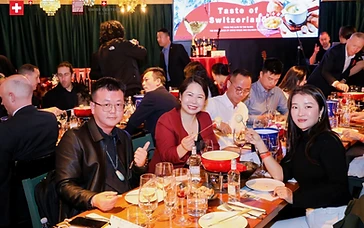
Wineries that succeed in China's specialized channels actively co-invest in trade education. This includes organizing structured staff masterclasses, conducting sommelier dinners, and deploying visiting winemakers to conduct customer salon tastings. Face-to-face interaction remains the cornerstone of sustainable commercial partnerships in China.
To bridge the gap between global vineyards and qualified Chinese retail buyers, leading producers prioritize physical showcase platforms. Meeting vetted buyers face-to-face allows exporters to demonstrate cellar provenance while gauging real-time commercial expectations. Exploring Market Insights provides brands with deeper geographic context before entering commercial discussions. Producers looking to establish or expand national boutique distribution can explore opportunities to Become an Exhibitor at upcoming expos to initiate direct partnerships with premier distributors, or review options to Visit Interwine to analyze regional market conditions firsthand.
Conclusion: Navigating the Boutique Future
Winning shelf space within China's boutique retail trade is no longer about shipping excess inventory to opportunistic brokers. It requires a modern export model rooted in channel price protection, curated product selections aligned with evolving palates, rigorous regulatory adherence, and hands-on promotional partnership. For wineries willing to engage the Chinese market with focused brand discipline and tailored boutique offerings, the opportunities for long-term commercial growth remain substantial.
Sources
- China Briefing (2024), China's Wine Market Outlook: Trends and Opportunities, https://www.china-briefing.com/news/chinas-wine-market-outlook-trends-and-opportunities
- EU SME Centre (2023), China's Wine Market(s): Drivers, Technical Requirements and Opportunities for EU Producers, https://www.eusmecentre.org.cn/publications/chinas-wine-markets-drivers-technical-requirements-and-opportunities-for-eu-producers
- Vino Joy News (2026), What China’s Top Wine Importers Are Saying About CNY Demand, https://vino-joy.com/2026/02/11/what-chinas-top-wine-importers-are-saying-about-cny-demand
- BestWineImporters (2026), A Wine Exporter’s Guide to Finding Buyers in China and Working with Chinese Wine Importers, https://www.bestwineimporters.com/blog/resources/a-wine-exporters-guide-to-finding-buyers-in-china-and-working-with-chinese-wine-importers/
Key Takeaways
- —Boutique retailers prioritize Minimum Advertised Price (MAP) enforcement and SKU exclusivity to protect offline margins against online discounters.
- —Consumer purchasing has expanded rapidly from traditional heavy reds into white wines, sparkling, natural, and lower-alcohol styles.
- —Foreign wine facilities must hold an active 18-digit GACC registration number and apply strictly compliant Chinese back labels.
- —Retailers favor lower Minimum Order Quantities (MOQs) and access to pre-cleared domestic bonded inventory to optimize working capital.
- —Digital collateral tailored for WeChat and Xiaohongshu alongside formal Chinese brand registrations are essential for retail staff activation.
Frequently Asked Questions
What gross margins do Chinese boutique wine retailers typically expect?
Boutique wine shops and fine wine merchants in China typically target gross margins between 35% and 55%. To sustain these margins, retailers expect wineries and importers to enforce strict Minimum Advertised Price (MAP) policies to prevent cross-channel price discounting.
How important is an official Chinese brand name for boutique retail?
An authentic Chinese brand name (Zhongwen Ming) is essential. It enables easy word-of-mouth recommendations, ensures findability on Chinese social commerce platforms like WeChat and Xiaohongshu, and prevents unauthorized third parties from registering the trademark locally.
What are the primary regulatory requirements for exporting wine to China?
Wineries must be registered on China's GACC CIFER platform to receive an 18-digit exporter registration code. In addition, shipments must carry compliant simplified Chinese back-labels, valid certificates of origin, and sanitary/phytosanitary certificates for customs clearance.
Why are lower MOQs necessary when pitching Chinese boutique wine retailers?
Boutique bottle shops manage tight cash flows and prefer curating varied selections rather than holding single-SKU bulk inventory. Providing mixed-pallet options or working through distributors with domestic bonded stocks allows retailers to order 5 to 20 cases dynamically.